Author: Paul Segreto

Passionate About Fueling Entrepreneurial Spirit; Entrepreneurship Coaching; Management & Development Advisory & Consulting; Franchises, Restaurants, Service Businesses; Thought Leader, Influencer, Content Creator & Author.

Franchise Growth vs. Franchise Control: Finding Balance with High-Profile Developers

For emerging franchise brands, growth often depends on strategic partnerships that can fast-track market presence. Among the most appealing of these partnerships is the opportunity to sign a franchise or development agreement with a seasoned, high-performing franchisee from another established brand. On paper, it seems like a dream scenario—someone who knows the business, has the capital, understands systems, and can rapidly expand the brand in a new market.

But what happens when the experience gap between franchisor and franchisee becomes so vast that it creates emotional strain, operational conflict, or a shift in control? What looks like an ideal situation can, if not carefully managed, spiral into a dangerous imbalance—one where the franchisor no longer sets the pace, culture, or direction of the brand.

The allure of an experienced multi-unit operator or area developer is understandable. They bring credibility. They bring infrastructure. They bring proof of success. However, that same experience can overshadow the young franchisor’s authority and create dynamics that are difficult to manage. In fact, it can feel like bringing a lion into the kennel—not because the lion is malicious, but because it simply doesn’t belong in a space built for pups.

A seasoned franchisee who has succeeded in a mature system is likely accustomed to structure, robust support, and a franchisor with decades of operational wisdom. An emerging brand, still building its identity and refining its systems, may struggle to meet those expectations. And that’s where the emotional and logistical challenges begin.

The franchisor might second-guess themselves more often. They may find themselves yielding to the developer’s preferences—even when it contradicts their vision. The power dynamic becomes unbalanced. In subtle and not-so-subtle ways, the developer may begin influencing not just their territory, but the broader franchise system. This influence can bleed into operations, training, marketing strategies, and even culture.

Other franchisees—particularly newer ones—might view the developer as a figurehead of success and begin emulating them or deferring to their opinions. That deference can dilute the franchisor’s leadership, causing confusion in messaging and expectations. Suddenly, the culture that the franchisor is trying to build is no longer unified, but splintered around the gravitational pull of a single, powerful developer.

This scenario becomes even more precarious when the seasoned franchisee attempts to “coach” others in the system, formally or informally. While sharing best practices is valuable, it can unintentionally create loyalty shifts—where franchisees prioritize the developer’s advice over corporate guidance. In extreme cases, this could result in the franchisor having to regain control over their own system, especially if that developer uses their influence to push for operational changes or system-wide decisions that benefit them more than the brand.

To mitigate these risks, emerging franchisors must approach such partnerships with a clear understanding of their value—and their boundaries. They must develop strong internal alignment and be ready to clearly communicate expectations, standards, and roles. The agreement must be more than legal—it must be cultural. The franchisor must own the brand’s vision unapologetically and define the developer’s role with precision, not deference.

This begins with a robust vetting process—not just of the developer’s track record, but of their temperament, adaptability, and willingness to follow a franchisor that may be younger but not weaker. It continues with a development agreement that outlines not just territory and timelines but also leadership structure, cultural alignment, and system loyalty.

And perhaps most importantly, it requires the franchisor to invest in their own growth as leaders. They must surround themselves with advisors, consultants, and legal counsel who can help them hold their ground without closing the door on collaboration. They must be willing to evolve their systems quickly—but on their terms. Because if they don’t, what started as a growth catalyst could turn into a control issue, and the brand may soon find itself reacting rather than leading.

Ultimately, an experienced developer can be a powerful asset—but only when the franchisor remains firmly in control of their brand’s trajectory. Balance is key. Respect is critical. And clarity is non-negotiable.

Because in franchising—as in all business—success is not just about how fast you grow, but how consistently you lead.

Make today a great day. Make it happen. Make it count!

About the Author

Paul Segreto brings over four decades of hands-on experience in franchising, restaurants, and small business development. A passionate advocate for entrepreneurship, Paul has guided countless individuals on their journey to success, whether they are established entrepreneurs or just beginning to explore the path of business ownership.

Named one of the Top 100 Global Franchise and Small Business Influencers, Paul is also the voice behind the Acceler8Success Cafe, a daily content platform where thousands of entrepreneurs gain insight and motivation. A lifelong advocate for ethical growth and brand integrity, Paul continues to coach founders, franchise leaders, and entrepreneurial families, helping them find clarity in chaos and long-term success through intentional leadership.

Ready to take your next step in business or looking for expert insight to overcome today’s challenges? Reach out directly to Paul at paul@acceler8success.com — your path to success may be one conversation away.

About Acceler8Success Group

Acceler8Success Group is a multifaceted business advisory platform committed to empowering entrepreneurs, small business owners, franchise professionals, and industry leaders through strategic consulting, coaching, and curated content.

With a strong focus on entrepreneurship, franchising, restaurants, and small business growth, Acceler8Success Group delivers actionable insights and real-world strategies across its suite of brands, including the following: 

Acceler8Success,  FranchiseReclaim,  OwnABizness.com,  Accelerate Success Coaching,  Your Entrepreneurial Success, and relaunching soon, Franchise Foundry.

By blending deep industry expertise with a dynamic content ecosystem, Acceler8Success Group fosters sustainable success and responsible leadership for today’s innovators and tomorrow’s legacy builders.
Founder & Franchisor, or the Franchisees: Who Really Builds the Brand?

Some questions appear rhetorical—meant to make a point rather than solicit an answer. One such question frequently tossed around in franchising circles is: Who is most responsible for a franchise brand’s success—the founder and franchisor, or the franchisees?

At first glance, the answer might seem obvious depending on who’s answering. Ask a founder who bootstrapped their brand from a single unit into a franchise model, and they might say, “Without the brand, there’s nothing to franchise.” Ask a successful franchisee running multiple locations, and they might say, “Without us, there’s no brand in the market.”

The truth is, this isn’t a rhetorical question at all. In fact, it’s a real one—nuanced, layered, and essential to understanding how strong franchise brands are built, scaled, and sustained. It’s also a question that, if taken seriously, can prevent many of the pitfalls that plague emerging and mature franchise systems alike.

The Vision and the Vehicle: The Role of the Franchisor

The franchisor—the founder, the system architect, the visionary—lays the foundation. Without this origin, there is no franchise to speak of. The franchisor creates the brand story, the operational systems, the playbook. They put in the early blood, sweat, and capital, test the market, refine the model, and ultimately structure a business that others can replicate.

They are the gatekeeper of brand standards. The protector of intellectual property. The strategist driving innovation, marketing, and system-wide growth. The franchisor recruits franchisees, trains them, supports them, and ensures brand cohesion across markets. They’re responsible for building a model that can succeed in diverse conditions and guiding it through economic, regulatory, and cultural shifts.

But that’s only one side of the story.

The Execution and the Experience: The Role of the Franchisee

Franchisees are the fuel that powers the brand. They are the boots on the ground, the local champions, the ones who turn theory into practice every single day. They make hiring decisions. They engage with customers. They represent the brand in communities the founder may never visit.

Franchisees take the system and put it into action, often adding their own grit, personality, and ingenuity. The franchisor might design the kitchen layout, the workflow, and the menu, but it’s the franchisee who makes sure the doors open on time, the team delivers consistent service, and the customers come back.

In many cases, the success or failure of a location has far more to do with the operator’s discipline, leadership, and local marketing than the system itself. A great system can fail in the hands of a disengaged franchisee. A solid operator can salvage even a flawed model, at least for a while.

The Real Answer: Interdependence and Shared Accountability

So who’s most responsible? Neither—and both. The franchisor-franchisee relationship isn’t about dominance or hierarchy. It’s about interdependence. It’s a partnership with shared risk, shared responsibility, and shared potential. When it works well, it’s not because one party carried the other. It’s because both parties upheld their end of the bargain and respected the value the other brings.

The problem arises when one side believes they are more important than the other. When franchisors ignore feedback from franchisees, or franchisees think they know better than the brand they bought into, the system begins to break down. Misalignment, distrust, and inconsistent execution can follow—damaging not just individual units, but the brand as a whole.

A high-performing franchise brand is built on systems, yes—but also on relationships. Open communication. Aligned incentives. A shared understanding of what success looks like and what it takes to achieve it. When franchisees are seen as extensions of the brand, and franchisors are seen as strategic partners—not distant figureheads—great things happen.

Founders vs. Operators Is the Wrong Frame

Franchisors are the stewards of the brand. Franchisees are the stewards of the customer experience. If either fails, the brand loses. It’s not founder or operator—it’s founder and operator.

This isn’t just a philosophical view. It has real operational implications. Systems that thrive invest heavily in franchisee training, support, and success. They listen to the field and evolve their model. At the same time, strong franchisees understand they’re not just running a small business—they’re custodians of a bigger brand, part of something larger than themselves.

The brands that truly scale—dominate categories, expand internationally, or become household names—do so not because they have great franchisors or great franchisees, but because they have both, working in lockstep.

So, Is the Question Rhetorical? Not at All.

It’s an invitation to reflect, recalibrate, and respect the collaborative nature of franchising. It challenges both parties to take ownership, not just of their own roles, but of the broader success of the brand.

Franchisees may be independent operators, but they are not independent of the brand. Franchisors may own the trademarks, but they don’t own the customer relationships built at the local level.

Franchising is not a game of credit. It’s a commitment to shared success.

And the moment we stop treating that question as rhetorical—and start treating it as a strategic inquiry—we open the door to better systems, stronger brands, and long-term success that’s truly scalable.

Make today a great day. Make it happen. Make it count!

About the Author

Paul Segreto brings over four decades of hands-on experience in franchising, restaurants, and small business development. A passionate advocate for entrepreneurship, Paul has guided countless individuals on their journey to success, whether they are established entrepreneurs or just beginning to explore the path of business ownership.

Named one of the Top 100 Global Franchise and Small Business Influencers, Paul is also the voice behind the Acceler8Success Cafe, a daily content platform where thousands of entrepreneurs gain insight and motivation. A lifelong advocate for ethical growth and brand integrity, Paul continues to coach founders, franchise leaders, and entrepreneurial families, helping them find clarity in chaos and long-term success through intentional leadership.

Ready to take your next step in business or looking for expert insight to overcome today’s challenges? Reach out directly to Paul at paul@acceler8success.com — your path to success may be one conversation away.

About Acceler8Success Group

Acceler8Success Group is a multifaceted business advisory platform committed to empowering entrepreneurs, small business owners, franchise professionals, and industry leaders through strategic consulting, coaching, and curated content.

With a strong focus on entrepreneurship, franchising, restaurants, and small business growth, Acceler8Success Group delivers actionable insights and real-world strategies across its suite of brands, including the following: 

Acceler8Success,  FranchiseReclaim,  OwnABizness.com,  Accelerate Success Coaching,  Your Entrepreneurial Success, and relaunching soon, Franchise Foundry.

By blending deep industry expertise with a dynamic content ecosystem, Acceler8Success Group fosters sustainable success and responsible leadership for today’s innovators and tomorrow’s legacy builders.

What the Movie “Rounders” Teaches Us About Entrepreneurship

Aspire Groups Recap May 2025

Last month, Aspire Groups by Acceler8Success took a unique approach to exploring entrepreneurial lessons by revisiting the 1998 movie Rounders. While most members had seen the movie before, this time we watched it through a different lens—not just as a story of high-stakes poker, but as a metaphor for the journey of entrepreneurship.

The conversations that followed in our weekly meetings revealed just how powerful that lens can be. The film’s protagonist, Mike McDermott, doesn’t just play cards—he plays the game with discipline, insight, and courage. That mindset became our central theme.

The line that sparked the deepest discussion came when Mike asks, “Why do you think the same five guys make it to the final table of the World Series of Poker EVERY YEAR? What, are they the luckiest guys in Las Vegas?” The answer was clear to everyone in the group: it’s not about luck. It’s about preparation, intuition, and relentless focus. The same principles apply in business.

Throughout our sessions, members shared how this mindset mirrors the path of successful entrepreneurs:

  • They don’t just start businesses—they read the market like a poker player reads a table.
  • They don’t bet on every opportunity—they choose their moments.
  • They don’t rely on luck—they rely on patterns, positioning, and preparation.

We talked about how seasoned entrepreneurs, like seasoned players, seem to win over and over again. But it’s not magic. It’s consistency. It’s the way they hedge risk, manage their bankroll (both literally and figuratively), and study their craft while others look for shortcuts.

A particularly honest discussion unfolded around the quote: “You can’t lose what you don’t put in the middle… but you can’t win much either.” That struck a nerve. We discussed how fear of failure holds many back—not because the risk is too great, but because the desire for control, safety, or perfection is stronger than the will to play full out.

This led us to ask one another:

  • Are we playing not to lose, or playing to win?
  • What risks are we currently avoiding, and why?
  • Where are we holding back when we should be pushing forward?

In our last session, we challenged ourselves to identify the equivalent of “putting it in the middle” in our own journeys—whether it’s launching that new idea, pitching to an investor, or leaving a comfort zone that’s become a cage. Members shared personal goals they had been postponing, and the group offered support, insight, and accountability to help push past hesitation.

Key Takeaways from the Meetings:

  1. Entrepreneurship is a long game. It rewards those who stay in the game, even after setbacks.
  2. Calculated risk is essential. The best entrepreneurs don’t avoid risk—they learn to manage and leverage it.
  3. Bankroll management matters. Whether it’s financial capital, energy, or time, we must allocate wisely.
  4. Great entrepreneurs study the game. Market conditions, customer patterns, and competition aren’t just data—they’re tells.
  5. Winning requires courage. Playing it safe limits upside potential. Sometimes, we have to go all in.

Potential Discussion Topics for Follow-Up Meetings:

  • How do you evaluate risk in your business today—and are you too risk-averse?
  • What would “going all in” look like for you in the next 90-180 days?
  • How do you manage your entrepreneurial “bankroll”—time, energy, money?
  • What lessons have you learned from losses that now inform your strategy?
  • Who are the “players at your table” right now, and how are they influencing your game?

Last month’s journey reminded us that entrepreneurship isn’t about avoiding losses. It’s about having the courage to play. And when you play with purpose, precision, and passion, you give yourself a seat at the final table—over and over again.

Until next time, stay in the game.

About Aspire Groups by Acceler8Success

Aspire Groups by Acceler8Success is a virtual community designed for new and aspiring entrepreneurs with a drive for success!

🤝 Connect with like-minded individuals
💡 Gain insights, share ideas, and ask questions
✨ Discover your strengths and unlock your future

Whether you’ve recently launched your entrepreneurial venture, just starting to explore the world of entrepreneurship, or dreaming of becoming your own boss, these interactive sessions will inspire and guide you every step of the way.

📍 Limited to 4-6 participants per group
💻 Weekly virtual sessions – no financial obligation

💬 Ready to take the first step? Groups now forming for July. Please contact Paul Segreto at paul@acceler8success.com for details.

About Acceler8Success Group

Acceler8Success Group is a multifaceted business advisory platform committed to empowering entrepreneurs, small business owners, franchise professionals, and industry leaders through strategic consulting, coaching, and curated content.

With a strong focus on entrepreneurship, franchising, restaurants, and small business growth, Acceler8Success Group delivers actionable insights and real-world strategies across its suite of brands, including the following: 

Acceler8Success,  FranchiseReclaim,  OwnABizness.com,  Accelerate Success Coaching,  Your Entrepreneurial Success, and relaunching soon, Franchise Foundry.

By blending deep industry expertise with a dynamic content ecosystem, Acceler8Success Group fosters sustainable success and responsible leadership for today’s innovators and tomorrow’s legacy builders.
Turning Franchisee Closures Into Systemwide Growth Opportunities

Franchise systems are built on the promise of consistency, brand strength, and mutual success. However, despite best efforts, not every franchisee thrives. Economic shifts, personal circumstances, poor site selection, or operational challenges can lead to underperformance and, ultimately, closure. For franchisors, managing these closures with empathy, strategy, and structure is critical—not only to protect the brand and maintain system integrity, but also to honor the investment and effort of the franchisee.

Rather than treating closures as isolated failures, franchisors can develop a comprehensive framework that addresses both the business and human aspects of these transitions. This framework should prioritize clear communication, proactive planning, operational continuity, and support for all parties involved.

Recognizing the Early Warning Signs

The process begins well before a franchisee announces they’re considering closing. Most closures are preceded by months of operational red flags—declining revenue, frequent compliance issues, lapses in reporting, or disengagement from system-wide initiatives. By implementing a robust franchisee performance monitoring system, franchisors can identify these indicators early. Regular field visits, financial benchmarking, and peer comparisons can help detect when intervention is necessary.

Franchise business consultants or field support representatives should be trained not just to report deficiencies but to coach struggling franchisees, helping them create realistic turnaround plans while also beginning contingency planning in the event recovery fails.

Open Communication and Realistic Evaluation

Once closure is on the table, franchisors should initiate a transparent and non-combative discussion. The goal at this stage is mutual understanding—assessing the root causes of failure and exploring all available options. Can the business be sold to another franchisee or back to the franchisor? Are there ways to cut costs, restructure, or relocate? If closure is inevitable, both sides must align on the least disruptive path forward.

Legal and operational teams should work closely to review the franchise agreement, assess termination rights and obligations, and map out the necessary steps. However, even in enforcing contractual terms, the tone should be solutions-driven, not punitive.

A Step-by-Step Closure Framework

A structured approach to closure minimizes disruption, preserves brand reputation, and allows the franchisee to exit with dignity. An effective framework includes:

  1. Official Notice & Documentation – Clearly document the reasons for closure, mutual consent (if applicable), and any required termination or release forms. Clarify timelines and expectations.
  2. Asset and Inventory Assessment – Determine what assets are transferable, liquidatable, or subject to franchisor purchase rights. In food service or retail, this includes equipment, signage, inventory, and proprietary systems.
  3. Brand De-Identification – Outline a process for removing brand elements—signage, menus, uniforms, marketing materials—within a defined window. This prevents consumer confusion and protects trademark integrity.
  4. Staff Transition Planning – Assist the franchisee in creating a transition plan for employees. This may include job placement assistance with other franchisees or severance coordination if feasible.
  5. Customer Communication Strategy – Provide a template or guidance on how the franchisee should notify customers about the closure, especially for service-based businesses where continuity is expected. The franchisor may also communicate directly to local customers to reinforce brand stability.
  6. Post-Closure Support – Offer limited post-closure counseling or advisory support. Franchisees exiting under difficult circumstances may benefit from business counseling, debt negotiation resources, or even a path to reenter franchising in a different capacity when ready.

Resale and Refranchising as Alternatives

Not every failing location has to close. Franchisors should have a streamlined resale and refranchising program in place. This can involve identifying high-potential buyers within the system, marketing the opportunity externally, and prequalifying prospects. In some cases, converting the location into a company-owned unit temporarily can bridge the gap between one franchisee’s exit and another’s entry, preserving market presence.

These transactions must move quickly and be well-managed. The smoother the handoff, the less risk of customer attrition or operational decline during the transition.

Maintaining System Integrity

When closures do happen, other franchisees are watching. How a franchisor handles the situation signals whether they lead with fairness and competence. A well-managed closure process builds credibility. It reinforces that the franchisor is committed to protecting the system—not just from brand damage, but from demoralizing inconsistency.

Equally important, closures can be data points for improvement. Analyze each one for trends—territories that underperform, marketing weaknesses, training gaps, or lapses in franchisee selection. Refining the recruitment, onboarding, and support process based on these learnings helps prevent future closures.

Franchisees Are Not Disposable

Above all, franchisees who are forced to close deserve respect. They invested their time, capital, and belief in the brand. Franchisors who treat these exits as an unfortunate yet human part of business life—not as a threat to be contained—will maintain stronger relationships across the system and be seen as true partners in business.

Final Thoughts

Managing franchisee closures effectively is not about damage control—it’s about stewardship. With a proactive and compassionate framework, franchisors can turn difficult exits into teachable moments, protect brand equity, and sustain long-term system health. Every closure, when managed well, opens the door to improvement, resilience, and renewed opportunity across the network.

Make today a great day. Make it happen. Make it count!

About the Author

Paul Segreto brings over four decades of hands-on experience in franchising, restaurants, and small business development. A passionate advocate for entrepreneurship, Paul has guided countless individuals on their journey to success, whether they are established entrepreneurs or just beginning to explore the path of business ownership.

Named one of the Top 100 Global Franchise and Small Business Influencers, Paul is also the voice behind the Acceler8Success Cafe, a daily content platform where thousands of entrepreneurs gain insight and motivation. A lifelong advocate for ethical growth and brand integrity, Paul continues to coach founders, franchise leaders, and entrepreneurial families, helping them find clarity in chaos and long-term success through intentional leadership.

Ready to take your next step in business or looking for expert insight to overcome today’s challenges? Reach out directly to Paul at paul@acceler8success.com — your path to success may be one conversation away.

About Acceler8Success Group

Acceler8Success Group is a multifaceted business advisory platform committed to empowering entrepreneurs, small business owners, franchise professionals, and industry leaders through strategic consulting, coaching, and curated content.

With a strong focus on entrepreneurship, franchising, restaurants, and small business growth, Acceler8Success Group delivers actionable insights and real-world strategies across its suite of brands, including the following: 

Acceler8Success,  FranchiseReclaim,  OwnABizness.com,  Accelerate Success Coaching,  Your Entrepreneurial Success, and relaunching soon, Franchise Foundry.

By blending deep industry expertise with a dynamic content ecosystem, Acceler8Success Group fosters sustainable success and responsible leadership for today’s innovators and tomorrow’s legacy builders.

Acceler8Success Cafe Weekend Recap: Friday, Saturday & Sunday June 6-9, 2025

Welcome to the Acceler8Success Café Weekend Recap, highlighting the articles shared with our community from Friday through Sunday, June 6th to 8th. Covering topics across entrepreneurship, small business, franchising, and restaurants, Acceler8Success Café was created to deliver insight and guidance to help drive entrepreneurial success. This past weekend’s content offered fresh perspectives and actionable takeaways to support franchise excellence and success. As always, our goal is to keep you informed, inspired, and motivated to make franchising all it can be. Let’s take a look at what stood out over the weekend at Acceler8Success Café.

Awarding Franchises to the Wrong Candidates: The Domino Effect That Can Topple a Brand

Too often, in the pursuit of growth, franchisors make the critical mistake of awarding franchises to individuals who are either undercapitalized or simply not qualified to operate within the structure of the business model. While the most immediate and obvious consequence is a failed franchise location, the damage runs far deeper—and wider.

When a franchisee struggles due to lack of capital, insufficient operational knowledge, or an inability to follow the system, the brand takes a direct hit. Their failure isn’t isolated; it ripples across the network. Other franchisees in the same market feel the immediate impact. They have to answer questions from customers, deal with increased skepticism from their own employees, and often face unfair comparisons. Even if they’re operating at a high level, the proximity to failure can dampen morale and performance.

Read More HERE

Answering the Call: The Family Dynamic of Franchising

Most franchise locations, especially in food service, are open nearly every day of the week. They operate early mornings, late nights, weekends, and holidays — often when customers are most active. That’s the nature of the business. These long hours are where the brand’s promise is fulfilled, where customer experience is shaped, and where franchisees carry the weight of operations. Meanwhile, franchisor corporate offices typically function within standard business hours — Monday through Friday, nine to five. This contrast between storefront urgency and office routine creates a natural friction. And it raises a question that speaks directly to the heart of the franchisor-franchisee relationship: should weekend or late-night calls from franchisees — even to the founder or CEO — be answered?

It’s not a question of policy as much as one of values. Franchising at its best is like being part of a family. It’s personal. It’s close. It’s built on shared belief in the brand and mutual commitment to success. And in a family, if someone calls late at night, you pick up — not because it’s convenient, but because it matters. For many franchisees, especially those in the first wave of an emerging brand, the founder isn’t just an executive; they’re a mentor, a partner, and in some ways, a lifeline. These early franchisees often invested based on a personal relationship. They took a leap with a brand that’s still defining itself. That trust runs deep — and so do the expectations.

Read More HERE

Lead Generation vs. Candidate Attraction: The Franchise Development Strategy You’re Missing

In franchise development, understanding your ideal candidate is just as critical as perfecting your brand’s operations or support systems. You can have a solid business model, strong unit economics, and a scalable concept—but if you’re not aligning those strengths with the right franchise partners, sustainable growth becomes difficult, if not impossible.

At the most fundamental level, franchise candidates generally fall into two distinct categories: the Wishes, Hopes, and Dreams candidate and the ROI candidate. Each represents a very different mindset, motivation, and investment approach—and must be attracted using completely different strategies. Mistaking one for the other, or worse, treating both the same, often leads to wasted resources, low conversions, underperforming franchisees, and long-term brand instability.

Read More HERE

Make today a great day. Make it happen. Make it count!

About the Author

Paul Segreto brings over four decades of hands-on experience in franchising, restaurants, and small business development. A passionate advocate for entrepreneurship, Paul has guided countless individuals on their journey to success, whether they are established entrepreneurs or just beginning to explore the path of business ownership.

Named one of the Top 100 Global Franchise and Small Business Influencers, Paul is also the voice behind the Acceler8Success Cafe, a daily content platform where thousands of entrepreneurs gain insight and motivation. A lifelong advocate for ethical growth and brand integrity, Paul continues to coach founders, franchise leaders, and entrepreneurial families, helping them find clarity in chaos and long-term success through intentional leadership.

Ready to take your next step in business or looking for expert insight to overcome today’s challenges? Reach out directly to Paul at paul@acceler8success.com — your path to success may be one conversation away.

About Acceler8Success Group

Acceler8Success Group is a multifaceted business advisory platform committed to empowering entrepreneurs, small business owners, franchise professionals, and industry leaders through strategic consulting, coaching, and curated content.

With a strong focus on entrepreneurship, franchising, restaurants, and small business growth, Acceler8Success Group delivers actionable insights and real-world strategies across its suite of brands, including the following: 

Acceler8Success,  FranchiseReclaim,  OwnABizness.com,  Accelerate Success Coaching,  Your Entrepreneurial Success, and relaunching soon, Franchise Foundry.

By blending deep industry expertise with a dynamic content ecosystem, Acceler8Success Group fosters sustainable success and responsible leadership for today’s innovators and tomorrow’s legacy builders.
Franchise Leadership Under Fire: Why Modern Franchise CEOs Must Be More Than Just Visionaries

Operating in a dynamic landscape, today’s franchise organizations are defined by relentless change and rising expectations. The business environment is increasingly complex, marked by economic uncertainty, labor shortages, shifting consumer behavior, escalating operational costs, rapid technological evolution, increased regulatory scrutiny, and mounting competition from both traditional and non-traditional players. These forces aren’t just challenges—they are constant stress tests on the structure, culture, and viability of even the most established franchise systems.

Amid all this turbulence, the role of the franchise founder or CEO has become more demanding and consequential than ever. This is no longer just about being the visionary or the brand ambassador. It’s about simultaneously driving growth, protecting the system, empowering franchisees, and building a cohesive culture. It’s about mastering the delicate balance between long-term strategy and short-term action—between leading from the front and listening from within.

At the core of franchising lies a simple but powerful principle: mutual success. A franchise system can only thrive when its franchisees succeed. That means ensuring they are not only profitable but also proud, engaged, and aligned with the brand. It also means delivering a consistent and high-quality customer experience across every location. But this mutually beneficial relationship doesn’t develop on its own—it requires careful construction, intentional communication, and ongoing reinforcement. And that responsibility rests squarely with the franchisor’s leadership.

In the early days of a franchise brand, founders are often deeply involved in every aspect of the business. They wear multiple hats—sales, operations, training, marketing, real estate, even customer service. They build by doing. But as the brand grows and the system scales, the founder’s role must evolve. The CEO must step into the role of a systems architect and a cultural steward—someone who can scale trust, build frameworks for others to succeed, and keep the brand’s heartbeat strong without trying to control every beat. Delegation becomes not only necessary, but strategic. Yet, stepping back too far risks losing touch with franchisees and frontline realities.

The pressure to grow never stops. Investors, shareholders, and competitive market forces apply relentless pressure to expand territory, increase unit count, and drive top-line revenue. But growth without intention is dangerous. Growing for growth’s sake—without a strong operational foundation, franchisee success stories, and scalable systems—can actually dilute the brand and destabilize the network. Smart CEOs understand that strategic, sustainable growth is about quality over quantity. Sometimes, that means walking away from deals that look good on paper but don’t align with the long-term brand vision or could jeopardize franchisee cohesion.

Supporting franchisees goes far beyond training manuals and site visits. It requires building a culture of transparency, collaboration, and mutual respect. Franchisees want to be seen and heard. They want to know their concerns matter, their suggestions are valued, and their success is a priority. They need easy access to tools that improve efficiency, insights that drive profitability, and people who care about their business. The franchisor must invest in support systems that actually support—not just collect royalties. Great CEOs lead with empathy and responsiveness, creating leadership teams who are accountable to the franchisees they serve and who understand that strong franchisees build strong brands.

As the system grows, maintaining a unified culture becomes one of the greatest tests. Culture is not about posters in the office or slogans on the wall. It’s about how people interact when no one’s watching. It’s about how decisions are made, how conflict is handled, and how leaders behave under pressure. For a brand to remain cohesive, especially across dozens, hundreds, or even thousands of units, the CEO must embody and enforce the values that make the brand what it is. These values must be reflected in policies, hiring practices, marketing messages, franchisee onboarding, and every brand touchpoint. Culture isn’t static—it must be actively shaped and protected as the system evolves.

And all of this must be done while managing the immense day-to-day responsibilities of running a franchise organization. From financial oversight and compliance to technology rollouts, crisis response, vendor negotiations, product development, marketing innovation, and people management—there is never a moment when the inbox is empty or the decisions are easy. The weight of responsibility can feel overwhelming. Burnout is a real risk, and isolation at the top is not uncommon.

That’s why the best franchise CEOs don’t try to carry the burden alone. They build strong executive teams who bring complementary skills, aligned values, and the ability to lead key functions with excellence. They seek outside counsel when necessary, leveraging advisors and experts to provide objectivity and challenge assumptions. They listen to the voices of franchisees, field teams, and even customers—constantly tuning in to the feedback loop that drives refinement and resilience.

In the end, franchise leadership today is about much more than operational know-how or deal-making ability. It’s about emotional stamina. It’s about being the calm in the chaos, the steady hand on the wheel, and the trusted voice when people are looking for direction. It’s about knowing when to take the risk, when to protect the core, and when to reinvent altogether. It’s about resilience, adaptability, and a vision that is bigger than any one leader.

Because when the pressure is highest, and the stakes are greatest, that’s when true franchise leadership is revealed—not just in what you build, but in how you lead others to build it with you.

Make today a great day. Make it happen. Make it count!

About the Author

Paul Segreto brings over four decades of hands-on experience in franchising, restaurants, and small business development. A passionate advocate for entrepreneurship, Paul has guided countless individuals on their journey to success, whether they are established entrepreneurs or just beginning to explore the path of business ownership.

Named one of the Top 100 Global Franchise and Small Business Influencers, Paul is also the voice behind the Acceler8Success Cafe, a daily content platform where thousands of entrepreneurs gain insight and motivation. A lifelong advocate for ethical growth and brand integrity, Paul continues to coach founders, franchise leaders, and entrepreneurial families, helping them find clarity in chaos and long-term success through intentional leadership.

Ready to take your next step in business or looking for expert insight to overcome today’s challenges? Reach out directly to Paul at paul@acceler8success.com — your path to success may be one conversation away.

About Acceler8Success Group

Acceler8Success Group is a multifaceted business advisory platform committed to empowering entrepreneurs, small business owners, franchise professionals, and industry leaders through strategic consulting, coaching, and curated content.

With a strong focus on entrepreneurship, franchising, restaurants, and small business growth, Acceler8Success Group delivers actionable insights and real-world strategies across its suite of brands, including the following: 

Acceler8Success,  FranchiseReclaim,  OwnABizness.com,  Accelerate Success Coaching,  Your Entrepreneurial Success, and relaunching soon, Franchise Foundry.

By blending deep industry expertise with a dynamic content ecosystem, Acceler8Success Group fosters sustainable success and responsible leadership for today’s innovators and tomorrow’s legacy builders.

Lead Generation vs. Candidate Attraction: The Franchise Development Strategy You’re Missing

In franchise development, understanding your ideal candidate is just as critical as perfecting your brand’s operations or support systems. You can have a solid business model, strong unit economics, and a scalable concept—but if you’re not aligning those strengths with the right franchise partners, sustainable growth becomes difficult, if not impossible.

At the most fundamental level, franchise candidates generally fall into two distinct categories: the Wishes, Hopes, and Dreams candidate and the ROI candidate. Each represents a very different mindset, motivation, and investment approach—and must be attracted using completely different strategies. Mistaking one for the other, or worse, treating both the same, often leads to wasted resources, low conversions, underperforming franchisees, and long-term brand instability.

The Wishes, Hopes, and Dreams Candidate

These are typically individuals who have spent their careers as employees and now see business ownership as the next logical step toward personal and financial freedom. They’re emotionally driven—motivated by the idea of being their own boss, building a better life for their family, owning a vacation home, or replacing lost income from a job they’ve left or outgrown.

They may have limited capital, but they bring ambition and a strong work ethic. They often seek reassurance, validation, and a sense of possibility. These candidates are emotionally connected to the concept of entrepreneurship, but many are first-time business owners—more “business operators” than seasoned entrepreneurs.

Some do mature into multi-unit owners, but most stay focused on a single unit. Emotion plays a powerful role in their decision-making process, which means they can be quick to sign but may lack full understanding of the long-term demands and risks of business ownership.

The ROI Candidate

This group is fundamentally different. ROI candidates are experienced entrepreneurs or professionals—often including investment groups, physicians, immigrant business leaders, or small networks of like-minded investors. They have access to capital, strong networks, and a portfolio mindset. Franchising for them isn’t a dream—it’s a strategic business move.

Their decision-making process is analytical. They consider ROI, scalability, operational efficiency, and long-term exit potential. They often come in with a plan to expand quickly—multi-unit, multi-brand, sometimes vertically integrating with real estate holdings or other complementary investments. Emotion doesn’t drive their choices—metrics and strategy do.

They’re more deliberate, more patient, and far more likely to become your brand’s biggest growth drivers if aligned properly.

Lead Generation vs. Candidate Attraction

Here’s where many franchisors fall short: they confuse lead generation with candidate attraction.

Lead generation is about volume. It’s the traditional method—advertising across platforms, buying contact lists, and using franchise portals to gather as many leads as possible. This scattershot approach tends to attract more Wishes, Hopes, and Dreams candidates, many of whom are merely curious or unqualified. It’s a short-term tactic with a long follow-up tail, often producing high activity but low conversion and retention.

Candidate attraction, on the other hand, is strategic. It’s about clearly identifying your ideal candidate profile and then building deliberate marketing and outreach tactics to connect with that candidate. It’s the long game. Fewer leads, more quality. Less noise, stronger conversations. Done right, it yields partners who scale with you and help elevate your brand.

Building a Smart Candidate Strategy

Franchisors must stop applying a one-size-fits-all approach to franchise development. Instead, build a multi-faceted, intentional strategy that aligns with your ideal candidate. That means:

  • Define your right-fit candidate. Who is the most successful in your system today? What qualities do they share? Who is underperforming, and why?
  • Find where they congregate. Are they active on LinkedIn? In investor networks? Reading industry blogs? Attending business conferences?
  • Craft your messaging accordingly. The Wishes, Hopes, and Dreams candidate needs stories, inspiration, and reassurance. The ROI candidate wants proof, process, and potential.
  • Adjust your process. Your funnel, FDD presentation, discovery day, and sales cadence must match the pace and mindset of the candidate type you’re targeting.

From digital marketing to content strategy, discovery days to franchisee onboarding—every element must speak directly to the type of person most likely to thrive within your system.

Emotion vs. Analysis

One of the most significant differences between these candidate types is how they make decisions.

The Wishes, Hopes, and Dreams candidate leads with emotion. They may make a quick decision based on lifestyle aspirations or fear of missing out. They respond to testimonials, success stories, and a personal connection with the brand.

The ROI candidate is almost purely analytical. They want data, structure, systems, and a clear understanding of how the franchise will integrate with their long-term plan. They’ll want to know about EBITDA, margins, market saturation, support systems, scalability, and exit potential.

Why This Matters

Ultimately, your brand doesn’t just need any franchisee. It needs the right franchisee. Brands that grow strong and scale fast are built on thoughtful, consistent franchise recruitment strategies—ones that consider long-term value over short-term sales.

Misalignment is costly. It leads to underperformance, disputes, resales, and reputational damage. But with the right-fit partners, your brand can flourish across markets, attract stronger candidates through word of mouth, and create a system built for resilience.

Call to Action

If you haven’t taken the time to clearly define your right-fit franchise candidate—or if your pipeline is full but not converting—pause and evaluate. Look at your top performers. Understand where your best candidates are coming from, how they think, and what they value. Then shift your focus from volume to value.

Develop a smart, segmented, and long-term candidate attraction strategy. Tailor your brand story, outreach, and onboarding accordingly.

Success doesn’t come from saying yes to everyone—it comes from saying yes to the right ones. Build your brand with purpose. Attract smarter. Grow stronger. And scale with confidence.

Make today a great day. Make it happen. Make it count!

About the Author

Paul Segreto brings over four decades of hands-on experience in franchising, restaurants, and small business development. A passionate advocate for entrepreneurship, Paul has guided countless individuals on their journey to success, whether they are established entrepreneurs or just beginning to explore the path of business ownership.

Named one of the Top 100 Global Franchise and Small Business Influencers, Paul is also the voice behind the Acceler8Success Cafe, a daily content platform where thousands of entrepreneurs gain insight and motivation. A lifelong advocate for ethical growth and brand integrity, Paul continues to coach founders, franchise leaders, and entrepreneurial families, helping them find clarity in chaos and long-term success through intentional leadership.

Ready to take your next step in business or looking for expert insight to overcome today’s challenges? Reach out directly to Paul at paul@acceler8success.com — your path to success may be one conversation away.

About Acceler8Success Group

Acceler8Success Group is a multifaceted business advisory platform committed to empowering entrepreneurs, small business owners, franchise professionals, and industry leaders through strategic consulting, coaching, and curated content.

With a strong focus on entrepreneurship, franchising, restaurants, and small business growth, Acceler8Success Group delivers actionable insights and real-world strategies across its suite of brands, including the following: 

Acceler8Success,  FranchiseReclaim,  OwnABizness.com,  Accelerate Success Coaching,  Your Entrepreneurial Success, and relaunching soon, Franchise Foundry.

By blending deep industry expertise with a dynamic content ecosystem, Acceler8Success Group fosters sustainable success and responsible leadership for today’s innovators and tomorrow’s legacy builders.
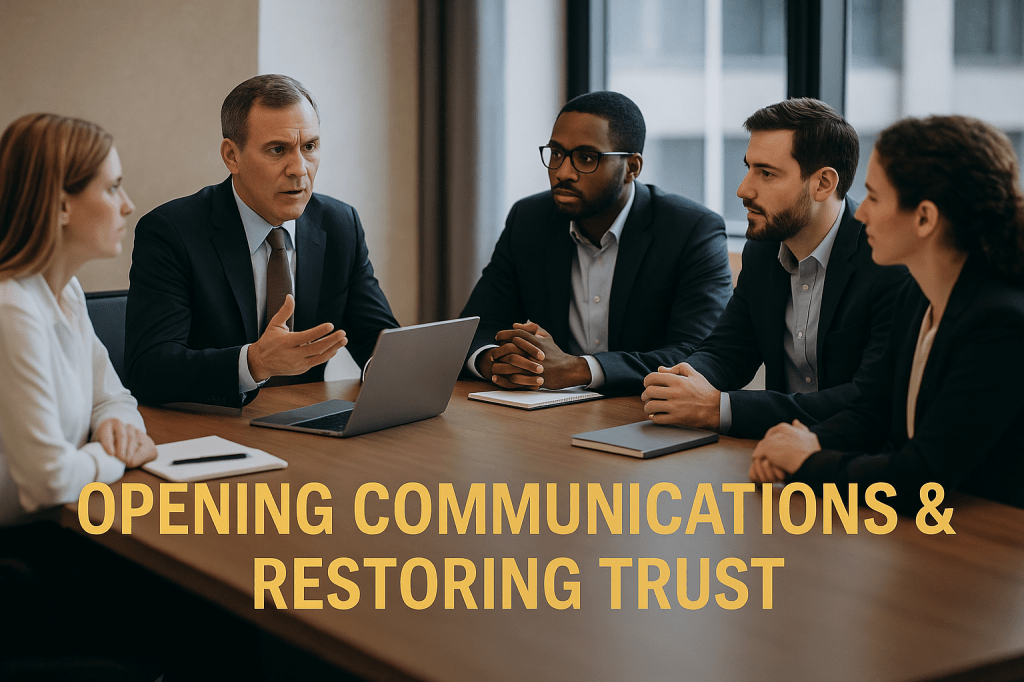
Answering the Call: The Family Dynamic of Franchising

Most franchise locations, especially in food service, are open nearly every day of the week. They operate early mornings, late nights, weekends, and holidays — often when customers are most active. That’s the nature of the business. These long hours are where the brand’s promise is fulfilled, where customer experience is shaped, and where franchisees carry the weight of operations. Meanwhile, franchisor corporate offices typically function within standard business hours — Monday through Friday, nine to five. This contrast between storefront urgency and office routine creates a natural friction. And it raises a question that speaks directly to the heart of the franchisor-franchisee relationship: should weekend or late-night calls from franchisees — even to the founder or CEO — be answered?

It’s not a question of policy as much as one of values. Franchising at its best is like being part of a family. It’s personal. It’s close. It’s built on shared belief in the brand and mutual commitment to success. And in a family, if someone calls late at night, you pick up — not because it’s convenient, but because it matters. For many franchisees, especially those in the first wave of an emerging brand, the founder isn’t just an executive; they’re a mentor, a partner, and in some ways, a lifeline. These early franchisees often invested based on a personal relationship. They took a leap with a brand that’s still defining itself. That trust runs deep — and so do the expectations.

Answering that call, even at 2:15 a.m., can mean everything. It may not always be about solving a problem in the moment. Sometimes, it’s just about being there. The founder picking up shows solidarity, humility, and hands-on leadership. It communicates: “You’re not in this alone.” That single moment of responsiveness can reinforce the franchisee’s belief in the brand more than any email or training session ever could.

But constant availability comes at a cost. If every issue — large or small — finds its way to the founder’s phone, it’s not just a problem of bandwidth. It signals a system lacking infrastructure. Long-term, this creates dependency rather than empowerment. It also erodes the founder’s ability to lead strategically. A business built on constant crisis management can’t scale. The answer isn’t total availability or total avoidance. It’s thoughtful boundaries — built on structure, not silence.

Screening calls may feel cold, but when done through a clearly communicated support system — like after-hours reps or a triage protocol — it respects both the franchisee’s need for support and the franchisor’s need for focus. The key is clarity. Franchisees should know when and why a call will be answered immediately versus directed to the right channel. Emergencies shouldn’t be filtered. But frustrations that can wait until Monday shouldn’t dominate Sunday night.

At what point does calling the CEO become intrusive? When it becomes a habit rather than an exception. One call during a real crisis isn’t overstepping. It’s part of the relationship. But repeated calls that bypass the chain of support dilute the CEO’s role and risk blurring professional lines. The founder should remain visible, accessible, and present — but not as the default operator for every issue.

Responsible franchising isn’t just about legal compliance or operational excellence. It’s about relationships. That means showing up, even after hours — but also building systems that respect everyone’s time and role. The strongest brands find the balance. They answer the call when it matters most, but they also train their franchisees to thrive with the support structures in place. Because when trust is earned — not just promised — the family grows stronger.

Make today a great day. Make it happen. Make it count!

About the Author

Paul Segreto brings over four decades of hands-on experience in franchising, restaurants, and small business development. A passionate advocate for entrepreneurship, Paul has guided countless individuals on their journey to success, whether they are established entrepreneurs or just beginning to explore the path of business ownership.

Named one of the Top 100 Global Franchise and Small Business Influencers, Paul is also the voice behind the Acceler8Success Cafe, a daily content platform where thousands of entrepreneurs gain insight and motivation. A lifelong advocate for ethical growth and brand integrity, Paul continues to coach founders, franchise leaders, and entrepreneurial families, helping them find clarity in chaos and long-term success through intentional leadership.

Ready to take your next step in business or looking for expert insight to overcome today’s challenges? Reach out directly to Paul at paul@acceler8success.com — your path to success may be one conversation away.

About Acceler8Success Group

Acceler8Success Group is a multifaceted business advisory platform committed to empowering entrepreneurs, small business owners, franchise professionals, and industry leaders through strategic consulting, coaching, and curated content.

With a strong focus on entrepreneurship, franchising, restaurants, and small business growth, Acceler8Success Group delivers actionable insights and real-world strategies across its suite of brands, including the following: 

Acceler8Success,  FranchiseReclaim,  OwnABizness.com,  Accelerate Success Coaching,  Your Entrepreneurial Success, and relaunching soon, Franchise Foundry.

By blending deep industry expertise with a dynamic content ecosystem, Acceler8Success Group fosters sustainable success and responsible leadership for today’s innovators and tomorrow’s legacy builders.
Awarding Franchises to the Wrong Candidates: The Domino Effect That Can Topple a Brand

Too often, in the pursuit of growth, franchisors make the critical mistake of awarding franchises to individuals who are either undercapitalized or simply not qualified to operate within the structure of the business model. While the most immediate and obvious consequence is a failed franchise location, the damage runs far deeper—and wider.

When a franchisee struggles due to lack of capital, insufficient operational knowledge, or an inability to follow the system, the brand takes a direct hit. Their failure isn’t isolated; it ripples across the network. Other franchisees in the same market feel the immediate impact. They have to answer questions from customers, deal with increased skepticism from their own employees, and often face unfair comparisons. Even if they’re operating at a high level, the proximity to failure can dampen morale and performance.

Customer perception is even more fragile. A single location that provides subpar service, closes prematurely, or experiences obvious instability can taint the entire brand in the eyes of the public. Word spreads fast—especially in a connected, review-driven economy. Rumors and half-truths take on a life of their own. What starts as an isolated issue becomes a narrative: “That franchise is struggling.”

This same perception trickles into the minds of vendors and local lenders. If one franchisee defaults on payments, relationships strain for everyone. A vendor may tighten payment terms across the board. A bank may become hesitant to approve loans for new locations or for existing franchisees looking to expand. The performance of one franchisee can put the brakes on others’ growth.

Employees, both current and prospective, begin to question the stability of the brand. High turnover, reduced applicant pools, and a loss of confidence in the leadership of the brand can follow. Talent, especially at the unit level, becomes harder to attract and retain.

And then there’s the FDD. Closed locations must be documented. As more closures appear, red flags go up for prospective franchisees. Questions become tougher. Candidates take longer to decide—or walk away altogether. Growth slows. Leads dry up. And the franchisor is left spending more time explaining past mistakes than promoting the opportunity ahead.

This is the domino effect of awarding franchises to the wrong people. It begins with one flawed decision and cascades across the entire system. Brand integrity erodes. System value diminishes. Culture weakens. What looked like growth on paper turns into contraction in reality.

It’s imperative that franchisors maintain discipline in their development efforts. Awarding a franchise should never be viewed as merely a sale. It’s a strategic investment in the long-term health of the system. Financial qualifications must be non-negotiable. Operational fit must be assessed with rigor. Personality, attitude, alignment with the brand’s values—all must be considered.

Every franchise awarded to the wrong candidate puts the entire system at risk. Franchisors must remember: it’s not about how fast the system grows—it’s about how strong it stands when growth is tested.

The future of the brand depends on every domino being carefully and thoughtfully placed. Because once they begin to fall, it’s much harder to stand them back up.

Make today a great day. Make it happen. Make it count!

About the Author

Paul Segreto brings over four decades of hands-on experience in franchising, restaurants, and small business development. A passionate advocate for entrepreneurship, Paul has guided countless individuals on their journey to success, whether they are established entrepreneurs or just beginning to explore the path of business ownership.

Named one of the Top 100 Global Franchise and Small Business Influencers, Paul is also the voice behind the Acceler8Success Cafe, a daily content platform where thousands of entrepreneurs gain insight and motivation. A lifelong advocate for ethical growth and brand integrity, Paul continues to coach founders, franchise leaders, and entrepreneurial families, helping them find clarity in chaos and long-term success through intentional leadership.

Ready to take your next step in business or looking for expert insight to overcome today’s challenges? Reach out directly to Paul at paul@acceler8success.com — your path to success may be one conversation away.

About Acceler8Success Group

Acceler8Success Group is a multifaceted business advisory platform committed to empowering entrepreneurs, small business owners, franchise professionals, and industry leaders through strategic consulting, coaching, and curated content.

With a strong focus on entrepreneurship, franchising, restaurants, and small business growth, Acceler8Success Group delivers actionable insights and real-world strategies across its suite of brands, including the following: 

Acceler8Success,  FranchiseReclaim,  OwnABizness.com,  Accelerate Success Coaching,  Your Entrepreneurial Success, and relaunching soon, Franchise Foundry.

By blending deep industry expertise with a dynamic content ecosystem, Acceler8Success Group fosters sustainable success and responsible leadership for today’s innovators and tomorrow’s legacy builders.

Franchise Growth Is a Performance—Are You Conducting or Just Adding Seats?

When franchisors talk about scaling, the conversation often centers on volume. How many new units will open this quarter? What untapped markets should be entered next? How quickly can a footprint grow to appeal to investors or position the brand for acquisition? These are valid questions—but they only scratch the surface of what it truly means to grow a franchise.

Real franchise growth—the kind that endures market shifts, economic challenges, and competitive pressures—is more than a numbers game. It’s about building a system that doesn’t just get bigger, but gets better. It’s not just about how many franchises are awarded. It’s about how well each one performs, how consistently they operate, and how tightly they align with the brand’s mission and values. Sustainable growth is rooted in performance, not just expansion.

A franchise system, at its core, is much like an orchestra. Some systems perform with the grace and precision of a world-renowned symphony—every instrument in tune, every musician in sync, executing complex movements effortlessly. Other systems resemble smaller, local ensembles—less intricate, perhaps, but still capable of creating meaningful and resonant performances. Both models can succeed. But neither can thrive without a skilled conductor.

In franchising, that conductor is the franchisor. And the franchisor’s job isn’t just to sign agreements or oversee unit openings. It’s to ensure alignment across the system. Franchisees are like musicians—each one has a part to play. The operations team, suppliers, marketing professionals, training staff—they form the sections of the orchestra. For the system to deliver a compelling performance, every part must follow the same sheet of music: the brand’s standards, culture, and strategic direction.

A single sour note—a franchisee deviating from operational protocols, a marketing campaign that misses the mark, a lapse in training or support—can throw off the rhythm of the entire system. It may start small, barely noticeable to the audience at first. But repeated missteps compound. Customers begin to sense inconsistency. They experience varying levels of service or quality depending on the location. Trust begins to erode. The harmony of the brand breaks down.

Unchecked, these issues multiply. Franchisees start improvising, deviating from proven systems. Teams become reactive instead of proactive. The brand’s voice becomes muddled, and the experience it promises becomes unpredictable. Growth doesn’t just stall—it becomes toxic. Instead of building momentum, the system is weighed down by inefficiencies, misalignment, and frustration.

The solution isn’t to stop growing. It’s to grow differently.

Franchisors must focus on orchestration, not just expansion. That means developing strong onboarding and training processes, delivering consistent operational support, listening to feedback from franchisees, and creating systems that promote unity without stifling local execution. It means resolving dissonance quickly and decisively, and continuously refining the brand’s performance through proactive leadership.

Scaling a franchise isn’t about handing out more instruments—it’s about ensuring the orchestra plays louder, richer, and more cohesively with every new addition. Done right, growth becomes a crescendo. Each new franchisee amplifies the brand’s presence. Each well-executed location adds to the system’s credibility. And each satisfied customer becomes a loyal member of the audience.

Ultimately, the franchises that scale with staying power are those led by franchisors who don’t just add seats—they conduct with clarity, discipline, and purpose. They recognize that performance isn’t measured only in revenue and units sold, but in consistency, customer loyalty, and systemwide harmony.

Because when a franchise system plays in tune, the audience doesn’t just notice—they remember. They return. And they bring others with them. That is the sound of a brand not just growing, but resonating.

Make today a great day. Make it happen. Make it count!

About the Author

Paul Segreto brings over four decades of hands-on experience in franchising, restaurants, and small business development. A passionate advocate for entrepreneurship, Paul has guided countless individuals on their journey to success, whether they are established entrepreneurs or just beginning to explore the path of business ownership.

Named one of the Top 100 Global Franchise and Small Business Influencers, Paul is also the voice behind the Acceler8Success Cafe, a daily content platform where thousands of entrepreneurs gain insight and motivation. A lifelong advocate for ethical growth and brand integrity, Paul continues to coach founders, franchise leaders, and entrepreneurial families, helping them find clarity in chaos and long-term success through intentional leadership.

Ready to take your next step in business or looking for expert insight to overcome today’s challenges? Reach out directly to Paul at paul@acceler8success.com — your path to success may be one conversation away.

About Acceler8Success Group

Acceler8Success Group is a multifaceted business advisory platform committed to empowering entrepreneurs, small business owners, franchise professionals, and industry leaders through strategic consulting, coaching, and curated content.

With a strong focus on entrepreneurship, franchising, restaurants, and small business growth, Acceler8Success Group delivers actionable insights and real-world strategies across its suite of brands, including the following: 

Acceler8Success,  FranchiseReclaim,  OwnABizness.com,  Accelerate Success Coaching,  Your Entrepreneurial Success, and relaunching soon, Franchise Foundry.

By blending deep industry expertise with a dynamic content ecosystem, Acceler8Success Group fosters sustainable success and responsible leadership for today’s innovators and tomorrow’s legacy builders.