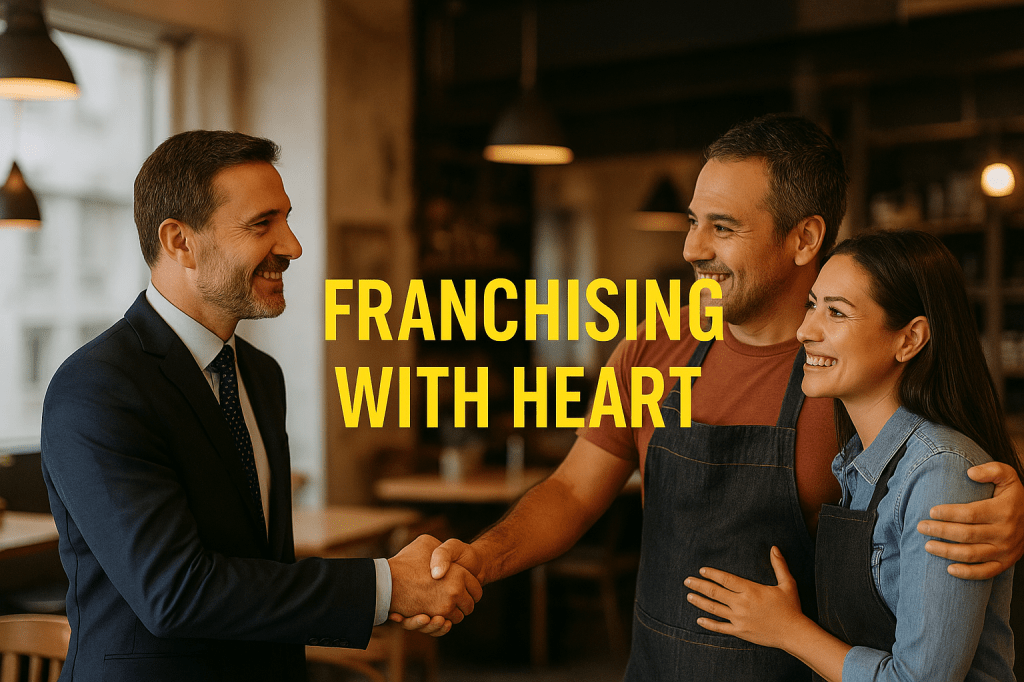
Continuing the conversation about responsible franchising, let’s shift the focus away from the familiar checklist of legal compliance, disclosure documents, and operational systems. While these are the foundation of any franchise relationship, responsible franchising is about more than processes—it’s about people. It’s about relationships built on trust, understanding, and mutual respect. And at its core, it’s about treating franchisees the way we ourselves would want to be treated.
Franchisees are not just investors or operators of a branded location. They are people with stories, ambitions, sacrifices, and dreams. Before they signed the franchise agreement or attended training, they had a life full of experiences—some were executives seeking a second act, others were immigrants chasing opportunity, some were parents building a future for their children. Each of them came to your brand with a reason, with hope, and with expectations. And if we’re going to claim we’re building a franchise family, we have a responsibility to understand who they are, what they’ve done, and why they chose us.
These three questions—Who? What? Why?—aren’t just a one-time inquiry during onboarding or discovery day. They should be asked continually, with genuine curiosity and respect, throughout the life of the franchise relationship. When we consistently revisit these questions, we reinforce that we care. We remind franchisees that they are seen and heard, not just as business partners, but as human beings. That alone can make all the difference between a transactional franchise system and a transformative one.
It’s about common courtesy—the kind that shouldn’t be uncommon. A returned phone call. A sincere thank you. A recognition of effort. A willingness to listen without judgment. These things may not show up in franchise metrics, but they are felt deeply by franchisees, especially in difficult times. A struggling franchisee doesn’t always need another manual—they might need someone to hear them out. To offer encouragement. Maybe even a shoulder to cry on.
Is that too much to ask?
Not if we’re going to keep saying we’re family.
We can’t claim the warmth of a franchise family without the actions that prove it. True professionalism in franchising isn’t cold or distant. It’s personal. It’s intentional. It’s the small moments of empathy and connection that build loyalty far stronger than any contractual obligation ever could.
This is responsible franchising. It’s not just what’s required by law. It’s what’s required by decency, by leadership, and by our commitment to those who put their faith in our brand. When we honor that commitment, when we lead with humanity, and when we never stop asking Who? What? Why?—we become the kind of franchisor others aspire to be.
And we earn the title of family.
Make today a great day. Make it happen. Make it count!
About the Author
Paul Segreto brings over four decades of hands-on experience in franchising, restaurants, and small business development. A passionate advocate for entrepreneurship, Paul has guided countless individuals on their journey to success, whether they are established entrepreneurs or just beginning to explore the path of business ownership.
Named one of the Top 100 Global Franchise and Small Business Influencers, Paul is also the voice behind the Acceler8Success Cafe, a daily content platform where thousands of entrepreneurs gain insight and motivation. A lifelong advocate for ethical growth and brand integrity, Paul continues to coach founders, franchise leaders, and entrepreneurial families, helping them find clarity in chaos and long-term success through intentional leadership.
Ready to take your next step in business or looking for expert insight to overcome today’s challenges? Reach out directly to Paul at paul@acceler8success.com — your path to success may be one conversation away.
About Acceler8Success Group
Acceler8Success Group is a multifaceted business advisory platform committed to empowering entrepreneurs, small business owners, franchise professionals, and industry leaders through strategic consulting, coaching, and curated content.
With a strong focus on entrepreneurship, franchising, restaurants, and small business growth, Acceler8Success Group delivers actionable insights and real-world strategies across its suite of brands, including the following:
By blending deep industry expertise with a dynamic content ecosystem, Acceler8Success Group fosters sustainable success and responsible leadership for today’s innovators and tomorrow’s legacy builders.
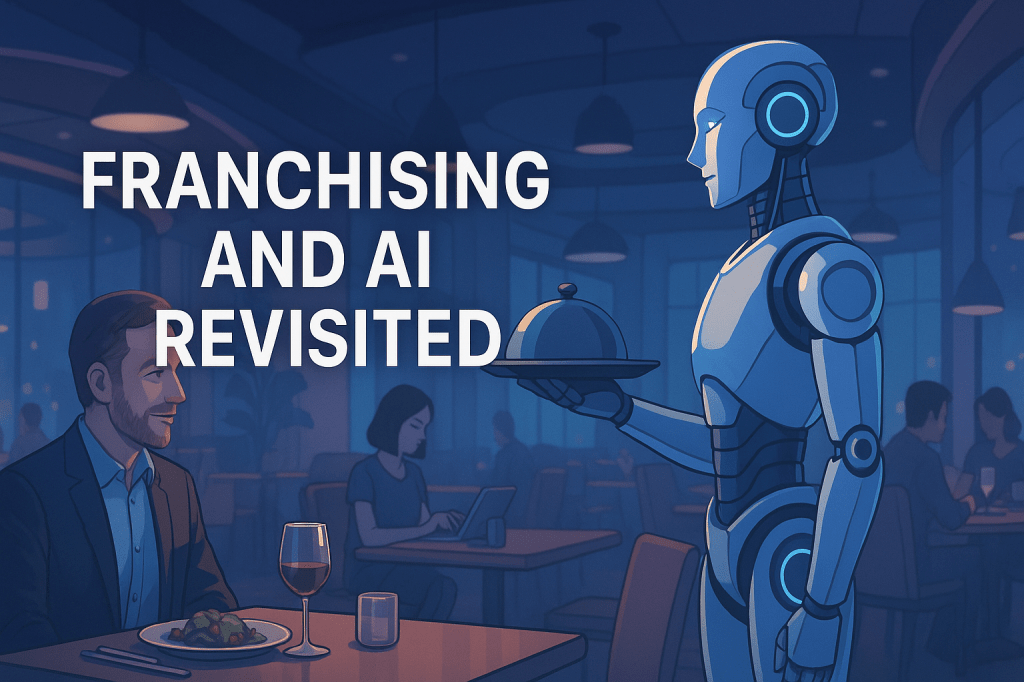
Artificial Intelligence (AI) is rapidly changing the landscape of nearly every industry, and franchising is no exception. From streamlining operations and enhancing customer experience to introducing new challenges in compliance, workforce management, and business models, AI’s role in franchising over the next ten years will be profound.
Given that typical franchise agreements span ten years, today’s franchisees and franchisors must anticipate how AI may reshape their businesses by the time they renew their contracts. Below is an exploration of the potential benefits and challenges AI may present for both franchisees and franchisors.
The Positive Impact of AI on Franchising
For Franchisees
Operational Efficiency: AI-driven automation will help franchisees reduce costs and improve efficiency. AI-powered scheduling, inventory management, and customer service tools can handle time-consuming tasks, allowing franchisees to focus on growth and customer engagement.
Personalized Customer Experience: AI can analyze customer data to offer personalized recommendations, loyalty programs, and dynamic pricing strategies. Chatbots and AI-powered voice assistants will enhance customer service without requiring additional human resources.
Marketing and Customer Acquisition: AI-powered digital marketing tools will help franchisees optimize local SEO, target ads more effectively, and automate social media engagement. Predictive analytics will help identify new market opportunities and customer trends.
Supply Chain Optimization: AI will improve supply chain forecasting, reducing overstock and stockouts. This is particularly beneficial for foodservice and retail franchises, where just-in-time inventory management can prevent waste and maximize profits.
Automated Compliance and Reporting: AI will streamline regulatory compliance, ensuring that franchisees adhere to brand standards, labor laws, and financial reporting requirements. Automated systems will flag discrepancies before they become costly issues.
For Franchisors
Enhanced Franchisee Support: AI-driven analytics will allow franchisors to identify struggling franchisees early and provide targeted support. Virtual assistants and AI-powered training programs will help new franchisees get up to speed faster.
Standardized Brand Experience: AI-driven quality control will ensure consistency across locations. Smart cameras and automated auditing tools will help franchisors monitor brand compliance in real time.
Data-Driven Expansion Strategies: AI will help franchisors analyze potential markets, predicting which locations are most likely to succeed. This will make franchise territory planning more accurate and reduce the risk of failed locations.
AI-Powered Franchise Recruitment: AI will streamline the franchise recruitment process, using predictive analytics to identify ideal franchisee candidates based on financials, business acumen, and alignment with brand values.
Automated Royalty Collection and Financial Oversight: AI will simplify revenue tracking, ensuring accurate and automated royalty payments. Franchisors will have real-time financial visibility across their entire network.
Challenges and Potential Negative Impacts of AI on Franchising
For Franchisees
Initial Investment and Learning Curve Implementing: AI tools can be expensive, and franchisees may face steep learning curves. Small franchisees may struggle to afford AI-driven upgrades, creating disparities between locations.
Job Displacement and Workforce Concerns: AI-driven automation may replace some jobs in franchise locations, particularly in food service and retail. Franchisees may face pushbacks from employees and regulatory scrutiny over workforce reductions.
Data Privacy and Cybersecurity Risks: Increased reliance on AI-driven data collection could make franchise businesses vulnerable to cyberattacks. Franchisees must ensure that customer data is protected, which may require additional investments in cybersecurity.
Over-Reliance on Technology: AI may be helpful, but over-reliance on technology can lead to problems if systems fail. Franchisees will need contingency plans in case of AI system failures, outages, or miscalculations.
Potential Loss of Local Control: AI-driven corporate oversight may limit franchisees’ autonomy. If AI-driven decisions dictate marketing, pricing, and inventory management from a central hub, franchisees may feel like they have less control over their operations.
For Franchisors
Ethical and Legal Implications: AI-driven franchise models may face scrutiny over bias in AI decision-making, privacy concerns, and automated pricing models that could be deemed anti-competitive.
Franchisee Resistance: AI adoption may be met with pushback from franchisees who are reluctant to change, struggle with the cost of implementation, or fear job losses within their teams.
Brand Reputation Risks: AI-driven customer interactions, if not properly managed, could lead to PR issues. For example, an AI chatbot giving inappropriate responses or an AI-driven pricing algorithm causing price discrimination could harm brand reputation.
Technology Dependence and Vendor Risks: Franchisors will become increasingly dependent on third-party AI vendors. If an AI provider experiences a breach or goes out of business, it could disrupt franchise operations.
Regulatory Compliance Challenges: As governments introduce new regulations on AI, franchisors must ensure compliance with evolving laws on AI ethics, data privacy, and automated decision-making.
What Could AI Mean for Franchising Over the Next 10 Years?
AI-Driven Franchise Models
The rise of fully AI-powered franchises, such as robotic kitchens and cashier-less stores, may disrupt traditional franchise structures.
Automated customer service models may change labor requirements and redefine the franchise employment model.
Franchise Agreements Adapt to AI
AI-driven pricing and marketing may lead to new franchise agreement clauses that regulate technology use.
Agreements may specify AI compliance requirements, data-sharing policies, and cybersecurity mandates.
Autonomous Delivery and Logistics
AI-powered drones, robotic delivery systems, and self-driving vehicles may transform franchise operations, especially in food and retail sectors.
AI-Enhanced Customer Experience
Smart stores using facial recognition and AI-powered checkout could become standard, creating a seamless customer experience.
AI-powered personalization could lead to hyper-localized promotions and loyalty programs.
The Evolution of Franchise Support
AI-powered virtual franchise consultants could provide real-time advice and troubleshooting.
AI-driven training systems may reduce the need for in-person training, allowing franchisees to learn at their own pace through immersive AI-powered simulations.
New Franchise Business Models
AI may enable new micro-franchising opportunities, where individuals operate AI-driven vending machines, automated kiosks, or ghost kitchens with minimal human intervention.
Greater Corporate Oversight
Franchisors may use AI-driven surveillance and reporting systems to monitor every aspect of franchise operations, leading to stricter enforcement of brand standards.
What Lies Ahead?
AI is set to revolutionize the franchising industry, bringing immense opportunities alongside significant challenges for both franchisees and franchisors. Over the next ten years, AI will drive efficiency, enhance customer experience, and enable smarter decision-making, while also raising concerns around job displacement, compliance, and increasing reliance on technology. The franchises that adapt to these changes—leveraging AI to streamline operations and strengthen brand consistency—will gain a competitive edge, while those that resist may struggle to keep pace in an AI-driven economy.
At Acceler8Success, we recognize that the future of franchising will be shaped by innovation, and we are committed to helping entrepreneurs, franchisees, and franchisors navigate this evolving landscape. Through education, strategic guidance, and expert insights, we empower business owners to harness the power of AI while maintaining the human touch that makes great franchises thrive. Whether you’re exploring franchising for the first time or preparing for the next decade of growth, Acceler8Success is here to support your journey toward success in the age of AI-driven franchising.
Make today a great day. Make it happen. Make it count!
About the Author
Paul Segreto brings over four decades of hands-on experience in franchising, restaurants, and small business development. A passionate advocate for entrepreneurship, Paul has guided countless individuals on their journey to success, whether they are established entrepreneurs or just beginning to explore the path of business ownership.
Named one of the Top 100 Global Franchise and Small Business Influencers, Paul is also the voice behind the Acceler8Success Cafe, a daily content platform where thousands of entrepreneurs gain insight and motivation. A lifelong advocate for ethical growth and brand integrity, Paul continues to coach founders, franchise leaders, and entrepreneurial families, helping them find clarity in chaos and long-term success through intentional leadership.
Ready to take your next step in business or looking for expert insight to overcome today’s challenges? Reach out directly to Paul at paul@acceler8success.com — your path to success may be one conversation away.
About Acceler8Success Group
Acceler8Success Group is a multifaceted business advisory platform committed to empowering entrepreneurs, small business owners, franchise professionals, and industry leaders through strategic consulting, coaching, and curated content.
With a strong focus on entrepreneurship, franchising, restaurants, and small business growth, Acceler8Success Group delivers actionable insights and real-world strategies across its suite of brands, including the following:
By blending deep industry expertise with a dynamic content ecosystem, Acceler8Success Group fosters sustainable success and responsible leadership for today’s innovators and tomorrow’s legacy builders.
In America, we live our daily lives wrapped in the fabric of freedom—freedom to speak, to gather, to worship, to pursue opportunity, and to build our lives on our own terms. These liberties are so deeply ingrained in our day-to-day routines that they’re often taken for granted. We wake up each morning with choices that many across the world may never have. We speak our minds. We chase our dreams. And most of the time, we do so without question or fear.
But these freedoms did not come without cost.
Memorial Day serves as a solemn reminder of that cost. It is the one day each year when our nation pauses to remember the brave men and women who gave their lives in service to our country. Their sacrifices ensured that the liberties we enjoy—so seamlessly woven into the American experience—remain intact for generations to come.
Yet, how often do we truly think about them? The irony is striking: the very freedom that allows us to enjoy barbecues, travel freely, and speak openly on Memorial Day is the same freedom secured by those who can no longer enjoy it themselves. Their sacrifice is not a concept—it is a reality, paid with lives cut short in defense of something far bigger than any one individual.
And let us not forget the families they left behind. The parents who never saw their children return home. The spouses who carry on without the love of their lives. The children who grow up with only stories and photos of a parent who died in service to something greater than themselves. These families carry the weight of freedom every day—not just on Memorial Day. They, too, deserve our recognition, respect, and heartfelt gratitude.
As we honor this Memorial Day, let us do more than reflect. Let us give thanks—not only with flags and ceremonies, but in how we live, in how we serve others, and in how we protect the ideals these heroes died for.
Because without their sacrifice, we may not even have the freedom to express this very sentiment.
So today, and every day, may we remember. May we never forget. And above all, may we live in a way that honors those who gave everything for us to live free.
Make today a great day… a day it is meant to be. Make it happen. Make it count!
About the Author
Paul Segreto brings over four decades of hands-on experience in franchising, restaurants, and small business development. A passionate advocate for entrepreneurship, Paul has guided countless individuals on their journey to success, whether they are established entrepreneurs or just beginning to explore the path of business ownership.
Named one of the Top 100 Global Franchise and Small Business Influencers, Paul is also the voice behind the Acceler8Success Cafe, a daily content platform where thousands of entrepreneurs gain insight and motivation. A lifelong advocate for ethical growth and brand integrity, Paul continues to coach founders, franchise leaders, and entrepreneurial families, helping them find clarity in chaos and long-term success through intentional leadership.
Ready to take your next step in business or looking for expert insight to overcome today’s challenges? Reach out directly to Paul at paul@acceler8success.com — your path to success may be one conversation away.
About Acceler8Success Group
Acceler8Success Group is a multifaceted business advisory platform committed to empowering entrepreneurs, small business owners, franchise professionals, and industry leaders through strategic consulting, coaching, and curated content.
With a strong focus on entrepreneurship, franchising, restaurants, and small business growth, Acceler8Success Group delivers actionable insights and real-world strategies across its suite of brands, including the following:
By blending deep industry expertise with a dynamic content ecosystem, Acceler8Success Group fosters sustainable success and responsible leadership for today’s innovators and tomorrow’s legacy builders.
In the rhythm of a long three-day holiday weekend, each day holds its own energy. Saturday often bursts with to-do lists, from home projects to errands delayed by a hectic week. Monday, though free from work obligations, frequently shifts into a day of preparation—emails sneak a glance, calendars get reviewed, and the mind turns toward the week ahead.
But Sunday… oh, that Sunday.
It sits in the center like the calm eye of a storm. It’s unburdened by yesterday’s busyness and untouched by tomorrow’s urgency. It’s a day that doesn’t beg for hustle or productivity. It simply is. And for the entrepreneur—whose life is so often defined by movement, ambition, and momentum—that stillness can be a gift, a mirror, and a reminder.
Sunday, especially in the middle of a long weekend, is the heart. It’s where time slows down just enough to hear your thoughts echo. It’s where peace and serenity can take root without apology. It’s where spiritual fulfillment—however you define it—has the space to breathe. And it’s where family moments unfold without schedules pressing their weight on your shoulders.
For entrepreneurs, this day can be more than rest. It can be restoration.
In a world driven by outcomes and milestones, the pause is a radical act. The long-weekend Sunday invites entrepreneurs to reclaim something often lost: presence. It is a rare stretch of time where reflection doesn’t need to be rushed, where you can rediscover your why, not just your how. It’s a day to enjoy the fruits of your labor—not with grandeur or distraction—but in simplicity. A walk with your partner. Breakfast with your kids. A quiet hour with your thoughts or a spiritual practice that grounds you.
It’s also a day to see things clearly—not through the lens of problem-solving, but with the open heart of gratitude. You may find clarity not by working harder, but by stepping back. The solution to that business challenge may not come from a spreadsheet, but from a moment of stillness on your patio. The inspiration for your next venture may arrive while watching the sunset with your family.
Entrepreneurship is often about chasing the future. But Sunday reminds us that the present matters too. In fact, it may be the very fuel that allows us to keep chasing, keep creating, and keep leading.
So as the middle day of the long weekend rolls around, resist the urge to fill it with plans. Let it be what it is meant to be—a day to simply live. Let Sunday restore you so you can return to the grind not just with energy, but with intention.
Because sometimes the most important step in building your dream is the pause that lets you feel why it matters in the first place.
Make today a great day. Make it happen. Make it count!
About the Author
Paul Segreto brings over four decades of hands-on experience in franchising, restaurants, and small business development. A passionate advocate for entrepreneurship, Paul has guided countless individuals on their journey to success, whether they are established entrepreneurs or just beginning to explore the path of business ownership.
Named one of the Top 100 Global Franchise and Small Business Influencers, Paul is also the voice behind the Acceler8Success Cafe, a daily content platform where thousands of entrepreneurs gain insight and motivation. A lifelong advocate for ethical growth and brand integrity, Paul continues to coach founders, franchise leaders, and entrepreneurial families, helping them find clarity in chaos and long-term success through intentional leadership.
Ready to take your next step in business or looking for expert insight to overcome today’s challenges? Reach out directly to Paul at paul@acceler8success.com — your path to success may be one conversation away.
About Acceler8Success Group
Acceler8Success Group is a multifaceted business advisory platform committed to empowering entrepreneurs, small business owners, franchise professionals, and industry leaders through strategic consulting, coaching, and curated content.
With a strong focus on entrepreneurship, franchising, restaurants, and small business growth, Acceler8Success Group delivers actionable insights and real-world strategies across its suite of brands, including the following:
By blending deep industry expertise with a dynamic content ecosystem, Acceler8Success Group fosters sustainable success and responsible leadership for today’s innovators and tomorrow’s legacy builders.
There’s nothing quite like that first day. Whether it’s cutting the ribbon on a brand-new venture, flipping the lights on for a franchise grand opening, or acquiring your very own restaurant, the feeling is electric. Confidence is high. Pride fills the room. Smiles are contagious. It’s that beautiful moment when dreams become tangible, when years of planning and ambition finally materialize. It’s a celebration—of courage, commitment, and the promise of what’s to come.
But then time passes. The daily grind sets in. The paperwork piles up, staff turnover begins, unexpected costs arise, and the rhythm of business becomes less about passion and more about pressure. The excitement that once lit up your mornings begins to flicker. Even when things are going well, that initial thrill starts to fade. And when success doesn’t come as quickly or as easily as expected, the glow dims even more. Eventually, what once felt exhilarating now feels exhausting. The fun is gone.
It happens more often than most people care to admit. But that doesn’t mean it has to stay that way.
So, how do you keep the excitement alive? How do you ensure that the joy you felt on day one isn’t just a fleeting moment, but a part of your entrepreneurial DNA?
It starts with intentionality. Excitement, like momentum, doesn’t sustain itself. You have to nurture it. You have to feed it. That means staying connected to your “why.” Why did you start this business? What was the vision, the goal, the mission that pushed you to take the leap? When you’re knee-deep in operations and challenges, it’s easy to forget that original spark. But taking the time to reflect—regularly—can reignite the flame.
Long holiday weekends are a perfect time to do just that. When the pace of life slows down, when the inbox is quiet and the phone isn’t ringing nonstop, there’s space to breathe. Space to think. These mini-breaks from the daily hustle offer more than just rest—they offer an opportunity to reconnect with your purpose. To reflect on where you’ve been, to celebrate what you’ve accomplished (even if it doesn’t feel like much), and to reset your mindset for the journey ahead.
Take advantage of the quiet. Pull out the old notes from when you first dreamed of going into business for yourself. Look through early photos, marketing materials, or launch-day messages. Remember the pride you felt when you first told your family and friends, “I’m doing this—I’m becoming an entrepreneur.” Those memories aren’t just nostalgic; they’re powerful reminders of your boldness, your belief, and your original reason for taking the leap.
Excitement also comes from progress—so recognize it. Celebrate wins, big and small. Entrepreneurs are notorious for overlooking achievements in favor of chasing the next milestone. But acknowledgment fuels motivation. Did you solve a customer problem that used to keep you up at night? Did you get through a tough quarter without losing your footing? Did you mentor someone on your team and watch them thrive? These moments matter. Let them count.
Sometimes, reigniting excitement is about stepping outside your routine. Shake things up. Introduce a new product or service. Refresh your branding. Experiment with a new marketing strategy. Engage your customers in a way you haven’t before. Change creates energy—and energy often brings back that spark.
Surround yourself with people who energize you. Find peers, mentors, or groups that understand the entrepreneurial rollercoaster. Share your struggles and your wins. Let their stories inspire you. Sometimes the best way to get excited again is to be reminded that you’re not alone—and that the ups and downs are part of the process.
And most importantly, allow yourself to enjoy the ride. Business doesn’t have to be all stress and seriousness. Bring joy back into the mix. Host a fun event. Surprise your team with a thank-you lunch. Laugh more. Connect more. Dream more. When your business feels like a reflection of your passion instead of just your pressure, the excitement follows.
So as another long weekend is upon us, don’t just use it to rest—use it to reflect, reset, and regenerate. Let it be your moment to remember why you started and to decide—consciously—to find the smile again.
Because entrepreneurship was never just about ownership. It was about freedom. About impact. About possibility. And the thrill of that will never fade… if you don’t let it.
Make today a great day. Make it happen. Make it count!
About the Author
Paul Segreto brings over four decades of hands-on experience in franchising, restaurants, and small business development. A passionate advocate for entrepreneurship, Paul has guided countless individuals on their journey to success, whether they are established entrepreneurs or just beginning to explore the path of business ownership.
Named one of the Top 100 Global Franchise and Small Business Influencers, Paul is also the voice behind the Acceler8Success Cafe, a daily content platform where thousands of entrepreneurs gain insight and motivation. A lifelong advocate for ethical growth and brand integrity, Paul continues to coach founders, franchise leaders, and entrepreneurial families, helping them find clarity in chaos and long-term success through intentional leadership.
Ready to take your next step in business or looking for expert insight to overcome today’s challenges? Reach out directly to Paul at paul@acceler8success.com — your path to success may be one conversation away.
About Acceler8Success Group
Acceler8Success Group is a multifaceted business advisory platform committed to empowering entrepreneurs, small business owners, franchise professionals, and industry leaders through strategic consulting, coaching, and curated content.
With a strong focus on entrepreneurship, franchising, restaurants, and small business growth, Acceler8Success Group delivers actionable insights and real-world strategies across its suite of brands, including the following:
By blending deep industry expertise with a dynamic content ecosystem, Acceler8Success Group fosters sustainable success and responsible leadership for today’s innovators and tomorrow’s legacy builders.
Long holiday weekends—those cherished three-day stretches that come with Memorial Day, Labor Day, and other national observances—are often celebrated as a time for rest, relaxation, and reconnection. For many, they provide a welcome pause from daily responsibilities. But for entrepreneurs, whose minds rarely clock out, the question becomes: can they truly unplug? Should they?
The answer isn’t a simple yes or no. It depends on the individual, the nature of their business, and how they define productivity. But for entrepreneurs driven by passion and purpose, long weekends can offer more than just a break—they can provide clarity, creativity, and connection if approached with intention.
Rest: A Strategic Pause, Not a Shutdown
Entrepreneurs are often praised for their relentless energy and drive, but even the most ambitious need time to refuel. These weekends can—and should—serve as strategic pauses to rest both body and mind. Not because rest is a luxury, but because it’s a performance enhancer.
Whether it’s sleeping in, enjoying a leisurely walk, escaping into a good book, or simply being still, rest recalibrates an entrepreneur’s mental clarity and physical energy. Some may find rejuvenation in active pursuits like hiking or biking, while others restore themselves through quiet reflection or time in nature. The goal is to break free, even momentarily, from the pace of decision-making and problem-solving.
Relationships: Reconnecting Beyond Business
Often unintentionally sidelined by the hustle of entrepreneurship are the relationships that matter most. A long weekend offers the chance to reengage meaningfully—with spouses, children, friends, and even oneself. Shared meals, spontaneous road trips, or just conversations without the interruption of emails serve as reminders of why the entrepreneurial journey began in the first place—to create a life, not just a living.
Spending quality time with loved ones doesn’t just strengthen personal bonds. It brings perspective. It reminds entrepreneurs that support systems are essential, and emotional well-being is foundational to business resilience.
Work: Purposeful, Not Perpetual
For many entrepreneurs, completely shutting off work is not only unrealistic—it might feel unnatural. Work is often a source of identity and inspiration. But there’s a significant difference between being productively engaged and being perpetually on call.
Rather than diving into email or getting stuck in task mode, the key is to approach work on holiday weekends with intentionality. Use the slower pace to reflect, brainstorm, or revisit long-term goals. Let inspiration guide activity, rather than obligation. A quick morning journal session or a new book on leadership may be all that’s needed to keep the entrepreneurial fire gently burning without consuming the weekend.
Creativity: Letting the Mind Wander, Purposefully
Some of the best ideas come when you’re not looking for them. For entrepreneurs, stepping away from the daily grind often opens the floodgates to creativity. Whether it’s during a sunset walk, a casual conversation over drinks, or while grilling in the backyard, ideas have room to surface when the mind is free.
This is more than relaxation—it’s active incubation. When entrepreneurs give themselves space to think differently, they return to their business with refreshed vision and, sometimes, the next breakthrough idea.
The Balance: A Conscious Integration
Ultimately, a long holiday weekend for an entrepreneur isn’t about dividing time into strict categories of “work” and “play.” It’s about integration. The most fulfilling weekends blend the joy of personal connection, the peace of rest, the stimulation of light, purposeful work, and the unexpected burst of creative insight.
Entrepreneurs don’t need to escape who they are to enjoy a holiday weekend—they just need to give themselves permission to experience it fully. When approached with intention, these long weekends become more than time off—they become time well spent.
Make this holiday weekend a great one. Make it happen. Make it count!
About the Author
Paul Segreto brings over four decades of hands-on experience in franchising, restaurants, and small business development. A passionate advocate for entrepreneurship, Paul has guided countless individuals on their journey to success, whether they are established entrepreneurs or just beginning to explore the path of business ownership.
Named one of the Top 100 Global Franchise and Small Business Influencers, Paul is also the voice behind the Acceler8Success Cafe, a daily content platform where thousands of entrepreneurs gain insight and motivation. A lifelong advocate for ethical growth and brand integrity, Paul continues to coach founders, franchise leaders, and entrepreneurial families, helping them find clarity in chaos and long-term success through intentional leadership.
Ready to take your next step in business or looking for expert insight to overcome today’s challenges? Reach out directly to Paul at paul@acceler8success.com — your path to success may be one conversation away.
About Acceler8Success Group
Acceler8Success Group is a multifaceted business advisory platform committed to empowering entrepreneurs, small business owners, franchise professionals, and industry leaders through strategic consulting, coaching, and curated content.
With a strong focus on entrepreneurship, franchising, restaurants, and small business growth, Acceler8Success Group delivers actionable insights and real-world strategies across its suite of brands, including the following:
By blending deep industry expertise with a dynamic content ecosystem, Acceler8Success Group fosters sustainable success and responsible leadership for today’s innovators and tomorrow’s legacy builders.
In recent weeks, I’ve explored strategies for turning around restaurant businesses, especially as they face seasonal slowdowns, changing consumer habits, and the pressure to adapt. From revitalizing marketing efforts to embracing community engagement, the conversations have revolved around change and transformation—and how to position restaurants for long-term success. One critical seasonal topic that deserves a deeper dive is how to make summer not just survivable, but wildly successful. The secret? Fully embracing brunch, happy hour, and party catering as powerful tools to draw in traffic, build loyalty, and deliver a vacation-like experience.
Let’s reframe the summer challenge: rather than dread the slowdown, meet it with energy. Your restaurant can become the ultimate staycation destination—a local escape where people unwind, celebrate, and reconnect. Picture your restaurant as the neighborhood hotel bar and grill, without the check-in process. With the right focus, you’ll make every day feel like a mini getaway.
Brunch: The Weekend Centerpiece
Brunch isn’t just a meal—it’s a vibe. It’s where day drinking becomes acceptable, where friends gather, and where weekend plans start. Done right, it can become your restaurant’s top-performing daypart during late spring and summer.
Create a signature brunch menu that feels indulgent yet approachable. Highlight fresh seasonal ingredients, locally sourced produce, and unique spins on classics. Add mimosa flights, brunch boards, and Instagram-worthy presentations.
Partner with local vendors (flowers, books, crafts) for a pop-up market vibe
Most importantly, market it like an event, not just a service. People don’t just want food—they want an excuse to gather, dress up, and take photos.
Happy Hour: Reclaim the Afternoon
The heat of summer can make people sluggish and spontaneous—perfect conditions for Happy Hour magic. Between 3 PM and 7 PM, you have an opening to pull in guests looking to cool off, meet up, or grab a bite after work or a day of summer errands.
Develop a summer-exclusive happy hour menu featuring:
Frozen cocktails, spritzers, and non-alcoholic refreshers
Shareable small plates with bright, bold flavors
Tie-ins to your regular menu that encourage upselling
Build an atmosphere that invites relaxation:
Add patio misting fans and shade
Use upbeat “tropical vacation” music and cheerful signage
Consider lawn games, photo walls, or cocktail workshops once a week
And make it clear in your marketing: this is where summer happens. Be the place people escape to after the daily grind.
Positioning Your Restaurant as the “Hotel Bar & Grill”
With so many families opting for staycations or short weekend getaways, there’s a gap you can fill: create a local vacation atmosphere. Think about what makes hotel dining experiences memorable. It’s not just the food—it’s the ease, the hospitality, and the sense of being “away from it all.”
Adopt a hospitality-forward approach:
Train staff to elevate casual service with charm and attentiveness; staff should dress according to themes
Present your menu with a touch of luxury—use descriptive language and seasonal touches
Promote the idea that your restaurant is a destination, not just a place to eat.
Father’s Day & Fourth of July: Go Big, Go Festive
These two holidays are prime opportunities to showcase everything we’ve talked about.
For Father’s Day, promote a “Dad’s Brunch Bash” or “Grill & Chill” experience. Offer beer flights, steak specials, bourbon-infused desserts, or cigar pairings on the patio. Think indulgent, masculine, and memorable.
For Fourth of July, host a weekend-long celebration. Think BBQ platters, outdoor games, patriotic drinks, live entertainment, and a laid-back neighborhood party vibe. Even if guests leave town for the day, the days leading up to the holiday are an opportunity to drive heavy traffic.
Catering for Pool Parties & Backyard Gatherings
Another major summer revenue stream? Party catering. Position your restaurant as the go-to for:
Pool party platters (grilled skewers, sliders, dips, fruit boards)
Backyard birthdays and reunions (custom packages with staff add-ons, if available)
Offer flexible delivery, customizable menus, and thematic decor add-ons. Provide marketing materials that explain how easy it is to elevate a summer gathering with your food and service.
Consider hosting a “Catering Showcase Happy Hour” where guests can taste catering samples while enjoying discounted drinks—a great way to cross-promote.
Making Summer a Huge Success
The key to a successful summer is treating it as a seasonal campaign, not just a calendar shift. Design menus, promotions, and experiences that make your restaurant the epicenter of local fun. Promote relentlessly—on social, in your email list, through signage, and via partnerships with local businesses and organizations.
Whether it’s a Sunday brunch that becomes a weekly tradition, a midweek happy hour that draws a regular crowd, or a backyard party that turns into a new catering client, each touchpoint matters.
When your restaurant becomes synonymous with summer enjoyment, traffic follows. More importantly, so does loyalty—because memories are made in places that make people feel good. This summer, be that place.
Let the brunches flow, the cocktails sparkle, and the grills sizzle. Your summer success story starts now.
Make today a great day. Make it happen. Make it count!
About the Author
Paul Segreto brings over four decades of hands-on experience in franchising, restaurants, and small business development. A passionate advocate for entrepreneurship, Paul has guided countless individuals on their journey to success, whether they are established entrepreneurs or just beginning to explore the path of business ownership.
Named one of the Top 100 Global Franchise and Small Business Influencers, Paul is also the voice behind the Acceler8Success Cafe, a daily content platform where thousands of entrepreneurs gain insight and motivation. A lifelong advocate for ethical growth and brand integrity, Paul continues to coach founders, franchise leaders, and entrepreneurial families, helping them find clarity in chaos and long-term success through intentional leadership.
Ready to take your next step in business or looking for expert insight to overcome today’s challenges? Reach out directly to Paul at paul@acceler8success.com — your path to success may be one conversation away.
About Acceler8Success Group
Acceler8Success Group is a multifaceted business advisory platform committed to empowering entrepreneurs, small business owners, franchise professionals, and industry leaders through strategic consulting, coaching, and curated content.
With a strong focus on entrepreneurship, franchising, restaurants, and small business growth, Acceler8Success Group delivers actionable insights and real-world strategies across its suite of brands, including the following:
By blending deep industry expertise with a dynamic content ecosystem, Acceler8Success Group fosters sustainable success and responsible leadership for today’s innovators and tomorrow’s legacy builders.
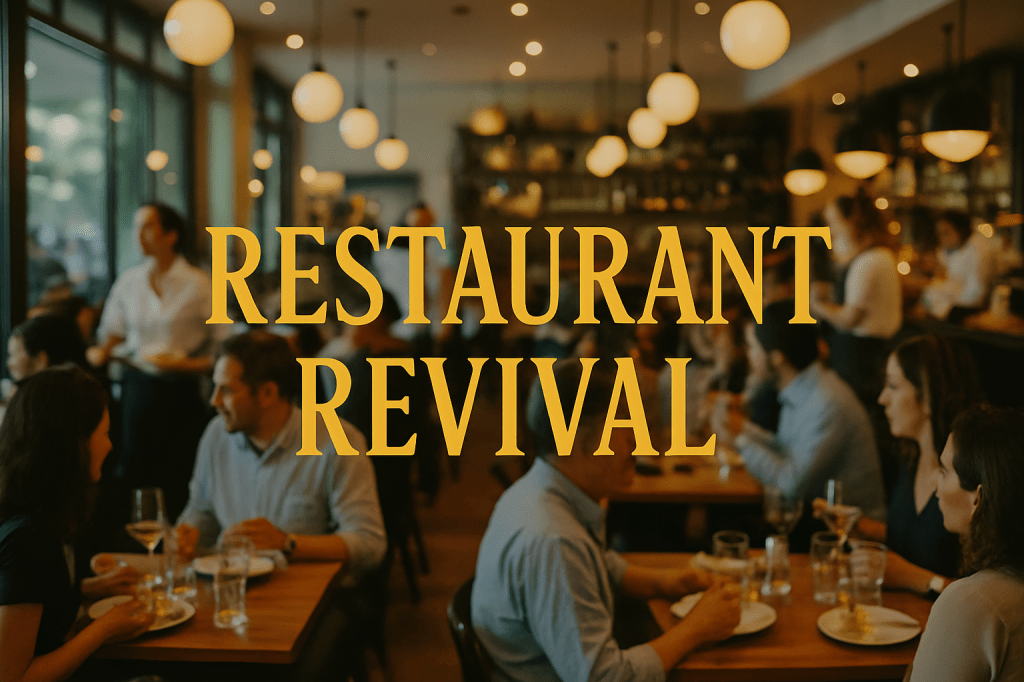
A year ago, I published a four-part series focused on reviving underperforming restaurants. Designed as a practical guide for independent restaurant owners, each installment offered actionable strategies and valuable insights to help overcome operational setbacks, competitive pressures, and shifting market dynamics. It’s a great time to revisit and share this series once again.
Back to Basics: Strategies for Independent Restaurants: This edition underscores the importance of returning to the foundational principles of hospitality, including personal touch, community involvement, and a commitment to quality and innovation. It emphasizes the need for restaurant owners to be the face of their businesses, engage with their communities, and maintain high standards in every aspect of their operations. The message is clear: thriving in a competitive market requires a personal connection with customers and a recommitment to the core values of the restaurant. Read the first edition at https://acceler8successcafe.com/2024/02/19/back-to-basics-strategies-for-independent-restaurants/
Revive an Underperforming Restaurant: A Strategic Guide: Building on the initial edition, this part focuses on the necessity of strategic reflection and engagement during times of operational stress. It advises owners to reflect on past successes, engage with key stakeholders for constructive critique, and develop a revised business plan with short-term goals. This segment highlights the importance of soliciting feedback, reevaluating practices, and taking strategic actions to renew the restaurant’s commitment to excellence, enhancing its appeal and marketability. Read the second edition at https://acceler8successcafe.com/2024/02/20/revive-an-underperforming-restaurant-a-strategic-guide/
Marketing Strategy: An Important Plan for Restaurant Recovery: This edition outlines a comprehensive marketing strategy encompassing social media, public relations, and an innovative rewards program, combined with a strong online presence. It details the importance of generating excitement through menu overhauls, themed dining events, and a robust online presence to attract new clientele and reengage former guests. The piece stresses the significance of SEO, active social media engagement, and positive local media coverage in reshaping the restaurant’s narrative and fostering customer loyalty. Read the third edition at https://acceler8successcafe.com/2024/02/21/marketing-strategy-an-important-plan-for-restaurant-recovery/
Building a Positive Culture in Underperforming Restaurants: The final edition of the series dives into change management, focusing on the human aspect of the business—its staff—and the importance of cultivating a culture of transparency, open communication, and teamwork. It outlines strategies for creating a team environment where collaboration and innovation are encouraged, aiming to create positively memorable customer experiences through excellent service. This segment underscores the pivotal role of leadership in fostering an environment where staff feel valued and empowered to contribute to the restaurant’s success. Read the fourth edition at https://acceler8successcafe.com/2024/02/22/building-a-positive-culture-in-underperforming-restaurants/
Together, these articles offer a holistic approach to reviving underperforming restaurants. They combine practical advice on operations, marketing, and staff management with strategic insights into maintaining authenticity, engaging with the community, and leveraging personal connections to create a unique dining experience. This approach not only aims to address immediate challenges but also sets a foundation for sustainable growth and success in the highly competitive restaurant industry.
Make today a great day. Make it happen. Make it count!
About the Author
Paul Segreto brings over four decades of hands-on experience in franchising, restaurants, and small business development. A passionate advocate for entrepreneurship, Paul has guided countless individuals on their journey to success, whether they are established entrepreneurs or just beginning to explore the path of business ownership.
Named one of the Top 100 Global Franchise and Small Business Influencers, Paul is also the voice behind the Acceler8Success Cafe, a daily content platform where thousands of entrepreneurs gain insight and motivation. A lifelong advocate for ethical growth and brand integrity, Paul continues to coach founders, franchise leaders, and entrepreneurial families, helping them find clarity in chaos and long-term success through intentional leadership.
Ready to take your next step in business or looking for expert insight to overcome today’s challenges? Reach out directly to Paul at paul@acceler8success.com — your path to success may be one conversation away.
About Acceler8Success Group
Acceler8Success Group is a multifaceted business advisory platform committed to empowering entrepreneurs, small business owners, franchise professionals, and industry leaders through strategic consulting, coaching, and curated content.
With a strong focus on entrepreneurship, franchising, restaurants, and small business growth, Acceler8Success Group delivers actionable insights and real-world strategies across its suite of brands, including the following:
By blending deep industry expertise with a dynamic content ecosystem, Acceler8Success Group fosters sustainable success and responsible leadership for today’s innovators and tomorrow’s legacy builders.
In an age dominated by digital convenience and brand saturation, one truth has reemerged as a driving force in consumer behavior: people crave connection. Not just a transaction, not just a product, but a relationship—with a business, a face, a neighbor. This is the essence of hyperlocal marketing, and it’s rapidly reshaping the way both independent businesses and franchise brands operate in communities across the country.
More than ever, consumers want, command, and even demand transparency. They want to know who they’re buying from, not just what they’re buying. They seek businesses with values, personality, and roots in their local community. And they’re showing with their wallets that trust in a local business owner—someone they can shake hands with, recognize, and relate to—is worth more than slick branding alone.
This is the new face of marketing. This is the rise of hyperlocal.
More Than a Logo: The Business Owner as the Brand
Regardless of whether the business is a boutique retailer or a fast-casual restaurant, whether it’s an independent startup or part of a national franchise system, the face behind the business now matters more than ever. Today’s consumer doesn’t just want a good burger—they want to know who’s flipping it. They don’t just want a haircut—they want to support the person who sponsors their kid’s Little League team or lives down the block.
This is where hyperlocal marketing shines. It places the spotlight not just on products and services, but on people. The strategy is rooted in authenticity, trust, and presence. It requires business owners to step out from behind the counter, so to speak, and show up—in the store, at community events, on local social media platforms, and in the lives of their customers.
Independent or Franchise: It Still Comes Down to People
Even in franchising—often thought of as the domain of uniformity and corporate polish—there’s a human story. In many neighborhoods, franchise locations are run by local families, couples, and entrepreneurs investing their savings and sweat equity to bring a trusted brand to their town. The most successful of these franchisees understand that their competitive advantage lies not just in the brand name on the sign, but in the reputation they build in the community.
When customers walk into a franchise location and the owner is there to greet them by name, ask about their family, or remember their regular order, it feels like more than a transaction—it becomes a relationship. And that’s what drives repeat visits, positive word of mouth, and long-term loyalty.
Restaurants as the New Cheers
This is especially evident in the restaurant industry. Today’s top-performing restaurants are more than places to eat—they’re places where people feel seen. In a world that often feels impersonal, being recognized and remembered makes a difference. When a restaurant operator knows a customer’s name, their usual drink, or asks how their week is going, it creates a comfort and familiarity that is hard to replicate.
It’s no wonder that consumers are willing to return more frequently to businesses where they feel known. They’re not just loyal to the product—they’re loyal to people. It’s reminiscent of the old sitcom Cheers, where “everybody knows your name”—only now, it’s happening in your neighborhood deli, coffee shop, or local franchise eatery.
What Hyperlocal Marketing Looks Like Today
Hyperlocal marketing isn’t just about hanging a sign in the window or dropping flyers in a few mailboxes. It’s about deeply embedding the business into the life of the community. It includes strategies such as:
Leveraging community-focused social media content, spotlighting customers, local stories, and team members
Participating in or sponsoring local events, school fundraisers, or town cleanups
Featuring the owner or operator in marketing materials as the face of the business
Creating loyalty programs tailored to local habits and preferences
Engaging directly in neighborhood Facebook groups or local online forums
Offering personalized service that encourages staff to build rapport with regulars
This approach takes effort. It requires showing up consistently and genuinely. But the return on that investment is long-term relevance and trust that no amount of traditional advertising can buy.
Community Is the New Currency
Consumers are clearly choosing community over convenience when given the choice. They’re actively seeking out businesses that contribute to the local fabric, that understand their customers not as data points but as people, and that operate with heart. In return, they’re rewarding those businesses with repeat visits, referrals, and loyalty that can last generations.
The businesses that understand this shift—and embrace it—are not just surviving. They’re becoming pillars of their communities, places where people gather, share, celebrate, and return again and again.
So whether you’re running an independent corner café or operating a franchise location under a national banner, the path to sustainable success is the same: be visible, be genuine, be present. Make your business the kind of place where everyone knows your name—and you’ll never have to worry about filling seats or keeping your doors open.
This is hyperlocal. This is connection. This is the future of business.
Make today a great day. Make it happen. Make it count!
About the Author
Paul Segreto brings over four decades of hands-on experience in franchising, restaurants, and small business development. A passionate advocate for entrepreneurship, Paul has guided countless individuals on their journey to success, whether they are established entrepreneurs or just beginning to explore the path of business ownership.
Named one of the Top 100 Global Franchise and Small Business Influencers, Paul is also the voice behind the Acceler8Success Cafe, a daily content platform where thousands of entrepreneurs gain insight and motivation. A lifelong advocate for ethical growth and brand integrity, Paul continues to coach founders, franchise leaders, and entrepreneurial families, helping them find clarity in chaos and long-term success through intentional leadership.
Ready to take your next step in business or looking for expert insight to overcome today’s challenges? Reach out directly to Paul at paul@acceler8success.com — your path to success may be one conversation away.
About Acceler8Success Group
Acceler8Success Group is a multifaceted business advisory platform committed to empowering entrepreneurs, small business owners, franchise professionals, and industry leaders through strategic consulting, coaching, and curated content.
With a strong focus on entrepreneurship, franchising, restaurants, and small business growth, Acceler8Success Group delivers actionable insights and real-world strategies across its suite of brands, including the following:
By blending deep industry expertise with a dynamic content ecosystem, Acceler8Success Group fosters sustainable success and responsible leadership for today’s innovators and tomorrow’s legacy builders.
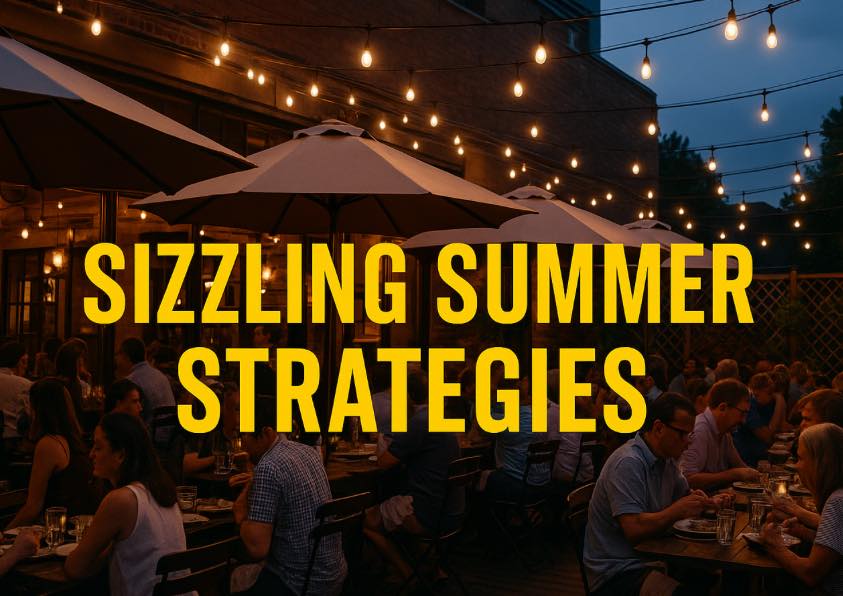
As May progresses, graduation festivities will wind down, Memorial Day and Independence Day weekends will spark the start of summer, and your regular customer base will begin to disperse with vacations in full swing. For many restaurants, this season can mean inconsistent foot traffic, lower weekday sales, and a general dip in revenue. But with proactive planning and creative strategies, summer doesn’t have to be a slow season—it can be a launchpad for innovation, engagement, and profitability.
Here’s how restaurants can not only survive but thrive through the summer months:
1. Embrace the Summer Mindset with Seasonal Menu Specials Light, fresh, and local—those are the flavors of summer. Create limited-time seasonal menus featuring fresh produce, summer seafood, and cold, refreshing beverages. Think street corn salads, grilled peaches, citrus-marinated proteins, cold pasta dishes, and fruity mocktails or cocktails. Highlight these as “Summer Exclusives” and change them up monthly to build urgency and repeat visits.
2. Introduce Summer-Only Promotions and Loyalty Incentives Keep guests engaged with summer-exclusive offers like “Sunset Specials” (happy hour timing), “Cool Down Combos” (meal & drink bundles), or “Bring the Kids Wednesdays” (kids eat free or discounted). Launch a punch-card style loyalty campaign or digital app rewards with milestones redeemable through August. This encourages repeat visits during slower periods.
3. Maximize Outdoor Dining & Create Experience-Driven Spaces If you have a patio or sidewalk space, this is your moment. Elevate the experience with umbrellas, fans, music, string lighting, or even live entertainment. Pop-up outdoor bars, “grill nights,” or patio games (like cornhole or giant Jenga) make your restaurant a destination, not just a place to eat. Promote these through social media to drive FOMO.
4. Partner with Local Events & Attractions Tap into the local summer calendar. Whether it’s farmers’ markets, art walks, concerts in the park, or sports tournaments, find ways to cross-promote or collaborate. Offer event-themed menu items, discounts for attendees, or even sponsor a hydration station or food booth. Visibility and relevance will drive traffic.
5. Boost Your Catering & Group Sales for Gatherings Graduation parties may be winding down, but family reunions, company picnics, and backyard celebrations are just beginning. Push catering packages, party trays, and delivery services. Make it easy for planners with pre-set menus and clear pricing. Consider small group bundles for lake house weekends or Airbnb guests.
6. Launch Summer-Themed Content & Email Marketing Campaigns Get creative with content. Highlight behind-the-scenes summer prep, feature team favorites from your summer menu, or share staff vacation plans to humanize your brand. Use email and SMS campaigns to tease summer deals, announce events, and reward loyal customers with secret specials.
7. Focus on Tourists and Out-of-Towners With locals traveling, many markets see a rise in tourists. Optimize your Google listing, Yelp, and TripAdvisor profiles. Encourage reviews, update summer hours, and post current photos. Offer printed “local guide” cards with recommendations from your staff and incentives for repeat visits during the same trip.
8. Run a Local Business Outreach Campaign Office and corporate orders may dip, but local businesses still need food—especially those not fully remote. Offer “Summer Survival” packages or catering options for staff lunches. A little outreach goes a long way to remind them you’re available and can help boost morale in their office.
9. Engage Staff and Adjust Labor Strategically Summer staffing can be tricky. Review sales trends to avoid overstaffing, especially midweek. Cross-train employees and consider shorter shifts to manage costs. At the same time, use the slower pace to reinforce training, test new menu items, or launch small improvement projects that are hard to manage during peak seasons.
10. Prepare for the Back-to-School & Fall Push Now While it may seem early, summer is the perfect time to plan marketing campaigns for back-to-school, football season, and Q4 events. Lay the groundwork for strong momentum by refreshing branding, updating menus, and exploring partnerships you can activate in September.
One More Thing Summer doesn’t have to be a period of loss or stagnation. With the right mindset, restaurants can turn this season into a period of experimentation, brand building, and strategic growth. Whether it’s through seasonal flavors, creative engagement, or local partnerships, the key is to stay visible, flexible, and proactive.
The restaurants that plan ahead, stay connected with their community, and lean into the rhythms of summer are the ones that won’t just make it through the heat—they’ll rise above it.
Make today a great day. Make it happen. Make it count!
About the Author
Paul Segreto brings over four decades of hands-on experience in franchising, restaurants, and small business development. A passionate advocate for entrepreneurship, Paul has guided countless individuals on their journey to success, whether they are established entrepreneurs or just beginning to explore the path of business ownership.
Named one of the Top 100 Global Franchise and Small Business Influencers, Paul is also the voice behind the Acceler8Success Cafe, a daily content platform where thousands of entrepreneurs gain insight and motivation. A lifelong advocate for ethical growth and brand integrity, Paul continues to coach founders, franchise leaders, and entrepreneurial families, helping them find clarity in chaos and long-term success through intentional leadership.
Ready to take your next step in business or looking for expert insight to overcome today’s challenges? Reach out directly to Paul at paul@acceler8success.com — your path to success may be one conversation away.
About Acceler8Success Group
Acceler8Success Group is a multifaceted business advisory platform committed to empowering entrepreneurs, small business owners, franchise professionals, and industry leaders through strategic consulting, coaching, and curated content. With a strong focus on entrepreneurship, franchising, restaurants, and small business growth, Acceler8Success Group delivers actionable insights and real-world strategies across its suite of brands, including Acceler8Success, FranchiseReclaim, OwnABizness.com, Accelerate Success Coaching, Your Entrepreneurial Success, and relaunching soon, Franchise Foundry. By blending deep industry expertise with a dynamic content ecosystem, Acceler8Success Group fosters sustainable success and responsible leadership for today’s innovators and tomorrow’s legacy builders.





You must be logged in to post a comment.