Acceler8Success Cafe’s popular Question of the Week has now moved to Wednesdays, starting today! This change comes in response to valuable suggestions aimed at fostering greater interaction, deeper insights, and diverse perspectives. Many have expressed that reading responses from different angles has been especially valuable, particularly as they’ve shared them with others in their organization, and felt more interaction would create a wider playing field and a better indication of a middle point.
The Narrative
A growing number of employers are reestablishing clear expectations around accountability, work structures, and in-office collaboration. Yet, despite this push, resistance is evident—whether through open pushback or more discreet discontent. Employees who may otherwise be satisfied with their jobs are quietly exploring other opportunities, engaging in workplace conversations that hint at dissatisfaction, or simply resisting directives that challenge their newfound flexibility.
But what is so controversial about expecting employees to perform efficiently, be evaluated on their results, and work as part of a centralized team when that was the original expectation upon hiring? What is wrong with an employer expecting employees to strive for optimal performance—especially when rewards such as promotions and career growth are clearly outlined? At its core, this expectation isn’t new. It’s the work ethic that once defined success in the American workforce.
Over the past few years, we’ve seen a cultural shift in the workplace, one that questions long-standing business norms. The pandemic accelerated remote work, individual flexibility, and a redefinition of work-life balance. But as companies attempt to return to more structured environments, it raises a pivotal question: has this shift made work better, or has it blurred the lines of accountability and productivity?
Interestingly, amid these changes, we’ve also seen a diversification of the workforce. Immigrant workers, often known for their strong work ethic and appreciation for stability, are filling gaps in industries struggling with retention. Could it be that these workers—who value the opportunity to earn, grow, and contribute—are now becoming the backbone of certain industries, while others hesitate to embrace traditional workplace expectations? And does this challenge the long-held narrative of immigrants “taking” American jobs, when in reality, they are filling roles that demand reliability and hard work?
The Question
Should there be a shift back to the way work was before the pandemic, or is the path we’re on now the new normal?
The Additional Questions to Consider
Are we moving toward a workforce driven by flexibility and autonomy at the cost of efficiency and accountability? Or should businesses hold firm on expectations of performance, structure, and in-person collaboration?
Has workplace culture evolved for the better, or is it time to reset and refocus on the fundamentals of work ethic and accountability?
Let’s hear your thoughts. Please submit in the comments section or send to Paul Segreto at paul@acceler8success.com. Thank you!
About Acceler8Success Group
Acceler8Success Group empowers entrepreneurs and business leaders with personalized coaching, strategic guidance, and a results-driven approach. Whether launching, scaling, or optimizing a business, we provide the tools, mentorship, and resources to drive long-term success.
Recent discussions have focused on key elements necessary for restaurants to thrive in today’s competitive market including customer experience, culture, loyalty, menu innovation, streamlined operations, and community outreach. These are all essential. But one critical factor often overlooked is the role of the restaurant owner.
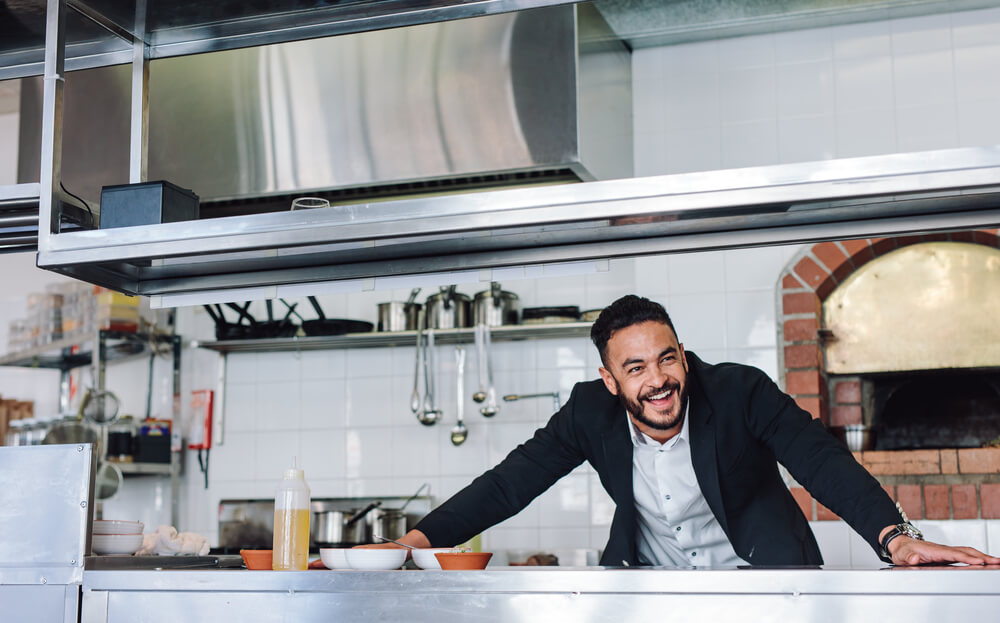
Now more than ever personal branding must be a priority. A restaurant may have a great reputation but when the owner is actively engaged, visible, and recognized it elevates the entire brand. The owner should be known not just as a behind-the-scenes operator but as a local personality, a trusted face, and a key figure in the community.
Even a franchise location has an owner who can be visible. Many customers do not realize that franchise restaurants are often locally owned. A hands-on franchisee who interacts with the community builds strong customer relationships just as much as an independent restaurant owner would.
Being seen and known as a restaurant owner offers multiple benefits
People Do Business with Those They Know and Trust: Customers naturally gravitate toward familiarity. When they recognize the owner they feel a sense of connection. Seeing an owner actively involved in the business whether greeting guests, engaging in local events, or even sharing updates on social media instills trust and makes customers more likely to return.
Becoming the Go To Restaurant Owner: A well-branded owner becomes a local influencer in their own right. They become the person people think of when they crave a meal or need a recommendation. Whether it is a casual lunch spot or a fine dining establishment being the face of the brand creates a strong personal connection that drives traffic and referrals.
Strengthening Customer Loyalty and Repeat Business: Customers appreciate a personal touch. When they feel like they know the owner it strengthens their attachment to the restaurant. A simple greeting, remembering a regular’s order, or taking time for a brief chat can turn an occasional visitor into a lifelong guest.
Amplifying Community Presence: Community involvement matters. Attending local events, supporting fundraisers, or even just being present in the neighborhood fosters goodwill. A restaurant that is tightly woven into the community fabric enjoys stronger word of mouth marketing and greater customer advocacy.
Creating a Brand Story That Resonates: A restaurant’s brand is more than its menu. It is the story behind it. When the owner is visible and vocal about their passion, vision, and values it enhances the emotional connection customers have with the business. People love to support a story not just a business.
Elevating Social Media Impact: In today’s digital world personal branding extends beyond in-person interactions. An active presence on social media by sharing behind the scenes content, engaging with followers, and showcasing the human side of the business drives engagement and keeps the restaurant top of mind.
The restaurant industry is competitive and great food alone is not enough. A strong personal brand enhances credibility, builds trust, and turns customers into loyal advocates. The more visible the owner the stronger the connection and the greater the business success. It is time for restaurant owners to step out from behind the scenes and become the face of their brand.
Make today a great day. Make it happen. Make it count!
About the Author
With more than 40 years of experience in small business, restaurant, and franchise management, marketing, and development, Paul Segreto is a respected expert in the entrepreneurial world, dedicated to helping others achieve success. Whether you’re an aspiring or current entrepreneur in need of guidance, support, or simply a conversation, you can connect with Paul at paul@acceler8success.com.
About Acceler8Success Group
Acceler8Success Group empowers entrepreneurs and business leaders with personalized coaching, strategic guidance, and a results-driven approach. Whether launching, scaling, or optimizing a business, we provide the tools, mentorship, and resources to drive long-term success.
A recent article at Acceler8Success Cafe, Surviving the Restaurant Industry Shakeup: Why Customer Experience and Marketing Matter More Than Ever, explored the challenges facing restaurant operators today. It emphasized how customer experience and marketing are more crucial than ever in a highly competitive and rapidly evolving industry. While these elements are critical, a seasoned industry professional recently shared that success ultimately comes down to strong operations. A well-run restaurant that prioritizes attention to detail, efficiency, and proactive problem-solving is far more likely to stand the test of time.
This article builds on those insights by exploring the importance of staying ahead of customer needs and expectations. It is not enough to react to issues as they arise. Instead, restaurant operators must anticipate customer desires, address concerns before they become problems, and create a culture where staff takes ownership of the entire guest experience.
The effort to stay ahead does not just improve daily operations. It can position a restaurant for long-term growth, even expansion. By focusing on the right strategies, an operator who once believed expansion to a second location was impossible may find the opportunity to take over a second generation restaurant space. This creates a pathway for sustainable growth with lower upfront costs than building a restaurant from the ground up.
Elevating the Customer Experience
We would be neglecting a key factor if we did not emphasize the customer experience once again. After all, the restaurant industry has always been about more than just food. It is about delivering a complete experience. Customers today have high expectations and seek consistency, quality, and hospitality. To stay ahead, operators must focus on several key areas.
Personalized service makes a significant impact. Knowing regular customers, remembering their preferences, and offering a tailored experience creates a strong connection. A simple greeting by name or recalling a favorite dish can turn a guest into a loyal patron. Speed and convenience are also essential. Whether dining in, ordering takeout, or requesting delivery, customers expect efficiency. Streamlining operations to reduce wait times, optimizing online ordering, and ensuring seamless pickup and delivery services are crucial.
Anticipating guest needs elevates the experience even further. Staff should be trained to recognize when a guest needs a refill, requires assistance with the menu, or is waiting for a check. A proactive approach makes the difference between a good and an exceptional experience. Creating a warm and inviting atmosphere also plays a key role. Lighting, music, cleanliness, and décor should align with the restaurant brand and make customers feel comfortable and welcome.
Keeping the Menu Fresh and Relevant
A restaurant that refuses to evolve will quickly lose its appeal. Keeping the menu dynamic while maintaining core favorites is essential. This requires analyzing customer preferences by tracking best-selling dishes, seasonal trends, and feedback to determine what customers want more of and what can be phased out.
Introducing limited-time offers generates excitement and encourages return visits. Seasonal items, chef specials, and exclusive dishes create a sense of urgency. Customers enjoy discovering new flavors while still having access to familiar favorites. Quality and innovation are equally important. Modern diners seek fresh, high-quality ingredients, global flavors, and creative dishes. Even minor tweaks to existing menu items can generate renewed interest.
Dietary trends should also be taken into account. Offering plant-based, gluten-free, and healthier options ensures the menu appeals to a broad audience. A diverse menu caters to different tastes and dietary needs, making the restaurant more accessible to a wider customer base.
Promoting Value Without Compromising Perception
In an era of rising costs, customers are looking for value, but that does not necessarily mean the cheapest option. Value is about delivering a quality experience at a fair price. Value-driven promotions such as combo meals, loyalty programs, happy hour specials, and bundled deals encourage spending while giving customers a sense of getting more for their money.
Highlighting house specials is another way to enhance perceived value. Customers trust restaurant recommendations. Positioning high-margin, customer-favorite dishes as chef’s picks or must-tries makes them more appealing.
Leveraging upselling tactics can also contribute to profitability. Well-trained staff can recommend premium add-ons, drinks, or desserts in a way that enhances the dining experience rather than feeling forced. When done correctly, upselling benefits both the customer and the business.
Creating a Culture Where Staff Takes Ownership of Customer Care
A restaurant’s success depends on the motivation and attitude of its team. If staff members feel valued and engaged, they will naturally extend that energy to guests. Empowering employees is an effective way to improve service. Allowing staff the autonomy to make small customer service decisions, such as offering a complimentary dessert for a special occasion, helps build positive customer relationships.
Recognizing and rewarding excellence reinforces a culture of care. Acknowledging team members who go above and beyond in delivering great service creates a sense of pride and motivation. Training for hospitality, not just service, also plays a key role. Exceptional service goes beyond taking orders. It involves genuine engagement, making guests feel valued and appreciated.
Fostering team camaraderie leads to a more positive work environment, which in turn translates to better service. Encouraging team-building activities and creating a workplace culture where employees feel like they are part of something meaningful contributes to overall success.
Staying Ahead of Physical and Operational Issues
A restaurant’s physical environment should be as carefully managed as its customer service. Guests notice every detail, from the cleanliness of the dining area to the condition of the restrooms. Conducting regular maintenance checks ensures that small issues are addressed before they become bigger problems. Kitchen equipment, HVAC systems, and restrooms should always be in top shape.
Auditing the restaurant from a guest’s perspective can reveal problem areas. Walking through the restaurant as if you were a customer can help identify worn furniture, flickering lights, smudged windows, or other aesthetic concerns that need attention. Prioritizing cleanliness is essential. Guests equate cleanliness with quality, and ensuring that floors, tables, restrooms, and even exterior areas are spotless at all times is non-negotiable.
Managing traffic flow and seating efficiency can also improve the customer experience. Paying attention to how guests move through the space can reveal areas that need improvement. If guests are bumping into chairs or if the host stand is frequently congested, small adjustments can greatly improve comfort and efficiency.
Leveraging Technology to Stay a Step Ahead
Restaurants that embrace technology gain a competitive edge. AI and data analytics can be used to predict demand, optimize labor schedules, and personalize marketing efforts. Contactless ordering and payment options such as mobile apps, QR codes, and digital kiosks enhance convenience and speed.
Social media engagement is another critical component. Staying connected with customers by actively posting updates, responding to reviews, and leveraging influencer partnerships helps maintain visibility. Feedback systems should also be in place to make it easy for customers to leave reviews and for management to address concerns in real time.
The Bigger Picture: Expansion Becomes Possible
By mastering these principles and consistently staying ahead of customer needs, restaurant operators may find themselves in a position to expand. Strong operations, loyal customers, and financial stability can open doors to new opportunities.
Second generation restaurant spaces, locations where a previous restaurant has closed but still has a functional kitchen and dining area, offer an ideal path to expansion. These locations can often be acquired at a fraction of the cost of a new build. With minimal modifications, a thriving restaurant can duplicate its success and scale operations.
What was once thought to be beyond reach can become a reality. A well-run restaurant that stands out in service, food quality, and operational excellence creates opportunities beyond survival. It becomes a brand that customers trust and one that can grow successfully into multiple locations.
The Bottom Line: Attention to Detail Leads to Long-Term Success
As many restaurants are facing challenges, staying ahead demands vigilance, adaptability, and an unwavering commitment to excellence. Success comes from anticipating customer needs before they arise, continuously refining every aspect of the operation, and ensuring that every detail—from the food to the service to the overall dining environment—is executed to perfection.
Restaurants that embrace this proactive approach will not only navigate the industry’s challenges but will set themselves apart as market leaders. They will become go-to destinations that customers trust and return to repeatedly. By staying ahead, restaurant operators go beyond serving meals—they create exceptional experiences that build long-term loyalty and drive sustainable success.
While customer focus and marketing are essential, they must be complemented by operational precision. Exceeding expectations and maintaining a competitive edge requires meticulous attention to every detail, ensuring that customer needs are not only met but consistently surpassed.
Make today a great day. Make it happen. Make it count!
About the Author
With more than 40 years of experience in small business, restaurant, and franchise management, marketing, and development, Paul Segreto is a respected expert in the entrepreneurial world, dedicated to helping others achieve success. Whether you’re an aspiring or current entrepreneur in need of guidance, support, or simply a conversation, you can connect with Paul at paul@acceler8success.com.
About Acceler8Success Group
Acceler8Success Group empowers entrepreneurs and business leaders with personalized coaching, strategic guidance, and a results-driven approach. Whether launching, scaling, or optimizing a business, we provide the tools, mentorship, and resources to drive long-term success.
Success in the corporate world requires sharp decision making, strong leadership, and a deep understanding of industry dynamics. However, transitioning from an executive role to owning a small business and then evolving into a true entrepreneur demands a fundamental shift in mindset that many never fully make. Some individuals remain small business owners, comfortable with their level of operational control, but never truly embrace the uncertainty and risk taking that define entrepreneurship. Understanding the distinctions among these three roles is critical for those who aspire to break free from the safety net and step into the boundless and often unpredictable world of entrepreneurship.
The Corporate Executive Mindset Structure and Control
Executives operate within a well defined system. They have clear objectives, set responsibilities, and layers of support whether from direct reports, fellow leadership, or corporate resources. Success is measured by performance metrics, shareholder value, and the ability to execute strategies within an established framework.
Executives are decision makers, but those decisions are made within predefined constraints. Risk is calculated, and failure, while possible, is rarely existential to their personal livelihoods. Compensation is stable, and while leadership is required, a safety net exists in the form of company infrastructure, teams, and financial security.
For an executive, the transition to small business ownership might seem like an extension of their leadership experience, but the reality is far more complex.
The Small Business Owner Mindset Hands On and Operational
The move from corporate executive to small business owner is often accompanied by the desire for more control, financial independence, and personal fulfillment. However, small business ownership presents an entirely different set of challenges.
Execution Over Strategy – Unlike in a corporate setting where teams handle execution, small business owners must be involved in nearly every aspect of operations. The focus shifts from strategy to hands on management overseeing employees, handling customer interactions, managing cash flow, and dealing with day to day issues.
Limited Resources – Corporate leaders are accustomed to robust budgets, teams, and support systems. A small business owner, however, must navigate limited capital, wear multiple hats, and operate with fewer resources. The level of self reliance required is often overwhelming.
Risk Without a Safety Net – The most jarring reality for former executives is that small business ownership exposes them to direct financial risk. There is no cushion of a corporate salary, stock options, or bonuses. If the business struggles, personal finances, reputation, and livelihood are all at stake.
Operational Grind – Many small business owners never transition beyond the daily grind. They work in the business rather than on the business. Growth is often limited by the owner’s ability to delegate, automate, or scale.
This is where the distinction between small business owner and entrepreneur becomes clear. Some stop at small business ownership because it offers stability, control, and familiarity. However, to move beyond small business ownership and truly embrace entrepreneurship, one must let go of control and step into an entirely new way of thinking.
The Entrepreneurial Mindset Risk Vision and Scaling
Entrepreneurship is not simply owning a business. It is a mindset and a way of operating that is fundamentally different from being a small business owner. Entrepreneurs do not just manage operations, they build, innovate, and scale businesses beyond themselves.
Comfort with Uncertainty – Unlike small business owners who focus on sustaining a single entity, entrepreneurs embrace uncertainty. They take calculated risks to scale businesses, enter new markets, or disrupt industries. This means relinquishing the need for stability in exchange for exponential potential.
Delegation and Systemization – Entrepreneurs are not trapped in the day to day operations of a business. They build systems, hire the right people, and create a structure that allows the business to grow without their constant oversight. This shift requires trust, vision, and the ability to let go.
Scalability and Expansion – Small business owners think in terms of maintaining and surviving, while entrepreneurs think in terms of scaling and multiplying. Whether through franchising, licensing, technology integration, or partnerships, entrepreneurs seek to expand their reach and impact.
Innovation and Market Disruption – Entrepreneurs do not just fill an existing need, they look for opportunities to change the game. They focus on what is next, whether it is new technology, emerging consumer trends, or industry inefficiencies that they can turn into competitive advantages.
Failure as a Learning Tool – Corporate executives and small business owners often avoid failure at all costs. Entrepreneurs understand that failure is a natural part of the journey. Each setback provides valuable insight that fuels the next opportunity.
Why Some Never Make the Full Transition
Many individuals make the leap from executive to small business owner but never fully embrace entrepreneurship. Why does this happen?
The Comfort of Control – After leaving a structured corporate role, many find comfort in small business ownership because it still allows for control. Entrepreneurs, on the other hand, must delegate and empower others, which requires letting go.
Fear of Risk – The entrepreneurial journey is filled with uncertainty. Many former executives and small business owners fear the idea of scaling beyond what they can personally manage. They prioritize security over opportunity.
Mindset Stagnation – The most difficult shift is not in actions but in mindset. Moving from small business ownership to entrepreneurship requires a willingness to think differently, to stop operating and start envisioning long term impact.
Lack of Financial Strategy – Scaling a business requires financial acumen beyond operational management. Entrepreneurs must raise capital, secure funding, and make strategic investments in growth, something many small business owners are hesitant to do.
Making the Transition How to Break Free and Become an Entrepreneur
If you are a former executive who has moved into small business ownership and aspire to make the leap into true entrepreneurship, here are key steps to guide your transition
Shift from Working In to Working On the Business – Document systems, delegate tasks, and focus on strategy rather than daily operations.
Adopt a Growth Mindset – Always look for opportunities to scale. Can your business expand to multiple locations Can it be franchised Can it integrate technology for broader reach
Learn to Accept Risk – Risk taking is an inherent part of entrepreneurship. The key is learning how to take calculated risks rather than avoiding them altogether.
Network and Surround Yourself with Entrepreneurs – Being in the right environment is crucial. Surround yourself with entrepreneurs who push you to think bigger.
Think Like an Investor Not Just an Operator – Entrepreneurs are builders. Instead of just running a business, consider how you can build an asset that can be sold, licensed, or scaled beyond you.
Prioritize Innovation – Entrepreneurship is about solving problems in new ways. Continuously challenge your own assumptions and explore new opportunities for disruption.
Leverage Outside Capital – Growth often requires outside investment. Entrepreneurs master the art of securing capital, whether through venture funding, strategic partnerships, or reinvesting profits.
Conclusion Crossing the Final Threshold
The journey from corporate executive to small business owner to entrepreneur is a path of increasing risk, but also increasing freedom and potential. Many stop at small business ownership, never leaving behind the need for control and stability. But for those who truly make the leap into entrepreneurship, the rewards both personal and financial can be limitless.
True entrepreneurs are visionaries, builders, and risk takers. They step beyond the safety net, understanding that in order to create something truly great, they must be willing to embrace uncertainty, delegate responsibility, and think far beyond the day to day. The question is, are you ready to let go of the familiar and step into the unknown Because that is where entrepreneurship truly begins.
About Aspire Groups by Acceler8Success
Aspire Groups by Acceler8Success is a virtual community designed for aspiring entrepreneurs with a drive for success!
🤝 Connect with like-minded individuals 💡 Gain insights, share ideas, and ask questions ✨ Discover your strengths and unlock your future
Whether you’re dreaming of becoming your own boss or just starting to explore the world of entrepreneurship, these interactive sessions will inspire and guide you every step of the way.
📍 Limited to 6 participants per group 💻 Weekly virtual sessions – no financial obligation
💬 Ready to take the first step? Please contact Paul Segreto at paul@acceler8success.com for details.
Question of the Week:What is the most effective skill set for a CEO? Should they have the financial expertise of a CFO, the marketing mastery of a CMO, the operational efficiency of a COO, or the bold adaptability of an entrepreneur?
Examining the Ideal Skill Set for Leadership
The role of a CEO is one of the most demanding in business. It requires the ability to make high-stakes decisions, inspire a team, and balance short-term results with long-term strategy. But what background best prepares someone for this role?
Should a CEO be financially disciplined like a CFO, customer-focused like a CMO, process-driven like a COO, or should they embody the visionary risk-taking spirit of an entrepreneur?Each path brings distinct advantages and potential gaps. A CEO with a CFO’s expertise is well-versed in financial strategy, risk assessment, and capital allocation. They ensure profitability, manage cash flow effectively, and understand the intricacies of scaling a business while maintaining financial stability. However, their focus on numbers can sometimes lead to a more conservative approach, potentially limiting innovation and market expansion.
A CMO-turned-CEO brings deep knowledge of branding, marketing strategies, and consumer psychology. In a world where brand perception and customer experience drive success, this background can be a powerful asset. They excel at storytelling and demand generation, often leading growth through innovative campaigns. However, their biggest challenge may lie in balancing creativity with operational efficiency and financial sustainability.
The COO stepping into a CEO role understands internal systems, team dynamics, and organizational structure better than anyone. They thrive in execution, ensuring efficiency and effectiveness in day-to-day operations. Their structured approach to leadership allows them to scale businesses smoothly. However, they may struggle with the external-facing aspects of leadership, such as investor relations, big-picture vision, and market disruption.
Then, there’s the entrepreneur, someone who has built, scaled, and adapted their business through uncertainty. Entrepreneurs are known for their resilience, quick decision-making, and ability to see opportunities where others see obstacles. They are visionaries, often willing to take risks and embrace innovation. Yet, their preference for rapid movement and flexibility can sometimes clash with structured corporate environments, where processes and stability matter just as much as growth and innovation.
With these perspectives in mind, we ask you:
What skill set do you believe best prepares someone to lead an organization? Should a CEO have the financial expertise of a CFO, the marketing mastery of a CMO, the operational efficiency of a COO, or the dynamic adaptability of an entrepreneur? Or is the best leader one who blends multiple skill sets?
Share your thoughts in the comments. I’d love to hear your perspective!
About the Author
With more than 40 years of experience in small business, restaurant, and franchise management, marketing, and development, Paul Segreto is a respected expert in the entrepreneurial world, dedicated to helping others achieve success. Whether you’re an aspiring or current entrepreneur in need of guidance, support, or simply a conversation, you can connect with Paul at paul@acceler8success.com.
Creating the right culture in an organization is one of the most critical aspects of success. A strong, positive culture drives engagement, fosters collaboration, and ensures that every team member plays a meaningful role in achieving collective goals. But developing this kind of culture doesn’t happen by chance, it requires strategic thinking, adaptability, and a deep understanding of how individual strengths contribute to the greater whole.
One of the best ways to approach organizational culture is by thinking of each member of the team as a chess piece. Just as in chess, every team member possesses a unique skill set and a role that contributes to the team’s overall success. Some move with precision and strategy, others defend, and some serve as powerful game changers. The key to victory, whether in chess or business is recognizing the value of each piece, leveraging their strengths, and fostering an environment where they can thrive.
The Chessboard as a Metaphor for Organizational Culture
In chess, every piece has a distinct role and movement pattern. The game is not about a single piece dominating but rather about how all the pieces work together toward a common objective. The same applies to an organization where success is not about a single individual or department; it’s about synergy, teamwork, and strategy.
The King: Leadership and Vision The king may not be the most mobile or powerful piece on the board, but its survival is critical. In an organization, leadership must be protected, guided, and supported. While leaders provide vision and direction, they rely on the entire team to execute strategies and shield them from external threats. Strong leadership isn’t about dictating, it’s about empowering the team, recognizing potential, and making calculated moves that drive success.
The Queen: The Multi-Dimensional Player The queen is the most powerful piece on the board, able to move in multiple directions and adapt to any situation. In an organization, this could be an influential leader, an indispensable employee, or an innovator who brings dynamic problem-solving skills to the table. The queen represents flexibility, strategic thinking, and execution—key traits that drive growth and innovation.
The Rooks: Stability and Structure Rooks are dependable and strong, moving in straight lines across the board. These pieces symbolize the backbone of an organization—processes, systems, and infrastructure that keep everything running smoothly. In an organization, these could be managers, operational leads, or systems that maintain order and efficiency.
The Bishops: Visionaries and Strategists Bishops move diagonally across the board, representing the ability to see opportunities from unique angles. These are the visionaries and strategists within an organization, responsible for long-term planning, innovation, and guiding the organization through uncharted territory. They complement other team members by thinking ahead and ensuring the organization remains competitive.
The Knights: Agile Problem-Solvers Knights move in an L-shape, often jumping over obstacles that others cannot. In an organization, these are the problem-solvers, risk-takers, and disruptors who challenge the status quo. They bring creativity and unconventional thinking to the table, ensuring that the organization remains adaptable in an ever-changing landscape.
The Pawns: The Foundation of Success Pawns may seem small in comparison to other pieces, but they are the heart of the game. They represent the employees and team members who work hard every day, moving forward one step at a time. Pawns may not have the same level of authority or influence as other pieces, but they have the potential to transform into any piece when they reach the other side of the board, symbolizing growth, career development, and the power of perseverance.
Protecting Each Other: A Culture of Support and Collaboration
In chess, players don’t move pieces randomly. Every move is part of a greater strategy, and each piece has a responsibility to protect and support others. The same should be true in an organization. A strong culture is built when team members understand their roles and how they contribute to the bigger picture.
Collaboration Over Competition: Just as a knight may defend a bishop or a rook may shield the king, employees should work together, ensuring that no one is left vulnerable. Fostering collaboration rather than internal competition creates a culture where success is shared.
Adaptability in Strategy: A chess player must adapt their strategy based on the situation. Similarly, organizations must remain flexible, allowing employees to pivot when necessary while still maintaining alignment with overall goals.
Empowering Growth: Just as pawns have the potential to become queens, organizations should nurture talent and provide opportunities for growth. Investing in employees and offering paths for development ensures a culture of motivation and long-term success.
The Ultimate Lesson: The King and the Pawn Go into the Same Box
Regardless of the outcome of a chess game, whether won or lost, every piece ultimately ends up in the same box. This Italian proverb serves as a reminder that hierarchy and power are temporary. At the end of the day, leaders and employees alike share the same fate.
In an organization, titles, positions, and power dynamics should never overshadow the human element. A culture of respect, humility, and shared success is what truly defines an exceptional workplace. Whether a team member is at the top of the hierarchy or just starting their journey, their contributions matter.
Building the Right Culture with a Chess Mindset
When organizations adopt a chess-like approach to culture, they lay a strong foundation for sustainable success. Recognizing each team member’s unique strengths, fostering collaboration, and ensuring a shared sense of purpose create an environment where everyone thrives.
By embracing the mindset that every piece plays a vital role and that, in the end, everyone is equal in importance, organizations can create a culture of unity, resilience, and long-term success. A well-played game of chess, just like a well-run organization, is about strategy, foresight, and, most importantly, the strength of the team.
Make today a great day. Make it happen. Make it count!
About the Author
With more than 40 years of experience in small business, restaurant, and franchise management, marketing, and development, Paul Segreto is a respected expert in the entrepreneurial world, dedicated to helping others achieve success. Whether you’re an aspiring or current entrepreneur in need of guidance, support, or simply a conversation, you can connect with Paul at paul@acceler8success.com.
About Acceler8Success Group
Acceler8Success Group empowers entrepreneurs and business leaders with personalized coaching, strategic guidance, and a results-driven approach. Whether launching, scaling, or optimizing a business, we provide the tools, mentorship, and resources to drive long-term success.
Franchising is often seen as the ultimate growth strategy. The idea of turning your brand into a nationwide—or even global—success story is enticing. But franchising is not for every business, and it’s certainly not for every business right now. Many entrepreneurs jump into franchising too early, only to realize too late that they weren’t ready. Others fail to recognize red flags that should have stopped them before they even started.
Before you invest in legal documents, marketing materials, and franchise recruitment, take an honest look at your business, your mindset, and the realities of franchising. The goal is not to discourage you from franchising but to ensure you have the right foundation to make it a long-term success.
If you recognize any of the following in your business, franchising is not the right step—yet. Use these as roadblocks to address before moving forward. And if your timeline shifts months or even years into the future, that’s okay. The vision doesn’t die; it just gets stronger with better preparation.
1. Your Business Isn’t Profitable Enough
If your existing business isn’t consistently profitable, franchising will only amplify your problems. Franchisees buy into a proven system, not an experiment. If you don’t have strong unit economics—solid revenue, sustainable profit margins, and a clear path to return on investment—why would someone else want to replicate your model?
Red Flags:
Your business struggles with cash flow and profitability month to month.
You’re not able to pay yourself a fair salary without stress.
You can’t confidently say how much profit a franchisee could make.
What to Do Instead:
Focus on improving your financials.
Optimize costs and pricing strategies.
Open additional company-owned locations to test scalability before franchising.
2. You Are the Business
If your success depends on you being physically present every day, that’s a problem. A franchise system needs to be replicable, meaning others can run it successfully without you. If franchisees can’t follow a structured system and get the same results, your business isn’t franchise-ready.
Red Flags:
Customers come because of you, not the brand.
No one else can run the business as well as you do.
Key relationships (vendors, clients) are tied to you personally.
What to Do Instead:
Develop systems that allow others to run the business successfully.
Hire and train managers to prove the business works without you.
Document standard operating procedures (SOPs) in a franchise operations manual.
3. Your Brand Lacks Differentiation
A franchise needs a unique selling point (USP) to stand out. If your business is easily replaceable or doesn’t offer something special, franchisees won’t be interested. Being a good business isn’t enough—you need a brand people want to buy into.
Red Flags:
There’s nothing truly unique about your product or service.
You struggle to explain why your business is better than competitors.
You don’t have a strong brand identity (logos, colors, messaging, culture).
What to Do Instead:
Strengthen your brand with clear messaging, visuals, and culture.
Research your competitors and refine what makes you different.
Develop a strong story around your brand’s mission and values.
4. You Don’t Have a Scalable Model
What works in your single location may not work in multiple locations. Your systems, operations, and vendor relationships must be scalable for franchisees to succeed. If the business is too complex, too expensive to start, or dependent on a specific market, scaling will be difficult.
Red Flags:
Your success depends on a specific customer base or local market conditions.
Your suppliers can’t scale with franchise growth.
Your operational systems are inefficient, inconsistent, or not easily transferable.
What to Do Instead:
Test expansion with company-owned locations first.
Streamline operations with technology, automation, and better processes.
Ensure vendors can support multi-location growth.
5. You Haven’t Nailed Down Marketing & Lead Generation
Franchisees need a strong marketing system in place. If you don’t have a predictable way to generate leads and customers, they won’t either. Relying on word-of-mouth or inconsistent marketing efforts isn’t enough.
Red Flags:
You have no clear customer acquisition strategy.
You don’t track key marketing metrics.
Your success depends on personal networking rather than scalable marketing efforts.
What to Do Instead:
Develop a strong digital marketing strategy (social media, SEO, paid ads).
Create a local store marketing playbook for future franchisees.
Test and refine marketing systems to ensure consistent lead generation.
6. You’re Not Ready for Franchisee Support & Training
Franchising isn’t just about selling locations—it’s about supporting franchisees. If you can’t provide proper training, support, and ongoing assistance, franchisees will struggle, and your brand will suffer.
Red Flags:
You don’t have a formal training program.
There’s no system in place to help franchisees with operations, marketing, or hiring.
You haven’t thought about franchisee relations and long-term success.
What to Do Instead:
Develop a comprehensive training and onboarding program.
Create ongoing support structures, such as field consultants and a help desk.
Establish a franchisee communication system for feedback and best practices.
7. You Think Franchising Is Easy Money
Franchising is not a shortcut to success. It’s a long-term commitment that requires effort, investment, and patience. If you’re looking for quick money and passive income, franchising is not the answer.
Red Flags:
You see franchising as a way to get rich quickly.
You don’t plan on being heavily involved in franchisee success.
You think selling franchises is the end goal rather than building a lasting brand.
What to Do Instead:
Change your mindset—franchising is a long-term strategy, not a quick fix.
Focus on sustainable growth rather than rapid expansion.
Be prepared to reinvest into franchisee success.
8. You Can’t Afford the Cost of Franchising
Franchising is expensive. Legal fees, franchise development, training, marketing, and support infrastructure all require upfront investment. If you’re not financially prepared, you may run out of resources before you even start.
Red Flags:
You don’t have at least $100K+ to invest in franchise development.
You’re hesitant to spend money on proper legal and operational documents.
You haven’t budgeted for franchise marketing and recruitment.
What to Do Instead:
Secure funding or reinvest profits into preparing for franchising.
Work with experienced franchise consultants and attorneys.
Take your time to build financial stability before launching.
Final Thoughts: Keep the Vision Alive, Even If the Timing Isn’t Right
Franchising your business can be one of the most rewarding and transformative decisions you make—but only if you do it at the right time. If you recognize any of these red flags, don’t see them as dead ends. Instead, use them as a roadmap for where you need to improve.
It may take months or even years to address these challenges, but that’s okay. The goal is not to franchise fast—it’s to franchise right. Every delay, every adjustment, and every lesson learned will set you up for a stronger, more sustainable franchise system in the future.
Franchising is not about selling a dream—it’s about building one. Do the work now, and when the time is right, your franchise system will be positioned for long-term success.
Make today a great day. Make it happen. Make it count!
About the Author
With more than 40 years of experience in small business, restaurant, and franchise management, marketing, and development, Paul Segreto is a respected expert in the entrepreneurial world, dedicated to helping others achieve success. Whether you’re an aspiring or current entrepreneur in need of guidance, support, or simply a conversation, you can connect with Paul at paul@acceler8success.com.
About Acceler8Success Group
Acceler8Success Group empowers entrepreneurs and business leaders with personalized coaching, strategic guidance, and a results-driven approach. Whether launching, scaling, or optimizing a business, we provide the tools, mentorship, and resources to drive long-term success.
Entrepreneurship is often a solitary pursuit in the early stages. The founder makes all the decisions, sets the vision, and builds the brand from the ground up. Every detail—whether it’s strategy, product development, or hiring—is within their purview. However, as the business grows, the demands shift. What was once a one-person show now requires a team, a leadership structure, and a culture of delegation. For many entrepreneurs, this transition is a challenging phase. They go from being the sole decision-maker to watching others steer the ship they built. At times, they might feel sidelined or even act impulsively, unintentionally causing disruption.
This phase can be the most critical moment in an entrepreneur’s journey. The ability to transition from being a builder to being a leader will define whether the business continues to grow or stagnates.
The Founder’s Dilemma: Letting Go Without Losing Control
Entrepreneurs thrive on action. They are problem-solvers, risk-takers, and visionaries who create something from nothing. However, the very skills that make them great at starting a business can sometimes make it difficult for them to scale it.
As a company grows, the founder must step back and allow specialists—whether it’s a CFO, COO, or CMO—to take charge of key areas. But this is easier said than done. Many entrepreneurs find themselves micromanaging their leadership team or reversing decisions they initially delegated. This often stems from a deep emotional connection to the business. After all, they’ve poured their energy, time, and even financial resources into making it successful.
At times, founders may also act impulsively, feeling the need to reassert control. This can create instability within the team, leading to a lack of trust in leadership and even high turnover rates. A founder who cannot let go might inadvertently stall their company’s progress.
From Builder to Leader: A Mindset Shift
To ensure that growth continues without unnecessary roadblocks, founders must make a fundamental shift in their mindset—from being the sole builder to becoming the visionary leader.
Embrace Leadership Development A business is only as strong as its leadership. The founder must invest in developing a team of leaders who align with the company’s mission. This means hiring individuals who not only bring expertise but also share the same values. However, hiring great leaders is only half the battle; empowering them is equally important.
Trust the People You Hire Delegation without trust is futile. If a founder finds themselves constantly questioning their team’s decisions, it might be time to reflect on whether they are hiring the right people or if they simply struggle with letting go. Trust is built through clear communication, defined expectations, and accountability—without resorting to micromanagement.
Shift from Tactics to Strategy Entrepreneurs are used to making quick decisions and solving problems on the fly. However, as the business scales, the founder’s role must shift from daily operations to long-term strategy. They should focus on vision, culture, and growth rather than getting caught up in details that their leadership team is equipped to handle.
Resist the Urge to Disrupt for the Sake of Building Some entrepreneurs thrive in chaos. They love the thrill of starting over, solving problems, and building from scratch. But what happens when there’s nothing left to build? Some founders unintentionally create problems just to have something to fix. This is dangerous, as it can lead to instability within the company. Instead, they should channel their entrepreneurial energy into new areas—innovation, expansion, or even mentoring the next generation of entrepreneurs.
Stay Involved—But in the Right Way Transitioning out of daily operations doesn’t mean completely stepping away. Founders should still be involved but in a way that supports growth rather than stifles it. Regular strategy sessions, leadership development, and culture-building initiatives can keep them connected without overstepping boundaries.
Steve Jobs: The Ultimate Entrepreneurial Transition
The transition from entrepreneur to leader is not a new struggle. Even some of the most visionary entrepreneurs in history have faced similar challenges.
Take Steve Jobs, for example. He built Apple from the ground up, but as the company grew, the board of directors felt he wasn’t the right person to lead at scale. His inclination to be deeply involved in every detail, coupled with impulsive decision-making, made it difficult for others in leadership roles to operate effectively. Eventually, Jobs was ousted from Apple in 1985.
Instead of dwelling on the setback, Jobs redirected his energy into building something new. He launched NeXT, a computer company that ultimately played a role in the evolution of modern computing. At the same time, he acquired Pixar and turned it into one of the most successful animation studios in history. These experiences shaped his leadership skills, making him a stronger, more strategic visionary. When Apple brought him back in 1997, he returned not just as a founder but as a leader who understood how to scale and empower teams. His transformation was instrumental in turning Apple into the powerhouse it is today.
The lesson here? Being an entrepreneur doesn’t mean you always have to be the hands-on builder. Sometimes, stepping back and allowing others to execute is the most powerful leadership move you can make.
Final Thoughts: Growth Requires Evolution
Entrepreneurs are excellent at building businesses, but to sustain growth, they must also evolve as leaders. Transitioning from founder to leader isn’t about stepping away—it’s about stepping up in a different way. It’s about trusting the team, focusing on strategy over tactics, and resisting the urge to disrupt for the sake of feeling in control.
A founder’s greatest challenge is often themselves. The ability to let go, empower others, and redefine their role is what separates those who build great businesses from those who lead them to long-term success.
Make today a great day. Make it happen. Make it count!
About the Author
With more than 40 years of experience in small business, restaurant, and franchise management, marketing, and development, Paul Segreto is a respected expert in the entrepreneurial world, dedicated to helping others achieve success. Whether you’re an aspiring or current entrepreneur in need of guidance, support, or simply a conversation, you can connect with Paul at paul@acceler8success.com.
About Acceler8Success Group
Acceler8Success Group empowers entrepreneurs and business leaders with personalized coaching, strategic guidance, and a results-driven approach. Whether launching, scaling, or optimizing a business, we provide the tools, mentorship, and resources to drive long-term success.
Since the start of the year, a growing number of restaurants across the U.S. have shut their doors, with even more closures anticipated in the coming months. Major brands, including Hooters, are reportedly on the brink of bankruptcy, joining an already long list of restaurant chains that have filed for protection. Economic pressures, shifting consumer behavior, and the ongoing challenges of rising costs and labor shortages continue to squeeze margins. In these conditions, restaurant operators—whether independent or franchise—must be at the top of their game every single day.
Survival in this environment is not just about cutting costs or hoping for a turnaround. It’s about being proactive, strategic, and relentless in the pursuit of customer satisfaction and operational excellence. Every visit, every order, and every interaction matters. Now more than ever, creating a positively memorable experience for each customer is critical. Engaging with customers, expressing genuine appreciation for their business, and fostering personal connections are essential strategies for building loyalty. A warm greeting, a sincere thank you, and even small gestures of appreciation can turn a one-time customer into a regular guest.
A concept I’ve long championed is the power of “just one more.” Encouraging just one more visit per month from a regular customer, one more item added to an order, or one more referral from a satisfied guest can have a significant cumulative effect. But these incremental gains don’t happen by accident—they require a deliberate, proactive effort to ensure each customer experience is exceptional. Guests need to feel valued and appreciated every time they visit, which starts with engaged and motivated staff who understand the importance of hospitality.
At the same time, this is not the moment to cut back on marketing. While it may be tempting to slash marketing budgets in an effort to preserve cash flow, the reality is that you cannot “save” your way to profitability. Cutting back on marketing leads to reduced visibility, which in turn leads to fewer customers, making it even harder to sustain operations. Instead, a shift in marketing strategy is needed—one that focuses on keeping the restaurant top of mind for consumers while using targeted promotions to drive business.
Leveraging digital marketing channels, maintaining a strong social media presence, and ensuring active engagement with both existing and potential customers are crucial tactics. Email campaigns, text message promotions, and strategic partnerships with delivery platforms can all play a role in sustaining business and attracting diners. A well-executed marketing plan should balance brand-building efforts with direct-response tactics that drive immediate sales, such as limited-time offers or loyalty-based incentives.
Speaking of loyalty, Rewards Programs should be a focal point. It is a well-documented fact that Rewards members order more frequently, spend more per visit, and exhibit higher levels of brand loyalty than non-members. This makes it essential to continue building value into the program, ensuring that customers feel incentivized to keep coming back. Whether through exclusive discounts, surprise perks, or points-based systems, a well-structured Rewards Program fosters repeat business while strengthening the emotional connection between the restaurant and its guests.
Restaurants that embrace a forward-thinking approach—one that prioritizes customer relationships, marketing, and operational excellence—are the ones most likely to weather this storm. The current wave of closures is a sobering reminder of how unforgiving the industry can be, but it’s also a call to action. Restaurant operators must focus on what they can control: providing outstanding service, staying visible to their customers, and consistently reinforcing the value of dining with them. Those who rise to the challenge will not only survive but position themselves for long-term success in an increasingly competitive landscape.
Make today a great day. Make it happen. Make it count!
About the Author
With more than 40 years of experience in small business, restaurant, and franchise management, marketing, and development, Paul Segreto is a respected expert in the entrepreneurial world, dedicated to helping others achieve success. Whether you’re an aspiring or current entrepreneur in need of guidance, support, or simply a conversation, you can connect with Paul at paul@acceler8success.com.
About Acceler8Success Group
Acceler8Success Group empowers entrepreneurs and business leaders with personalized coaching, strategic guidance, and a results-driven approach. Whether launching, scaling, or optimizing a business, we provide the tools, mentorship, and resources to drive long-term success.
Standing inside a brick and mortar location and waiting for customers to walk through the door is not a viable strategy for today’s business owners. It is not enough to thrive, and in many cases, it is not even enough to survive. The traditional methods of attracting customers such as placing an ad in the local newspaper, relying solely on word of mouth, or depending on a well-placed sign just do not work as effectively as they once did.
Digital marketing, social media, and loyalty programs certainly help, but they are not enough to single-handedly turn a struggling business around. The reality is that in a highly competitive business environment, especially in industries such as restaurants and retail, owners must go beyond simply selling a product or service. The key to long-term success is building relationships with customers, earning their trust, and creating an experience that minimizes their desire to go elsewhere.
The most effective business owners understand that success requires visibility beyond the four walls of their store or restaurant. It is about engaging with people face to face, shaking hands, and becoming a recognizable and trusted presence in the community. Several decades ago, business owners were known by name, sometimes even more than the name of their business. They were actively involved in their communities, sponsoring events, supporting local causes, and forming genuine relationships with customers. At that time, business was not just about transactions. It was about building a connection and being part of people’s lives.
This approach is just as important today, and it does not only apply to independent business owners. Franchisees, while operating under the name of a national or regional brand, are still small business owners in their own right. Their success depends just as much on their ability to build trust and establish meaningful relationships within their local community. In many cases, franchisees must work even harder to differentiate themselves in competitive markets where multiple locations offer similar products or services.
This strategy is also highly effective for home-based business owners. In fact, it may be even more crucial for them since they do not have a physical storefront to attract customers. Without a brick and mortar presence, home-based business owners must be more proactive in networking, attending local events, and leveraging face-to-face interactions to build brand awareness. A home-based business owner who becomes well known and highly regarded within their community will always have an advantage over one who relies exclusively on digital marketing.
The Power of Human Connection in a Digital Age
Technology is an incredibly powerful tool for marketing, branding, and business growth. Social media, artificial intelligence, and other digital solutions can help businesses reach more people and operate more efficiently. However, technology should enhance human efforts rather than replace them. Too many business owners today rely on technology alone to attract customers, but the truth is that people still crave real and personal interactions.
For example, consider a business owner who sponsors a local little league team. The business name appears on the back of the team’s jerseys and on a sign in the outfield. While this alone is great exposure, it is not enough to maximize the opportunity. The real impact happens when the business owner is physically at the games, cheering for the team, talking to parents, and showing genuine support. Now take it a step further by capturing moments from the game on social media, tagging the team, congratulating them, and engaging the community in an authentic way. Throughout the week, the engagement continues with additional posts such as a highlight video, a special promotion tied to the team’s next game, or an offer for players and their families to visit the business.
This combination of human presence and digital amplification is incredibly powerful. The personal connection creates a lasting impression, while the use of digital tools ensures the interaction is seen by an even wider audience.
Expanding Business Beyond the Four Walls
Being involved in the community does not have to stop with just one initiative. There are endless ways to stay active and build relationships, and business owners who invest time in these efforts will see long-term benefits.
Some of the most effective community engagement strategies include:
Attending local networking events such as chamber of commerce meetings, business association gatherings, and industry trade shows
Sponsoring or hosting events such as community fairs, school fundraisers, and charity walks
Partnering with local schools by supporting educational programs, mentoring students, and participating in career days
Donating time or resources to local charities, organizing food drives, and participating in community service projects
Hosting unique experiences such as free tastings, cooking demonstrations, workshops, or exclusive appreciation nights for loyal customers
Collaborating with other local businesses to cross-promote products and services, share audiences, and build a stronger local economy
For franchisees, these efforts are especially important. While the franchise brand may be well known, their individual location must stand out in the local market. The success of a franchise unit is often tied directly to how well the owner engages with the community.
For home-based business owners, these community-driven efforts can be even more valuable. Without a physical storefront, these individuals must take every opportunity to create a presence in their market. Attending community events, setting up booths at local expos, and establishing a strong personal network can be the difference between struggling for visibility and becoming the go-to business in their industry.
The Business Owner as the Brand
Customers remember people more than they remember logos. A strong personal brand—one where the business owner is known, trusted, and respected—creates a level of loyalty that cannot be achieved through marketing alone. When customers feel connected to the person behind the business, they are far more likely to choose that business over a competitor, even if the competitor offers a lower price or greater convenience.
In today’s fast-paced and technology-driven world, the businesses that will see the most success are those that combine both traditional relationship-building and modern digital strategies. The community-first approach that worked decades ago is still just as effective today, and when it is amplified through social media, artificial intelligence, and other digital tools, it becomes even more powerful.
The question every business owner must ask is whether they are just operating a business or if they are becoming an integral part of their community. Those who take the time to be present, engage with people, and create meaningful relationships will not only survive but thrive in any business climate.
Make today a great day. Make it happen. Make it count!
About the Author
With more than 40 years of experience in small business, restaurant, and franchise management, marketing, and development, Paul Segreto is a respected expert in the entrepreneurial world, dedicated to helping others achieve success. Whether you’re an aspiring or current entrepreneur in need of guidance, support, or simply a conversation, you can connect with Paul at paul@acceler8success.com.
About Acceler8Success Group
Acceler8Success Group empowers entrepreneurs and business leaders with personalized coaching, strategic guidance, and a results-driven approach. Whether launching, scaling, or optimizing a business, we provide the tools, mentorship, and resources to drive long-term success.








You must be logged in to post a comment.