Category: Entrepreneurship

Staging Your Restaurant for Success: Tips to Enhance Appeal and Boost Sale Price

Note: This is the third installment in a series focused on valuing and potentially selling a restaurant during times of economic uncertainty.

Selling a restaurant is a process that requires careful preparation, much like selling a house. First impressions are crucial, and the attention to detail can significantly influence the perceived value and final sale price. Restaurant operators must focus on every aspect of their establishment, from curb appeal to the online presence, to attract buyers and justify a strong asking price. Here’s an extensive guide on how to prepare your restaurant for sale.

The first impression of your restaurant begins with its exterior. The curb appeal of your restaurant sets the tone for what buyers can expect inside, making it a vital part of the selling process. Start by examining the exterior signage. Your restaurant’s sign should be clean, modern, and well-lit. If it appears outdated or worn, consider updating it to create a fresh and attractive look that draws attention and sets a positive initial impression.

Lighting plays a crucial role in creating a welcoming atmosphere, especially if your restaurant operates in the evening. Ensure that all exterior lights are functioning properly, and consider adding ambient lighting to highlight pathways, entrances, and any architectural features of the building. A well-lit exterior not only enhances safety but also contributes to the overall appeal of the restaurant.

Landscaping is another essential element of curb appeal. A well-maintained exterior with tidy landscaping can make your restaurant more inviting. Trim hedges, mow the lawn, and plant fresh flowers or shrubs to create a vibrant entrance that draws potential buyers in. Cleanliness is also paramount. The exterior of your restaurant should be spotless. Consider power washing the building’s facade, cleaning the windows, and ensuring that all outdoor areas, including patios and sidewalks, are free of debris and dirt.

If your restaurant offers outdoor seating, it’s essential to ensure that the furniture is in excellent condition. Clean tables and chairs thoroughly, replace any worn cushions, and consider adding umbrellas or canopies to provide shade and comfort. A well-maintained outdoor seating area can enhance the overall dining experience and contribute to the restaurant’s appeal.

Once potential buyers step inside, their attention will shift to the restaurant’s ambiance, cleanliness, and overall condition. The entrance and lobby are the first indoor spaces they will encounter, so these areas should be clean, welcoming, and free of clutter. Adding fresh flowers or plants can brighten the space and create a more inviting atmosphere.

Floors and windows are often the first things that buyers notice inside the restaurant. Floors should be spotless and in good repair — no scuffed tiles, worn carpets, or sticky surfaces. Windows should be crystal clear, allowing natural light to flood the space and enhance the dining area.

Restrooms are a critical aspect of the restaurant’s overall cleanliness and can significantly impact a buyer’s perception. Ensure that restrooms are immaculately clean, well-stocked, and free of any unpleasant odors. Adding fresh flowers, scented candles, or high-quality hand soap can create a touch of luxury that leaves a lasting impression.

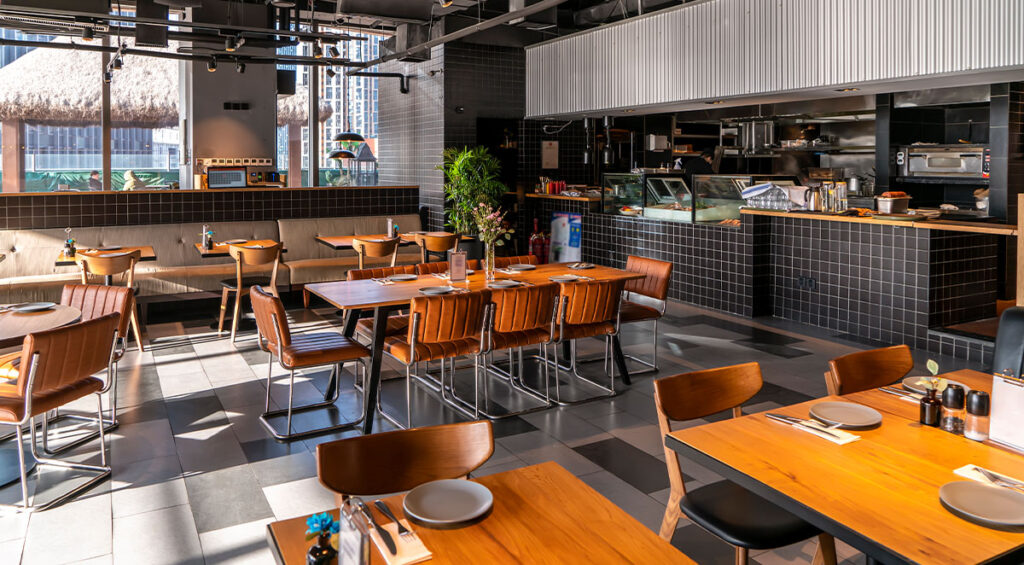
The dining area itself should feel cozy and inviting. Pay close attention to the arrangement of tables and chairs, ensuring that there’s enough space for comfort while maintaining an intimate atmosphere. Consider refreshing the décor with new table linens, updated artwork, or accent pieces that enhance the restaurant’s overall theme. Lighting within the dining area should complement the restaurant’s ambiance, with all fixtures functioning properly. Warm, soft lighting can create a cozy and welcoming environment that appeals to potential buyers.

The kitchen is often considered the heart of the restaurant, and buyers will likely want to inspect it closely. It should be spotless, with all surfaces, appliances, and equipment deep cleaned and in good working order. Consider upgrading any outdated or inefficient appliances, as a well-organized and clean kitchen signals that the restaurant is well-maintained and ready for continued operation.

Every restaurant has its “favorite, cozy spots” — areas that are particularly inviting, such as a corner booth, a window seat, or a secluded nook. These spots should be highlighted and enhanced, with comfortable seating, soft lighting, and personal touches that make them stand out as desirable spaces within the restaurant.

Before listing your restaurant for sale, it’s crucial to address any maintenance issues or necessary repairs. Buyers will be looking for signs of neglect, so taking care of these details is essential to avoid any red flags. Inspect the roof and ceiling for any signs of damage or leaks, and repair or replace them as needed. Ensure that the ceiling inside is free of stains or discoloration, as these can be indicators of underlying issues.

HVAC and plumbing systems should be functioning properly, as buyers will be interested in the operational efficiency of these systems. Address any plumbing issues and ensure that all HVAC systems are in good working order. Additionally, check all electrical systems, including lighting, outlets, and wiring. Replace any burnt-out bulbs and address any flickering lights or faulty wiring to ensure a safe and well-maintained environment.

Furniture and fixtures should also be in good condition. Repair or replace any damaged items, as worn or broken furniture can detract from the overall appeal of the restaurant and give the impression of neglect.

In today’s digital age, the virtual appearance of your restaurant is just as important as its physical appearance. Many buyers will form their first impression based on what they see online, making it essential to ensure that your virtual presence is polished and professional. Your restaurant’s website should be up-to-date, easy to navigate, and visually appealing. Include high-quality photos of the restaurant, an updated menu, and any relevant information about the restaurant’s history, concept, and unique selling points.

Social media profiles should be active and engaging. Review your profiles and ensure that they are up-to-date with recent posts that showcase the restaurant in its best light. Highlight popular dishes, special events, and positive customer reviews to build a strong online reputation that can enhance the perceived value of your restaurant.

Monitoring online reviews is also crucial. Platforms like Yelp, Google, and TripAdvisor can influence potential buyers’ perceptions of your restaurant. Respond professionally to any negative reviews and encourage satisfied customers to leave positive feedback. A strong online reputation can significantly impact the perceived value of your restaurant.

Consider offering a virtual tour of your restaurant on your website or social media platforms. A virtual tour can give potential buyers a comprehensive view of the space and its layout, making it easier for them to envision the restaurant’s potential.

Beyond the physical and virtual appearance, buyers will be interested in the financial health and operational efficiency of the restaurant. Transparency in these areas is key to building trust and justifying your asking price. Prepare detailed financial records, including profit and loss statements, tax returns, and sales reports, to provide buyers with a clear picture of the restaurant’s financial performance.

Provide an up-to-date inventory of all equipment, furniture, and fixtures included in the sale, with details on the condition and age of each item. Ensure that all necessary licenses and permits are current and transferable, as buyers will want to know that the restaurant is compliant with local regulations.

Compile comprehensive operational manuals that detail standard operating procedures, employee training protocols, and any other relevant information. These manuals can reassure buyers that the restaurant is well-organized and can be successfully managed.

Remember, preparing your restaurant for sale requires a thoughtful and comprehensive approach, much like staging a house. By focusing on both the physical and virtual aspects of your restaurant, addressing maintenance issues, and providing financial transparency, you can create a compelling package that justifies a strong asking price. Attention to detail is key — from the curb to the ceiling and from the dining room to the digital realm. By taking these steps, you’ll be well-positioned to attract serious buyers and achieve a successful sale.

Make today a great day. Make it happen. Make it count!

About the Author

With more than 40 years of extensive experience in small business, restaurant, and franchise development, management, and marketing, Paul Segreto is a respected expert in the entrepreneurial landscape. As an executive, consultant, coach, and entrepreneur, Paul has committed his career to empowering both current and aspiring business owners. His mission is to guide them to success by connecting them with the right people, brands, and opportunities.

If you’re an entrepreneur, restaurateur, or investor seeking assistance, guidance, or simply someone to talk to, please feel free to reach out via email to paul@acceler8success.com.


From Valuation to Sale: Setting the ‘Right’ Asking Price for Your Restaurant

Note: This is the second installment in a series focused on valuing and potentially selling a restaurant during times of economic uncertainty.

After establishing a clear valuation of your restaurant, the next logical step is to determine an appropriate asking price that reflects both the current market conditions and the intrinsic value of your business. This process requires a strategic approach that considers multiple factors to ensure that the price is both fair to the seller and attractive to potential buyers.

The first step is to closely analyze the valuation and break it down into its key components. This means understanding the role of tangible assets such as kitchen equipment, furniture, and real estate, as well as intangible assets like brand reputation, customer loyalty, and intellectual property. For an independent restaurant, these intangible assets might include a strong local following or unique recipes that have contributed to the restaurant’s identity. In contrast, for a franchise, the strength of the brand, the consistency of the business model, and the support from the franchisor become crucial factors. The objective is to identify which elements contribute most significantly to the restaurant’s value and ensure these are highlighted when setting the asking price.

One must also assess the restaurant’s financial performance, focusing on profitability, revenue trends, and cost management. A restaurant that shows consistent profitability with steady or increasing revenue streams will command a higher asking price. It is also important to consider the restaurant’s operational efficiency, as this can be a significant selling point. Buyers will be looking for a business that not only has potential but is also currently operating with manageable costs and streamlined processes. For a franchise, it’s essential to demonstrate how the business adheres to the franchisor’s guidelines while maintaining profitable operations, as this reflects the viability of the franchise model within that specific location.

Market conditions play a vital role in setting the asking price. During periods of economic uncertainty, buyers may be more cautious, making it crucial to price the restaurant competitively. However, this doesn’t mean undervaluing the business. Instead, the goal is to find a price point that reflects the restaurant’s worth while still appealing to potential buyers who might be looking for opportunities to invest in a business that has weathered economic challenges. This involves researching comparable sales in the area, considering the performance of similar restaurants, and understanding current buyer demand.

Another critical focus area is the restaurant’s potential for growth. Buyers are often willing to pay a premium for a business that shows clear avenues for expansion. This could involve highlighting opportunities such as adding new revenue streams, expanding service offerings, or even franchising for an independent restaurant. In the case of a franchise, showing the potential for opening additional locations or the ability to leverage the franchisor’s latest innovations can be compelling. Demonstrating a clear and actionable growth plan not only justifies a higher asking price but also makes the restaurant more attractive by showcasing its future prospects.

An effective strategy when setting the asking price is to build in room for negotiation. It’s important to understand that the initial asking price is rarely the final sale price, so setting it slightly above your bottom line allows for flexibility during negotiations. However, this should be done with care, as setting the price too high could deter serious buyers. The key is to strike a balance where the price reflects the restaurant’s value while allowing for negotiation that can still lead to a satisfactory outcome for the seller.

Finally, preparing for the sale involves ensuring that all financial records are transparent, up-to-date, and readily available for potential buyers. This includes profit and loss statements, tax returns, and any documentation related to debts or liabilities. Transparency in these areas builds trust with buyers and supports the asking price. For franchises, it’s also important to ensure that all franchise agreements and obligations are clear, and that the franchisor is supportive of the sale, as this can greatly influence the buyer’s decision.

To recap, determining an asking price for a restaurant, whether independent or franchise, involves a detailed analysis of the valuation, a clear understanding of market conditions, and a strategic approach to highlighting the business’s strengths and growth potential. The focus should always be on presenting a price that reflects the true value of the restaurant while remaining competitive and appealing to potential buyers. By carefully considering these factors, the asking price can be positioned to attract serious buyers and lead to a successful sale.

Make today a great day. Make it happen. Make it count!

About the Author

With more than 40 years of extensive experience in small business, restaurant, and franchise development, management, and marketing, Paul Segreto is a respected expert in the entrepreneurial landscape. As an executive, consultant, coach, and entrepreneur, Paul has committed his career to empowering both current and aspiring business owners. His mission is to guide them to success by connecting them with the right people, brands, and opportunities.

If you’re an entrepreneur, restaurateur, or investor seeking assistance, guidance, or simply someone to talk to, please feel free to reach out via email to paul@acceler8success.com.

Make Informed Decisions in Uncertain Times: Understanding Your Restaurant’s Value

Note: This is the first of five installments in a series focused on valuing and potentially selling a restaurant during times of economic uncertainty.

It’s time to make a decision. Now is not the time to procrastinate. Certainly, now is not the time to be in denial and place your head deep in the sand. I’m talking about your role as a restaurant owner. Whether you own an independent restaurant or a franchise, the current state of the economy is affecting all restaurants. Yet, some are thriving while others are barely surviving. Some have already failed and are hanging on by a prayer, just putting off or waiting for the inevitable to occur. In all scenarios, decisions must be made — whether to expand, stay the course, sell, or close the doors. In all cases, the key is preparation and planning, getting your ducks in a row. The first step is understanding what your business is worth. It is essential to have a valuation done by a professional as soon as possible. Yes, even if you’re thinking about closing or filing for bankruptcy, knowing the value of your business is critical.

A business valuation provides a clear picture of what your restaurant is worth in the current market. This knowledge is indispensable whether you’re considering expansion, staying the course, selling, or closing. An accurate valuation is not something that can be done on the fly; it requires the expertise of a professional who understands the complexities of the market, the specifics of the restaurant industry, and the financial health of your business. Even if you’re contemplating closing or bankruptcy, a valuation helps you understand the true value of your assets, the potential for sale, and the best course of action moving forward.

The process of business valuation involves several key steps. First, gather all financial statements, including profit and loss statements, balance sheets, and cash flow statements, for at least the past three to five years. This financial data is crucial for the valuation professional to assess the financial health and historical performance of your restaurant. Next, compile a detailed list of assets, including equipment, inventory, and any real estate holdings. These tangible assets contribute to the overall value of your business. The valuation professional will also need to understand the current market conditions, including the competitive landscape, economic factors, and industry trends that could impact your restaurant’s value.

Be ready to provide detailed information on your customer base, including demographic insights and data from loyalty programs, social media, and customer reviews. This information is crucial in evaluating the intangible assets of your business, such as brand reputation and customer goodwill, which significantly impact your overall value. You should also be prepared to discuss the operational efficiency of your restaurant, covering aspects like staffing levels, management structure, and supply chain logistics, as these elements play a critical role in determining your business’s worth. Additionally, sales data, including trends and the mix of dine-in, take-out, catering, and events, is essential for an accurate valuation.

Once all the necessary information is gathered, the valuation professional will use various methods to calculate the value of your restaurant. These methods may include the income approach, which looks at your restaurant’s ability to generate future cash flow, the market approach, which compares your restaurant to similar businesses that have recently sold, and the asset-based approach, which calculates the value of your restaurant’s assets minus any liabilities.

Tomorrow, we’ll move forward in the process and gain an understanding of the next steps with the valuation in hand.

Make today a great day. Make it happen. Make it count!

About the Author

With more than 40 years of extensive experience in small business, restaurant, and franchise development, management, and marketing, Paul Segreto is a respected expert in the entrepreneurial landscape. As an executive, consultant, coach, and entrepreneur, Paul has committed his career to empowering both current and aspiring business owners. His mission is to guide them to success by connecting them with the right people, brands, and opportunities.

If you’re an entrepreneur, restaurateur, or investor seeking assistance, guidance, or simply someone to talk to, please feel free to reach out via email to paul@acceler8success.com.

The Current State of Small Businesses in America

Small businesses are the backbone and heart of the American economy, constituting 99.9% of all firms in the United States, as reported in the June 2024 USA Today article “Small Business Statistics in 2024.” According to the U.S. Small Business Administration, a small business is defined as a firm with revenue ranging from $1 million to over $40 million and an employee workforce of fewer than 500. With approximately 33.3 million small businesses across the country, these enterprises are not only a vital source of innovation and employment but also a significant driver of the nation’s financial growth. They are responsible for almost two-thirds of newly created jobs in the U.S. between 1995 and 2021, contributing 43.5% of the country’s total gross domestic product (GDP). Small businesses also comprise 99.7% of firms with paid employees and 97.3% of exporters, underscoring their critical role in both the domestic and global economy.

The resilience and adaptability of small businesses are evident, yet they face significant challenges in survival and growth. Around 18% of small businesses fail within a year of opening, half fail after five years, and approximately 65% fail after operating for up to 10 years. Access to funding remains a crucial issue, with nearly four-fifths of small business owners relying on self-financing when launching their ventures. Only 16% obtain bank loans, while loans from family and friends make up the remaining 2% to 6%. This financial landscape highlights the difficulties small businesses face in securing the capital necessary for growth and sustainability.

Demographically, small business ownership in the U.S. reveals interesting trends. Women own around 26% of all small businesses, while just under half are owned by Generation X. Only 14% of small business owners are Black, Hispanic, or Asian, indicating a need for greater diversity in entrepreneurship. Texas is home to one-tenth of all small businesses in the U.S., followed by California and Florida, each accounting for 9%, and Georgia at 6%. Industry-wise, the professional, scientific, and technical services sectors dominate, with over 4.5 million small businesses in these fields.

Home-based businesses are a significant component of the small business ecosystem, with around half of all businesses starting at home and 60% of those without employees being home-based. This means approximately 19 million businesses in the country are operated from home, demonstrating the flexibility and innovation of small business owners in adapting to changing economic conditions. The rise of online micro-businesses further underscores this adaptability, with nearly half of these businesses transitioning from supplemental income sources to primary income sources by August 2023.

The current state of small businesses in America reflects both their critical importance to the economy and the challenges they face. With their significant contributions to job creation, GDP, and innovation, small businesses are indispensable to the nation’s economic health. However, their success is contingent upon continued support through favorable policies, access to financial resources, and the promotion of entrepreneurial diversity. As we move through 2024, the ongoing resilience and evolution of small businesses will be crucial to maintaining the vibrancy and dynamism of the U.S. economy.

Make today a great day. Make it happen. Make it count!

About the Author

With over 40 years of extensive experience in small business, restaurant, and franchise development, management, and marketing, Paul Segreto is a recognized authority in the entrepreneurial world. As an executive, consultant, coach, and entrepreneur, Paul has dedicated his career to empowering both current and aspiring business owners. His mission is to pave the way to success by connecting entrepreneurs with the right people, brands, and opportunities.

Unlocking Exponential Growth: A Review of “10X is Easier Than 2X”

“10X is Easier Than 2X” by Dan Sullivan offers a provocative yet straightforward thesis: aiming for exponential growth (10X) is simpler and more effective than striving for incremental progress (2X). This counterintuitive idea challenges traditional entrepreneurial thinking, where gradual, step-by-step improvement is often the focus. Sullivan’s approach forces entrepreneurs to reconsider their goals and methods, urging them to aim higher and think bigger. By doing so, they can free themselves from the constraints of their current resources, mindsets, and practices.

One of the most compelling aspects of the book is how it addresses the mental and emotional barriers that entrepreneurs often face. Sullivan argues that a 10X mindset doesn’t just require doing more; it requires doing differently. This shift demands letting go of old habits, systems, and even relationships that are no longer serving the larger vision. For instance, Sullivan writes, “If you’re doing something that you’re just okay at, you’re taking up space where someone else could be truly great.” This quote is a reminder that in the pursuit of exponential growth, mediocrity must be sacrificed, and excellence becomes non-negotiable.

For entrepreneurs, applying the principles from “10X is Easier Than 2X” involves a radical reassessment of priorities. It’s not just about working harder; it’s about working smarter and aligning efforts with a vision that’s truly transformative. Sullivan emphasizes the importance of focusing on unique abilities — those activities that an entrepreneur is naturally gifted at and passionate about. By honing in on these areas, entrepreneurs can delegate or eliminate tasks that don’t contribute to their 10X vision. As Sullivan notes, “It’s not about what you do; it’s about what you don’t do.” This quote encapsulates the necessity of pruning distractions and low-value activities to free up time and energy for what truly matters.

Integrating the book’s insights into daily life involves adopting a mindset of abundance and possibility. Entrepreneurs must constantly ask themselves, “What would this look like if it were easy?” This question shifts focus from obstacles to opportunities, encouraging innovative thinking and problem-solving. It challenges the tendency to overcomplicate and instead prompts the pursuit of simplicity and efficiency. Moreover, it’s about creating a future that’s not just an extension of the past but a leap into new possibilities.

Yes, “10X is Easier Than 2X” is a powerful guide for entrepreneurs. It’s perfect for those ready to break free from the limitations of conventional thinking. By embracing a 10X mindset, entrepreneurs can unlock new levels of creativity, productivity, and success. The challenge lies not in working harder but in thinking bigger and being willing to make the necessary changes to support that vision. Sullivan’s insights provide a blueprint for those ready to take the leap into exponential growth, making it an essential read for any entrepreneur committed to achieving extraordinary results.

Make today a great day. Make it happen. Make it count!

About the Author

With over 40 years of extensive experience in small business, restaurant, and franchise development, management, and marketing, Paul Segreto is a recognized authority in the entrepreneurial world. As an executive, consultant, coach, and entrepreneur, Paul has dedicated his career to empowering both current and aspiring business owners. His mission is to pave the way to success by connecting entrepreneurs with the right people, brands, and opportunities.

If you’re a current or aspiring entrepreneur that needs assistance, guidance, or just someone to talk to, please send an email to Paul Segreto at paul@acceler8success.com.

Fatigue, Anxiety, and Depression: The Silent Struggles of Entrepreneurs

Entrepreneurship is often portrayed as a thrilling and exhilarating path filled with opportunities for innovation, success, and personal fulfillment. The allure of creating something new, driving change, and achieving financial independence can be intoxicating, drawing individuals into the entrepreneurial world with dreams of making a significant impact. However, there is a flip side to this journey that is less frequently discussed. The reality of entrepreneurship is also characterized by fatigue, high anxiety, and depression. The demands of building and sustaining a business can take a severe toll on an entrepreneur’s mental and emotional well-being, often leading to feelings of exhaustion and despair. These negative emotions can be particularly challenging to manage when they conflict with the pressure to maintain a positive and confident demeanor. Entrepreneurs are expected to be resilient, visionary leaders who inspire others, but the weight of this expectation can exacerbate feelings of inadequacy and self-doubt.

Remaining at the top of one’s game in the face of such challenges requires more than just business acumen and a strong work ethic. It necessitates a proactive approach to managing mental health, which is often overlooked in the pursuit of success. When an entrepreneur is burdened with less-than-positive thoughts, such as fear of failure, uncertainty about the future, and the constant stress of decision-making, it becomes increasingly difficult to sustain the motivation and clarity needed to drive the business forward. These thoughts can lead to a vicious cycle where anxiety and depression further diminish the ability to perform, leading to more negative thoughts and deeper mental health struggles. It is essential to recognize that mental fitness is just as critical as physical fitness in maintaining overall well-being and effectiveness as an entrepreneur.

Physical fitness is often emphasized as a crucial component of an entrepreneur’s routine. Regular exercise is known to boost energy levels, improve focus, and reduce stress, making it an essential tool for coping with the demands of entrepreneurship. However, while physical exercise can provide a temporary escape from the pressures of business, it does not address the underlying mental and emotional challenges that entrepreneurs face. The mind, like the body, requires care and attention to remain healthy and resilient. Mental fitness involves cultivating a mindset that can withstand the stresses of entrepreneurship, managing negative thoughts, and maintaining emotional balance. This is not an easy task, especially in an environment where failure is a constant threat and the stakes are high. However, it is a necessary one.

Mental fitness is not about suppressing or ignoring negative emotions but rather about learning how to manage them effectively. It involves practices such as mindfulness, meditation, and cognitive-behavioral techniques that help entrepreneurs stay grounded, focused, and emotionally resilient. These practices can provide a mental escape similar to how physical exercise offers a break from the daily grind. By taking time to engage in mental fitness activities, entrepreneurs can develop the tools needed to navigate the psychological challenges of their journey. This might include setting aside time for meditation to clear the mind, practicing gratitude to shift focus away from negative thoughts, or seeking support from a therapist or coach to work through particularly difficult emotions. Mental fitness also involves building a strong support network of peers, mentors, and advisors who can offer guidance, encouragement, and perspective during challenging times.

There is a strong connection between physical and mental fitness, and the two often go hand in hand. Regular physical activity has been shown to improve mood, reduce symptoms of anxiety and depression, and enhance cognitive function. This suggests that maintaining physical fitness can support mental health, creating a positive feedback loop where each reinforces the other. However, it is important for entrepreneurs to recognize that physical fitness alone is not enough to sustain mental well-being. Both physical and mental fitness must be prioritized to ensure that the entrepreneur remains resilient, focused, and capable of leading their business effectively.

The escape to stay mentally fit may not be as straightforward as going for a run or hitting the gym, but it is just as essential. Entrepreneurs must make mental fitness a part of their daily routine, just as they would with physical exercise. This might mean starting the day with meditation or mindfulness practices, scheduling regular check-ins with a therapist or coach, or simply making time for self-reflection and mental rest. The demands of entrepreneurship are relentless, and without proper attention to mental health, the risk of burnout, anxiety, and depression increases significantly. By recognizing the importance of mental fitness and taking proactive steps to nurture it, entrepreneurs can ensure that they remain at the top of their game, not only in business but in life as well. The journey of entrepreneurship is challenging, but with the right balance of physical and mental fitness, it is possible to navigate the ups and downs with resilience, clarity, and strength.

Make today a great day. Make it happen. Make it count!

About the Author

With over 40 years of extensive experience in small business, restaurant, and franchise development, management, and marketing, Paul Segreto is a recognized authority in the entrepreneurial world. As an executive, consultant, coach, and entrepreneur, Paul has dedicated his career to empowering both current and aspiring business owners. His mission is to pave the way to success by connecting entrepreneurs with the right people, brands, and opportunities.

If you’re a current or aspiring entrepreneur that needs assistance, guidance, or just someone to talk to, please send an email to Paul Segreto at paul@acceler8success.com.

Buying a Franchise Restaurant vs. an Independent Restaurant: The Food Looks the Same, So What’s the Difference?

The restaurant industry offers diverse opportunities for aspiring entrepreneurs. Among the most significant decisions is whether to buy a franchise restaurant or an independent restaurant. Both options come with their own set of benefits and challenges, especially in today’s uncertain economy. Let’s scratch the surface and explore these two pathways to help you make an informed decision as it’s more than just the food.

Buying a Franchise Restaurant

Benefits

  1. Established Brand Recognition
  2. Proven Business Model
  3. Lower Risk

Disadvantages

  1. High Initial Costs
  2. Limited Creativity
  3. Ongoing Fees and Royalties

Buying an Independent Restaurant

Benefits

  1. Creative Freedom
  2. Lower Initial Costs
  3. Potential for Higher Profits

Disadvantages

  1. Higher Risk
  2. Operational Challenges
  3. Economic Vulnerability

Impact of Today’s Uncertain Economy

In today’s uncertain economy, the decision between buying a franchise restaurant and an independent restaurant carries additional weight. Economic instability, changing consumer behaviors, and supply chain disruptions all play a significant role in the success of a restaurant.

Franchise Restaurant in an Uncertain Economy

  • Stability and Support: Franchises offer stability and support, which can be invaluable during economic downturns. The established brand recognition and customer loyalty can help maintain a steady revenue stream.
  • Buying Power: Franchisors often have the advantage of group purchasing power, which can mitigate the impact of supply chain disruptions and rising costs.
  • Adaptability: Franchisors may provide guidance and support to help franchisees adapt to changing market conditions, such as implementing new technologies or adjusting menu offerings.

Independent Restaurant in an Uncertain Economy

  • Flexibility: Independent restaurant owners have the flexibility to quickly adapt to changing market conditions, whether it’s by adjusting their menu, pricing, or marketing strategies.
  • Community Focus: Independent restaurants can build strong ties with their local community, fostering loyalty and support during tough economic times.
  • Innovative Solutions: Independent owners can implement innovative solutions to navigate economic challenges, such as sourcing local ingredients, offering unique dining experiences, or creating new revenue streams like delivery or catering services.

Choosing between buying a franchise restaurant and an independent restaurant involves weighing the benefits and disadvantages of each option. Franchises offer the stability and support of an established brand, but come with higher initial costs and limited creative freedom. Independent restaurants provide creative control and potential for higher profits but carry higher risks and operational challenges.

In today’s uncertain economy, the stability and support of a franchise may be appealing to those seeking a lower-risk investment. However, the flexibility and innovative potential of an independent restaurant can also offer unique opportunities for success. Ultimately, the decision will depend on your personal preferences, financial situation, and long-term business goals.

Careful consideration and thorough research are essential to making an informed choice that aligns with your vision and objectives in the competitive restaurant industry. And remember, we’re just scratching the surface here.

Make today a great day. Make it happen. Make it count!

About the Author

With over 40 years of extensive experience in small business, restaurant, and franchise development, management, and marketing, Paul Segreto is a recognized authority in the entrepreneurial world. As an executive, consultant, coach, and entrepreneur, Paul has dedicated his career to empowering both current and aspiring business owners. His mission is to pave the way to success by connecting entrepreneurs with the right people, brands, and opportunities.

If you’re a current or aspiring entrepreneur that needs assistance, guidance, or just someone to talk to, please send an email to Paul Segreto at paul@acceler8success.com.

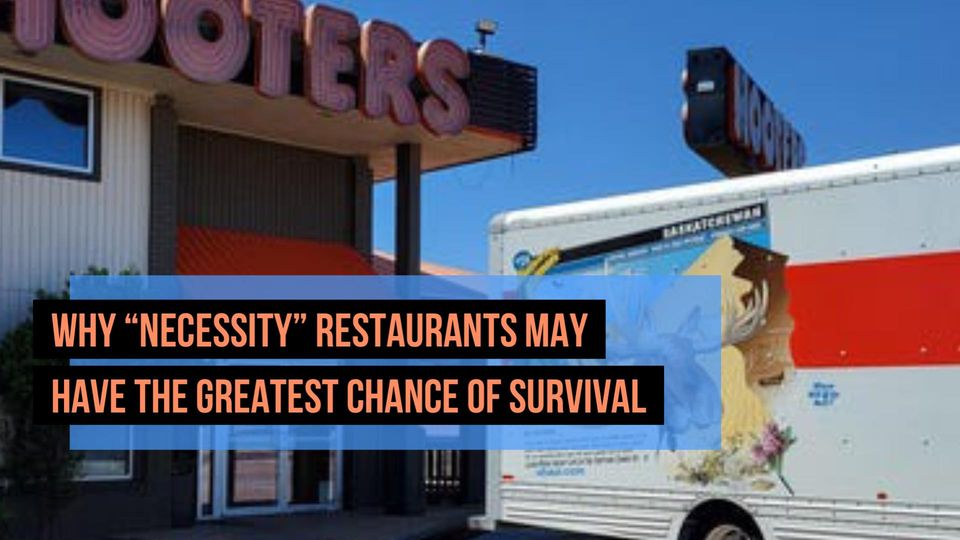
Survival of the Essential: How “Necessity” Restaurants Endure Economic Turbulence

The restaurant industry is experiencing a significant wave of bankruptcy filings, with both well-known brands and smaller establishments feeling the impact. This trend has been exacerbated by economic pressures and the looming threat of a recession, raising concerns about the sustainability of many dining businesses. As consumers tighten their belts, the question arises: are there “necessity” restaurants that will continue to thrive amid these challenges? These low to mid-price establishments, often perceived as essential rather than luxury, might hold the key to resilience in tough economic times. The mindset of “we have to eat, right?” underscores the potential for these everyday dining options to weather financial storms better than their more opulent counterparts.

Statistics reveal a troubling picture for the restaurant industry. According to recent data, the number of restaurant bankruptcies has surged by over 60% compared to previous years. This increase spans various segments of the industry, from fast food to casual dining and even some upscale brands. The fast-casual segment, often seen as a middle ground between fast food and traditional sit-down restaurants, has been particularly hard hit, with a 45% rise in bankruptcy filings. Casual dining chains have not fared much better, witnessing a 35% increase in bankruptcies. Even the fast food segment, usually more resilient, has seen a notable 20% uptick in filings.

Despite these alarming statistics, some restaurant categories show signs of resilience. Establishments offering affordable, everyday meals appear to be better positioned to survive economic downturns. These “necessity” restaurants cater to a fundamental need for sustenance without the perceived luxury or extravagance of higher-end dining options. They provide a straightforward, value-driven dining experience that appeals to consumers looking to manage their expenses while still enjoying dining out.

In contrast, the higher-end dining sector is likely to see a significant polarization. The elite, top-tier restaurants may continue to attract upper middle class to wealthy patrons who are less affected by economic fluctuations. These establishments often have the advantage of strong brand loyalty and a reputation for exceptional quality, which can help them maintain a steady customer base even during economic downturns. This dynamic could create a widening gap between everyday dining and luxury dining experiences, leaving mid-tier restaurants struggling to find their footing.

The closure of many mid-tier and casual dining establishments is a stark reminder of the shifting landscape. In the past year alone, several well-known chains have shuttered numerous locations, citing financial pressures and changing consumer habits. These closures reflect broader industry trends, where diners are increasingly opting for either cost-effective meals or exclusive, high-end experiences, with little room for the in-between.

The restaurant industry’s current challenges highlight the importance of adaptability and understanding consumer behavior. Necessity restaurants that can provide consistent, affordable meals may have a strategic advantage in retaining customer loyalty during economic uncertainty. Conversely, mid-tier establishments must innovate and adapt to remain relevant, potentially redefining their value propositions to better meet the needs of a more budget-conscious clientele.

The ongoing economic pressures and rising bankruptcy filings present a complex scenario for the restaurant industry. While many brands face significant challenges, there is potential for certain segments to emerge stronger. Necessity restaurants, with their focus on essential, affordable dining, may prove to be resilient survivors, maintaining their appeal as reliable options for consumers looking to balance quality and cost. This evolving dynamic underscores the importance of strategic positioning and customer understanding in navigating the uncertain terrain of the restaurant industry.

Make today a great day. Make it happen. Make it count!

About the Author

With over 40 years of extensive experience in small business, restaurant, and franchise development, management, and marketing, Paul Segreto is a recognized authority in the entrepreneurial world. As an executive, consultant, coach, and entrepreneur, Paul has dedicated his career to empowering both current and aspiring business owners. His mission is to pave the way to success by connecting entrepreneurs with the right people, brands, and opportunities.

If you’re a current or aspiring entrepreneur that needs assistance, guidance, or just someone to talk to, please send an email to Paul Segreto at paul@acceler8success.com.

Strategies for Building a Diverse and Efficient Restaurant Group Portfolio

Building a portfolio of restaurants presents unique opportunities and challenges that require strategic planning and dynamic management. Staying within one restaurant segment, whether ethnic cuisine or formats like QSR or Fast Casual, can simplify operations and branding. This uniformity makes it easier to streamline processes, train staff, and establish a consistent brand image. However, diversification across different segments can mitigate risks and cater to varying market demands, providing a buffer against economic downturns that may impact specific types of restaurants. It can also attract a broader customer base, thereby increasing revenue streams.

Managing each brand separately allows for maintaining distinct identities and specialized focus. This approach can be particularly beneficial for brands with strong, unique market positions, as it enables tailored marketing strategies and operational tactics that align with each brand’s core values and customer expectations. On the other hand, a geographic management approach, where a General Manager oversees multiple locations regardless of brand differences, can streamline operations and reduce costs. This method promotes efficiency in resource allocation, logistics, and labor management, especially in regions with high restaurant density.

Labor management is crucial in a restaurant portfolio. Cross-training workers across different restaurants can enhance flexibility, reduce downtime, and foster a versatile workforce capable of adapting to various roles as needed. However, this requires robust training programs and may face resistance from staff accustomed to specific roles. Effective cross-training can lead to better employee engagement and job satisfaction, as it offers varied experiences and learning opportunities.

Career growth opportunities are abundant in a sizable portfolio. Employees can progress from entry-level positions to managerial roles, with pathways to cross-functional careers in marketing, operations, and finance. Providing clear growth trajectories and professional development programs can significantly improve retention and job satisfaction. This not only benefits the employees but also contributes to building a loyal and skilled workforce, which is essential for long-term success.

Operating in multiple cities and states offers the benefit of market diversification but introduces complexities in logistics, regulatory compliance, and local market preferences. Each location may have different health and safety regulations, employment laws, and market dynamics. Navigating these differences requires a strong regional management structure and adaptable marketing strategies tailored to diverse demographics. Successful regional managers need to balance local tastes and preferences with the overall brand identity to ensure consistency in quality and customer experience.

Scalability hinges on robust operational systems, effective supply chain management, and consistent quality control. As the portfolio grows, maintaining the same level of service and quality across all locations becomes increasingly challenging. Implementing standardized procedures and leveraging technology for real-time monitoring can help manage these challenges. Additionally, marketing efforts must balance brand consistency with localized campaigns to engage different communities effectively. Customizing promotions and events to resonate with local audiences can drive customer loyalty and boost sales.

Cash flow management becomes increasingly critical as the portfolio grows. Maintaining liquidity while funding new ventures and upgrades requires meticulous financial planning and real-time monitoring. This involves keeping a close eye on expenses, optimizing inventory management, and ensuring that each location contributes positively to the overall financial health of the portfolio. Underperforming locations, despite the overall portfolio’s success, demand careful analysis. Options include revamping the menu, retraining staff, increasing local marketing efforts, or, if necessary, closing the location to allocate resources more efficiently.

Franchise relationships add another layer of complexity and opportunity. Franchise locations can accelerate expansion with lower capital investment and shared financial risk. They also benefit from established brand recognition and corporate support in marketing and operations. However, maintaining quality and consistency across franchise locations can be challenging, and franchisees’ varying levels of commitment and competence may impact the brand’s reputation. Balancing control and autonomy is key, ensuring franchisees adhere to brand standards while allowing some local adaptation.

A strategic approach to building and managing a restaurant portfolio involves balancing standardization and customization, ensuring operational efficiency, and fostering a culture of continuous improvement and adaptability. This requires a clear vision, strong leadership, and an unwavering commitment to quality and customer satisfaction. By addressing these aspects thoughtfully and proactively, a restaurant portfolio can thrive and expand sustainably in a competitive market.

Of course, we’re just scratching the surface…

Make today a great day. Make it happen. Make it count!

About the Author

With over 40 years of extensive experience in small business, restaurant, and franchise development, management, and marketing, Paul Segreto is a recognized authority in the entrepreneurial world. As an executive, consultant, coach, and entrepreneur, Paul has dedicated his career to empowering both current and aspiring business owners. His mission is to pave the way to success by connecting entrepreneurs with the right people, brands, and opportunities.

If you’re a current or aspiring entrepreneur that needs assistance, guidance, or just someone to talk to, please send an email to Paul Segreto at paul@acceler8success.com.

The Unstoppable Force of Vision: How Entrepreneurs Made the Impossible Possible

Entrepreneurs doing the impossible have always shaped the world in unexpected ways. Visionaries often face skepticism and doubt, yet they push forward, driven by their belief in the transformative power of their ideas. Today, many mainstream brands offer products and services that once seemed unimaginable. Amazon, for example, began as an unproven concept, an online bookstore in an era when the internet itself was a fledgling technology. Jeff Bezos, its founder, faced countless naysayers who doubted the viability of an online retail giant. Despite this, he persevered, transforming Amazon into one of the most valuable companies globally. The journey of Amazon reflects the broader narrative of entrepreneurial tenacity.

Consider the stories of Steve Jobs and Bill Gates, pioneers in personal computing. When Jobs introduced the Macintosh, it was a radical departure from existing technology, met with skepticism about its practicality and market potential. Gates, with Microsoft, faced similar doubts about the future of software and personal computing. Both men, undeterred by the disbelief around them, revolutionized the technology industry. Sam Walton, the founder of Walmart, encountered significant doubt when he proposed a discount retail model in rural areas. Critics argued it was a recipe for failure, but Walton’s vision and relentless execution proved them wrong, creating the world’s largest retailer.

Michael Dell started Dell Computers from his college dorm room, challenging the established notion that computers had to be sold through retail stores. His direct-to-consumer model was initially dismissed as impractical, yet it led to one of the most successful computer companies in the world. Walt Disney, with his dreams of an expansive entertainment empire, was told repeatedly that his ideas were fanciful and unachievable. His perseverance gave the world Disneyland and an enduring entertainment legacy. Richard Branson, known for his Virgin brand, has consistently defied conventional wisdom. From music to airlines and space travel, Branson’s ventures were often deemed impossible, yet his daring spirit and innovative approach brought success in diverse industries.

These stories underscore a common theme in the entrepreneurial journey: the ability to see beyond the present limitations and envision a future others cannot. The initial skepticism faced by these entrepreneurs was not a deterrent but a catalyst for innovation. Their successes remind us that what is considered impossible today may be tomorrow’s breakthrough. Each of these entrepreneurs faced immense challenges and resistance, yet their unwavering belief in their vision turned the impossible into reality. This pattern continues as new entrepreneurs emerge, inspired by the legacy of those who dared to defy the odds and create what once seemed unattainable.

Make today a great day. Make it happen. Make it count!

About the Author

With over 40 years of extensive experience in small business, restaurant, and franchise development, management, and marketing, Paul Segreto is a recognized authority in the entrepreneurial world. As an executive, consultant, coach, and entrepreneur, Paul has dedicated his career to empowering both current and aspiring business owners. His mission is to pave the way to success by connecting entrepreneurs with the right people, brands, and opportunities.

If you’re a current or aspiring entrepreneur that needs assistance, guidance, or just someone to talk to, please send an email to Paul Segreto at paul@acceler8success.com.