Category: Entrepreneurship

Strategic Risk-Taking: The Calculated Path of Entrepreneurship

Entrepreneurship, whether in the form of launching a new concept or tweaking an existing business model like a restaurant, inherently involves risk. However, the risk here isn’t about reckless abandon but rather calculated risk. There’s a significant distinction between risk and risky. Calculated risk isn’t typically considered risky because it is rooted in thought, diligence, and planning. The essence of calculated risk lies in its strategic approach, involving the evaluation of potential outcomes, weighing these outcomes, and preparing contingency measures based on the calculations and possible results.

One crucial point of consideration for a new entrepreneur is understanding the market landscape. An in-depth market analysis can reveal customer needs, preferences, and existing gaps that the business could fill. This involves not only studying competitors but also identifying potential partners and collaborators who can enhance the value proposition of the new venture. Steve Jobs once said, “Innovation distinguishes between a leader and a follower.” This insight underscores the importance of identifying and seizing unique opportunities within the market, which can transform a fledgling idea into a market leader.

Another vital reflection for entrepreneurs is financial planning and management. Starting a new business requires significant capital, and managing this capital wisely is crucial for long-term success. This entails creating a detailed budget, securing adequate funding, and maintaining a healthy cash flow. Effective financial management also involves planning for unexpected expenses and potential downturns. As Richard Branson noted, “Business opportunities are like buses, there’s always another one coming.” This quote highlights the importance of resilience and adaptability in financial planning, ensuring that entrepreneurs are prepared to pivot and seize new opportunities as they arise.

The third consideration is cultivating the entrepreneurial spirit and mindset. This involves developing a growth mindset, being open to learning and adapting, and maintaining persistence in the face of challenges. Entrepreneurs must be willing to take calculated risks, learn from failures, and continuously seek improvement. As Mark Zuckerberg famously said, “The biggest risk is not taking any risk. In a world that is changing really quickly, the only strategy that is guaranteed to fail is not taking risks.” This mindset encourages entrepreneurs to embrace change, innovate, and remain competitive in a dynamic business environment.

Calculated risk is an integral part of entrepreneurship, demanding careful thought, diligent planning, and strategic execution. New entrepreneurs must thoroughly understand their market, manage their finances prudently, and foster a resilient and innovative mindset. These considerations not only mitigate potential risks but also position the business for sustainable growth and success.

Make today a great day. Make it happen. Make it count!

About Acceler8Success

Acceler8Success is an innovative firm dedicated to advancing the success of entrepreneurs and business owners across various industries. With focus on franchise, restaurant and small business management and development, Acceler8Success offers comprehensive services and fractional C-Suite leadership tailored to meet the unique needs of each client. Learn more at Acceler8Success.com.

Transforming Toxicity: Strategies for Cultivating a Positive Restaurant Work Environment

In restaurants, where staff members work in close quarters, fostering a positive and collaborative work environment is crucial for both customer satisfaction and employee well-being. However, toxic cultures can arise, leading to discontent, high turnover rates, and ultimately, compromised customer experiences. Recognizing the signs of a toxic culture is the first step in addressing the issue. These signs may include constant gossip, lack of trust, negativity, high turnover rates, decreased productivity, and strained relationships among employees. By acknowledging these signs, restaurant owners and managers can take proactive measures to rectify the situation and create a healthier work environment.

Open communication is essential for resolving toxicity within a workplace. Encouraging employees to express their concerns and opinions freely, providing a safe space for discussion, is vital. Regular team meetings, suggestion boxes, and anonymous feedback mechanisms can facilitate open communication and ensure that everyone’s voice is heard. When employees feel heard and valued, they are more likely to contribute positively to the work environment, reducing the chances of toxic behaviors taking root.

Leadership plays a pivotal role in shaping workplace culture. Managers and supervisors should model the behavior they wish to see in their employees. Demonstrating respect, empathy, and effective communication skills encourages others to follow suit. When leaders exhibit positive traits, employees are more likely to emulate them, leading to a healthier and more supportive work environment. Leaders who are approachable and transparent can also help mitigate conflicts and misunderstandings before they escalate into larger issues.

Establishing a shared vision and values for the business can unite employees and create a sense of purpose. Involving the team in creating and refining these guiding principles ensures they align with the organization’s goals and ideals. Reinforcing these values regularly through training programs, team-building activities, and consistent communication fosters a cohesive work culture centered on shared objectives. When employees feel connected to the company’s mission and values, they are more likely to work collaboratively and support each other.

Nurturing a sense of camaraderie among employees is crucial for combating toxicity and promoting collaboration. Organizing team-building activities, such as workshops, or social events, where individuals can bond and develop trust, fosters an atmosphere where employees feel comfortable seeking help from their colleagues. This leads to increased cooperation and a more stable workforce. Activities that promote teamwork and mutual respect can help break down barriers and build stronger interpersonal relationships among staff members.

Addressing conflicts promptly and fairly is essential to prevent them from escalating and further contributing to toxicity. Encouraging employees to resolve conflicts directly with each other, but also being prepared to mediate if necessary, is crucial. Implementing conflict resolution training or providing access to an impartial mediator can be valuable tools for resolving disputes effectively. A fair and transparent approach to conflict resolution helps build trust and ensures that all employees feel their concerns are taken seriously.

When a key employee quits due to toxicity, taking their departure seriously is crucial. Conducting an exit interview to gain insights into their experience and concerns is important. Analyzing their feedback and using it as an opportunity to address the underlying issues that may have contributed to their departure can help implement changes that prevent similar situations in the future. Understanding the reasons behind a valuable employee’s decision to leave can provide valuable insights into the workplace dynamics and highlight areas that need improvement.

In cases where a key employee is the source of toxicity, difficult decisions may need to be made. Conducting a thorough investigation, gathering evidence and testimonies from affected employees, is essential. If the behavior is substantiated and interventions have been ineffective, termination may be necessary. Communicating the decision clearly and transparently to the rest of the team emphasizes the organization’s commitment to a healthy and inclusive work environment. It is important to handle such situations delicately to maintain team morale and ensure that the message of zero tolerance for toxic behavior is clearly conveyed.

Transforming a toxic culture requires a combination of proactive measures and responsive actions. Promoting open communication, fostering a shared vision, and addressing conflicts promptly can help build a collaborative and supportive work environment. Whether it involves a key employee quitting or dealing with a toxic key employee, the goal should always be to ensure great customer experiences and a stable workforce. Prioritizing a positive workplace culture allows restaurants to thrive, creating a harmonious environment for both employees and customers alike. By committing to these strategies, restaurant owners and managers can cultivate a workplace where employees feel valued, supported, and motivated to contribute their best, ultimately leading to improved customer satisfaction and business success.

Make today a great day. Make it happen. Make it count!

About Acceler8Success

Acceler8Success is an innovative firm dedicated to advancing the success of entrepreneurs and business owners across various industries. With focus on franchise, restaurant and small business management and development, Acceler8Success offers comprehensive services and fractional C-Suite leadership tailored to meet the unique needs of each client. Learn more at Acceler8Success.com.

A Call for [Continued] Awareness: Preventing the Tragedy of Suicide

May was dedicated to Mental Health Awareness Month, but you might be wondering why this article is coming out now. The answer is simple: mental health awareness and the issue of suicide should never be confined to just one month.

Mental health is a year-round concern. The challenges people face don’t start on May 1st and end on May 31st. Mental health struggles can surface at any time, and the importance of awareness, support, and intervention is constant. While dedicating a month to mental health is valuable for raising awareness, it’s crucial that the conversations and efforts continue throughout the year.

Suicide, a devastating outcome of unaddressed mental health issues, doesn’t adhere to a calendar. It is an ongoing crisis that affects individuals and families every day. Limiting our focus to a single month undermines the urgency and continuous need for awareness, support, and resources.

By discussing mental health now, and whenever possible, we emphasize that it is an ever-present issue that requires our attention and action at all times. We must remain vigilant, compassionate, and proactive in supporting those who struggle with mental health challenges. Our goal should be to create an environment where mental health is openly discussed and addressed, reducing the stigma and providing help whenever and wherever it’s needed.

Suicide is a daily tragedy, and sadly, it happens every day. However, when it’s thrust into the spotlight, we become acutely aware of its impact. For example, the suicides of Kate Spade and Anthony Bourdain still resonate deeply, serving as stark reminders of lives cut tragically short. Their untimely deaths have left an indelible mark, and it’s clear they won’t be forgotten soon. My hope is that we can foster greater awareness about suicide prevention before it’s too late.

Whenever I read about a suicide, I’m reminded of a young employee of mine who ended his life at just 25. Even now, I grapple with questions: What did we overlook? Were there signs we missed? What drove him to such despair? Amid these somber reflections, I also recall, with a touch of gratitude, an instance where I was able to help someone step back from the brink. Today, that individual and his family are thriving, living life to its fullest. On that Friday night, I wasn’t so sure…

So, while Mental Health Awareness Month has passed, our commitment to mental health awareness and suicide prevention remains unwavering. Let’s continue to educate, support, and connect with one another, ensuring that mental health is a priority every single day.

If you’re experiencing thoughts that lead you to the edge, especially in these challenging times, please reach out to me. Let’s talk, meet, or connect in any way possible. Reach out to someone, anyone – just reach out. There are more people than you might realize who are willing to help, to stand by you. We’ve all faced challenges, some quite severe. Let us be there for you.

Remember, the sun will come out tomorrow; it’s only a day away.

Make today a great day. Make it happen. Make it count!

Embracing Failure: The Entrepreneur’s Mindset

“One of the most common causes of failure is the habit of quitting when one is overtaken by temporary defeat.” This quote from Napoleon encapsulates a critical truth about human endeavors. Often, no matter how meticulously we plan and how much effort we invest, we still fall short of our goals. This shortfall brings a host of challenges and problems, impacting our financial position, reputation, relationships, team spirit, and more. The repercussions can spiral into our personal lives, affecting our families, health, and overall well-being.

When faced with such setbacks, the natural inclination for many is to deny the reality, effectively burying their heads in the sand. This denial leaves us vulnerable, exposing our most significant weaknesses. Some will laugh, others will point and snicker, and a few will exploit this position of vulnerability. The unfortunate reality is that we place ourselves in this predicament. Not because we missed our swing, failed to see the forest for the trees, or imagined something that wasn’t there, but because we didn’t keep our heads high, accept the situation, learn from it, and move on with laser-focused determination.

This approach is precisely what separates successful entrepreneurs from those who falter. Entrepreneurs understand that failure is often a temporary setback rather than a permanent defeat. They embrace their missteps, analyze what went wrong, and use those lessons to refine their strategies and efforts. By maintaining a forward-looking mindset, they transform failures into stepping stones rather than stumbling blocks. This resilience and ability to adapt are key to overcoming obstacles and achieving long-term success.

In contrast, those who allow temporary defeats to define them often find themselves in a cycle of denial and vulnerability. They miss the opportunity to grow from their experiences and instead remain stuck in a state of inaction and fear. This inaction not only hampers their progress but also affects all areas of their lives, from professional aspirations to personal relationships and health.

Thus, the path to overcoming temporary defeats lies in acknowledging them, learning from them, and moving forward with renewed focus and determination. It requires a mindset that views failures as opportunities for growth rather than end points. Embracing this perspective can lead to personal and professional growth, fostering resilience and the ability to navigate the inevitable challenges that come our way.

Make today a great day. Make it happen. Make it count!
From the Author

If you’re a current or aspiring entrepreneur seeking assistance, guidance, or simply someone to talk to, please reach out to me. Navigating the entrepreneurial journey can be challenging, and having a supportive network can make all the difference. Whether you need advice on overcoming obstacles, insights into refining your business strategy, or just a listening ear to discuss your experiences and ideas, I am here to help. You can contact me by text at (832) 797-9851 or via email at paul@acceler8success.com. Don’t hesitate to reach out—taking this step could be the key to unlocking your potential and achieving your business goals. Remember, every successful entrepreneur has sought guidance at some point, and there’s no shame in asking for help.

The Power of Prioritization: Lessons from Stephen Covey for Entrepreneurs

Stephen Covey’s quote above encapsulates a profound truth about prioritization and focus. The essence of prioritization lies in recognizing what truly matters most and then committing to those priorities with unwavering determination. It requires not just the ability to identify these priorities but also the courage to say no to other demands. This act of saying no must be done with grace, whether that means smiling, being pleasant, or apologetic. The underlying principle is the need to have a compelling and deeply meaningful ‘yes’ that fuels your decision to turn down other requests. This bigger ‘yes’ represents your core values, goals, or aspirations that drive your actions and decisions.

For entrepreneurs, the challenge of prioritization is particularly acute. The entrepreneurial journey is often full of numerous demands, opportunities, and distractions. Knowing your priorities is one thing, but actually prioritizing them is another. Entrepreneurs frequently find themselves caught in a cycle of constantly shifting focus, where the list of priorities becomes a never-ending to-do list. This shift from knowing to doing is crucial because without it, priorities lose their meaning and become mere intentions rather than actionable steps.

The difficulty lies in the constant influx of tasks and opportunities that seem urgent or important. Entrepreneurs must navigate through these with discernment, understanding that not every task or opportunity aligns with their highest priorities. The ability to discern and act accordingly is what separates effective prioritization from a simple acknowledgment of priorities. This requires a disciplined approach, where the entrepreneur consistently evaluates tasks and opportunities against their core goals and values.

When the bigger ‘yes’ burns inside, it serves as a guiding light. It provides clarity and strength to make tough decisions, even when faced with tempting or seemingly important distractions. This bigger ‘yes’ helps entrepreneurs maintain focus on what truly matters, enabling them to allocate their time, energy, and resources effectively. It is this clarity and commitment that prevent the erosion of priorities into a sprawling to-do list.

Having a bigger ‘yes’ also brings a sense of purpose and motivation. It reinforces why certain priorities exist and why they deserve precedence over others. This intrinsic motivation is vital for sustaining the effort and resilience needed to pursue long-term goals. It helps entrepreneurs stay committed to their vision and mission, even when the journey becomes challenging.

Covey’s insight highlights the importance of intentionality in prioritization. Entrepreneurs must not only identify their highest priorities but also cultivate the courage and discipline to act on them. This means developing the habit of saying no to tasks and opportunities that do not align with their core goals, regardless of how appealing or urgent they may seem. It requires a proactive approach to time management, where entrepreneurs regularly assess and realign their activities with their highest priorities.

The difference between knowing and doing is where many entrepreneurs falter. It is easy to get caught up in the busyness of daily operations, allowing immediate tasks to overshadow long-term goals. This shift from strategic prioritization to reactive task management can dilute focus and hinder progress. Entrepreneurs must guard against this by continually reminding themselves of their bigger ‘yes’ and using it as a benchmark for decision-making.

Effective prioritization also involves setting boundaries and managing expectations. Entrepreneurs must communicate their priorities clearly to their teams, partners, and stakeholders, ensuring alignment and support. This helps create a culture where the focus on high-priority tasks is respected and upheld, reducing the likelihood of distractions and misaligned efforts.

In essence, Covey’s quote emphasizes the critical role of clarity, courage, and commitment in prioritization. For entrepreneurs, it is a call to action to move beyond mere recognition of priorities to deliberate and consistent prioritizing. It is about having a clear vision, being willing to make tough choices, and staying true to what matters most. This approach not only enhances productivity and effectiveness but also ensures that the entrepreneurial journey is aligned with one’s deepest values and aspirations.

Make today a great day. Make it happen. Make it count!

Entrepreneurial Support

If you’re a current or aspiring entrepreneur that needs assistance, guidance, or just someone to talk to, please contact me by text at (832) 797–9851 or via email to paul@acceler8success.com. Please, don’t hesitate!

When Passion Becomes a Pitfall in Business: The Hidden Dangers

Passion drives innovation and resilience in business. It inspires teams to overcome challenges and fuels the determination needed for success. However, being excessively passionate can have detrimental effects on both the business and the individual. When passion turns into obsession, it can cloud decision-making. An overly passionate business owner may struggle to separate personal feelings from professional judgments, leading to biased decisions that favor emotional satisfaction over strategic soundness. Intense emotional investment can make it difficult to recognize and rectify mistakes, viewing setbacks as personal failures rather than opportunities for growth.

Relationships within the business are crucial, but being too passionate about them can blur the lines between personal and professional boundaries. Favoritism can emerge, causing friction among team members and undermining objective performance evaluations. This can stifle innovation and collaboration, as employees may feel undervalued or unfairly treated. Overemphasis on maintaining harmonious relationships can prevent necessary but difficult conversations from taking place, allowing issues to fester and grow.

The impact of excessive passion extends beyond the business to the individual. When personal identity becomes intertwined with the success or failure of the business, setbacks can lead to significant emotional distress. This can affect mental health, erode self-esteem, and impair rational decision-making. The relentless drive to succeed might result in burnout, diminishing productivity and creativity. Inability to detach from work-related stress can strain personal relationships outside the business, leading to broader negative impacts on one’s life.

Being passionate and over-caring is not inherently wrong. Passion is essential for driving a business forward and creating a positive work environment. However, unchecked passion can lead to adverse consequences. The key is balance. Recognizing the signs of overinvestment and actively seeking to maintain a healthy separation between personal emotions and professional responsibilities is crucial. Sustainable success and overall well-being depend on the ability to manage passion effectively, ensuring it remains a positive force rather than a source of stress and conflict. Passion should inspire and motivate, not overwhelm and consume.

One significant issue with excessive passion is that it can foster a culture of dependency. Employees might become overly reliant on the passionate leader, stifling their own initiative and problem-solving abilities. This dependency can hinder the development of a strong, self-sufficient team capable of making independent decisions. It can also create an environment where employees are hesitant to voice dissenting opinions or innovative ideas that might conflict with the leader’s vision, leading to a lack of diverse perspectives and stunted growth.

Moreover, excessive passion can lead to micromanagement. A leader who is too emotionally invested may find it difficult to delegate tasks effectively, constantly feeling the need to be involved in every detail. This can overwhelm the leader, reducing their efficiency and effectiveness, and can also frustrate employees who crave autonomy and trust. Micromanagement can erode trust and respect within the team, leading to lower morale and productivity.

Another aspect to consider is the potential impact on business continuity. When a business is overly dependent on the passion and drive of a single individual, it becomes vulnerable to significant disruption if that person is no longer able to fulfill their role. Whether due to burnout, personal circumstances, or health issues, the absence of the passionate leader can create a leadership vacuum that the business may struggle to fill. Building a resilient business requires developing a leadership team and a corporate culture that can sustain momentum even in the absence of any single individual.

Balancing passion with pragmatism involves setting clear boundaries and maintaining a long-term perspective. It requires recognizing that the business’s success is a collective effort and that sustainable growth is built on a foundation of diverse ideas, shared responsibilities, and mutual respect. Encouraging a culture of open communication, where constructive criticism is welcomed and valued, can help mitigate the risks associated with excessive passion. It also involves self-awareness and the willingness to step back and allow others to take the lead, fostering an environment where everyone feels empowered to contribute to the business’s success.

Make today a great day. Make it happen. Make it count!

Entrepreneurial Support

If you’re a current or aspiring entrepreneur that needs assistance, guidance, or just someone to talk to, please contact me by text at (832) 797–9851 or via email to paul@acceler8success.com. Please, don’t hesitate!

Restaurant Survival Guide for Hurricane Season

*Adapted from Small Business Survival Guide for Hurricane Season also posted at Acceler8Success Cafe

June 1st marked the official start of hurricane season, and with that, restaurant owners face the potential of unique challenges every time a storm forms in the Atlantic or Pacific Ocean or the Gulf of Mexico. From power outages and communication disruptions to limited access to their premises and the impact on employees’ personal lives, hurricanes can severely disrupt restaurant operations.

To mitigate the effects of these natural disasters, it is crucial for restaurant owners to develop comprehensive emergency contingency plans. Listed below are key considerations for restaurant owners during hurricane season and effective strategies for maintaining communication with customers while working towards resuming normal operations.

Developing an Emergency Contingency Plan

A well-prepared restaurant owner understands the importance of having an emergency contingency plan in place before a hurricane strikes. This plan serves as a roadmap for responding to potential disruptions and ensures the safety of employees and customers. Here are some essential steps to include in your contingency plan:

  1. Risk assessment: Identify potential risks associated with hurricanes, such as power outages, flooding, and structural damage. Assess the vulnerability of your restaurant and develop strategies to mitigate these risks.
  2. Employee safety and communication: Establish protocols to ensure the safety of your employees during a hurricane. Create a communication chain to keep everyone informed about evacuation plans, shelter locations, and other critical updates.
  3. Data backup and recovery: Regularly back up all important data and store it offsite or in the cloud. This safeguards your restaurant’s vital information and facilitates a quicker recovery process.
  4. Insurance coverage review: Assess your insurance policies to ensure they adequately cover potential hurricane-related damage and losses. Consult with your insurance provider to understand the extent of coverage and file claims promptly if needed.
  5. Supplier and vendor relations: Maintain open lines of communication with your suppliers and vendors. Discuss contingency plans with them to ensure a seamless continuation of essential services or supplies during and after a hurricane.

Dealing with Loss of Power and Communication Disruptions

One of the most common challenges restaurant owners will face during hurricanes is the loss of power and disrupted communication channels. Here are a few strategies to overcome these obstacles:

  1. Backup power sources: Invest in alternative power sources like generators or uninterruptible power supply (UPS) systems to keep essential equipment and systems running during power outages.
  2. Mobile communication: Equip key personnel with charged mobile devices and establish a communication chain using text messages or messaging apps. Maintain contact with employees, customers, and suppliers to provide updates and ensure everyone’s safety.
  3. Cloud-based solutions: Utilize cloud-based tools and services for critical business operations such as customer relationship management (CRM), accounting, and document storage. This allows you to access essential information from anywhere, even if your physical premises are inaccessible.

Access to Building and Employee Issues

Severe hurricanes can make it difficult or impossible for restaurant owners to access their premises, while employees may face their own challenges at home. Here are some strategies to address these issues:

  1. Remote work capabilities: Establish remote work protocols in advance. Ensure employees have the necessary equipment, internet access, and instructions to continue working from their homes, if feasible. Encourage flexibility and understanding during this challenging time.
  2. Temporary relocation: If accessing the premises becomes impossible, consider temporary relocation to alternative sites, such as shared kitchens or partner businesses that remain operational. This allows you to resume critical operations while working towards restoring normalcy.

Get the Restaurant Open as Soon as Possible

Once the hurricane has passed, restaurant owners should focus on reopening their doors as quickly as possible. Here are some steps to expedite the recovery process:

  1. Safety assessment: Prioritize safety by conducting a thorough assessment of your premises. Address any immediate risks or hazards before allowing employees or customers to return.
  2. Prioritizing critical operations: Identify the most critical aspects of your business that need immediate attention. This may include restoring power, assessing inventory damage, and resuming key services to serve customers.
  3. Collaboration and community support: Reach out to local business associations, chambers of commerce, and community organizations for assistance. Collaborate with neighboring businesses to pool resources and support one another in the recovery process.

Communicating with Customers

During and after a hurricane, effective communication with your customers is paramount. Here are some strategies to keep them informed:

  1. Utilize multiple channels: Leverage social media platforms, email newsletters, and your restaurant’s website to provide regular updates to your customers. Share information about reopening timelines, special offers, and any alternative ways to access your products or services.
  2. Automated messaging: Set up automated messages on your phone system or website to inform customers about any service disruptions or alternative arrangements. Provide clear instructions on how they can reach out to you for assistance or inquiries.
  3. Social media engagement: Monitor social media platforms for customer inquiries or concerns. Respond promptly and transparently to show your commitment to addressing their needs. Acknowledge any difficulties or delays caused by the hurricane and provide realistic timelines for resolution.

Conclusion

Hurricane season poses significant challenges for restaurant owners, but with thorough preparation and a well-executed contingency plan, these challenges can be effectively mitigated. By prioritizing employee safety, establishing backup systems, and maintaining open lines of communication with customers, restaurants can navigate through the storm and emerge stronger on the other side. Remember, effective planning and communication are the keys to weathering any hurricane-related challenges and ensuring the long-term success of your restaurant.

Make it a safe Summer. Make it happen. Make it count!

About Acceler8Success

Acceler8Success offers a comprehensive range of advisory services tailored specifically for the restaurant industry, aiming to enhance the dining experience and expand business operations sustainably. Services encompass a variety of focus areas including customer and staff experiences, organizational culture, branding, and digital marketing strategies — all designed to foster customer loyalty and encourage repeat business. Acceler8Success leadership utilizes a hybrid coaching and consulting approach, promoting active engagement between their team and both the brand leadership and restaurant staff to implement effective strategies. Learn more at Acceler8Success.com.

Small Business Survival Guide for Hurricane Season

*Reprinted from June 2023 at Acceler8Success Cafe

June 1st marked the official start to hurricane season and with that, small business owners are faced with the potential of a unique set of challenges every time a storm forms in the Atlantic or Pacific Ocean, or Gulf of Mexico. From the loss of power and communication disruptions to limited access to their premises and the impact on employees’ personal lives, hurricanes can severely disrupt business operations.

To mitigate the effects of these natural disasters, it is crucial for small business owners to develop comprehensive emergency contingency plans. Listed below are key considerations for small business owners during hurricane season and highlight effective strategies for maintaining communication with customers while working towards resuming normal operations.

Developing an Emergency Contingency Plan

A well-prepared small business owner understands the importance of having an emergency contingency plan in place before a hurricane strikes. This plan serves as a roadmap for responding to potential disruptions and ensures the safety of employees and customers. Here are some essential steps to include in your contingency plan:

  1. Risk assessment: Identify potential risks associated with hurricanes, such as power outages, flooding, and structural damage. Assess the vulnerability of your business and develop strategies to mitigate these risks.
  2. Employee safety and communication: Establish protocols to ensure the safety of your employees during a hurricane. Create a communication chain to keep everyone informed about evacuation plans, shelter locations, and other critical updates.
  3. Data backup and recovery: Regularly backup all important data and store it offsite or in the cloud. This safeguards your business’s vital information and facilitates a quicker recovery process.
  4. Insurance coverage review: Assess your insurance policies to ensure they adequately cover potential hurricane-related damage and losses. Consult with your insurance provider to understand the extent of coverage and file claims promptly, if needed.
  5. Supplier and vendor relations: Maintain open lines of communication with your suppliers and vendors. Discuss contingency plans with them to ensure a seamless continuation of essential services or supplies during and after a hurricane.

Dealing with Loss of Power and Communication Disruptions

One of the most common challenges small business owners will face during hurricanes is the loss of power and disrupted communication channels. Here are a few strategies to overcome these obstacles:

  1. Backup power sources: Invest in alternative power sources like generators or uninterruptible power supply (UPS) systems to keep essential equipment and systems running during power outages.
  2. Mobile communication: Equip key personnel with charged mobile devices and establish a communication chain using text messages or messaging apps. Maintain contact with employees, customers, and suppliers to provide updates and ensure everyone’s safety.
  3. Cloud-based solutions: Utilize cloud-based tools and services for critical business operations such as customer relationship management (CRM), accounting, and document storage. This allows you to access essential information from anywhere, even if your physical premises are inaccessible.

Access to Building and Employee Issues

Severe hurricanes can make it difficult or impossible for business owners to access their premises, while employees may face their own challenges at home. Here are some strategies to address these issues:

  1. Remote work capabilities: Establish remote work protocols in advance. Ensure employees have the necessary equipment, internet access, and instructions to continue working from their homes, if feasible. Encourage flexibility and understanding during this challenging time.
  2. Temporary relocation: If accessing the premises becomes impossible, consider temporary relocation to alternative sites, such as co-working spaces or partner businesses that remain operational. This allows you to resume critical operations while working towards restoring normalcy.

Get the Business Open as Soon as Possible

Once the hurricane has passed, small business owners should focus on reopening their doors as quickly as possible. Here are some steps to expedite the recovery process:

  1. Safety assessment: Prioritize safety by conducting a thorough assessment of your premises. Address any immediate risks or hazards before allowing employees or customers to return.
  2. Prioritizing critical operations: Identify the most critical aspects of your business that need immediate attention. This may include restoring power, assessing inventory damage, and resuming key services to serve customers.
  3. Collaboration and community support: Reach out to local business associations, chambers of commerce, and community organizations for assistance. Collaborate with neighboring businesses to pool resources and support one another in the recovery process.

Communicating with Customers

During and after a hurricane, effective communication with your customers is paramount. Here are some strategies to keep them informed:

  1. Utilize multiple channels: Leverage social media platforms, email newsletters, and your business website to provide regular updates to your customers. Share information about reopening timelines, special offers, and any alternative ways to access your products or services.
  2. Automated messaging: Set up automated messages on your phone system or website to inform customers about any service disruptions or alternative arrangements. Provide clear instructions on how they can reach out to you for assistance or inquiries.
  3. Social media engagement: Monitor social media platforms for customer inquiries or concerns. Respond promptly and transparently to show your commitment to addressing their needs. Acknowledge any difficulties or delays caused by the hurricane and provide realistic timelines for resolution.

Conclusion

Hurricane season poses significant challenges for small business owners, but with thorough preparation and a well-executed contingency plan, these challenges can be effectively mitigated. By prioritizing employee safety, establishing backup systems, and maintaining open lines of communication with customers, small businesses can navigate through the storm and emerge stronger on the other side. Remember, effective planning and communication are the keys to weathering any hurricane-related challenges and ensuring the long-term success of your business.

Make it a safe Summer. Make it happen. Make it count!

About Acceler8Success

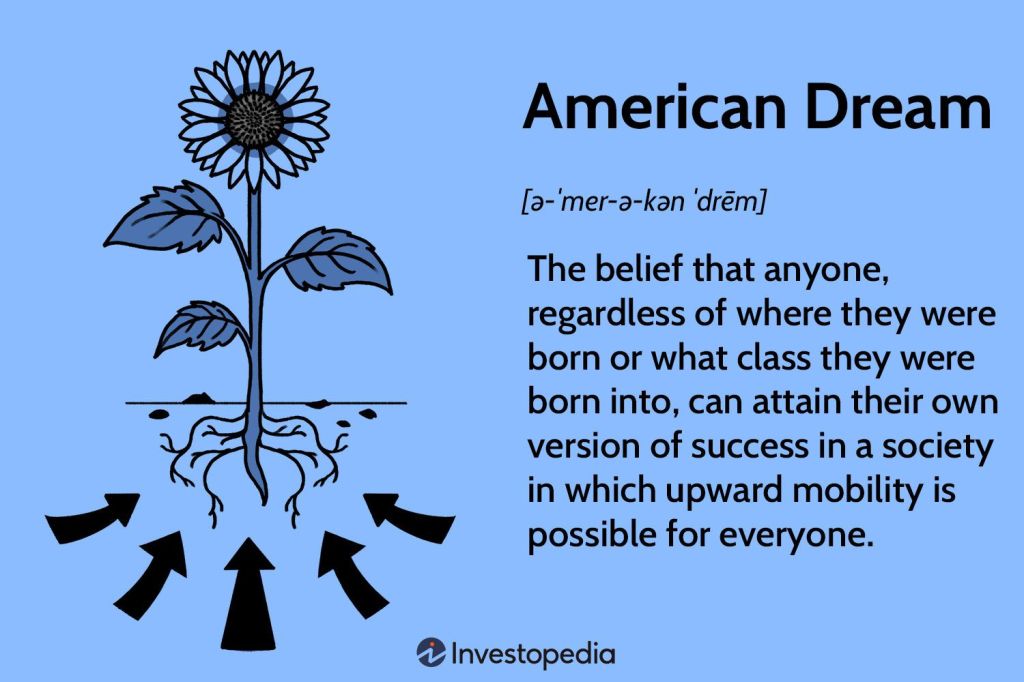
With over 70 years of combined experience in entrepreneurship, small business, franchises, and restaurants, Acceler8Success leadership is dedicated to helping entrepreneurs and business owners succeed in various economic climates. Acceler8Success has supported hundreds of franchisors and business owners in meeting their development goals and has helped thousands of individuals and investment groups achieve the American Dream of business ownership, including franchises and restaurants. Learn more here.

Unlocking Your Inner Entrepreneur: Do You Have What It Takes?

Determining whether you have what it takes to be an entrepreneur is a multifaceted question that involves introspection and an understanding of what entrepreneurship truly entails. Entrepreneurship is not merely about starting a business; it is about identifying a market opportunity, creating a venture to address that opportunity, and assuming the associated risks with the aim of achieving profits and growth. Entrepreneurs are the catalysts of economic innovation, introducing new products, services, and technologies that can disrupt industries and improve the quality of life.

An entrepreneurial skillset is extensive and covers a broad range of abilities essential for building and sustaining a successful business. Leadership stands at the forefront, requiring the ability to inspire, motivate, and guide a team towards achieving common goals. Effective leaders foster a collaborative environment, encourage creativity, and drive their teams to excel. Financial acumen is another critical skill, involving a deep understanding of financial statements, budget management, and making informed financial decisions that can ensure the viability and growth of the business. Without sound financial management, even the most innovative ideas can fail.

Marketing and sales skills are vital for an entrepreneur. Knowing how to market a product or service effectively, build a strong brand, and close sales are all crucial to gaining and retaining customers. Strategic thinking is necessary for developing long-term plans, anticipating market trends, and adapting strategies in response to the competitive landscape. Entrepreneurs must be able to think several steps ahead, plan for various scenarios, and pivot when necessary. Problem-solving skills are essential, as the entrepreneurial journey is fraught with challenges and obstacles that require quick identification and resolution. Networking is another critical skill, helping entrepreneurs build and maintain relationships with key stakeholders, including customers, investors, and partners. A robust network can provide support, resources, and opportunities that are crucial for business success. Time management skills ensure that entrepreneurs can prioritize tasks, manage their time efficiently, and maintain productivity in the face of numerous demands and distractions.

The entrepreneurial mindset extends beyond mere skills and includes a set of attitudes and traits that define successful entrepreneurs. Resilience is the ability to bounce back from failures and setbacks, which are inevitable in the entrepreneurial journey. Entrepreneurs often face rejection, financial difficulties, and other challenges, but resilience allows them to persist and continue striving towards their goals. As Steve Jobs once said, “I’m convinced that about half of what separates the successful entrepreneurs from the non-successful ones is pure perseverance.” Risk-taking involves a willingness to take calculated risks and embrace uncertainty. Entrepreneurs must be comfortable stepping into the unknown and making bold decisions that could either lead to success or failure. Passion is a deep commitment and enthusiasm for the business and its mission. This passion fuels perseverance and motivates entrepreneurs to keep pushing forward, even when faced with difficulties. Adaptability is the flexibility to pivot and adjust business strategies in response to changing market conditions. The ability to quickly adapt to new information and evolving circumstances is crucial in a fast-paced business environment. Vision is the ability to see the big picture and maintain a clear sense of direction and purpose. A compelling vision can inspire others and guide the entrepreneur’s decisions and actions. Self-motivation is the drive to take initiative and work independently without the need for external supervision. Entrepreneurs must be proactive and self-driven to keep their businesses moving forward.

Personal attributes are equally important for entrepreneurial success in today’s dynamic and competitive environment. Creativity is the capacity to think outside the box and develop innovative solutions and products. Creative thinking can lead to unique value propositions that differentiate the business from competitors. Perseverance is the determination to keep going despite obstacles and challenges. This quality is essential for navigating the ups and downs of the entrepreneurial journey. Confidence involves belief in oneself and one’s ability to achieve goals. Confidence can inspire trust and credibility, both internally with the team and externally with customers and investors. Empathy is the understanding and addressing of the needs and concerns of customers, employees, and other stakeholders. Empathetic entrepreneurs can build stronger relationships and create products and services that truly meet the needs of their target market. Curiosity is a constant desire to learn, explore, and stay informed about industry trends and advancements. A curious mindset can drive innovation and continuous improvement. Integrity upholds ethical standards and builds trust with all stakeholders. Maintaining high ethical standards is crucial for long-term success and reputation.

Whether you have what it takes to be an entrepreneur depends on your willingness to develop and hone these necessary skills, cultivate the right mindset, and embody the personal attributes that drive success. Entrepreneurship is not a one-size-fits-all journey; it requires continuous learning, adaptation, and a relentless pursuit of excellence. If you possess or are willing to develop these qualities, you may well have what it takes to embark on the exciting and challenging path of entrepreneurship. The journey of entrepreneurship is demanding, but for those who are prepared and determined, it offers the potential for significant rewards, both personally and professionally. As Richard Branson famously said, “Business opportunities are like buses, there’s always another one coming.” This optimism and readiness to seize new opportunities is a hallmark of the entrepreneurial spirit.

Make today a great day. Make it happen. Make it count!

Entrepreneurial Support

If you’re a current or aspiring entrepreneur that needs assistance, guidance, or just someone to talk to, please contact me by text at (832) 797–9851 or via email to paul@acceler8success.com. Please, don’t hesitate!

Tales of the Entrepreneurial Spirit: A Journey of Passion and Perseverance by Acceler8Success CEO & Founder, Paul Segreto

“Tales of the Entrepreneurial Spirit” captures the essence of innovation, resilience, and the relentless pursuit of dreams. This compelling collection of stories journeys through the highs and lows of entrepreneurs from various backgrounds and industries, showcasing the diversity of paths to success.

Within these stories, readers will find inspiration in the form of real-life experiences — from the initial spark of an idea to the hard-fought triumphs over setbacks. Each tale is a testament to the power of determination, creativity, and the indomitable human spirit.

Inspired by individuals who have transformed their dreams into reality, “Tales of the Entrepreneurial Spirit” serves as both a guide and a motivator for current and aspiring entrepreneurs alike. These stories outline the strategies that led to their breakthroughs, the challenges they faced, and the lessons learned along the way.

Whether you’re an established entrepreneur looking for renewed inspiration or someone dreaming of starting your own venture, these stories will provide you with the courage to take the step or a leap. “Tales of the Entrepreneurial Spirit” is more than just a compilation of stories; it’s a companion for your entrepreneurial journey, offering wisdom, encouragement, and the reminder that your dreams are valid — and achievable.

Join me as together, we explore the unwavering passion and perseverance that define the entrepreneurial journey. Let “Tales of the Entrepreneurial Spirit” ignite your ambition and guide you toward your own path to success.

A Personal Note

Since I began writing ‘Tales of the Entrepreneurial Spirit’, I’ve been supported enthusiastically by my family, friends, and colleagues. More importantly, the positive feedback from a diverse audience has been a key motivator for me. These stories have inspired many, including high school and college students, and have been widely shared. For everyone’s benefit, each linked story is listed below. There’s even an audio feature at the top of each page.

If you’d like to chat about your entrepreneurial experiences, challenges, or aspirations, please don’t hesitate to contact me. You may email me at paul@acceler8success.com or reach me by phone or text at (832) 797–9851. I’m eager to connect with you.

Make it a great journey. Make it happen. Make it count!

Lighting Up Lives: A Holiday Tale of Hope!

The Young Visionary: Riley’s Rise in Teen Entrepreneurship

The Artisan Executive: Reviving History, One Building at a Time

A Widow’s Triumph: The AquaClear Story

Alex’s Table: A Thanksgiving Tale of Redemption

Blueprints of Resilience: The Story of Allison and Carl

Scripting Success: The Gen Z Path from Prose to Profit

Crafting the American Dream: The Tapestry of Sueños Unidos

Victoria’s Success: From Layoff to Leading Influencer

WanderBound Adventures: from Dream to Destination

Following the Heart: The Harbor Bait & Tackle Shop Becomes a Dream Come True

From Adversity to Artistry: Melinda’s Journey

Dreams Do Come True: Amy & Randy’s Culinary Triumph

A New Beginning: Stephanie’s Journey from Darkness to Light

A Guiding Light of Hope: Kate’s Initiative

“Brett’s Workshop”- Resurrecting Yesterday’s Treasures

An Entrepreneur’s Awakening: Rediscovering Life’s True Passions

Beyond the Corner Office: The Evolution of an Entrepreneurial Legacy

Snapshots of Time: William’s Tribute to Small-Town America

Farmhouse Dog Foods: A Labor of Love for Canine Health

From Father to Son: The Evolution of a Family Business

A Helping Hand in Every Town: A Tale of Success and Community Impact

Rise and Shine: A Journey of Single Moms and Entrepreneurship

Grace’s Journey: A Single Mother’s Triumph

Building a Community: The Inspiring Journey of Shelly’s Restaurant

Bella’s Cafe: A Tale of Perseverance and Community

The Forgotten Touch: A Succession Story

From Frustration to Transformation: A Tale of Entrepreneurial Resilience

A Story of Entrepreneurship and Motherhood

The Art of Creative Thinking: A Sunday Morning Ritual