In the competitive world of business, kindness is often overlooked, yet it’s a powerful tool. Kind-hearted leadership and management foster a positive workplace culture, leading to increased employee satisfaction, loyalty, and productivity. When employees feel valued and respected, they are more likely to go above and beyond for their company.
Moreover, kindness in customer interactions builds trust and long-term relationships. Customers who experience genuine care and support are more likely to remain loyal and spread positive word-of-mouth. This not only enhances the brand’s reputation but also drives sustainable growth.
The Individual Quest: Kindness as a Success Multiplier
On a personal level, kindness can be a significant catalyst for success. Kind individuals often have better social networks, providing support and opportunities. Being kind also enhances one’s emotional well-being, leading to clearer thinking and better decision-making.
Furthermore, kindness can lead to a sense of fulfillment and happiness, which are essential for long-term success. When you’re content and at peace, you’re more productive, creative, and resilient in the face of challenges.
“Life is an echo. What you send out, comes back. What you sow, you reap. What you give, you get. What you see in others, exists in you.” – Zig Ziglar, Author and Motivational Speaker
A Question to Consider
How can incorporating kindness into your daily interactions, both professionally and personally, change your path to success?
From the Author, Paul Segreto, CEO & Founder, Acceler8Success Group
If you’d like to discuss your entrepreneurial experiences, challenges, or aspirations, or if you need guidance or coaching concerning your small business, restaurant, or franchise, please don’t hesitate to contact me. You can send an email to me at paul@acceler8success.com or you may reach me by text or phone at (832) 797–9851. I look forward to helping you.
Make it a great day. Make it happen. Make it count!
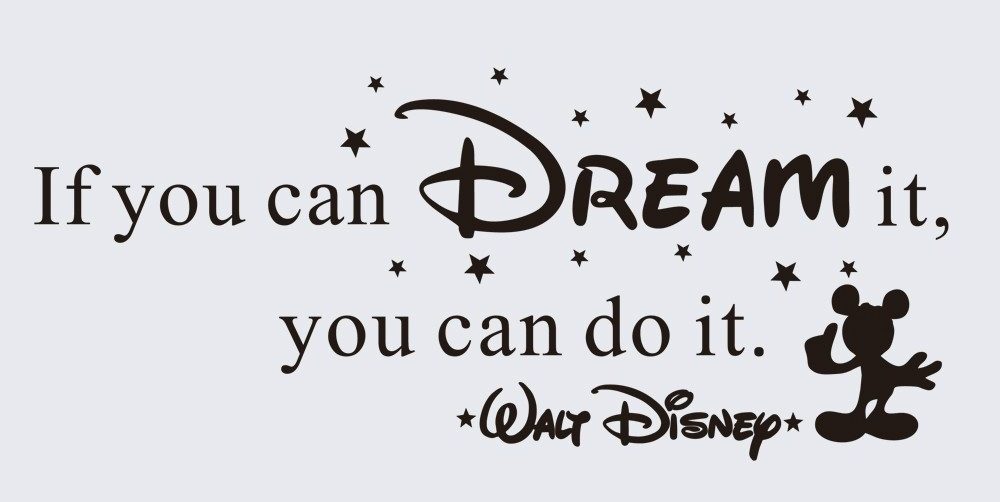
Dreams fuel the ambition and creativity that drive entrepreneurial endeavors. The essence of entrepreneurship lies not just in ideas or business acumen, but in the ability to dream and envision a different future. National Entrepreneurship Month serves as a reminder of this vital connection. In celebrating the power of dreams, especially for entrepreneurs, we acknowledge the transformative impact they can have on both individuals and society.
The Importance of Dreaming in Entrepreneurship
Dreaming as a Catalyst for Innovation
Entrepreneurs are often seen as pragmatic, focused individuals. However, it’s their capacity to dream that sets them apart. Dreams enable entrepreneurs to envision novel solutions and opportunities, pushing beyond the confines of the current reality. This imaginative process is the bedrock of innovation, leading to groundbreaking products and services that redefine markets and consumer experiences.
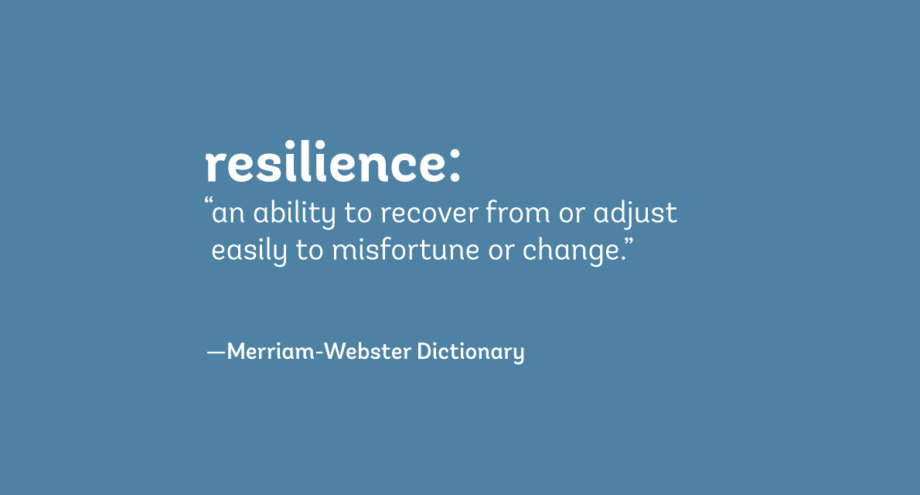
Dreams as a Source of Resilience
The entrepreneurial journey is fraught with challenges and setbacks. Dreams provide a source of resilience, offering a vision that keeps entrepreneurs motivated during tough times. When faced with obstacles, it’s the power of their dreams that reminds entrepreneurs why they started and what they aspire to achieve, helping them to persist and overcome adversity.
Dreams and Social Impact
Entrepreneurial dreams often extend beyond personal success. Many entrepreneurs dream of making a meaningful impact on society. Whether it’s through sustainable practices, community development, or innovative products that solve real-world problems, these dreams can lead to significant social change. Entrepreneurs with a vision for a better world can be powerful agents of progress.
Reflection Questions for Entrepreneurs
What is the Core of Your Dream? Reflect on the essence of your entrepreneurial dream. Is it driven by personal success, societal impact, or a combination of both? Understanding the core of your dream can help align your business strategies with your deeper motivations.
How Does Your Dream Shape Your Business? Consider how your dream influences your business decisions. Does it guide your product development, company culture, or customer engagement? Reflecting on this can ensure that your business remains true to your original vision.
How Do You Nurture and Adapt Your Dream? Dreams evolve. As an entrepreneur, it’s important to continually nurture and adapt your dream to changing circumstances and new insights. Think about how you can keep your dream alive and relevant in a dynamic business environment.
In conclusion, as much as individuals need to dream, the world needs entrepreneurs to dream even more. Their dreams are the seeds of innovation and change, driving progress in every sector. Entrepreneurs’ ability to dream – and to act on those dreams – is what ultimately shapes the future. In this National Entrepreneurship Month, let’s celebrate and encourage these dreams, for they hold the key to transforming our world.
From the Author, Paul Segreto, CEO & Founder, Acceler8Success Group
If you’d like to discuss your entrepreneurial experiences, challenges, or aspirations, or if you need guidance or coaching concerning your small business, restaurant, or franchise, please don’t hesitate to contact me. You can send an email to me at paul@acceler8success.com or you may reach me by text or phone at (832) 797–9851. I look forward to helping you.
Make it a great day. Make it happen. Make it count!
As we continue to honor National Entrepreneurship Month, it’s pertinent to grasp what entrepreneurship truly means. This quest for understanding is not just academic—it’s essential. How can we celebrate a concept without comprehending its essence?
So, what encapsulates entrepreneurship?
A Google search for “Definition of Entrepreneurship” returns an overwhelming one billion hits. The sheer volume signals a blend of definitions, perceptions, and misconceptions.
Oxford Languages offers a straightforward definition: “Entrepreneurship is the activity of setting up a business or businesses, taking on financial risks in the hope of profit.” Yet, this simplicity belies the multifaceted nature of entrepreneurial endeavors.
Wikipedia enriches the conversation, intertwining ‘entrepreneur’ with ‘entrepreneurship,’ suggesting an inherent connection. Their extensive four-paragraph explanation paints entrepreneurship as the generation of economic value, encapsulating change and risks beyond conventional business start-ups. It could also encompass broader values than mere economic gain.
An entrepreneur, then, is seen as a pioneer, an originator of fresh ideas, goods, services, and business processes, shouldering the risks and reaping the rewards. Some definitions narrow the scope to the launching and managing of new, often small, businesses, emphasizing the risk for profit. Yet, the harsh reality is that many start-ups fail due to an array of challenges.
In economics, ‘entrepreneur’ is assigned to those who transform innovations into marketable offerings, illustrating entrepreneurship as an activity of both new and established firms.
Deep into the search results, an intriguing definition surfaces on page ten: “Entrepreneurship is the pursuit of opportunity beyond the resources currently at one’s disposal.”
Subsequent findings on the same page suggest that entrepreneurship transcends traditional business activities. It’s about altering the status quo, turning novel ideas into solutions, often through technological innovation. It’s an endeavor not just for profit but for problem-solving, venturing into unknown business realms.
The discourse on entrepreneurship then circles back to its distinction from ordinary business. Is it a unique craft indicating a higher skill level, a standalone business model, or simply synonymous with being an entrepreneur? The debate remains open.
Confused? You’re not alone. The definitive explanation seems elusive, buried deep in search results on page fourteen, in an article collating various authors’ definitions. Perhaps the lack of a single, clear definition reflects the inherently diverse and dynamic nature of entrepreneurship itself.
From the Author, Paul Segreto, CEO & Founder, Acceler8Success Group
If you’d like to discuss your entrepreneurial experiences, challenges, or aspirations, or if you need guidance or coaching concerning your small business, restaurant, or franchise, please don’t hesitate to contact me. You can send an email to me at paul@acceler8success.com or you may reach me by text or phone at (832) 797–9851. I look forward to helping you.
Make it a great day. Make it happen. Make it count!
Creating a thriving business culture that resonates with a workforce spanning multiple generations and diverse backgrounds, particularly with a mix of younger Millennials, Gen Z, and immigrant workers, requires a nuanced approach that respects and integrates the varied expectations, work styles, and values of all employees. Here’s a detailed exploration of how a Baby Boomer generation entrepreneur can achieve this.
Understanding Generational Dynamics
The first step is to understand the different work-related characteristics and preferences of Baby Boomers, Millennials, and Gen Z employees. Baby Boomers are often motivated by positions of influence and concrete rewards, while Millennials and Gen Z workers tend to prioritize meaningful work, a positive impact on society, and work-life balance. Millennials often seek feedback and value mentorship, whereas Gen Z workers are digital natives who value independence and are adept at learning through online resources. Immigrant workers might bring a range of cultural expectations and experiences that further diversify the workplace.
Creating a Memorable and Positive Work Experience
To foster a workplace culture that delivers positively memorable experiences, the leadership must:
Embrace Flexibility: Offer flexible work arrangements to accommodate different work-life balance preferences.
Provide Purpose: Communicate the company’s mission and how each role contributes to the larger goal.
Foster Inclusion and Diversity: Create a culture that celebrates diversity and promotes inclusion at every level.
Encourage Innovation: Encourage all employees to contribute ideas and take ownership of projects, fostering a sense of innovation and entrepreneurship.
Promoting Longevity and Advancement
For the longevity of employees and their advancement into mid-management and above:
Career Development: Provide clear pathways for career advancement, including training programs tailored to different learning styles.
Recognition and Reward: Implement a recognition system that acknowledges contributions of all sizes across the organization.
Mentorship Programs: Pair younger employees with experienced workers for mentorship opportunities, promoting knowledge transfer and leadership development.
Ensuring Long-Term Sustainability and Growth
To achieve long-term sustainability and growth:
Regular Training: Offer ongoing training to keep all employees, regardless of age, up to speed with technological advancements and industry trends.
Cross-Generational Collaboration: Create teams that mix employees of different ages, fostering an environment where varied experiences lead to innovation.
Open Communication: Maintain transparency in company operations and decisions to build trust across the workforce.
Integrating Older Workers into the Solution
Older workers can be a crucial part of the solution by:
Leveraging Experience: Use their experience to mentor younger employees, passing on industry knowledge and professional wisdom.
Updating Skills: Offer opportunities for upskilling to keep them relevant in the ever-evolving workplace.
Valuing Insights: Encourage them to share their insights on long-term sustainability and business growth from their years of experience.
Addressing the Downside of Ignoring Cultural Fit
Not creating the right culture can lead to:
High Turnover: A lack of cultural fit is a significant driver of job dissatisfaction, leading to high turnover rates.
Lost Productivity: Without a cohesive culture, miscommunication and conflicts can arise, hampering productivity.
Stifled Innovation: A monolithic culture can stifle diversity of thought, limiting innovation and adaptation to market changes.
Reflective Questions
How can we tailor our career development programs to cater to the aspirations of Millennials and Gen Z without sidelining the contributions of older employees?
In what ways can we ensure that our company’s values resonate across generations and cultural backgrounds, fostering a universal sense of belonging?
What measures can we take to continuously assess and evolve our company culture to keep it aligned with the expectations of a diverse and dynamic workforce?
This approach ensures a cohesive, inclusive, and dynamic work culture that not only attracts a diverse talent pool but also retains it for long-term success. It’s a strategic process of balancing the legacy knowledge of older generations with the innovative spirit of the younger workforce, creating a symbiotic environment where every member feels valued and driven towards the company’s vision.
From the Author, Paul Segreto, CEO & Founder, Acceler8Success Group
If you’d like to discuss your entrepreneurial experiences, challenges, or aspirations, or if you need guidance or coaching concerning your small business, restaurant, or franchise, please don’t hesitate to contact me. You can send an email to me at paul@acceler8success.com or you may reach me by text or phone at (832) 797–9851. I look forward to helping you.
Make it a great day. Make it happen. Make it count!
November, recognized as National Entrepreneurship Month, serves as a reminder not only to celebrate the triumphs of entrepreneurship but to reflect on its pitfalls and challenges as well. In the entrepreneurial realm, despite meticulous planning and relentless effort, one may still encounter setbacks. These hurdles present various obstacles including financial strain, reputational damage, and can ripple out to affect team morale, relationships, and even personal realms such as family, health, and general well-being. Often, these issues are exacerbated by denial and a reluctance to face reality.
A common metaphor suggests that when we figuratively ‘bury our heads in the sand’, we expose our vulnerabilities to onlookers who might mock or exploit our precarious position. This self-imposed vulnerability stems not from the failure itself but from our refusal to stay resilient, learn from the experience, and proceed with focused determination—the hallmark qualities of a true entrepreneur.
The entrepreneurial voyage is punctuated by highs and lows, and while success stories are widely celebrated, the failures that pave the way to success often go unnoticed. Fear of failure, in particular, can be a significant obstacle, potentially stemming from a misconception that failure reflects one’s own worth or competence. Yet, history reminds us that failure is an essential learning step. Thomas Edison’s perspective on missed opportunities close to success and Michael Jordan’s stance on the necessity of effort over the fear of failure underscore this ethos.
Notable figures like Steve Jobs and J.K. Rowling exemplify resilience in the face of setbacks. Jobs, ousted from Apple, later returned to lead it to revolutionary heights. Rowling, despite numerous rejections, persevered to create a literary phenomenon. These narratives illustrate that failure, while not a guaranteed precursor to success, can be a transformative force.
To navigate the turbulence of failure, entrepreneurs should practice acceptance, recognizing failure as an integral component of growth. Risk-taking, while inherently linked to potential failure, is also essential for breakthroughs. Moreover, community support is crucial; learning from mentors and peers can offer solace and wisdom during challenging times.
In this complex tapestry of entrepreneurial endeavors, three reflective questions arise:
How can embracing the possibility of failure as a natural outcome change our approach to taking risks in business?
In what ways can entrepreneurs constructively use the lessons from failures to fuel innovation and pivot strategies effectively?
How can the entrepreneurial community foster a culture where sharing and learning from failure is as valued as celebrating success?
From the Author, Paul Segreto, CEO & Founder, Acceler8Success Group
If you’d like to discuss your entrepreneurial experiences, challenges, or aspirations, or if you need guidance or coaching concerning your small business, restaurant, or franchise, please don’t hesitate to contact me. You can send an email to me at paul@acceler8success.com or you may reach me by text or phone at (832) 797–9851. I look forward to helping you.
Make it a great day. Make it happen. Make it count!
The phrases Millennials, Generation Z, and Generation Alpha have become part of our lexicon when discussing different demographics. As we review the entrepreneurial inclinations of these groups, it’s important to clearly define each.
Millennials, referred to as Generation Y or Gen Y, come after Generation X and before Generation Z, as defined by Wikipedia. They were born between the early 1980s and the mid-1990s to early 2000s, specifically from 1981 to 1996. Typically, Millennials are the offspring of baby boomers and the first Gen Xers, and they frequently parent Generation Alpha kids.
Wikipedia also sheds light on Generation Z or Gen Z, sometimes known as “Zoomers.” This group follows the Millennials and comes before Generation Alpha. Their birth years range from the mid-1990s to the early 2010s. Most Gen Z individuals are the children of Generation X.
And then there’s Generation Alpha, or Gen Alpha, which Wikipedia describes as the group succeeding Gen Z. This generation began emerging in the early to mid-2010s and will continue until the mid-2020s. Generation Alpha, aptly named after the first letter of the Greek alphabet, represents the first group born entirely in the 21st century, with Millennials largely being their parents.
These generations are shaping the future of commerce and entrepreneurial ventures. Currently, Millennials and Gen Z are at the forefront of establishing new businesses. With both groups forming a significant portion of the current labor market, Gen Z might surpass Millennials in future business ownership.
Millennials and Gen Z are technologically adept and frequent users of social networks such as Facebook, Instagram, Twitter, and YouTube. They’re driven by passion, personal development, making a difference, and entrepreneurial ambitions.
In the narrative of generational attributes, Millennials have been described as internet-dependent, optimistic, secular, blending work and leisure, and believing that happiness transcends monetary wealth.
Generation Z follows Millennials and is recognized for pragmatism, a propensity for risk-taking, a high regard for authenticity, a preference for direct communication, and active community involvement.
Key differences emerge in areas such as attention spans, financial habits, and the use of technology, with Gen Z being more adaptive to rapid tech changes and less responsive to traditional advertising. They also differ in their approach to social media, relationships, and work, with Gen Z leaning towards collaboration and quality in their interpersonal connections, and showing a more adventurous spirit in entrepreneurship.
As for entrepreneurship trends, Millennials and Gen Z are more attuned to social impact and values-driven business models. They prioritize healthcare, environmental issues, and employment in their entrepreneurial endeavors. Many are solo proprietors and face financial barriers, with a substantial number having debts such as student loans.
Differences in work attitudes between the two generations have been identified, with Gen Z being more concerned about education costs, seeking their dream jobs, and being influenced by their parents compared to Millennials who value stability.
Franchising, though not a traditional choice for the approximately 139 million Millennials and Gen Z, is an opportunity that aligns with their preferences for affordability, digital proficiency, control over work, social responsibility, and innovation.
The intersection of professional cultures shaped by Millennials and Gen Z raises questions about their combined impact on the future workplace structure, which will likely continue to evolve away from pre-pandemic norms. Will these generations diverge in their professional pursuits or find common ground in their career ambitions? The workplace cannot perpetually remain a work in progress, after all.
As we reflect on the generational characteristics and their entrepreneurial tendencies, here are three questions to consider:
How will Millennials and Generation Z harmonize their entrepreneurial and workplace values to create cohesive business cultures, given their differing attitudes towards risk-taking, technology use, and social connectivity?
In what ways can policymakers and educational institutions support the unique financial and educational needs of Millennials and Generation Z to foster entrepreneurship, considering their high debt levels and concern for the cost of education?
As Generation Z and Millennials increasingly seek purpose and social impact in their work, how can businesses evolve to meet these expectations while still ensuring profitability and sustainability in a rapidly changing economic landscape?
So there is no mistake or misunderstanding, let’s summarize…
In the ever-evolving tapestry of our society, the distinct generations of Millennials, Generation Z, and Generation Alpha stand out for their unique entrepreneurial characteristics and influence on the business landscape. Millennials (Gen Y) have paved the way with their integration of work and life balance, valuing fulfillment over financial gain, and setting the stage for the advent of social media in business. Generation Z takes the baton with an innate technological savvy, pragmatism, and an appetite for risk, while also seeking authenticity and communal engagement. As they emerge, Generation Alpha promises to further redefine entrepreneurship in a world that’s more digital and interconnected than ever.
While these groups have their differences, such as in attention spans, financial habits, and technological adaptability, they share common threads in their passion for social impact and a desire to craft values-driven enterprises. The challenges they face, from student debts to the desire for affordable franchising opportunities, shape their entrepreneurial journeys. As these cohorts mature, the synergy between Millennials and Gen Z could determine the trajectory of the workplace, transforming it to suit their shared ideals and divergent strengths. As the world looks on, one thing remains certain: the work environment is set to evolve, reflecting the progressive ideologies and innovative spirits of these generational forces.
From the Author, Paul Segreto, CEO & Founder, Acceler8Success Group
If you’d like to discuss your entrepreneurial experiences, challenges, or aspirations, or if you need guidance or coaching concerning your small business, restaurant, or franchise, please don’t hesitate to contact me. You can send an email to me at paul@acceler8success.com or you may reach me by text or phone at (832) 797–9851. I look forward to helping you.
Make it a great day. Make it happen. Make it count!
As we continue to observe National Entrepreneurship Month, and anticipate Small Business Saturday by American Express later this month, it’s crucial to spotlight the role local entrepreneurs play in not only preserving the charm and character of small towns but also in propelling them into a future of economic vitality and community cohesion.
The revival of interest in Main Street economies signifies a broader trend of valuing localized, personalized, and community-centric business models. This shift not only promotes economic sustainability but also reinforces the social fabric of small-town America. With the increasing popularity of remote and hybrid work structures, individuals have the flexibility to live and work in these less populated areas, which in turn opens up new avenues for entrepreneurial ventures that cater to a diverse and growing demographic.
Family-owned businesses become cornerstones of local economies, often passing down through generations. This sense of legacy fosters deep-rooted trust and loyalty among community members. These businesses embody the spirit of entrepreneurship that is adaptable, resilient, and personalized — characteristics that are indispensable in the face of a rapidly changing economic landscape.
Local restaurants add another layer to the small-town experience, becoming symbols of cultural identity and culinary creativity. By sourcing ingredients from local producers, they not only bolster the agricultural community but also reduce environmental impact, contributing to sustainability initiatives.
The role of the community-minded entrepreneur is increasingly multifaceted. These individuals are not only business owners but also civic leaders, philanthropists, and innovators. They often collaborate with local organizations and governments to spearhead initiatives that enhance quality of life and drive economic development, all while preserving the unique character of their towns.
This resurgence of interest in small-town entrepreneurship harkens back to a golden era while looking forward to a future where these communities thrive. It acknowledges the undeniable contribution of these local heroes in shaping a resilient economy that is supportive, interconnected, and dynamic.
“There’s a lot more business out there in small town America than I ever dreamed of.” – Sam Walton
As we celebrate the entrepreneurial spirit, it is worth considering:
How can local entrepreneurs leverage technology to compete with larger corporations, while still maintaining the charm and personal touch that set them apart?
In what ways can small towns attract and retain the talent necessary to fuel entrepreneurial ventures and keep the local economy vibrant?
What role can community members play in supporting and promoting the success of local entrepreneurs to ensure the continued vitality and growth of small town economies?
Reflecting on these questions can lead to a deeper understanding and more targeted support of the entrepreneurial endeavors that are the lifeblood of small towns across America. Supporting local businesses is not just about economic transactions; it’s about nurturing the very essence of community life.
Interested in Becoming a Local Entrepreneur, Small Business Owner or Restaurateur in Small Town USA?
Are you thinking of business ownership for yourself and learning how the choice of a franchise, startup or acquisition can “jump-start” both the process AND your earning potential?
Acceler8Success Group can help. Our in-house small business and franchise professionals will help determine if you’re best-suited for buying a franchise, starting a new business, or acquiring an established business, and whether business ownership is right for you.
Entrepreneurship and business ownership are terms that are often used interchangeably, but they can signify different roles and mindsets in the world of commerce. The distinction often hinges on innovation, risk-taking, and the scale of ambition.
Entrepreneurs are typically seen as innovators who start businesses to bring new ideas, products, or services to the market, often filling a gap or addressing a need that has not been met. They are willing to take on greater than normal financial risks to do so. An entrepreneur’s goal is often to change the market dynamics with a scalable and potentially disruptive business model. For example, a tech startup founder developing a new app that aims to revolutionize how people share news stories is an entrepreneur because they are trying to introduce a change to the existing market.
In contrast, small business owners might not necessarily seek to innovate or disrupt markets. Their primary goal is to be their own boss, secure a livelihood, and perhaps serve a local community without necessarily scaling up. The local grocer, baker, or butcher from back in the day might be seen as a small business owner if they were simply following existing business models without seeking significant changes or innovations in their market.
However, the lines can be blurred. For example, an independent restaurant owner could be a small business owner if they’re opening a typical local eatery. But if they introduce a novel concept or unique dining experience not found elsewhere, they might be more accurately described as an entrepreneur.
A real estate broker or local attorney typically operates as a small business owner unless they are employing a novel business model or offering an innovative service that disrupts the current market.
Franchisees operate under a pre-established business model, which could imply they are not entrepreneurs in the purest sense. However, they do take on significant financial risk and must navigate many of the same challenges as other business owners. It could be argued that they exhibit entrepreneurial qualities by creating their own culture within their franchise business, and especially when venturing into area development or co-branding with multiple brands.
The essence of entrepreneurship lies in the creation, innovation, and scaling of new ideas into viable businesses, often involving considerable risk beyond just opening a shop or following a traditional business path. So, while all entrepreneurs are business owners, not all business owners are entrepreneurs in the strictest sense. As such, here are some questions to consider:
How does the distinction between entrepreneurship and small business ownership manifest in terms of day-to-day operations, long-term goals, and strategies for growth and adaptation?
In what ways might the evolving economic landscape and technological advancements blur the lines between traditional small business ownership and entrepreneurship?
How can small business owners cultivate an entrepreneurial mindset to innovate within their industries, and conversely, how might entrepreneurs ensure they maintain the community-oriented focus that often underpins successful small businesses?
To summarize, entrepreneurship is about the new and the novel, and the potential for growth beyond the local or traditional, while small business ownership focuses on the established, local, and often personal or community oriented. Each contributes vitally to the economy, but they play different roles within it.
From the Author, Paul Segreto, CEO & Founder, Acceler8Success Group
If you’d like to discuss your entrepreneurial experiences, challenges, or aspirations, or if you need guidance or coaching concerning your small business, restaurant, or franchise, please don’t hesitate to contact me. You can send an email to me at paul@acceler8success.com or you may reach me by text or phone at (832) 797–9851. I look forward to helping you.
Make it a great day. Make it happen. Make it count!
Entrepreneurship manifests in various forms, ranging from traditional startups and business ownership to contemporary side hustles, as well as those that blend personal artistic and creative prowess, like authorship and visual art. The latter involves creators who build a livelihood by producing and selling their original work.
Some may contend that authors and artists do not fit the entrepreneurial mold, but such a view overlooks the essence of entrepreneurship. When creative individuals harness their talents to generate income, nurturing a business through their endeavors, they indeed embody entrepreneurial spirit. As described on Wikipedia, an entrepreneur invests time, energy, and resources to create value for others, reaping monetary rewards and benefitting both themselves and their consumers.
Artist Entrepreneur: Leonid Afremov
Take Leonid Afremov, a Mexican-Israeli artist known for his modern impressionistic works crafted predominantly with palette knives and oils. He carved out a distinctive technique and style that set his art apart. Afremov’s pieces—vibrant landscapes, cityscapes, seascapes, florals, and portraits—steered clear of political themes.
Before the rise of online marketplaces like eBay, Afremov faced challenges as an artist. Born in Vitebsk, Belarus, and residing there until 1990, he later lived in Israel (1990-2002) and Boca Raton, Florida (2002-2010). His Jewish roots barred him from participating in government exhibitions or joining art associations in his homeland. Much of his early work, circulated privately or given away, lacked documentation, with little surviving to the present day—save for one pre-1990 painting held by his family.
The 1986 Chernobyl disaster brought additional turmoil, contaminating the environment near Vitebsk with radioactive fallout and profoundly impacting the health of local children, including Afremov’s two-year-old son. Coupled with anti-Semitic discrimination, these adversities prompted Afremov to migrate to Israel when Mikhail Gorbachev’s policies permitted. In May 1990, the Afremov family took a train from Minsk to Warsaw, followed by a flight to Israel, joining the early wave of the 1990s Russian-Jewish emigration.
Today, Afremov’s family continues to sell his original oil paintings, recreations, prints, and giclées via afremov.com.
Author Entrepreneur: J.K. Rowling
Similarly, J.K. Rowling, the celebrated author behind the Harry Potter series, exemplifies an author entrepreneur. Despite the Harry Potter brand’s worth of over $15 billion, Rowling’s story is rooted in humble beginnings. An InsideBusiness.com article details her journey, marked by personal loss, a brief and tumultuous marriage, and a return to the UK as a single mother and struggling writer, bearing the early chapters of “Harry Potter” in her luggage.
Settling in Edinburgh, Rowling battled depression and poverty, writing in cafés while her daughter slept beside her. Despite experiencing what she described in a 2008 Harvard commencement speech as her lowest point, Rowling transformed her situation into a triumphant narrative that today resonates worldwide.
Arts Entrepreneurship
Arts Entrepreneurship, as chronicled by AmericansForTheArts.org, is not a modern concept. Historically, artists have embodied the entrepreneurial spirit, though formal education in arts entrepreneurship is relatively new. Institutions such as the Eastman School of Music have been addressing it since the 1970s, with over a hundred colleges and at least thirty-three Master’s programs globally now offering dedicated courses.
Academic consensus on the definition of “entrepreneurship,” “arts entrepreneurship,” “creativity,” “imagination,” or “art” remains elusive due to the subjective nature of these terms. However, the Meadows School of the Arts at Southern Methodist University (SMU) delineates arts entrepreneurship as the creation of opportunity and value with the intention of profiting—financially or otherwise—by assuming risk and putting forth effort. In this realm, the art itself becomes the created value.
Reflective Questions
If you’re contemplating a career as an arts entrepreneur, here are several reflective questions for your consideration:
What unique value can you create through your art or writing, and how do you envision turning that value into a sustainable business model? Consider the balance between staying true to your artistic vision and the commercial aspects of running a successful enterprise.
How will you navigate the business challenges that are specific to the arts sector, such as intellectual property rights, fluctuating market demands, and the digitalization of creative content? Think about the strategies you might employ to protect your work while reaching a wider audience.
What resources, networks, and educational opportunities can you leverage to develop your entrepreneurial skills as an artist or author? Reflect on the importance of continuous learning and networking in the growth and evolution of your arts-based business.
Conclusion
The journey of an arts entrepreneur is both challenging and rewarding. It blurs the lines between the creative impulse and business acumen, illustrating that entrepreneurship is not confined to conventional business models but also thrives in the realms of art and literature. Figures like Leonid Afremov and J.K. Rowling stand as testaments to the potential that lies in the heart of the artistic entrepreneur. Their stories of overcoming adversity to create value that resonates on a global scale serve as powerful exemplars for aspiring creators. In embracing both their craft and the principles of entrepreneurship, they have paved the way for a new generation of artists and authors who are ready to turn their passion into a profession.
As we recognize the evolving landscape of arts entrepreneurship, supported by academia and a growing recognition of the creative industries as a legitimate and vital area of economic growth, we witness a promising horizon for those who dare to dream and do. This convergence of creativity and commerce marks not just a livelihood, but a dynamic and fulfilling way of life.
From the Author, Paul Segreto, CEO & Founder, Acceler8Success Group
If you’d like to discuss your entrepreneurial experiences, challenges, or aspirations, or if you need guidance or coaching concerning your small business, restaurant, or franchise, please don’t hesitate to contact me. You can send an email to me at paul@acceler8success.com or you may reach me by text or phone at (832) 797–9851. I look forward to helping you.
Make it a great day. Make it happen. Make it count!
In an era marked by technological advancement and a shift towards a more flexible job market, the concept of solopreneurship has become increasingly prevalent. A solopreneur is an individual who operates their business single-handedly, without any employees or partners. This model has become particularly attractive to freelancers, consultants, coaches, and professional service providers such as CPAs, financial planners, real estate and insurance agents, and attorneys.
Pros and Cons of Solopreneurship
Pros:
Full Control: Solopreneurs retain complete control over their business decisions, work style, and creative direction. This autonomy allows for rapid decision-making and a personal touch that many clients value.
Flexibility: Without the constraints of a traditional office environment or the need to manage a team, solopreneurs can work whenever and wherever they choose, leading to a better work-life balance.
Cost Efficiency: Operating solo eliminates the need for significant overhead costs. Solopreneurs can often work from home, saving on office space, and do not have the financial burden of employee salaries and benefits.
Cons:
Isolation: Working alone can lead to a sense of isolation, lacking the collaborative environment that a company can offer.
Capacity Limitations: There is a ceiling to how much work a single person can handle, which can limit income potential and the ability to scale the business.
Lack of Support: Solopreneurs must wear multiple hats, managing every aspect of their business, which can be overwhelming without the support structure that a company provides.
Treating Solopreneurship as a Business
To ensure sustainability and growth, solopreneurs should adopt a structured approach:
Develop a Business Plan: Articulate your business idea, target market, value proposition, and financial projections.
Establish a Brand: Create a strong brand identity that reflects your values and appeals to your target audience.
Financial Management: Keep meticulous financial records and understand your cash flow. Utilize software to streamline invoicing, billing, and tax preparation.
Invest in Marketing: Build a robust online presence with a professional website and use social media and content marketing to attract and retain clients.
Continuous Learning: Stay abreast of industry trends and invest in developing new skills that can enhance your service offering.
Scaling a One-Person Operation
Scaling a solopreneur business involves increasing revenue without significantly increasing workload:
Productize Services: Develop packaged offerings with set prices. This makes it easier to sell your services and scale without customizing every solution.
Outsource Non-Core Activities: Delegate tasks like administrative work, bookkeeping, or marketing to freelancers or virtual assistants.
Leverage Technology: Use automation tools for scheduling, customer relationship management, and project management to handle repetitive tasks efficiently.
Create Passive Income Streams: Develop courses, write e-books, or offer recorded webinars that can be sold multiple times without additional effort.
Build Strategic Partnerships: Align with other businesses or solopreneurs to offer complementary services, which can lead to referrals and shared projects.
Quotes About Solopreneurship
The following quotes reflect the multifaceted role of a solopreneur, highlighting the perseverance, self-reliance, and personal investment required to thrive in such a solo venture:
“Solopreneurs are the true definition of an entrepreneur. We bet on ourselves, turn vision into reality, and ‘company culture’ is whatever mood we’re in.” – Angela Benton, Founder & CEO of Streamlytics.
“As a solopreneur, you can make a living doing what you love. That’s the ultimate form of success.” – John Rampton, Entrepreneur and Connector.
“A solopreneur is not simply a ‘one-man-band.’ They are an orchestra, a production studio, a whole company wrapped in one passionate individual.” – Paul Jarvis, Author of “Company of One.”
“The solopreneur’s journey is a testament to self-belief, with the soundtrack of independence as its score, and the horizon of opportunity in its sights.” – Chris Ducker, Author of “Rise of the Youpreneur.”
“The beauty of being a solopreneur is that you can pivot at will, negotiate with agility, and realize the rewards of your hustle at the speed of thought.” – Dorie Clark, Author and Executive Education Faculty, Duke University Fuqua School of Business.
“As a solopreneur, your brand is a mirror image of your work ethic, your values, your passion. It’s not just business; it’s personal.” – Lewis Howes, Author and Podcaster.
“Solopreneurs don’t just run a business; they live their vocation. They’re in it with the entirety of their heart, soul, and the unyielding drive to create impact.” – Marie Forleo, Entrepreneur and Life Coach.
“To be a successful solopreneur, you must be comfortable with being uncomfortable. You are the business, the manager, and the worker all in one.” – Neil Patel, Digital Marketing Expert.
Books About Solopreneurship
The following books offer a combination of inspiration, practical advice, and real-world examples, giving readers a comprehensive look at what it takes to be a successful solopreneur in today’s economy:
“Company of One: Why Staying Small Is the Next Big Thing for Business” by Paul Jarvis
“The $100 Startup: Reinvent the Way You Make a Living, Do What You Love, and Create a New Future” by Chris Guillebeau
“The One Person Business: Make Great Money. Work the Way You Like. Have the Life You Want.” by Elaine Pofeldt
“The Lean Startup: How Today’s Entrepreneurs Use Continuous Innovation to Create Radically Successful Businesses” by Eric Ries
“The Solopreneur Life: 42 Solo-Business Owners Speak the Truth on Dreaming Big, Failing Forward, and Calling Your Own Shots” by Terri Hockett –
“The Freelancer’s Bible: Everything You Need to Know to Have the Career of Your Dreams
“Escape from Cubicle Nation: From Corporate Prisoner to Thriving Entrepreneur” by Pamela
“Solopreneur Ronin: Break the Chains, Earn Your Freedom, and Engineer a Happy Life Blogging from Anywhere” by Ryan Biddulph
“The E-Myth Revisited: Why Most Small Businesses Don’t Work and What to Do About It” by Michael E. Gerber
“Crush It!: Why NOW Is the Time to Cash In on Your Passion” by Gary Vaynerchuk
Reflection Questions for Aspiring Solopreneurs
What unique value can you provide that differentiates you from competitors, and how can you communicate this to potential clients?
How will you manage the potential isolation and capacity limitations inherent in solopreneurship, and what support systems can you put in place?
What scalable business model aligns with your strengths and lifestyle, and how can you implement systems to maintain a balance between growth and workload?
Conclusion
Solopreneurship is a viable and increasingly popular way to conduct business, offering independence, flexibility, and cost efficiency. However, it also comes with challenges such as isolation, capacity limitations, and the need for self-management. By treating solopreneurship with the same strategic planning as any business and by considering scalable models and support systems, solopreneurs can successfully grow their operations while maintaining the freedom that drew them to this mode of work in the first place.
From the Author, Paul Segreto, CEO & Founder, Acceler8Success Group
If you’d like to discuss your entrepreneurial experiences, challenges, or aspirations, or if you need guidance or coaching concerning your small business, restaurant, or franchise, please don’t hesitate to contact me. You can send an email to me at paul@acceler8success.com or you may reach me by text or phone at (832) 797–9851. I look forward to helping you.
Make it a great day. Make it happen. Make it count!









You must be logged in to post a comment.