Category: Entrepreneurship

The Crucial Role of Personal Branding for Hispanic Entrepreneurs

For Hispanic entrepreneurs, embracing personal branding is not just an essential business strategy, but also a means to transcend additional challenges often faced by minorities in the business landscape. By harnessing the power of personal branding, Hispanic entrepreneurs can craft an influential and authentic identity, helping to build trust and connection in their niche market. In this article, we will explore why personal branding is paramount, how it can be attained, and how it can catalyze success for Hispanic entrepreneurs.

A Beacon of Authenticity and Trust

In a society where representation matters more than ever, personal branding stands as a beacon of authenticity and trust. For Hispanic entrepreneurs, personal branding is a chance to showcase their unique perspective, heritage, and values to the world. In doing so, they can foster a deeper connection with their audience, encouraging loyalty and advocacy.

Bridging Gaps and Fostering Representation

The Hispanic community is noted for its rich diversity, vibrant cultures, and a long history of resilience and innovation. Personal branding allows Hispanic entrepreneurs to portray their stories, bridging gaps, and fostering representation in industries where minorities might be underrepresented. This not only aids in establishing a competitive edge but also plays a vital role in encouraging the next generation of Hispanic entrepreneurs.

How to Achieve Personal Branding: A Guided Approach

1. Identifying Unique Values and Skills

The first step towards personal branding is introspection. Hispanic entrepreneurs should delve deep to identify their unique values, skills, and strengths that set them apart from competitors. Highlighting these aspects will help in creating a brand that resonates with authenticity.

2. Storytelling

Harness the power of storytelling. Sharing personal narratives, success stories, or the influences of Hispanic heritage can create a powerful connection with the audience. The goal is to craft a narrative that is both personal and universal, reflecting the journey and aspirations of the wider Hispanic community.

3. Leveraging Social Media

Social media platforms are potent tools for building and nurturing a personal brand. Through consistent and engaging content, Hispanic entrepreneurs can reach a broader audience, forge partnerships, and establish themselves as thought leaders in their respective fields.

4. Networking and Mentorship

Building a network and seeking mentorship can accelerate personal brand growth. Networking provides opportunities for collaboration, while mentorship can offer valuable insights and guidance to navigate the business landscape more effectively.

5. Continuous Learning

To maintain and grow a personal brand, it is essential to embrace continuous learning. Keeping abreast of industry trends, honing skills, and adapting to the changing market dynamics are vital for sustaining a successful personal brand.

Accelerating Success: The Personal Brand Advantage

Personal branding can act as a catalyst for success, providing a platform to highlight the innovation, dedication, and expertise of Hispanic entrepreneurs. It can pave the way for increased visibility, business opportunities, and a more significant impact in their respective sectors. Moreover, it can be an instrumental tool in combating stereotypes and prejudices, showcasing the multifaceted and vibrant contributions of the Hispanic community to the business world.

In conclusion, personal branding emerges as a vital tool in the arsenal of Hispanic entrepreneurs, fostering a path laden with opportunities and growth. Through authentic representation and strategic branding efforts, Hispanic entrepreneurs can not only thrive in the business ecosystem but also be a beacon of inspiration and a testament to the rich tapestry of talent, innovation, and resilience that the community embodies.

Make it a great day. Make it happen. Make it count!

Acceler8Success America

Aligned with all aspects of Acceler8Success is a select team of highly experienced multi-lingual franchise & business development professionals whose primary focus is specific to Spanish, Portuguese & French speaking clientele as well as assisting with other non-English speaking clientele.

Under the leadership of Erik Premont, president of Acceler8Success Group, these professionals work directly with entrepreneurs and investment groups conducting business within international markets in exploring development opportunities and acquisitions within the United States.

They also provide assistance & guidance in introducing international brands to American franchising, either as a proven franchise brand prepared for growth or as a business model prime for launch as an emerging franchise brand.

For more information about Acceler8Success America, please reach out to Erik Premont on LinkedIn or by email to erik@acceler8success.com.

Merging Flavors: The Rise and Impact of Hispanic Cuisine in the American Restaurant Industry

The United States, a melting pot of cultures, exhibits a rich tapestry of culinary influences woven by various communities that have made the nation their home. Among these communities, the Hispanic population has notably imprinted a lasting mark on the American food scene, a phenomenon deeply reflected from bustling food trucks to the sophistication of fine dining establishments. This article outlines the substantial impact of Hispanic culture on the restaurant industry, painting a vibrant culinary picture that spans regions such as Texas, Southwest including New Mexico, Arizona, and California, Utah and Colorado in the Rockies, across the Midwest, and deep in the Sunshine State of Florida.

A Taste Journey Across America

Texas

In Texas, the Hispanic influence on the food industry is perhaps best encapsulated in the Tex-Mex cuisine, a robust blend of Mexican and Anglo fare. Often characterized by its generous use of cheese, meat, and spices, Tex-Mex found its place in food trucks and quick-service restaurants (QSRs). In the fast-casual scene, eateries offering Mexican staples such as tacos, burritos, and nachos have proliferated, bringing authentic tastes and inventive spins to the Texan palate. The barbacoa and the fajita are examples of dishes that have transcended beyond ethnicity, becoming staples in Texan cuisine.

New Mexico

Further west, in New Mexico, Hispanic influence permeates through New Mexican cuisine, a fusion of Pueblo Native American flavors with Spanish and Mexican touches. Known for its fervent use of chilies, both green and red, this culinary tradition manifests predominantly in fast-casual and full-service dining establishments. Innovations in fusion cuisine here have brought forward dishes like green chili stew and blue corn enchiladas, leaving a significant mark on the culinary ethos of the region.

Arizona

Arizona showcases a blend of Mexican culinary traditions with American tastes. Apart from traditional Mexican fare, Arizona has seen the rise of Sonoran cuisine, characterized by the use of wheat flour and beef. Restaurants and food trucks serving tacos with freshly made tortillas, tamales, and chimichangas (a deep-fried burrito) are a common sight, allowing locals and tourists to immerse themselves in a gastronomic experience that is both authentic and innovatively Hispanic.

California

In California, the story of Hispanic influence is written across a vast canvas of eateries, from food trucks offering quick bites to fine dining establishments presenting gourmet experiences. The state is a playground for fusion cuisine, with Hispanic flavors intertwining with Asian, Mediterranean, and even Californian farm-to-table concepts. From the ubiquitous taco trucks to high-end restaurants offering gourmet Mexican cuisine, the Golden State embodies a culinary spirit that is continually enriched by its Hispanic community.

Utah

In Utah, the Hispanic food scene is greatly influenced by the state’s significant Mexican community. The cuisine often includes staples such as burritos, tacos, tamales, and enchiladas, often found in both street food settings and restaurants. You can find a variety of Mexican eateries, ranging from family-run establishments to food trucks offering authentic Mexican dishes. Over time, this region has embraced a fusion where Mexican cuisine meets American, giving birth to new gastronomic experiences. In larger cities like Salt Lake City, the range of Hispanic cuisines has expanded to include offerings from other Latin American countries as well.

Colorado

The Hispanic food scene in Colorado is rich and diverse, with a heavy influence from Mexican cuisine, given its proximity to the Mexican border. This region is known for its unique Colorado-style Mexican food, which often incorporates green chiles, a prominent ingredient in many local dishes. Pueblo chiles, a type of green chile native to the state, are featured in numerous dishes. You might find regional specialties such as green chile stew and “Colorado Burritos” filled with green chile seasoned meats. The culinary scene is also enriched by other Latin American cuisines, offering a wider array of flavors and dishes.

Midwest

In the Midwest, Hispanic food has become increasingly popular and integrated into the broader food culture. The region hosts a melting pot of Hispanic cuisines including Mexican, Puerto Rican, and Cuban influences, among others. In larger cities like Chicago, one might encounter a diverse range of Hispanic cuisines from upscale restaurants to food trucks. Mexican cuisine tends to dominate, with a wide range of offerings including tacos, tamales, and mole dishes. However, due to the diverse Hispanic community in the region, it’s not uncommon to find Puerto Rican dishes like mofongo or Peruvian dishes like ceviche making a mark in the culinary scene.

Florida

Florida, particularly in areas like Miami, has a rich and vibrant Hispanic food scene heavily influenced by Cuban, Puerto Rican, and Dominican cuisines, amongst others. Cuban cuisine, known for dishes like ropa vieja, picadillo, and moros y cristianos, is particularly prominent, owing to a significant Cuban-American population. Additionally, you’ll find a strong presence of Colombian, Venezuelan, and other Latin American cuisines, offering a rich diversity of flavors and dishes. Miami’s Little Havana is a notable hub for Hispanic food, where one can find a plethora of restaurants serving traditional and fusion dishes, along with bakeries offering Hispanic pastries and sweets.

Redefining Fine Dining and Fusion Cuisine

The impact of Hispanic culture is not confined to casual dining alone; it stretches to the fine dining realm as well, offering gourmet experiences that marry tradition with modernity. In the fine dining sector, chefs of Hispanic descent are increasingly making their mark, crafting menus that offer a nod to traditional flavors while embracing contemporary culinary techniques. Restaurants are experimenting with upscale versions of traditional dishes, with a focus on premium ingredients and artistic presentation.

Moreover, fusion cuisine has witnessed a surge in popularity, with chefs combining Hispanic elements with flavors from around the world, creating culinary masterpieces that defy boundaries. Whether it is the incorporation of Mexican spices into Asian dishes or the fusion of Latin American flavors with Mediterranean touches, the face of fusion cuisine is continuously evolving, marked by creativity and an unapologetic love for flavors.

Conclusion

The Hispanic influence on the restaurant industry in the United States is a testimony to the community’s rich culinary heritage and the inherent versatility and adaptability of Hispanic cuisine. From the vibrant food trucks to the sophisticated fine dining establishments, the Hispanic community has enriched the American culinary landscape with flavors that are bold, vibrant, and unequivocally authentic. As the nation continues to embrace this culinary diversity, one can anticipate a future where Hispanic cuisine occupies a place of pride, representing a vital thread in the rich tapestry of American food culture.

Make it a great day. Make it happen. Make it count!

Acceler8Success America

Aligned with all aspects of Acceler8Success is a select team of highly experienced multi-lingual franchise & business development professionals whose primary focus is specific to Spanish, Portuguese & French speaking clientele as well as assisting with other non-English speaking clientele. 

Under the leadership of Erik Premont, president of Acceler8Success Group, these professionals work directly with entrepreneurs and investment groups conducting business within international markets in exploring development opportunities and acquisitions within the United States. 

They also provide assistance & guidance in introducing international brands to American franchising, either as a proven franchise brand prepared for growth or as a business model prime for launch as an emerging franchise brand.

For more information about Acceler8Success America, please reach out to Erik Premont on LinkedIn or by email to erik@acceler8success.com.

Hispanic Heritage Month: A Beacon of Entrepreneurial Spirit and Innovation in the USA

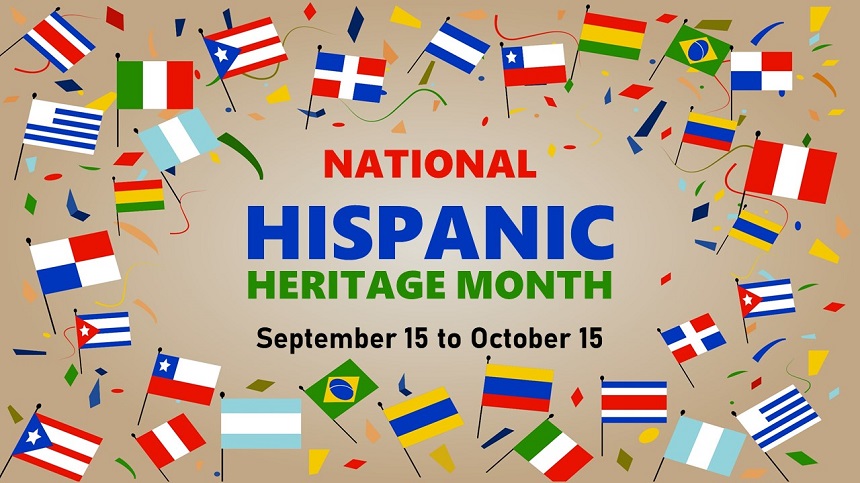
In the heart of autumn, as the leaves commence their annual transition from green to gold, the United States blossoms with vibrant hues of red, white, and green, celebrating Hispanic Heritage Month. Spanning from September 15 to October 15, this month is a tribute to the cultures and contributions of Hispanic and Latino Americans who have been integral in weaving the rich tapestry that is America. One area where the impact of Hispanics is profoundly felt is in the realm of entrepreneurship. The indomitable spirit of Hispanic entrepreneurs has not only fueled economic growth but has also brought a mosaic of diverse cultures and innovations to the fore.

A Flourishing Business Landscape

In recent years, the entrepreneurial endeavors of the Hispanic community in the USA have seen a remarkable surge. According to a report by the Stanford Graduate School of Business, as of 2017, there were over 5 million Hispanic-owned businesses in the country, a number that has presumably grown since. These enterprises span across various industries including technology, healthcare, marketing, and food services, painting a vibrant picture of the business landscape where Hispanics are playing a pivotal role.

Trailblazers in the Entrepreneurial World

The entrepreneurial journey is often spearheaded by visionaries who pave the way for others to follow. Hispanic entrepreneurs have indeed carved out a significant portion of the American market. Prominent figures such as Marcelo Claure, CEO of SoftBank Group International, and Nina Vaca, the Chairman and CEO of Pinnacle Group, stand as testament to the triumph and tenacity that characterizes the Hispanic business world. Their success stories, among many others, continue to inspire a new generation of aspiring entrepreneurs.

“Have passion and pride to be dynamic, distinguished, and extraordinary.” – Mirna Lopez Freitag

Innovation and Resilience: A Hispanic Trademark

The story of Hispanic entrepreneurship is also one of innovation and resilience. In the face of challenges, Hispanic business owners have continually adapted, finding new avenues to thrive. From utilizing technology to offering unique solutions to contemporary problems, their contribution to innovation is undeniable. Moreover, Hispanic entrepreneurs are noted for their communal approach, often seeking to uplift their communities alongside their business ventures.

Economic Empowerment and Community Building

Hispanic-owned businesses have had a substantial impact on the American economy, contributing hundreds of billions to the nation’s GDP annually. Furthermore, these businesses have become hubs for community engagement and networking. Through various entrepreneurial ventures, Hispanic business owners have created countless jobs, fostering economic empowerment and social upliftment within their communities.

According to the Joint Economic Committee Hispanic Entrepreneurship and Business Brief:

  • Nearly one in four new businesses is Hispanic-owned.
  • The nearly 5 million Hispanic-owned businesses in the United States contribute more than $800 billion to the American economy annually.
  • There are over 375,000 Hispanic-owned, employer businesses located across all 50 states and the District of Columbia. These enterprises employ at least one employee other than the owner.
  • Hispanic employer businesses employ about 1 million workers, with more than $100 billion in annual payroll. The number of Hispanic-owned businesses that employ at least one employee other than the owner increased by 14% between 2012 and 2017 — more than twice as fast as the national average.
  • In the decade preceding the pandemic, the number of Hispanic business owners increased 34% compared to an increase of just 1% among non-Hispanic business owners.

A Vision for the Future

As we navigate the complexities of the modern world, the role of Hispanic entrepreneurs is expected to become even more significant. Initiatives to foster education and entrepreneurial skills among Hispanic youth are already underway, promising a future where the Hispanic business footprint will grow even larger.

In celebration of Hispanic Heritage Month, it is vital to recognize not just the historical contributions of the Hispanic community but also their ongoing efforts in building a prosperous and inclusive America. The spirit of entrepreneurship within this community represents the very essence of the American dream – a testament to the boundless possibilities that await those who pursue their visions with courage and determination.

Conclusion

Hispanic Heritage Month serves as a reminder of the vibrant and diverse contributions of the Hispanic community to the USA, particularly in the realm of entrepreneurship. As we honor the rich history and culture that this community brings to the fore, let us also anticipate a future replete with innovation, growth, and prosperity, driven by the entrepreneurial spirit that seems to be woven into the very fabric of Hispanic heritage. This month, let us celebrate not only the heritage but the promise and potential that Hispanic entrepreneurs bring to the American economy and society.

Celebrating Hispanic Heritage: The Rich Tapestry of Hispanic Heritage Month 2023

Make it a great day. Make it happen. Make it count!

Acceler8Success America

Aligned with all aspects of Acceler8Success is a select team of highly experienced multi-lingual franchise & business development professionals whose primary focus is specific to Spanish, Portuguese & French speaking clientele as well as assisting with other non-English speaking clientele. 

Under the leadership of Erik Premont, president of Acceler8Success Group, these professionals work directly with entrepreneurs and investment groups conducting business within international markets in exploring development opportunities and acquisitions within the United States. 

They also provide assistance & guidance in introducing international brands to American franchising, either as a proven franchise brand prepared for growth or as a business model prime for launch as an emerging franchise brand.

For more information about Acceler8Success America, please reach out to Erik Premont on LinkedIn or by email to erik@acceler8success.com.

30 Must-Read Books to Mold You into an Accomplished Entrepreneur, Leader, and Businessperson

In the modern day business era, gaining insights and advice from experts can be a catalyst for growth and innovation. Aspiring entrepreneurs, leaders, and business professionals can greatly benefit from the wisdom housed within the covers of these 30 must-read books. From classics to newer titles, this curated list promises to hone your business acumen and leadership qualities.

  1. “The Tipping Point” by Malcolm Gladwell In this revolutionary book, Gladwell explains how small actions can create a ripple effect, leading to a “tipping point” of widespread change. A great resource for understanding market dynamics and the secrets behind viral trends.
  2. “The E-Myth Revisited” by Michael E. Gerber Gerber breaks down the myths surrounding starting your own business and walks readers through the steps of building a successful, scalable enterprise. It’s a practical guide to business management and entrepreneurship.
  3. “The Lean Startup” by Eric Ries Eric Ries presents a systematic, scientific approach for creating and managing successful startups in an age when companies have to innovate more than ever.
  4. “How to Win Friends and Influence People” by Dale Carnegie This timeless classic focuses on interpersonal skills, crucial for business leaders to forge meaningful connections and inspire teamwork.
  5. “Good to Great” by Jim Collins Collins delineates the factors that differentiate great companies from good ones, offering invaluable insights for business professionals aiming to achieve long-lasting success.
  6. “Thinking, Fast and Slow” by Daniel Kahneman A deep dive into human psychology and decision-making, which can greatly aid in business strategy and leadership development.
  7. “The Innovator’s Dilemma” by Clayton Christensen Christensen explores why large companies can fail despite good management, and how businesses can sustain growth through innovation.
  8. “The Effective Executive” by Peter Drucker This book focuses on time management and decision-making skills, a guide for executives aiming to be more effective and productive in their roles.
  9. “Dare to Lead” by Brené Brown Brené Brown discusses the fundamentals of modern leadership, focusing on vulnerability and empathy as strengths in the business environment.
  10. “Principles” by Ray Dalio Dalio shares the principles that have made him successful, offering guidance on making decisions, approaching challenges, and building strong teams.
  11. “Influence: The Psychology of Persuasion” by Robert B. Cialdini This book explores the psychology behind why people say “yes” and how to apply these understandings in various aspects of marketing.
  12. “The Art of War” by Sun Tzu A classic that offers wisdom on strategy and competition, essential reading for anyone in the business realm.
  13. “Drive: The Surprising Truth About What Motivates Us” by Daniel H. Pink Pink examines the science of motivation, providing new frameworks for encouraging productivity and satisfaction among employees.
  14. “The Hard Thing About Hard Things” by Ben Horowitz Horowitz provides advice on managing startups, offering insights from his personal experiences and addressing the tough challenges business leaders face.
  15. “Shoe Dog” by Phil Knight This memoir by the founder of Nike offers a candid look into the trials and tribulations of building a globally renowned company.

Further Essential Reads

  1. “Leaders Eat Last” by Simon Sinek
  2. “Zero to One” by Peter Thiel
  3. “Outliers” by Malcolm Gladwell
  4. “Mindset: The New Psychology of Success” by Carol S. Dweck
  5. “The Power of Habit” by Charles Duhigg
  6. “Crushing It!” by Gary Vaynerchuk
  7. “Measure What Matters” by John Doerr
  8. “The 7 Habits of Highly Effective People” by Stephen R. Covey
  9. “Grit: The Power of Passion and Perseverance” by Angela Duckworth
  10. “Atomic Habits” by James Clear
  11. “The Fifth Discipline” by Peter M. Senge
  12. “Built to Last” by Jim Collins and Jerry I. Porras
  13. “Deep Work” by Cal Newport
  14. “Never Split the Difference” by Chris Voss
  15. “Who Moved My Cheese?” by Spencer Johnson

Conclusion

Arming yourself with the wisdom contained in these books will not only help you develop a robust business mindset but also mold you into a leader capable of navigating the complex terrain of the modern business world. As you embark on this literary journey, be prepared to be inspired, challenged, and transformed into a better entrepreneur and businessperson.

Make it a great day. Make it happen. Make it count!

Fostering Growth and Unity: The Entrepreneurial Spirit of Giving Back

In the race to build successful enterprises, entrepreneurs are often seen as mavericks who stop at nothing to achieve their goals. However, their role in society is far more encompassing. As stewards of innovation and progress, entrepreneurs have an intrinsic duty to give back to their communities and play a pivotal role in shaping a better world. The act of giving back – be it through volunteering, charities, alumni networks, local community initiatives, national causes, or aiding in natural disasters – is not just a moral obligation, but a critical component that can augment their journey towards success. Let’s explore why giving back should be at the heart of every entrepreneur’s mission.

Creating a Positive Cycle of Giving

Giving back creates a virtuous cycle where the benefits are mutual. The entrepreneur receives fulfillment and personal growth, while society experiences a tangible improvement in many aspects. This positive cycle promotes sustainability and longevity, fostering a sense of unity and cooperation.

“It’s not how much we give, but how much we put into giving.”— Mother Teresa

Building Stronger Communities

Local Community Engagement

Engaging with local communities helps in building a sturdy foundation for the business. By investing in community programs or initiatives, entrepreneurs can foster relationships and networks that are mutually beneficial. Moreover, it creates a positive brand image and fosters customer loyalty.

Alumni Networks

Alumni networks are a rich source of knowledge, mentorship, and resources. Entrepreneurs can use these platforms to give back by offering their expertise, mentorship, or financial aid. This reciprocal relationship can help in fostering innovation and nurturing the next generation of entrepreneurs.

Spearheading National Causes

Entrepreneurs hold a position of influence, and their actions can resonate on a national level. By supporting national causes, they can contribute to the larger goal of societal progress. These initiatives can range from educational programs, healthcare initiatives, to supporting policies that encourage equality and justice.

Responding to Natural Disasters

In times of natural disasters, entrepreneurs can leverage their resources and networks to provide timely assistance. Their contributions can be multifaceted – from donating funds, organizing relief efforts, to reconstructing communities. This proactive approach showcases the entrepreneur’s responsibility and leadership in the face of adversity.

Cultivating a Culture of Compassion

Volunteering

Volunteering is a direct way for entrepreneurs to connect with various causes at a grass-root level. It fosters a sense of empathy and understanding, which can translate to a more compassionate approach to business.

Charities

Contributing to charities is a testament to the entrepreneur’s commitment to societal well-being. It allows businesses to reach out to sections of the society that are underserved, thus fostering inclusivity and diversity.

Enhancing Corporate Responsibility

Giving back also helps in enhancing corporate responsibility. It aligns the business with the larger goal of societal progress, fostering a positive corporate culture that values community and environmental well-being.

Conclusion

In conclusion, the role of an entrepreneur transcends the boundaries of business. Giving back should be viewed not as an ancillary activity but as an integral component that complements business objectives. It fosters personal growth, nurtures stronger communities, and paves the way for a more inclusive and compassionate society.

As entrepreneurs weave the fabric of progress, their commitment to giving back ensures that the tapestry is rich, diverse, and inclusive, weaving together threads of innovation, compassion, and community growth into a resilient, vibrant mosaic. It is this holistic approach that will define the successful entrepreneurs of the future, who not only aspire to attain business excellence but are also dedicated stewards of societal progress and well-being.

Make it a great day. Make it happen. Make it count!

Developing the Right Combination of Skills for the Modern Business Era Leader

In today’s business landscape, the role of a leader transcends the traditional boundaries of directing and overseeing a group of individuals. Leadership, now, is a multidimensional role that encompasses a perfect blend of various elements such as skillset, understanding, mentorship, accountability, and adept decision-making. But what is the right combination of these elements that forms the archetype of an effective leader? Let us review the intricacies of each element and explore the right combination that would epitomize the modern leader.

A Robust Skillset

A leader’s skillset is akin to the foundation of a towering structure. A blend of hard and soft skills forms the cornerstone of leadership. Technical skills, analytical abilities, and industry knowledge are vital. However, soft skills like communication, emotional intelligence, and adaptability have taken center stage in the current era. The right combination, therefore, is a harmonious blend of both, allowing leaders to navigate through complex situations seamlessly, fostering a conducive environment for growth and innovation.

Deep-Seated Understanding

Understanding in leadership is multi-faceted. It comprises a deep comprehension of the industry trends, organizational dynamics, and an innate understanding of human behavior. The essence lies in empathizing with the team, acknowledging their perspectives, and fostering a culture of inclusivity and diversity. A leader well-versed in these aspects can build a resilient and motivated team ready to take on challenges with a united front.

The Mentorship Paradigm

Mentorship is the bedrock of nurturing talent and fostering growth within an organization. A leader’s role extends beyond management; they are the mentors, guiding their team towards the achievement of individual and organizational goals. They are not just instructors but learners too, promoting a cycle of continuous learning and growth. Through proactive mentorship, leaders can instill a culture of mutual respect and collaboration.

Embracing Accountability

Accountability is the pillar of trust and reliability in leadership. Leaders who embody accountability not only take responsibility for their decisions but also foster a culture where team members are encouraged to take ownership of their actions. This attribute builds a transparent and trustworthy environment where individuals can work without fear of blame and with a clear focus on the objectives at hand.

Decisive Yet Thoughtful Decision-Making

Decision-making is often a litmus test for a leader. It is about striking the right balance between being decisive and being thoughtful. A leader’s ability to make informed, timely, and yet empathetic decisions can often be a defining factor in the success of a team or a project. This involves analyzing various facets of a problem, considering the potential impact on the team and the organization, and then making decisions that align with the larger organizational goals.

Bridging The Gap: The Ideal Combination

The right combination of these elements creates a leader who is not just proficient in their field but also compassionate, understanding, and approachable. The quintessential leader is one who exhibits a fine balance of technical expertise with emotional intelligence, fosters growth through mentorship, stands as a beacon of accountability, and portrays decisiveness with a tinge of empathy and foresight.

To cultivate this combination, one can start by:

  1. Continuous Learning: Encourage a culture of continuous learning to enhance both technical and soft skills.
  2. Open Communication: Promote open lines of communication to foster understanding and inclusivity.
  3. Leading by Example: Be a role model in showcasing accountability and responsible decision-making.
  4. Encouraging Innovation: Foster a space where team members feel empowered to innovate and take ownership of their roles.

Conclusion

In conclusion, the right combination of skillset, understanding, mentorship, accountability, and decision-making in leadership is akin to a finely orchestrated symphony. It is about creating a harmonious balance of various elements, each complementing the other, fostering a culture of growth, inclusivity, and innovation. The modern leader, therefore, is a beacon of wisdom, a mentor of growth, a harbinger of accountability, and a maestro of decision-making, leading organizations towards a future filled with possibilities and successes.

Make it a great day. Make it happen. Make it count!

Unleashing Intrapreneurship: Cultivating a Win-Win Ecosystem for Employees and Customers

The concept of intrapreneurship – a paradigm that encourages employees to act as entrepreneurs within their organization – has been heralded as a catalyst for organizational growth and customer satisfaction. This initiative not only bolsters the morale and proficiency of employees but also transcends into an enhanced customer experience. To foster a successful culture of intrapreneurship, it is pivotal to address the “What’s in it for me?” question by instituting substantial financial rewards for the intrapreneurs.

The term intrapreneurship refers to a system that allows an employee to act like an entrepreneur within a company or other organization. Intrapreneurs are self-motivated, proactive, and action-oriented people who take the initiative to pursue an innovative product or service.

Here’s how developing a culture of intrapreneurship can be a potent strategy to amplify both employee and customer experience.

A Nurturing Ground for Innovation

Embracing the Entrepreneurial Spirit

Fostering a culture of intrapreneurship implies endorsing a breeding ground where employees can freely innovate, take risks, and propose new ideas. This entrepreneurial spirit can lead to the creation of novel products, services, and processes that can potentially redefine customer experience. By allowing employees to take ownership and have a stake in the projects, organizations create a sense of purpose and commitment, which often translates into superior work quality.

Financial Rewards as a Motivation Booster

Addressing the critical question – “What’s in it for me?” necessitates establishing a financial rewards system that appreciates and acknowledges the efforts and risks undertaken by the intrapreneurs. Be it through bonuses, equity participation or profit-sharing, organizations can ignite a spark of motivation that not only retains top talent but also attracts innovative minds. This financial recognition can be a vital driving force, encouraging employees to relentlessly pursue excellence and innovation, thereby benefiting the organization at large.

Enhancing Customer Experience Through Intrapreneurship

Direct Impact on Product Quality and Services

An intrapreneurial culture tends to foster a hands-on approach to project development. Intrapreneurs, being deeply involved and invested in their projects, often ensure that the product or service is fine-tuned to meet customer expectations, thereby elevating the overall customer experience. The direct correlation between employee satisfaction and customer satisfaction cannot be overstated; happy employees often lead to happy customers.

Speed and Agility in Response

Intrapreneurship encourages a lean and agile approach to project development. By empowering employees to make decisions and take the helm of their projects, organizations can significantly reduce bureaucratic delays. This agility often results in quick adaptations to customer feedback, thereby continually enhancing the customer experience through iterative improvements.

Building a Sustainable Ecosystem

Inculcating a Learning Culture

A culture of intrapreneurship fosters a learning environment where employees are encouraged to experiment, learn from failures, and continually improve. This learning culture permeates throughout the organization, creating a vibrant and dynamic workspace that is adept at meeting the changing needs and preferences of customers.

Creating a Ripple Effect

A successful intrapreneurship initiative can create a ripple effect, influencing other employees to think innovatively and take the initiative. This environment of enthusiasm and innovation can transform the organizational culture into one that is focused on constant growth and customer satisfaction.

Conclusion

Developing a culture of intrapreneurship is more than an organizational strategy; it is an investment in fostering a fertile ground where innovation blossoms, and customer satisfaction thrives. By providing substantial financial rewards to intrapreneurs, organizations can fuel this cycle of growth, creating a win-win scenario where both employees and customers reap the benefits. It is about sculpting an ecosystem where individual growth aligns with organizational growth, crafting a trajectory that leads to unparalleled success and customer delight.

Make it a great day. Make it happen. Make it count!

The Entrepreneurial Tightrope: Walking Between Narcissism and Introversion

The business world teems with a variety of characters, from the cagey and protective entrepreneur who guards his secrets zealously to the open-book innovator ready to share the tricks of the trade with the wider community. The extent to which an entrepreneur should protect or share their innovative processes, methods, and procedures remains a complex question. This article explores the implications of both paths, how each can shape personal branding, and the potential perceptions of narcissism or introversion.

Protective Entrepreneurship: Guarding the Golden Goose

Pros:

  1. Maintaining Competitive Advantage: Being protective of business ideas and processes can safeguard a company’s competitive edge, ensuring others don’t replicate their success formula easily.
  2. Intellectual Property Preservation: Protecting innovations can facilitate building a robust intellectual property portfolio, which can be a lucrative asset.

Cons:

  1. Potential Isolation: Being overly protective might isolate entrepreneurs, depriving them of potential collaborations and partnerships that could foster growth.
  2. Narcissistic Perception: There’s a thin line between being protective and being perceived as narcissistic. An overly protective entrepreneur might be seen as someone too absorbed in their brilliance, potentially damaging their personal brand.

Personal Branding Strategy:

To avoid negative narcissistic labels, entrepreneurs adopting a protective strategy could focus on portraying a brand centered on innovation and exclusivity, emphasizing the unique value they bring to the market.

Open-book Entrepreneurship: Sharing the Wealth of Knowledge

Pros:

  1. Networking and Collaboration: Being open about business processes can foster collaboration, creating opportunities to work with industry leaders, lenders, and strategic partners.
  2. Thought Leadership: Open-book entrepreneurs often position themselves as thought leaders in their field, garnering respect and a strong reputation in the industry.

Cons:

  1. Vulnerability to Competition: Sharing too much can leave a business vulnerable to competition, with others freely adopting the shared methods and techniques.
  2. Introverted Perception: An open-book approach might sometimes be mistaken for an introverted personality, as the entrepreneur might be seen as too focused on sharing knowledge instead of aggressively pushing their business forward.

Personal Branding Strategy:

To prevent being labeled as introverted, open-book entrepreneurs can construct a personal brand that showcases their generosity and community-building spirit, demonstrating that their openness is a strength rather than a weakness.

Striking the Right Balance

To navigate between the potential pitfalls of being perceived as either narcissistic or introverted, entrepreneurs should aim to strike a delicate balance between protectiveness and openness. This could involve sharing insights and knowledge to a degree, while also safeguarding core business secrets and strategies.

The ideal approach would involve a nuanced strategy where the entrepreneur is seen as a generous industry leader, yet also a shrewd businessperson with a unique value proposition. This balance could potentially foster a personal brand that is both attractive and respected, promoting fruitful collaborations and future opportunities.

Conclusion

In conclusion, the extent to which an entrepreneur should be protective or open is a nuanced decision, intricately linked to personal branding and the perception in the business community. By carefully considering the implications of each approach and crafting a balanced strategy, entrepreneurs can build a personal brand that neither leans towards narcissism nor introversion, but instead portrays a mature, insightful, and collaborative industry leader ready to forge a successful path in the business landscape.

Poker and Entrepreneurship: Mastering the Game of Skill and Strategy

Often perceived as a leisurely game by many, poker can sometimes be more than a viable way t0 relax and unwind after a hectic week filled with decision-making and challenges. It may offer a much-needed pause from the bustling pace of life. Interestingly, poker also stands as a lucrative avenue for many who have turned the tables to secure a financially sound future through mastering the game. This fascinating dimension of poker has a profound intersection with the world of entrepreneurship.

Here we explore nine invaluable skills that can not only heighten the chances of winning at the poker table but also foster growth and analytical prowess in business landscapes. These skills, sharpened at the poker table, can translate into immense success in the entrepreneurial world. And for added perspective, let’s reflect upon various quotes by Doyle Brunson, an American poker player who played professionally for over 50 years.[

1. Mental Resilience: The Bedrock of Success

Both the business sphere and the poker table are arenas where mental agility and resilience hold paramount significance. Developing robust mental conditioning helps in crafting astute strategies and effectively deciding upon the opponents worth competing against. Just like a good poker game, in business, the mind needs to be centered and ready to face the unfolding challenges.

Patience is a virtue in poker. Don’t force the action; wait for the right opportunities to make your moves.

2. Adhering to the Process, Not Just the Results

Drawing from the wisdom of Captain Picard from Star Trek, we learn the importance of steadfastness and resilience. Sometimes even the perfect strategies in poker or business might not yield the desired results. Here, being process-oriented rather than focusing solely on the outcome can pave the way for long-term success, fostering a mentality where sensibility triumphs over mere luck.

“Poker is a game of skill. Luck may rule in the short term, but in the long run, skill prevails.”

3. Deciphering the Competitors

Just as in poker, where gauging the risk propensity of competitors can aid in formulating formidable strategies, business landscapes require a deep understanding of market competitors. Knowing the strengths and weaknesses of rivals can facilitate crafting counterstrategies that keep you ahead in the game.

A man with money is no match against a man on a mission.

4. Envisaging Various Scenarios

In both poker and business, unpredictability reigns supreme. Hence, each move should be meticulously planned, considering all possible outcomes, especially the worst-case scenarios. This proactive approach aids in navigating through unforeseen developments with ease.

Try to decide how good your hand is at a given moment. Nothing else matters. Nothing.”

5. Wisdom in Folding Your Aces

There comes a time in poker when even the best hole cards may not promise a win, echoing the business scenario where even the finest products might not witness success due to unfavorable market conditions. In such instances, it’s vital to remain resilient and learn from experiences.

“The most important aspect of poker is not the cards you are dealt; it’s how you play them.”

6. Thriving Under Pressure

High-stake situations, be it at the poker table or in business, promise grand victories. Here, maintaining composure and not succumbing to pressure can be the defining factor between success and failure.

The best way to improve your poker game is through experience. Learn from your mistakes and constantly strive to get better.

7. Prudent Financial Management

Financial prudence is key in both arenas. It dictates avoiding high-stake games with a meager bankroll, emphasizing the necessity of sound financial planning and management in the entrepreneurial domain.

“Bankroll management is crucial in poker. Don’t risk more than you can afford to lose.”

8. Avoiding the Perils of Chasing Losses

In the heat of the moment, chasing losses can seem tempting, but it can cloud judgment and lead to detrimental decisions. Just as in poker, business decisions should be taken on their individual merit without being swayed by previous results.

“Failure should be our teacher, not our undertaker.”

9. Embracing Responsibility

At the core of success in both poker and business is responsible behavior. It entails being aware of one’s capabilities and making informed decisions concerning investments and time allocations. Moreover, maintaining a balance and not letting professional pursuits hamper personal and family life stands as a hallmark of responsible entrepreneurship.

“It’s not the cards that you have all the time that makes you a winner or a loser.”

In conclusion, the art of playing poker harbors rich lessons that can transcend the gaming table and find significant applications in the entrepreneurial world. When navigated with skills honed at the poker table, the complex landscapes of business can unfold as a rewarding journey, fostering not just financial success but also personal growth and resilience.

Poker is a game of strategy, but it’s also a game of people. Understanding human nature and exploiting your opponents’ weaknesses is key.

Resources & Support

The future may be a bit bumpy for some, more so for others. Knowing who to turn to and when for guidance and help is important. Having resources at your disposal is essential.

So, if you hit a wall, for whatever reason, please feel free to reach out to me for assistance or even if you just need someone to talk to. Please do not hesitate.

You can reach me on LinkedIn, by email to Paul@Acceler8Success.com, and by phone or text at (832) 797–9851.

Learn more about Acceler8Success Group at Acceler8Success.com and at Entrepreneurship411.com.

Make it a great day. Make it happen. Make it count.

The Art of Entrepreneurial Mastery: Balancing Time Management, Organization, and Delegation for Success

Wearing multiple hats is more of a rule than an exception in the fast-paced, every changing world of entrepreneurship. Entrepreneurs, often found steering the ship alone or with minimal support, find themselves entangled in a web of never-ending tasks and responsibilities. The equilibrium between nurturing the existing business (working in the company) and strategizing for its future (working on the company) is a delicate one. Adding to this complexity is the critical necessity to foster professional relationships and secure capital for scalable growth. At this junction, the indispensability of effective time management, organization, and delegation comes to the forefront. In this article, we’ll take a look into these soft skills that hold the edifice of successful entrepreneurship.

Time Management: The Essence of Productivity

Time is the most precious resource at an entrepreneur’s disposal. Effective time management goes beyond merely allocating time slots for various tasks. It is about prioritizing activities based on their urgency and importance, enabling entrepreneurs to focus on what matters most at any given point. Furthermore, it aids in carving out time to foster and nurture relationships with lenders, bankers, and potential investors – connections that could be pivotal for the business’s survival and growth.

Strategies for Effective Time Management:

  1. Eisenhower Matrix: A tool to help differentiate between urgent and important tasks, aiding in prioritizing effectively.
  2. Time Blocking: Allocating specific blocks of time for distinct tasks, including time for networking and building relationships.
  3. Pomodoro Technique: Working in bursts of focused time slots followed by short breaks to maintain a high level of productivity.

Organizational Skills: Crafting Order out of Chaos

Organizational skills in entrepreneurship are like a beacon in the chaotic sea of tasks and responsibilities. These skills help in keeping track of financials, inventory, schedules, and much more, bringing a semblance of order and efficiency. Besides, being organized assists in presenting a professional and reliable front when interacting with lenders and potential recruits, projecting the image of a well-oiled and managed company.

Tips for Enhancing Organizational Skills:

  1. Project Management Tools: Utilizing tools like Asana or Trello to streamline tasks and monitor progress.
  2. Documentation and Record Keeping: Maintaining meticulous records for easy retrieval and reference.
  3. Routine Development: Establishing routines for regular tasks to foster consistency and efficiency.

Delegation: Multiplying Efforts for Greater Reach

Delegation, often easier said than done, is the hallmark of a leader who understands the limitations of being a one-man army. It is about entrusting responsibilities to team members, thereby creating room for focusing on strategic elements of the business, like executive recruitment and capital raising. Delegation not only divides the workload but multiplies the outcomes, paving the path for scalability.

Approaches to Effective Delegation:

  1. Identifying Strengths and Weaknesses: Recognizing the skills of team members and assigning tasks accordingly.
  2. Communication and Training: Ensuring clear communication of expectations and providing necessary training.
  3. Feedback and Recognition: Creating a cycle of feedback and recognition to foster growth and improvement.

Conclusion: Finding the Equilibrium

In the grand scheme of entrepreneurship, the balancing act between working in and on the company while simultaneously nurturing professional relationships is a challenging yet rewarding endeavor. Mastering the art of time management, honing organizational skills, and embracing delegation can transform an overwhelmed entrepreneur into a dynamic leader, ready to scale new heights.

In the end, entrepreneurship is a journey of continual growth and learning. By adopting these essential skills and approaches, entrepreneurs can navigate the complex waters of business management with adeptness, ensuring not just survival but a thriving and prosperous business venture in the competitive market landscape.

Resources & Support

The future may be a bit bumpy for some, more so for others. Knowing who to turn to and when for guidance and help is important. Having resources at your disposal is essential.

So, if you hit a wall, for whatever reason, please feel free to reach out to me for assistance or even if you just need someone to talk to. Please do not hesitate.

You can reach me on LinkedIn, by email to Paul@Acceler8Success.com, and by phone or text at (832) 797-9851.

Learn more about Acceler8Success Group at Acceler8Success.com and at Entrepreneurship411.com.

Make it a great day. Make it happen. Make it count.