Tag: Business

Transforming Your Business with the Disney and Apple Mindset

Disclaimer: The images in this article were developed using AI to visually represent the concept of a business inspired by Disney and Apple. These AI-generated visuals are not real-world depictions but are intended to provoke thought and inspire possibilities. Just as Disney and Apple push the boundaries of innovation and imagination, AI serves as a tool to help visualize what a business could become when built with an obsessive focus on excellence, customer experience, and attention to detail.

If Disney or Apple owned your business, how would every customer interaction, process, and detail transform to create an unforgettable experience?

Two companies stand out when it comes to delivering positively memorable experiences. Disney and Apple have set the benchmark for customer experience, attention to detail, and brand loyalty. Their success is not just about the products or services they offer but how they have built cultures that embrace excellence, consistency, and emotional connection. If a business—whether in retail, service, or the restaurant industry—were to operate under the same principles as Disney or Apple, it would require a deep commitment to a customer-centric philosophy and a relentless pursuit of perfection in every aspect.

At the foundation of such an approach is culture. Disney and Apple have strong, well-defined cultures that guide their employees’ actions, behaviors, and decisions. A business looking to replicate this must first establish core values that define the brand’s essence and mission. These values should be ingrained in every employee, starting from the hiring process. Employees must be selected not just for their skills but for their alignment with the company’s philosophy. Training is an ongoing effort, not just an onboarding event. Employees must be empowered to make decisions that enhance the customer experience without waiting for managerial approval. This level of trust and autonomy ensures that service remains seamless and consistently exceeds expectations.

Processes and procedures play a crucial role in maintaining a standard of excellence. Every customer touchpoint must be carefully analyzed, designed, and refined to ensure a frictionless and enjoyable experience. This means reducing complexities, eliminating unnecessary steps, and predicting customer needs before they even arise. Apple stores, for example, are designed with a clear and intentional flow, allowing customers to engage with products freely and interact with knowledgeable employees rather than feeling pressured by sales tactics. Disney’s theme parks follow a strict operational design that minimizes wait times and ensures guests are immersed in magic at every turn. A business following this model must create systems that make interactions effortless, whether it’s a streamlined checkout process, intuitive service flow, or personalized engagement.

Branding must go beyond logos and colors to become a fully immersive experience. Both Disney and Apple have mastered the art of creating emotional connections with their audiences. Every touchpoint, from advertising to physical environments to digital interactions, must tell a cohesive story that resonates with the customer. A business aspiring to this level of excellence must consider how its brand is perceived at every level. It should have a clear brand promise and ensure that every experience lives up to that promise. Consistency is key. Customers should receive the same level of service and engagement regardless of location, time, or platform. This requires meticulous training, well-defined brand standards, and a leadership team committed to enforcing those standards.

“Do what you do so well that they will want to see it again and bring their friends.” – Walt Disney

The customer experience should be designed around emotional impact. Disney’s magic is rooted in storytelling and immersive experiences. Apple’s genius lies in simplicity, elegance, and an almost obsessive attention to detail. A business that adopts this approach must consider how it makes customers feel. Every detail, no matter how small, contributes to the overall perception. The physical space must be welcoming, intuitive, and engaging. Service interactions must be warm, knowledgeable, and proactive. Digital experiences must be seamless and user-friendly. Every aspect of the business must be engineered to delight and surprise, fostering a sense of loyalty and advocacy.

Technology should be leveraged to enhance, not replace, human interaction. Apple uses technology to create effortless customer journeys, from mobile checkouts to personalized recommendations. Disney incorporates technology to elevate guest experiences, whether through mobile apps, interactive attractions, or seamless payment systems. A business adopting this mindset must embrace technology as a tool for personalization, efficiency, and engagement. It should not be implemented for the sake of innovation alone but with the intent of making customer interactions more intuitive and meaningful.

“Be a yardstick of quality. Some people aren’t used to an environment where excellence is expected.” – Steve Jobs

Marketing and community engagement must reflect the brand’s core values. Disney and Apple do not simply sell products; they sell a vision, a feeling, a lifestyle. Their marketing efforts are aspirational, focusing on what customers can experience, achieve, or become. A business that follows this model must craft messaging that goes beyond features and benefits to tap into human emotion. It must create a community around the brand, fostering deep connections through storytelling, exclusivity, and authenticity. Social media, content marketing, and public relations should all align to create a seamless narrative that reinforces the brand’s identity.

The leadership team must embody the brand’s values at every level. It is not enough to create a mission statement and expect employees to follow it. Leaders must set the example, demonstrating the same level of commitment to excellence and customer focus that they expect from their teams. They must be involved in the details, actively participating in the customer experience and constantly refining processes to improve them. They must also foster a culture of innovation, encouraging employees to challenge norms, bring forth new ideas, and contribute to the evolution of the brand.

A business operating with the mindset of Disney or Apple must be unwavering in its commitment to excellence, from the way employees are trained to the way products and services are delivered. Every detail matters. Every experience should be designed with the customer in mind. The brand should not just be a company that sells products or services, but an entity that customers trust, admire, and connect with on a deeper level. Those who master this approach do not just attract customers; they create lifelong brand advocates who return time and time again, not just for what they buy but for the way it makes them feel.

So, with a Disney and Apple mindset, what steps can/will you take to make positively memorable experiences an unrelenting passion and as such, a reality in your business?

Make today a great day. Make it happen. Make it count!

About the Author

With more than 40 years of experience in small business, restaurant, and franchise management, marketing, and development, Paul Segreto is a respected expert in the entrepreneurial world, dedicated to helping others achieve success. Whether you’re an aspiring or current entrepreneur in need of guidance, support, or simply a conversation, you can connect with Paul at paul@acceler8success.com.

About Acceler8Success Group

Acceler8Success Group empowers entrepreneurs and business leaders with personalized coaching, strategic guidance, and a results-driven approach. Whether launching, scaling, or optimizing a business, we provide the tools, mentorship, and resources to drive long-term success.

Springtime Brunch: A Restaurant’s Best Friend for Bouncing Back from Winter Slumps

The following article was originally published in March 2024.

How Spring Fever Can Transform Your Restaurant

As winter begins to fade and signs of spring grow increasingly evident day by day, the restaurant industry can harness the transformative energy of the season to rejuvenate and thrive. This period, often marked by “spring fever,” is not just a metaphorical awakening of nature but also a prime opportunity for restaurant owners and entrepreneurs to breathe new life into their establishments. Let’s explore how the principles of a fresh perspective, approach, attitude, and the ritual of spring cleaning can collectively elevate a restaurant’s experience, foster innovation, and positively impact mental well-being.

A Fresh Perspective: Menu Innovation and Customer Experience

Spring is the season of renewal, making it the perfect time for restaurant owners to refresh their menus with seasonal ingredients and introduce innovative dishes that excite the palate. This fresh perspective extends beyond the menu, touching every aspect of the customer experience, from decor updates to enhanced service protocols. Embracing seasonality in your offerings not only showcases your commitment to quality and sustainability but also keeps your clientele engaged and eager to see what’s next.

Incorporating seasonal themes into your restaurant’s ambiance and marketing can rejuvenate your brand’s appeal. Engage with your customers through social media, sharing behind-the-scenes looks at menu development or inviting them to spring-themed events. This strategy can reinvigorate your customer base and attract new patrons, driven by the allure of experiencing something new and seasonal.

A Fresh Approach: Sustainability and Efficiency

With the spirit of spring in the air, it’s an opportune time to reevaluate your restaurant’s operational efficiencies and sustainability practices. A fresh approach might involve reducing waste, implementing energy-saving solutions, or sourcing ingredients locally. These changes not only benefit the environment but can also enhance your restaurant’s reputation and appeal to a growing demographic of eco-conscious consumers.

Consider adopting technologies or systems that streamline operations, from reservation and ordering systems to kitchen management tools. Efficiency in these areas can improve customer satisfaction and allow your team to focus on delivering exceptional dining experiences.

A Fresh Attitude: Team Engagement and Morale

The psychological boost that comes with spring can significantly impact the mood and motivation of your staff. Embrace this natural uplift to foster a positive work environment, where team members feel valued and inspired. A fresh attitude can be contagious, enhancing the overall dining experience for your guests.

Organize team-building activities or training sessions that align with your spring renewal theme. Investing in your staff’s development not only boosts morale but also equips them with the skills needed to elevate service quality and innovate within their roles.

Spring Cleaning: Revitalizing Your Space for Mental Clarity

Spring cleaning is a powerful tradition that significantly impacts both the physical environment of your restaurant and the mental well-being of your staff and customers. Thoroughly cleaning and organizing the kitchen, dining areas, and patio enhances the ambiance, making it more welcoming. Decluttering storage areas boosts efficiency and decreases stress. Adding spring flowers at entrances and on tables further elevates the atmosphere.

This season, take the time to assess and organize not just your physical space but also your restaurant’s digital presence. Update your website and social media profiles to reflect your spring renewal efforts. A clean, well-organized, and up-to-date online presence can attract more customers and enhance their engagement with your brand.

In summary, spring offers a unique opportunity for the restaurant industry to innovate, rejuvenate, and reconnect with customers and team members. By adopting a fresh perspective, approach, attitude, and committing to the practice of spring cleaning, restaurant owners can harness the season’s energy to drive success. This period of renewal is not just about temporary changes; it’s about setting the foundation for sustained growth and vibrancy in the vibrant world of food and hospitality.

Make today a great day. Make it happen. Make it count!

About the Author

With more than 40 years of experience in small business, restaurant, and franchise management, marketing, and development, Paul Segreto is a respected expert in the entrepreneurial world, dedicated to helping others achieve success. Whether you’re an aspiring or current entrepreneur in need of guidance, support, or simply a conversation, you can connect with Paul at paul@acceler8success.com.

About Acceler8Success Group

Acceler8Success Group empowers entrepreneurs and business leaders with personalized coaching, strategic guidance, and a results-driven approach. Whether launching, scaling, or optimizing a business, we provide the tools, mentorship, and resources to drive long-term success.

Surviving the Restaurant Industry Shakeup (Part Two): Staying Ahead of Customer Needs and Exceeding Expectations

A recent article at Acceler8Success Cafe, Surviving the Restaurant Industry Shakeup: Why Customer Experience and Marketing Matter More Than Ever, explored the challenges facing restaurant operators today. It emphasized how customer experience and marketing are more crucial than ever in a highly competitive and rapidly evolving industry. While these elements are critical, a seasoned industry professional recently shared that success ultimately comes down to strong operations. A well-run restaurant that prioritizes attention to detail, efficiency, and proactive problem-solving is far more likely to stand the test of time.

This article builds on those insights by exploring the importance of staying ahead of customer needs and expectations. It is not enough to react to issues as they arise. Instead, restaurant operators must anticipate customer desires, address concerns before they become problems, and create a culture where staff takes ownership of the entire guest experience.

The effort to stay ahead does not just improve daily operations. It can position a restaurant for long-term growth, even expansion. By focusing on the right strategies, an operator who once believed expansion to a second location was impossible may find the opportunity to take over a second generation restaurant space. This creates a pathway for sustainable growth with lower upfront costs than building a restaurant from the ground up.

Elevating the Customer Experience

We would be neglecting a key factor if we did not emphasize the customer experience once again. After all, the restaurant industry has always been about more than just food. It is about delivering a complete experience. Customers today have high expectations and seek consistency, quality, and hospitality. To stay ahead, operators must focus on several key areas.

Personalized service makes a significant impact. Knowing regular customers, remembering their preferences, and offering a tailored experience creates a strong connection. A simple greeting by name or recalling a favorite dish can turn a guest into a loyal patron. Speed and convenience are also essential. Whether dining in, ordering takeout, or requesting delivery, customers expect efficiency. Streamlining operations to reduce wait times, optimizing online ordering, and ensuring seamless pickup and delivery services are crucial.

Anticipating guest needs elevates the experience even further. Staff should be trained to recognize when a guest needs a refill, requires assistance with the menu, or is waiting for a check. A proactive approach makes the difference between a good and an exceptional experience. Creating a warm and inviting atmosphere also plays a key role. Lighting, music, cleanliness, and décor should align with the restaurant brand and make customers feel comfortable and welcome.

Keeping the Menu Fresh and Relevant

A restaurant that refuses to evolve will quickly lose its appeal. Keeping the menu dynamic while maintaining core favorites is essential. This requires analyzing customer preferences by tracking best-selling dishes, seasonal trends, and feedback to determine what customers want more of and what can be phased out.

Introducing limited-time offers generates excitement and encourages return visits. Seasonal items, chef specials, and exclusive dishes create a sense of urgency. Customers enjoy discovering new flavors while still having access to familiar favorites. Quality and innovation are equally important. Modern diners seek fresh, high-quality ingredients, global flavors, and creative dishes. Even minor tweaks to existing menu items can generate renewed interest.

Dietary trends should also be taken into account. Offering plant-based, gluten-free, and healthier options ensures the menu appeals to a broad audience. A diverse menu caters to different tastes and dietary needs, making the restaurant more accessible to a wider customer base.

Promoting Value Without Compromising Perception

In an era of rising costs, customers are looking for value, but that does not necessarily mean the cheapest option. Value is about delivering a quality experience at a fair price. Value-driven promotions such as combo meals, loyalty programs, happy hour specials, and bundled deals encourage spending while giving customers a sense of getting more for their money.

Highlighting house specials is another way to enhance perceived value. Customers trust restaurant recommendations. Positioning high-margin, customer-favorite dishes as chef’s picks or must-tries makes them more appealing.

Leveraging upselling tactics can also contribute to profitability. Well-trained staff can recommend premium add-ons, drinks, or desserts in a way that enhances the dining experience rather than feeling forced. When done correctly, upselling benefits both the customer and the business.

Creating a Culture Where Staff Takes Ownership of Customer Care

A restaurant’s success depends on the motivation and attitude of its team. If staff members feel valued and engaged, they will naturally extend that energy to guests. Empowering employees is an effective way to improve service. Allowing staff the autonomy to make small customer service decisions, such as offering a complimentary dessert for a special occasion, helps build positive customer relationships.

Recognizing and rewarding excellence reinforces a culture of care. Acknowledging team members who go above and beyond in delivering great service creates a sense of pride and motivation. Training for hospitality, not just service, also plays a key role. Exceptional service goes beyond taking orders. It involves genuine engagement, making guests feel valued and appreciated.

Fostering team camaraderie leads to a more positive work environment, which in turn translates to better service. Encouraging team-building activities and creating a workplace culture where employees feel like they are part of something meaningful contributes to overall success.

Staying Ahead of Physical and Operational Issues

A restaurant’s physical environment should be as carefully managed as its customer service. Guests notice every detail, from the cleanliness of the dining area to the condition of the restrooms. Conducting regular maintenance checks ensures that small issues are addressed before they become bigger problems. Kitchen equipment, HVAC systems, and restrooms should always be in top shape.

Auditing the restaurant from a guest’s perspective can reveal problem areas. Walking through the restaurant as if you were a customer can help identify worn furniture, flickering lights, smudged windows, or other aesthetic concerns that need attention. Prioritizing cleanliness is essential. Guests equate cleanliness with quality, and ensuring that floors, tables, restrooms, and even exterior areas are spotless at all times is non-negotiable.

Managing traffic flow and seating efficiency can also improve the customer experience. Paying attention to how guests move through the space can reveal areas that need improvement. If guests are bumping into chairs or if the host stand is frequently congested, small adjustments can greatly improve comfort and efficiency.

Leveraging Technology to Stay a Step Ahead

Restaurants that embrace technology gain a competitive edge. AI and data analytics can be used to predict demand, optimize labor schedules, and personalize marketing efforts. Contactless ordering and payment options such as mobile apps, QR codes, and digital kiosks enhance convenience and speed.

Social media engagement is another critical component. Staying connected with customers by actively posting updates, responding to reviews, and leveraging influencer partnerships helps maintain visibility. Feedback systems should also be in place to make it easy for customers to leave reviews and for management to address concerns in real time.

The Bigger Picture: Expansion Becomes Possible

By mastering these principles and consistently staying ahead of customer needs, restaurant operators may find themselves in a position to expand. Strong operations, loyal customers, and financial stability can open doors to new opportunities.

Second generation restaurant spaces, locations where a previous restaurant has closed but still has a functional kitchen and dining area, offer an ideal path to expansion. These locations can often be acquired at a fraction of the cost of a new build. With minimal modifications, a thriving restaurant can duplicate its success and scale operations.

What was once thought to be beyond reach can become a reality. A well-run restaurant that stands out in service, food quality, and operational excellence creates opportunities beyond survival. It becomes a brand that customers trust and one that can grow successfully into multiple locations.

The Bottom Line: Attention to Detail Leads to Long-Term Success

As many restaurants are facing challenges, staying ahead demands vigilance, adaptability, and an unwavering commitment to excellence. Success comes from anticipating customer needs before they arise, continuously refining every aspect of the operation, and ensuring that every detail—from the food to the service to the overall dining environment—is executed to perfection.

Restaurants that embrace this proactive approach will not only navigate the industry’s challenges but will set themselves apart as market leaders. They will become go-to destinations that customers trust and return to repeatedly. By staying ahead, restaurant operators go beyond serving meals—they create exceptional experiences that build long-term loyalty and drive sustainable success.

While customer focus and marketing are essential, they must be complemented by operational precision. Exceeding expectations and maintaining a competitive edge requires meticulous attention to every detail, ensuring that customer needs are not only met but consistently surpassed.

Make today a great day. Make it happen. Make it count!

About the Author

With more than 40 years of experience in small business, restaurant, and franchise management, marketing, and development, Paul Segreto is a respected expert in the entrepreneurial world, dedicated to helping others achieve success. Whether you’re an aspiring or current entrepreneur in need of guidance, support, or simply a conversation, you can connect with Paul at paul@acceler8success.com.

About Acceler8Success Group

Acceler8Success Group empowers entrepreneurs and business leaders with personalized coaching, strategic guidance, and a results-driven approach. Whether launching, scaling, or optimizing a business, we provide the tools, mentorship, and resources to drive long-term success.

The Mindset Shift: From Executive to Small Business Owner to Entrepreneur

Recap: February 2025

Success in the corporate world requires sharp decision making, strong leadership, and a deep understanding of industry dynamics. However, transitioning from an executive role to owning a small business and then evolving into a true entrepreneur demands a fundamental shift in mindset that many never fully make. Some individuals remain small business owners, comfortable with their level of operational control, but never truly embrace the uncertainty and risk taking that define entrepreneurship. Understanding the distinctions among these three roles is critical for those who aspire to break free from the safety net and step into the boundless and often unpredictable world of entrepreneurship.

The Corporate Executive Mindset Structure and Control

Executives operate within a well defined system. They have clear objectives, set responsibilities, and layers of support whether from direct reports, fellow leadership, or corporate resources. Success is measured by performance metrics, shareholder value, and the ability to execute strategies within an established framework.

Executives are decision makers, but those decisions are made within predefined constraints. Risk is calculated, and failure, while possible, is rarely existential to their personal livelihoods. Compensation is stable, and while leadership is required, a safety net exists in the form of company infrastructure, teams, and financial security.

For an executive, the transition to small business ownership might seem like an extension of their leadership experience, but the reality is far more complex.

The Small Business Owner Mindset Hands On and Operational

The move from corporate executive to small business owner is often accompanied by the desire for more control, financial independence, and personal fulfillment. However, small business ownership presents an entirely different set of challenges.

  1. Execution Over Strategy – Unlike in a corporate setting where teams handle execution, small business owners must be involved in nearly every aspect of operations. The focus shifts from strategy to hands on management overseeing employees, handling customer interactions, managing cash flow, and dealing with day to day issues.
  2. Limited Resources – Corporate leaders are accustomed to robust budgets, teams, and support systems. A small business owner, however, must navigate limited capital, wear multiple hats, and operate with fewer resources. The level of self reliance required is often overwhelming.
  3. Risk Without a Safety Net – The most jarring reality for former executives is that small business ownership exposes them to direct financial risk. There is no cushion of a corporate salary, stock options, or bonuses. If the business struggles, personal finances, reputation, and livelihood are all at stake.
  4. Operational Grind – Many small business owners never transition beyond the daily grind. They work in the business rather than on the business. Growth is often limited by the owner’s ability to delegate, automate, or scale.

This is where the distinction between small business owner and entrepreneur becomes clear. Some stop at small business ownership because it offers stability, control, and familiarity. However, to move beyond small business ownership and truly embrace entrepreneurship, one must let go of control and step into an entirely new way of thinking.

The Entrepreneurial Mindset Risk Vision and Scaling

Entrepreneurship is not simply owning a business. It is a mindset and a way of operating that is fundamentally different from being a small business owner. Entrepreneurs do not just manage operations, they build, innovate, and scale businesses beyond themselves.

  1. Comfort with Uncertainty – Unlike small business owners who focus on sustaining a single entity, entrepreneurs embrace uncertainty. They take calculated risks to scale businesses, enter new markets, or disrupt industries. This means relinquishing the need for stability in exchange for exponential potential.
  2. Delegation and Systemization – Entrepreneurs are not trapped in the day to day operations of a business. They build systems, hire the right people, and create a structure that allows the business to grow without their constant oversight. This shift requires trust, vision, and the ability to let go.
  3. Scalability and Expansion – Small business owners think in terms of maintaining and surviving, while entrepreneurs think in terms of scaling and multiplying. Whether through franchising, licensing, technology integration, or partnerships, entrepreneurs seek to expand their reach and impact.
  4. Innovation and Market Disruption – Entrepreneurs do not just fill an existing need, they look for opportunities to change the game. They focus on what is next, whether it is new technology, emerging consumer trends, or industry inefficiencies that they can turn into competitive advantages.
  5. Failure as a Learning Tool – Corporate executives and small business owners often avoid failure at all costs. Entrepreneurs understand that failure is a natural part of the journey. Each setback provides valuable insight that fuels the next opportunity.

Why Some Never Make the Full Transition

Many individuals make the leap from executive to small business owner but never fully embrace entrepreneurship. Why does this happen?

  1. The Comfort of Control – After leaving a structured corporate role, many find comfort in small business ownership because it still allows for control. Entrepreneurs, on the other hand, must delegate and empower others, which requires letting go.
  2. Fear of Risk – The entrepreneurial journey is filled with uncertainty. Many former executives and small business owners fear the idea of scaling beyond what they can personally manage. They prioritize security over opportunity.
  3. Mindset Stagnation – The most difficult shift is not in actions but in mindset. Moving from small business ownership to entrepreneurship requires a willingness to think differently, to stop operating and start envisioning long term impact.
  4. Lack of Financial Strategy – Scaling a business requires financial acumen beyond operational management. Entrepreneurs must raise capital, secure funding, and make strategic investments in growth, something many small business owners are hesitant to do.

Making the Transition How to Break Free and Become an Entrepreneur

If you are a former executive who has moved into small business ownership and aspire to make the leap into true entrepreneurship, here are key steps to guide your transition

  1. Shift from Working In to Working On the Business – Document systems, delegate tasks, and focus on strategy rather than daily operations.
  2. Adopt a Growth Mindset – Always look for opportunities to scale. Can your business expand to multiple locations Can it be franchised Can it integrate technology for broader reach
  3. Learn to Accept Risk – Risk taking is an inherent part of entrepreneurship. The key is learning how to take calculated risks rather than avoiding them altogether.
  4. Network and Surround Yourself with Entrepreneurs – Being in the right environment is crucial. Surround yourself with entrepreneurs who push you to think bigger.
  5. Think Like an Investor Not Just an Operator – Entrepreneurs are builders. Instead of just running a business, consider how you can build an asset that can be sold, licensed, or scaled beyond you.
  6. Prioritize Innovation – Entrepreneurship is about solving problems in new ways. Continuously challenge your own assumptions and explore new opportunities for disruption.
  7. Leverage Outside Capital – Growth often requires outside investment. Entrepreneurs master the art of securing capital, whether through venture funding, strategic partnerships, or reinvesting profits.

Conclusion Crossing the Final Threshold

The journey from corporate executive to small business owner to entrepreneur is a path of increasing risk, but also increasing freedom and potential. Many stop at small business ownership, never leaving behind the need for control and stability. But for those who truly make the leap into entrepreneurship, the rewards both personal and financial can be limitless.

True entrepreneurs are visionaries, builders, and risk takers. They step beyond the safety net, understanding that in order to create something truly great, they must be willing to embrace uncertainty, delegate responsibility, and think far beyond the day to day. The question is, are you ready to let go of the familiar and step into the unknown Because that is where entrepreneurship truly begins.

About Aspire Groups by Acceler8Success

Aspire Groups by Acceler8Success is a virtual community designed for aspiring entrepreneurs with a drive for success!

🤝 Connect with like-minded individuals
💡 Gain insights, share ideas, and ask questions
✨ Discover your strengths and unlock your future

Whether you’re dreaming of becoming your own boss or just starting to explore the world of entrepreneurship, these interactive sessions will inspire and guide you every step of the way.

📍 Limited to 6 participants per group
💻 Weekly virtual sessions – no financial obligation

💬 Ready to take the first step? Please contact Paul Segreto at paul@acceler8success.com for details.

COMING SOON: Group sessions in Spanish!

Are Workplace Policies Changing in Ways That Will Affect All Employers?

As we celebrate 16 years of sharing information and provoking thought, we are bringing back our Question of the Week. The goal is to inspire discussions that benefit everyone.

Are Workplace Policies Changing in Ways That Will Affect All Employers?

Recent legal decisions regarding the wrongful termination of federal employees have sparked discussions beyond the realm of government operations. At the same time, questions surrounding employee accountability and the return to office mandates are adding to a broader conversation about workplace expectations. While these matters are often discussed in the context of public sector employment, they may be setting the stage for changes that impact businesses of all sizes.

The idea of requiring employees to document their work activities is not new. Performance reviews, productivity metrics, and project tracking have long been staples of management. However, when employees are explicitly asked to submit lists of tasks they worked on, it raises questions about trust, oversight, and the balance between management and micromanagement. Some view this approach as a necessary step in ensuring accountability, while others see it as an indication of a lack of confidence in employees’ ability to manage their responsibilities effectively.

The debate over returning to the office adds another layer of complexity. Many businesses pivoted to remote work during the pandemic, discovering efficiencies and cost savings in the process. Employees, too, adapted to new ways of working, often reporting improved work-life balance and increased productivity. Now, with many organizations mandating a return to in-person work, questions arise about the long-term implications of such policies. If a return to the office is being enforced in federal employment, will more private sector companies feel compelled to follow suit? And if so, what happens to the flexible work arrangements that became a defining characteristic of the modern workplace?

When considering wrongful termination cases and their outcomes, business leaders may wonder whether legal precedents will eventually extend beyond government employment. Could future rulings make it easier for employees in any sector to challenge terminations? Might businesses find themselves held to stricter standards when justifying disciplinary actions?

The workforce is evolving, and with it, the expectations of both employees and employers. Companies that fail to anticipate shifts in workplace policies may find themselves reacting to change rather than shaping it. The question that remains is whether businesses should be preparing for a future where these emerging trends become the norm, and if so, what steps should they be taking now to stay ahead?

#QuestionOfTheWeek #WorkplaceTrends #RemoteWork #EmployeeRights #FutureOfWork #BusinessLeadership #WorkplaceAccountability #HRPolicies #OfficeCulture #ChangingWorkplaces

Franchising in the Spotlight: A Week in Review

Franchising has been in the spotlight at Acceler8Success Cafe this past week, igniting conversations around the evolving landscape of franchise ownership, leadership, and growth. As the industry continues to adapt to changing market conditions, it’s clear that success in franchising is not a one-size-fits-all approach. Whether it’s understanding the varying support needs of franchisees from different backgrounds, recognizing the essential role immigrant entrepreneurs play in the expansion of U.S. franchise brands, or exploring how professionals are reimagining their careers through franchising, each topic underscores the many pathways to success in the industry.

Beyond ownership, franchise leadership remains a cornerstone of sustained growth, emphasizing the power of personal investment, authenticity, and strategic vision. As franchise networks expand and evolve, the management of franchise resales has also become a critical factor in preserving brand integrity and ensuring smooth transitions. This week’s discussions at Acceler8Success Cafe highlight the challenges, opportunities, and innovative strategies that are shaping the future of franchising, offering valuable insights for both aspiring entrepreneurs and seasoned industry professionals.

Do All Franchisees Need the Same Support to Succeed?

Franchise success is not one-size-fits-all. A transitioning executive and a retired blue-collar manager bring different strengths and challenges to business ownership. While executives excel in strategy and leadership, they may struggle with hands-on operations. Blue-collar managers thrive in day-to-day execution but may need more support with financial management. Should franchisors treat them differently to ensure equal chances of success? The answer lies in customized training, mentorship, and setting the right expectations.

Read the full story here.

Could a Franchise Brand in the U.S. Grow Without Immigrant Entrepreneurs?

A franchise brand in the U.S. may see some growth without focusing on immigrant entrepreneurs, but long-term success is unlikely without their contributions. Immigrant franchisees bring resilience, local community connections, and a strong work ethic, making them ideal business partners. Brands that fail to communicate effectively, understand cultural nuances, and create an inclusive environment risk missing out on significant expansion opportunities. The future of franchising belongs to those who embrace diversity and foster a welcoming platform for all entrepreneurs.

Read the full story here.

Reimagining Careers Through Franchising

Amid widespread corporate layoffs professionals are again turning to franchising as an alternative path to financial independence and entrepreneurship. By leveraging a proven business model, strong brand recognition, and extensive support, individuals can navigate economic uncertainty and pursue a new career opportunity. This recurring trend highlights the importance of even senior executives adapting to market changes and finding stability in challenging times.

Read the full story here.

Franchise Leadership: Building Success Through Personal Investment and Authenticity

Are you ready to elevate your franchise leadership role? In today’s Acceler8Success Cafe newsletter, you’ll unlock the power of genuine leadership. Discover how building trust, executing strategic planning, fostering transparent communication, and offering steadfast support can transform your approach. Learn how investing in your personal development can pave the way for a lasting legacy that inspires every franchisee. I eagerly welcome your feedback and look forward to your insights.

Read the full story here.

The Critical Role of Franchisors in Managing Franchise Resales

Today’s franchisors must actively manage the resale process to safeguard their brand and adapt to changing dynamics. By fostering transparent discussions, conducting thorough valuations, and defining ideal buyer profiles, with communication managed through trusted intermediaries, each step reinforces the brand’s legacy. This proactive approach not only ensures fair transactions but also enhances equity, strengthens brand reputation, and builds long-term loyalty across the franchise network.

Read the full story here.

Looking to Drive Franchise Development with Spanish-Speaking Candidates?

– Do you need someone who can effectively engage Spanish-speaking candidates?
– Someone who is not only bilingual but also business fluent, with a deep understanding of the diverse cultures across Latin America?
– Do you need a franchise development professional with a proven track record of success, particularly in working with international candidates?
– If your answer is yes to all of the above, then the right solution is available.

For more information, please inquire here.

Make today a great day. Make it happen. Make it count!

About the Author

With more than 40 years of experience in small business, restaurant, and franchise management, marketing, and development, Paul Segreto is a respected expert in the entrepreneurial world, dedicated to helping others achieve success. Whether you’re an aspiring or current entrepreneur in need of guidance, support, or simply a conversation, you can connect with Paul at paul@acceler8success.com.

About Acceler8Success Group

Acceler8Success Group empowers entrepreneurs and business leaders with personalized coaching, strategic guidance, and a results-driven approach. Whether launching, scaling, or optimizing a business, we provide the tools, mentorship, and resources to drive long-term success.

Explore entrepreneurship coaching at Acceler8Entrepreneurship.com or business ownership resources at OwnABizness.com.

For more information on our business advisory services or expert content for your company, brand, or personal needs, whether for blogs, articles, newsletters, or special projects, in English, Spanish or French, please inquire at https://acceler8success.com/contact.

10 Traits That May Reveal Your Inner Entrepreneur

Curious if you’ve got that entrepreneurial spark? The journey to becoming an entrepreneur isn’t reserved for a select few, it starts with the right mindset. Here are 10 key traits that might help you determine if you’re naturally inclined to lead, innovate, and take bold risks. Whether you’re constantly spotting opportunities, resilient in the face of setbacks, or driven by a passion for lifelong learning, these traits can provide you with a clearer picture of your entrepreneurial potential. Dive in and see for yourself.

  1. Relentless Opportunity Seeking
    You’re always on the lookout for gaps in the market, new trends, or ways to improve everyday processes. Rather than waiting for opportunities to come knocking, you create your own.
  2. Calculated Risk-Taking
    Instead of shying away from uncertainty, you embrace it, but with a plan. You weigh potential outcomes, prepare for setbacks, and see risks as stepping stones rather than obstacles.
  3. Innovative Problem-Solving
    When faced with challenges, you’re quick to think outside the box. Whether it’s streamlining a workflow or reimagining an old idea, your creativity shines in your solutions.
  4. Networking and Relationship Building
    You naturally connect with others, building relationships that can lead to collaborations, partnerships, or mentorships. Your network isn’t just a contact list, it’s a vibrant community of ideas and support.
  5. Resilience and Adaptability
    Setbacks don’t define you; they refine you. Each failure is seen as a lesson, and you adjust your strategies quickly, learning and growing from every misstep.
  6. Visionary Goal Setting
    You have a clear vision of what you want to achieve. This isn’t just about setting high aspirations, it’s about breaking down that vision into actionable, measurable goals that drive your daily efforts.
  7. Self-Motivation and Initiative
    Without waiting for someone else to give you a nudge, you take the initiative. Your drive to work on your ideas comes from within, often pushing you to work beyond the conventional 9-to-5.
  8. Passionate Pursuit of Knowledge
    Entrepreneurs never stop learning. Whether it’s diving into a new skill, reading up on industry trends, or seeking feedback, your curiosity and commitment to growth are evident.
  9. Effective Time Management
    Juggling multiple projects or ideas isn’t easy, but you excel at prioritizing tasks and managing your time. This discipline allows you to balance creativity with the necessary grind to get things done.
  10. Public Display of Confidence and Leadership
    When you speak about your ideas, others can sense your conviction. Your ability to inspire, lead, and articulate your vision often draws people in, whether they’re potential investors, team members, or customers.

Each of these traits reflects the entrepreneurial mindset, a blend of creativity, determination, and adaptability. If you see these qualities in your daily actions, your mindset might just align with entrepreneurship. If it does, you owe it to yourself to follow that path and explore all the possibilities it opens up.

About the Author

With more than 40 years of experience in small business, restaurant, and franchise management, marketing, and development, Paul Segreto is a respected expert in the entrepreneurial world, dedicated to helping others achieve success. Whether you’re an aspiring or current entrepreneur in need of guidance, support, or simply a conversation, you can connect with Paul at paul@acceler8success.com.

About Acceler8Success Group

Acceler8Success Group empowers entrepreneurs and business leaders with personalized coaching, strategic guidance, and a results-driven approach. Whether launching, scaling, or optimizing a business, we provide the tools, mentorship, and resources to drive long-term success.

Explore entrepreneurship coaching at Acceler8Entrepreneurship.com or business ownership resources at OwnABizness.com.

For more information on our business advisory services or expert content for your company, brand, or personal needs, whether for blogs, articles, newsletters, or special projects, in English, Spanish or French, please inquire at https://acceler8success.com/contact.

Creating a WIN-WIN-WIN for Franchisor, Franchisee… and Buyer!

Selling a franchise resale is not like selling an independent business. It’s not just a transaction, it’s a transition within an established system, impacting not just the seller and the buyer but also the franchisor, the brand, and potentially other franchisees. The process must be carefully managed to protect brand integrity, ensure continuity, and maximize value for all parties involved.

For a franchisee looking to sell, the goal is to position the business as a valuable opportunity within a proven system. For the franchisor, it’s about maintaining quality control while supporting a smooth transition. When handled correctly, a franchise resale can strengthen the network and attract future franchise buyers.

For the Franchisee: Preparing for a Successful Sale

Selling a franchise is not just about finding a buyer; it’s about finding the right buyer. A franchisee must understand that their business is part of a larger ecosystem. While financials and operational performance are important, alignment with brand standards and franchisor approval is equally crucial.

First, a franchisee should review the Franchise Agreement to understand resale conditions. Many agreements include a right of first refusal for the franchisor or stipulate specific approval requirements for prospective buyers. Ignoring these could delay or derail the sale.

The business should be in its best shape before going to market. Strong financials, well-maintained facilities, and a solid team in place make the resale more attractive. Proper documentation—P&L statements, tax returns, lease agreements, and franchise-related obligations—should be readily available for due diligence.

The franchisee also needs to work with the franchisor to ensure a smooth transition. The franchisor will want to validate the buyer’s qualifications and ensure they are a good fit for the system. A cooperative approach here increases the likelihood of a successful transfer.

For the Franchisor: Facilitating a Strategic Transfer

Franchisors have a vested interest in ensuring that franchise resales align with the brand’s standards and long-term growth strategy. A poorly executed resale can lead to operational inconsistencies or franchisee dissatisfaction, while a well-executed transition can enhance brand strength.

It starts with a proactive resale strategy. Franchisors should educate franchisees early about exit planning, rather than waiting for a business to be listed in distress. A well-prepared sale means better outcomes for all parties.

Vet potential buyers carefully. While a franchise resale often attracts experienced entrepreneurs, they must still meet franchise system requirements. Just because someone can afford to buy doesn’t mean they are the right fit. Ensuring that the incoming franchisee is aligned with brand culture, training requirements, and operational expectations is critical.

The franchisor’s role also includes facilitating training and support during the handover process. Buyers need to feel confident that they will receive the same level of training and ongoing support as a new franchisee would. This reinforces system strength and sets up the new owner for success.

Creating Win-Win-Win Outcomes

When done right, a franchise resale benefits everyone. The selling franchisee successfully exits, often at a higher valuation when they have positioned the business correctly. The franchisor retains control over the quality of franchise operators, avoiding system dilution. The buyer steps into a business with established brand equity and operational support. However, there must be a plan, a business plan of sorts, for the buyer! That is where Acceler8Success Group steps in.

We’re all about WIN-WIN-WIN transactions for the franchisor, franchisee, and the buyer. So if you’re interested in learning about our unique franchise resale process, for both highly profitable locations as well as for underperforming locations, please contact me here on LinkedIn or by email at paul@acceler8success.com.

About Acceler8Success Group

Acceler8Success Group empowers entrepreneurs and business leaders with personalized coaching, strategic guidance, and a results-driven approach. Whether launching, scaling, or optimizing a business, we provide the tools, mentorship, and resources to drive long-term success.

Explore entrepreneurship coaching at Acceler8Entrepreneurship.com or business ownership resources at OwnABizness.com.

For more information on our business advisory services or expert content for your company, brand, or personal needs, whether for blogs, articles, newsletters, or special projects, in English, Spanish or French, please inquire at https://acceler8success.com/contact.

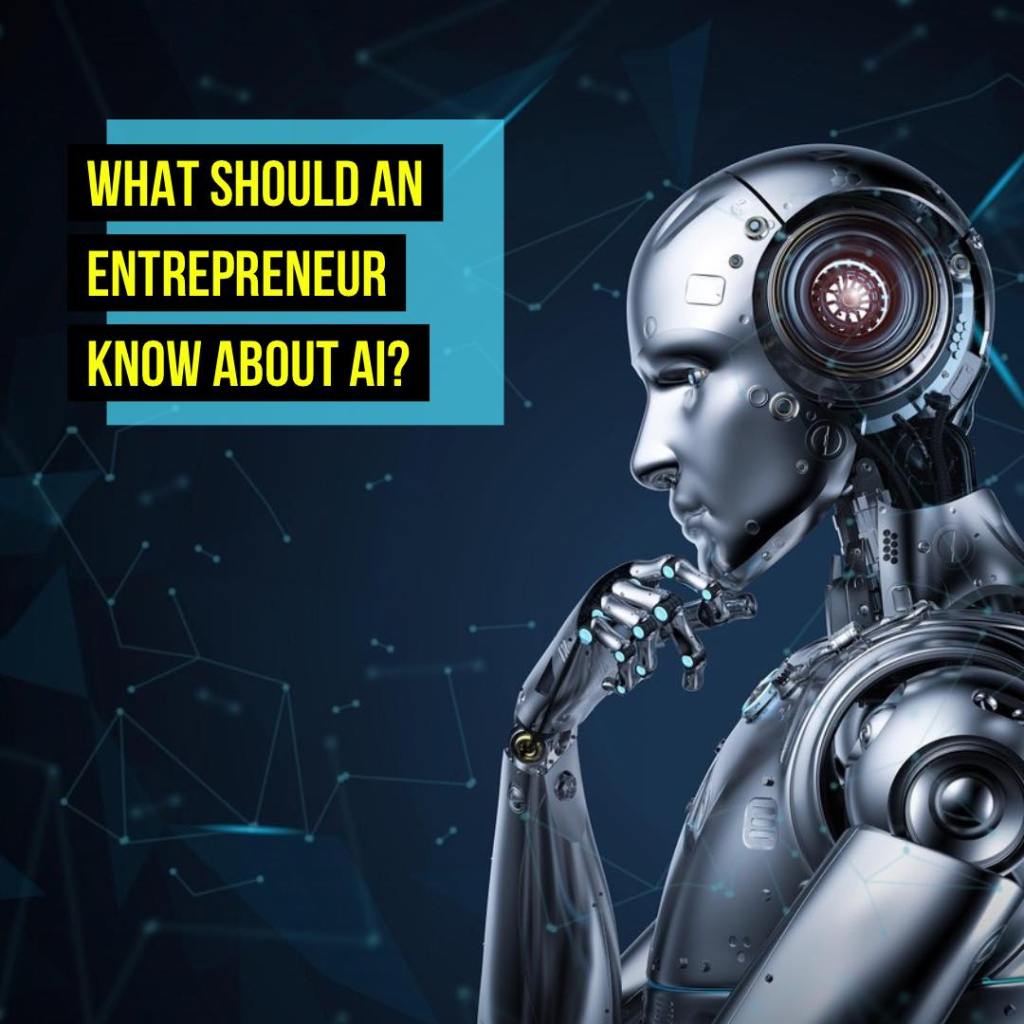
10 Things An Entrepreneur Should Know About AI

Artificial intelligence (AI) is reshaping industries, offering opportunities for efficiency, innovation, and competitive advantage. For entrepreneurs, understanding AI is no longer optional—it’s essential. Whether you’re in tech, retail, restaurants, or franchising, knowing how to leverage AI can drive growth and profitability. Here are ten crucial things every entrepreneur should know about AI.

First, AI is a tool, not a replacement. While it automates tasks and enhances decision-making, the human element remains vital. Entrepreneurs must guide AI implementation with clear goals and creative vision.

Second, data is the lifeblood of AI. The effectiveness of AI depends on the quality of data it processes. Entrepreneurs should prioritize collecting, organizing, and protecting their business data.

Third, AI enhances customer experiences. From chatbots offering 24/7 support to personalized recommendations, AI helps businesses meet customer needs efficiently and effectively.

Fourth, AI-driven marketing is powerful. With tools for audience targeting, campaign optimization, and performance analysis, entrepreneurs can achieve better results with less effort and expense.

Fifth, AI improves operations. Inventory management, demand forecasting, and supply chain optimization are areas where AI boosts efficiency and reduces costs.

Sixth, AI supports smarter decision-making. Predictive analytics can help entrepreneurs anticipate market trends, customer behavior, and operational challenges, enabling proactive adjustments.

Seventh, AI tools are more accessible than ever. From affordable no-code platforms to industry-specific apps, entrepreneurs can implement AI without extensive technical knowledge.

Eighth, cybersecurity is crucial. With AI handling sensitive data, robust security measures are necessary to prevent breaches and protect customer trust.

Ninth, ethical AI matters. Entrepreneurs should ensure their AI systems are transparent, fair, and free from bias, fostering trust and social responsibility.

Tenth, AI is constantly evolving. Entrepreneurs should commit to continuous learning, staying updated on trends, tools, and best practices to maintain a competitive edge.

AI offers transformative potential for entrepreneurs willing to embrace it. By understanding its capabilities, challenges, and ethical considerations, business owners can harness AI to drive growth, innovation, and long-term success.

LEARN MORE HERE

About Acceler8Success Group

Acceler8Success Group empowers entrepreneurs and business leaders with personalized coaching, strategic guidance, and a results-driven approach. Whether launching, scaling, or optimizing a business, we provide the tools, mentorship, and resources to drive long-term success.

Explore entrepreneurship coaching at Acceler8Entrepreneurship.com or business ownership resources at OwnABizness.com.

For more information on our business advisory services or expert content for your company, brand, or personal needs, whether for blogs, articles, newsletters, or special projects, in English, Spanish or French, please inquire at https://acceler8success.com/contact.

Culture as the Guiding Light in Brand Development and Expansion

In the realm of highly entrepreneurial organizations, where calculated risk is not just accepted but actively embraced, culture stands as the guiding light that illuminates the path from inception to sustained expansion. Unlike traditional corporate environments, where caution often tempers ambition, these organizations thrive on agility, bold decision-making, and an unwavering commitment to innovation. In such an ecosystem, culture is more than a set of values—it is the foundation upon which every decision is made, the lens through which opportunities are evaluated, and the force that shapes not only internal operations but also the brand’s external presence in the marketplace.

From the earliest stages of brand development, culture serves as both a compass and a catalyst. It is woven into the company’s mission, vision, and identity, influencing everything from product development to customer engagement. A brand’s culture dictates its approach to problem-solving, defines its appetite for disruption, and sets the tone for how it interacts with stakeholders. In an entrepreneurial landscape where uncertainty is a given, culture provides stability, ensuring that the brand’s core essence remains intact even as it adapts to new challenges and market shifts.

At the heart of brand development lies the mission statement—far more than a formal declaration, it is a bold proclamation of purpose that encapsulates the organization’s identity and aspirations. For companies where entrepreneurship thrives and risk-taking is an integral part of their DNA, the mission must reflect a pioneering spirit, a relentless drive to push boundaries, and an unyielding commitment to creating value beyond conventional business models. It must be clear enough to inspire confidence, yet flexible enough to evolve without losing its authenticity. This balance between vision and adaptability is critical, as it allows the brand to maintain its core identity while continuously innovating in response to market demands.

Beyond mission and vision, culture shapes the very identity of the brand. From its visual elements to its tone of voice, every touchpoint must reflect the company’s entrepreneurial spirit. The brand must exude confidence, project agility, and communicate a willingness to embrace change. Authenticity is non-negotiable—customers, investors, and partners alike must see and feel the company’s culture in action. A culture built on calculated risk-taking must manifest in the way the brand interacts with its audience, whether through marketing, customer service, or strategic partnerships. This identity cannot be manufactured or merely imposed from the top down—it must be embedded in the organization’s DNA and lived daily, from leadership to frontline employees.

As the brand scales, whether through franchising, strategic partnerships, or direct market expansion, the role of culture becomes even more pronounced. Growth in an entrepreneurial organization is rarely linear; it is dynamic, often requiring quick pivots, bold moves, and the courage to seize opportunities that others might hesitate to embrace. Unlike large corporations, where expansion often follows rigid playbooks and structured frameworks, entrepreneurial brands must approach growth with a mindset of adaptability. Expansion strategies must align with the culture that fuels the brand, ensuring that as the company reaches new markets, it does so without compromising its essence.

However, scaling a brand while preserving its cultural identity is not without challenges. The very nature of rapid growth can dilute the core values that made the brand successful in the first place. As new markets open, leadership must take deliberate steps to ensure that the brand’s cultural DNA remains intact. This means carefully selecting partners and team members who not only understand but also embody the company’s ethos. Training and operational structures must be designed to encourage innovation rather than stifle it. Processes should be flexible enough to allow for market-specific adaptations while still maintaining the integrity of the brand’s overarching vision.

Ultimately, for a highly entrepreneurial brand, culture is not just a guiding principle—it is the driving force behind every decision, every risk, and every milestone achieved. It informs the brand’s approach to growth, fuels its ability to innovate, and strengthens its resilience in the face of uncertainty. Organizations that embed culture into their DNA from the very beginning create brands that are not only recognized but respected, not just followed but believed in. In an ever-evolving marketplace, where the only constant is change, culture remains the anchor that ensures a brand’s longevity, relevance, and continued success.

Culture Over Concept: Why Some Businesses Just Can’t Replicate Buc-ee’s

Make today a great day. Make it happen. Make it count!

About the Author

With more than 40 years of experience in small business, restaurant, and franchise management, marketing, and development, Paul Segreto is a respected expert in the entrepreneurial world, dedicated to helping others achieve success. Whether you’re an aspiring or current entrepreneur in need of guidance, support, or simply a conversation, you can connect with Paul at paul@acceler8success.com.

About Acceler8Success Group

Acceler8Success Group empowers entrepreneurs and business leaders with personalized coaching, strategic guidance, and a results-driven approach. Whether launching, scaling, or optimizing a business, we provide the tools, mentorship, and resources to drive long-term success. Explore entrepreneurship coaching at Acceler8Entrepreneurship.com or business ownership resources at OwnABizness.com. For more information on our business advisory services or expert content for your company, brand, or personal needs—whether for blogs, articles, newsletters, or special projects—in English, Spanish or French, please inquire at https://acceler8success.com/contact.