Tag: marketing

Social Media and the Modern Restaurant: Visibility, Trust, and Survival

Social media is no longer a “nice to have” for restaurants. It is part of the business itself. Whether a restaurant is independently owned or part of a franchise system, social media now plays a direct role in visibility, credibility, traffic, and long-term relevance. For many guests, it is the first interaction with the brand, long before they see the front door, read a menu, or taste the food.

For independent restaurants, social media often serves as the great equalizer. A single location can compete for attention alongside national brands by telling its story authentically and consistently. Behind-the-scenes photos, daily specials, limited-time offers, community involvement, staff spotlights, and even imperfect moments help humanize the business. Guests don’t just follow independent restaurants for promotions; they follow them to feel connected. That connection turns into repeat visits, word-of-mouth referrals, and loyalty that no discount alone could ever create.

As Jennifer Lawson, owner of Bee the Buzz Digital, often puts it, “Restaurants don’t win on social media by trying to look like everyone else. They win by showing who they really are, consistently and confidently.” That authenticity is often what separates a forgettable feed from one that actually drives foot traffic.

For franchise brands, social media plays a dual role. At the brand level, it reinforces identity, positioning, and trust. It communicates what the brand stands for, what it promises, and what guests should expect everywhere they go. At the local level, social media becomes a traffic driver and relationship builder for each franchise location. When done right, brand-level and local-level efforts work together rather than compete, creating consistency without sacrificing local personality.

One of the most overlooked aspects of social media is how closely it mirrors how people actually choose where to eat. Guests scroll before they decide. They check photos, recent posts, comments, reviews, and how responsive a restaurant appears. An inactive feed, inconsistent messaging, or outdated content can quietly signal neglect, instability, or indifference, even if the dining room is busy. In many cases, a dismal or ineffective social media presence does more damage than having none at all, because it creates doubt at the exact moment a guest is deciding where to spend their money.

A weak social media presence can also undermine trust. Missed comments, unanswered questions, unresolved complaints, or months of silence suggest that the restaurant is not paying attention. For franchise brands, inconsistency across locations can dilute the brand, confuse guests, and frustrate franchisees who are doing things right. Poor-quality photos, off-brand messaging, or unprofessional posts can unintentionally lower perceived food quality, service standards, and overall value.

Lawson frequently emphasizes this risk, noting that “Social media doesn’t just show what a restaurant wants people to see. It shows what they ignore. And customers notice neglect faster than they notice clever content.” In a competitive restaurant landscape, those small signals add up quickly.

There is also an internal cost. Restaurants with ineffective social media often struggle more with hiring and retention. Potential team members see little energy, culture, or pride reflected online and move on. In a labor-challenged industry, that missed opportunity can be significant. Social media, when neglected, becomes a silent barrier not just to customers, but to talent.

By contrast, an effective social media presence delivers compounding benefits. It keeps the restaurant top of mind, even when guests are not actively planning to dine out. It reinforces familiarity, which reduces friction when someone is deciding where to eat. Guests are more likely to choose a restaurant that feels familiar, current, and engaged over one that feels distant or outdated.

An effective presence also strengthens credibility. Regular posting, timely responses, and consistent storytelling signal professionalism and care. For franchise systems, this builds confidence among franchisees and prospects alike, demonstrating that the brand understands modern marketing and supports growth beyond the four walls. At the local level, it empowers franchise locations to feel connected to their communities while staying aligned with the brand.

Social media also becomes a powerful amplifier for moments that already matter. New menu items, promotions, seasonal offerings, community events, catering opportunities, and even everyday wins gain extended life beyond the dining room. Instead of being seen by only the guests who happen to walk in that day, those moments are shared, remembered, and revisited.

Perhaps most importantly, an effective social media strategy creates resilience. When challenges arise, whether operational disruptions, economic shifts, or competitive pressure, restaurants with strong digital relationships have a voice and an audience. They can communicate, adapt, and maintain trust rather than scrambling to be heard.

In today’s restaurant environment, social media is not about chasing trends or viral moments. It is about presence, consistency, and connection. A neglected or poorly managed social media presence quietly erodes confidence and opportunity. A thoughtful, authentic, and active presence builds visibility, trust, loyalty, and long-term value. The difference between the two is not cosmetic. It can directly influence whether a restaurant is chosen, remembered, and supported in an increasingly crowded marketplace.


About the Author

Paul Segreto brings over forty years of real-world experience in franchising, restaurants, and small business growth. Recognized as one of the Top 100 Global Franchise and Small Business Influencers, Paul is the driving voice behind Acceler8Success Café, a daily content platform that inspires and informs thousands of entrepreneurs nationwide. A passionate advocate for ethical leadership and sustainable growth, Paul has dedicated his career to helping founders, franchise executives, and entrepreneurial families achieve clarity, balance, and lasting success through purpose-driven action.


About Acceler8Success America

Acceler8Success America is a comprehensive business advisory and coaching platform dedicated to helping entrepreneurs, small business owners, and franchise professionals achieve The American Dream Accelerated.

Through a combination of strategic consulting, results-focused coaching, and empowering content, Acceler8Success America provides the tools, insights, and guidance needed to start, grow, and scale successfully in today’s fast-paced world.

With deep expertise in entrepreneurship, franchising, restaurants, and small business development, Acceler8Success America bridges experience and innovation, supporting current and aspiring entrepreneurs as they build sustainable businesses and lasting legacies across America.

Learn more at Acceler8SuccessAmerica.com

20 Reasons Not to Franchise Your Business (Until You’re Ready… Or Not!)

Franchising is often viewed as the ultimate badge of success for business owners. The idea of expanding rapidly with someone else’s capital while gaining brand recognition and market share is understandably attractive. But the truth is, franchising is not a shortcut to growth, nor is it a guaranteed path to fortune. In fact, for many business owners, it can become a burden financially, emotionally, and operationally if pursued prematurely or for the wrong reasons.

Before you take the leap into franchising, it’s essential to understand why you shouldn’t. These aren’t roadblocks meant to discourage ambition but rather reality checks that, when addressed, will either affirm your business is ready to scale or save you from a costly and painful detour. Below are 20 reasons why you should not attempt to franchise your business, at least not yet.

20 Reasons Why You Should Not Franchise Your Business

  1. Your Business Isn’t Profitable Enough
    If you aren’t consistently generating strong profits, there’s no business model to replicate, let alone sell to others.
  2. You Don’t Have Documented Systems
    Without clearly defined and repeatable operational procedures, your business can’t be taught, and franchising is, at its core, a teaching model.
  3. You Are the Business
    If your business relies heavily on your personal involvement, personality, or expertise, it’s not yet ready to be duplicated.
  4. You Don’t Understand Franchising
    Franchising isn’t just growth, it’s legal, operational, marketing, and support infrastructure with very specific responsibilities to franchisees.
  5. You’re Desperate for Capital
    Franchising should never be a Band-Aid for cash flow problems. You’re selling a business model, not just collecting franchise fees.
  6. Your Brand Isn’t Established
    Weak branding makes it hard to market and differentiate your franchise from others, leading to confusion or poor consumer reception.
  7. You Can’t Support Franchisees
    Without the infrastructure to provide training, marketing assistance, and ongoing support, your franchisees will struggle, and so will your brand.
  8. You Don’t Like Managing People
    Franchising involves managing relationships, solving disputes, and leading by influence, not command. If this doesn’t appeal to you, think twice.
  9. You’re Not Ready for Legal Compliance
    Franchise laws are strict, vary by state, and require specialized legal documentation and ongoing disclosures… a major commitment.
  10. You Don’t Have a Unique Selling Proposition
    If your concept isn’t truly different or better, why would someone invest their future into your business instead of starting their own?
  11. You Can’t Let Go
    Franchising requires letting others run your concept their way within your system. Micromanagement doesn’t scale.
  12. Your Current Location Isn’t Strong Enough
    If your flagship store isn’t a well-oiled machine with strong customer reviews and a loyal base, it won’t serve as a convincing model.
  13. You Haven’t Tested in Multiple Markets
    A business that works in one neighborhood may not work in another. Proving adaptability across markets is crucial.
  14. You Lack Marketing & Sales Strategy
    You’ll need a strategy to attract franchisees, sell territories, and market the brand and that takes time, talent, and money.
  15. You Underestimate the Cost
    Franchising costs more than most anticipate. From legal fees to training manuals, marketing, and franchisee support, it adds up fast.
  16. You’re Not Ready to Train Others
    Can you break down every role, process, and nuance into an understandable training program that others can replicate?
  17. You Don’t Have a Clear Vision
    Without a long-term roadmap for growth, brand standards, and expansion, you’ll struggle to lead a network of franchisees effectively.
  18. You Think Franchising Means Less Work
    The reality: franchising is more work, more responsibility, and less control, especially at the beginning.
  19. You Haven’t Considered Alternative Growth Models
    Franchising isn’t the only way to grow. Corporate-owned expansion might be more suitable.
  20. You’re Not Emotionally Ready
    Franchisees will challenge you, markets will shift, and expectations will rise. You must be resilient, strategic, and adaptable.

After the Reality Check: Rethink, Refocus, Rebuild

If several of these reasons resonated with you, that’s not a signal to give up, it’s a wake-up call to double down on strengthening your existing business. Use this pause to refine your systems, train your team, define your brand, test your concept in other locations, and build the infrastructure that can eventually support multiple units, franchised or not.

Going through this process may prove to be one of the best decisions you’ll ever make. Even if you ultimately decide not to franchise, your business will be stronger, more efficient, and better positioned to scale. You may discover that developing company-owned locations is a better fit. Or, after building a rock-solid foundation and developing the right support systems, you might find franchising to be the logical next step… one you’re finally ready for.

Either way, you win because a well-built business is always the best growth strategy.


About the Author

Paul Segreto brings over forty years of real-world experience in franchising, restaurants, and small business growth. Recognized as one of the Top 100 Global Franchise and Small Business Influencers, Paul is the driving voice behind Acceler8Success Café, a daily content platform that inspires and informs thousands of entrepreneurs nationwide. A passionate advocate for ethical leadership and sustainable growth, Paul has dedicated his career to helping founders, franchise executives, and entrepreneurial families achieve clarity, balance, and lasting success through purpose-driven action.


About Acceler8Success America

Acceler8Success America is a comprehensive business advisory and coaching platform dedicated to helping entrepreneurs, small business owners, and franchise professionals achieve The American Dream Accelerated.

Through a combination of strategic consulting, results-focused coaching, and empowering content, Acceler8Success America provides the tools, insights, and guidance needed to start, grow, and scale successfully in today’s fast-paced world.

With deep expertise in entrepreneurship, franchising, restaurants, and small business development, Acceler8Success America bridges experience and innovation, supporting current and aspiring entrepreneurs as they build sustainable businesses and lasting legacies across America.

Learn more at Acceler8SuccessAmerica.com
From $15/Hour Tasks to Million-Dollar Thinking: Reframing the Franchisee Role

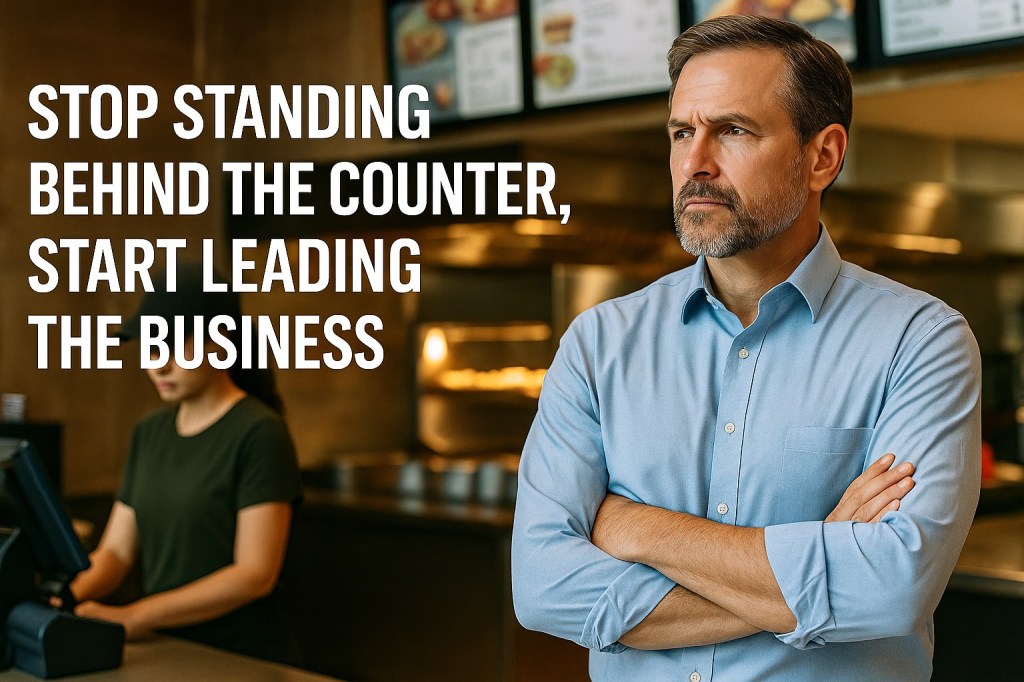
Franchise systems succeed when franchisees succeed, yet one of the most common and costly missteps within franchising is how often owners spend the majority of their time working inside their business instead of on it. Franchisors have an opportunity — and an obligation — to train franchisees to understand the difference. It begins with a simple but powerful question: should a franchisee take on what effectively becomes a $15-per-hour position within the business, or should they lead the business to maximize profitability, growth, scalability, and asset value?

For years, the belief was that franchisees needed to be hands-on, shoulder-to-shoulder with their team, immersed in day-to-day operations to stay connected to challenges. That argument still surfaces today. It is often said that working in the business keeps a franchisee tuned in to what customers expect and what employees need. However, there is a counterargument that cannot be ignored — and it is far more aligned with long-term success. When a franchisee becomes absorbed in daily tasks, they risk losing strategic perspective. They may become excellent at frontline responsibilities, but less effective at leadership, management, marketing, financial oversight, and growth. Essentially, they cannot see the forest for the trees.

This issue often reveals itself early in the franchisor’s training process. Many systems teach franchisees how to run the business but fall short in teaching them how to lead the business. Training is heavily weighted toward operations, checklists, recipes, service steps, or POS procedures. While these are critical, they can inadvertently reinforce the franchisee’s instinct to jump behind the counter, perform tasks, and fill shifts. The outcome is predictable. Franchisees become the highest-paid hourly employees in their own business, stretched thin, exhausted, and unable to make the kinds of decisions that actually grow revenue or profitability.

What franchisors must teach — and reinforce continuously — is the discipline of working smarter. Franchisees must understand that their responsibilities cannot be delegated, while most operational tasks can and should be. Their value lies in building people, tightening systems, driving marketing, analyzing financials, improving culture, and increasing customer lifetime value. When they step back from the front line and step into leadership, the business scales beyond their physical presence. That is where true profitability is found.

The challenge, of course, is mindset. Many franchisees come from corporate roles, operations-heavy backgrounds, or first-time entrepreneurial experiences where doing equals progress. Their instinct is to stay busy, to be seen, to jump in wherever help is needed. If they come from a customer-facing business, they often believe their personal involvement is what drives customer experience. But franchisors must help them see that their real job is not to ring the register but to build a business that rings without them.

This shift begins with training that emphasizes leadership over labor. Scenario-based learning, financial modeling, staffing strategies, task delegation frameworks, and metrics-driven management must take center stage. Franchisees should leave training not only knowing how to operate the business, but knowing how to create an environment where employees can operate the business successfully. Franchisors must explain the opportunity cost: every hour spent on a frontline task is an hour not spent growing the top line, improving margins, strengthening teams, or expanding to additional units.

There is also the matter of visibility. Some franchisees argue that working inside the business keeps them connected to daily challenges, employee morale, and customer behavior. That is valid to a point, but it becomes problematic when it replaces strategic leadership. Franchisors should teach franchisees how to maintain visibility without sacrificing their role. Scheduled floor time, structured observation periods, listening tools, weekly team meetings, and performance dashboards provide insight without trapping the owner inside daily operations.

Ultimately, the franchisee’s highest and best use is leadership. They must set the tone, drive accountability, build a culture of execution, and ensure compliance with brand standards. These responsibilities cannot be outsourced to a $15-per-hour employee. They also cannot be fulfilled effectively when the franchisee is constantly running registers, prepping product, or filling shifts. Leadership requires elevation, and franchisors must help franchisees understand the value of stepping into that role.

Training is the foundation of that shift. When franchisors prioritize teaching franchisees to think like leaders, act like strategists, and operate like business owners, everything changes. The franchisee becomes more profitable. The location becomes better run. The brand becomes stronger. And the system becomes more sustainable. Working on the business is where growth happens, where opportunities are recognized, and where long-term success is built.

Franchisees who embrace this philosophy discover that their business doesn’t depend on their physical presence to succeed — only their leadership. And that is the difference between owning a job and owning a scalable enterprise. For franchisors, the more effectively they train franchisees to work smarter, not harder, the stronger their entire network becomes.


About the Author

Paul Segreto brings over forty years of real-world experience in franchising, restaurants, and small business growth. Recognized as one of the Top 100 Global Franchise and Small Business Influencers, Paul is the driving voice behind Acceler8Success Café, a daily content platform that inspires and informs thousands of entrepreneurs nationwide. A passionate advocate for ethical leadership and sustainable growth, Paul has dedicated his career to helping founders, franchise executives, and entrepreneurial families achieve clarity, balance, and lasting success through purpose-driven action.


About Acceler8Success America

Acceler8Success America is a comprehensive business advisory and coaching platform dedicated to helping entrepreneurs, small business owners, and franchise professionals achieve The American Dream Accelerated.

Through a combination of strategic consulting, results-focused coaching, and empowering content, Acceler8Success America provides the tools, insights, and guidance needed to start, grow, and scale successfully in today’s fast-paced world.

With deep expertise in entrepreneurship, franchising, restaurants, and small business development, Acceler8Success America bridges experience and innovation, supporting current and aspiring entrepreneurs as they build sustainable businesses and lasting legacies across America.

Learn more at Acceler8SuccessAmerica.com

The Referral Multiplier: The Real Engine of Franchise Growth

If your customers buy once, you make a sale. If they come back, you build trust. If they tell others, you build a brand. That progression is not only timeless; it is the blueprint for durable franchising. Every franchise that has built real equity has done so by understanding that scale is earned—not declared. A franchisor may dream of dozens, hundreds, even thousands of units, but the true measure of readiness is whether success can be repeated inside one store, one market, one neighborhood. A brand is a living organism, and its life begins at the unit level. Not in a strategy meeting. Not in a marketing campaign. But in a moment between a team member and a customer—a moment worth repeating, a moment worth sharing.

As we approach a new year, the question for franchisors is not how fast they want to grow, but how solid the foundation truly is. Does the brand consistently inspire customers to return? Are franchisees equipped to perform with excellence even without oversight? Is the culture felt, not just described? Is word-of-mouth organic and strong enough to drive awareness without constant paid promotion? It is easy to say a brand is ready for expansion; it is far harder to know. The answer lives inside the guest experience. When customers return willingly and refer enthusiastically, growth becomes almost inevitable. When they do not, expansion simply stretches weakness across territory lines.

Local success is the litmus test. Every major franchise we admire today started with a single location that customers loved enough to adopt as their own. They told friends. They brought family. They celebrated life inside those four walls. That is how brands become movements. A franchisor who focuses solely on selling more franchises risks building on unstable ground. A franchisor who obsesses over unit-level excellence builds longevity. The difference is profound. One pursues growth. The other attracts it.

Franchising is a business of replication, but it is also a business of belief. Franchisees invest not only in a model, but in the confidence that the model will work for them the way it worked at the start. They want proof. They want history. They want evidence that customers come back again and again—and bring others with them. A franchisor must ask: Are we giving them that confidence? Are we demonstrating consistency from open to close, day after day, through every transaction and every challenge? Is the culture of the original location strong enough to survive distance, change, and scale?

The coming year will belong to the brands that answer those questions honestly. It will belong to franchisors who choose depth over speed, discipline over excitement, systems over assumptions. It will belong to leaders who understand that culture is not a slogan, nor a promise—it is a practice. It is what happens when new employees are trained, when a customer complains, when sales dip, when a franchisee struggles. Culture is revealed in stress, not comfort. And growth exposes truth quickly.

For emerging franchisors, this next year will be defining. The decisions made today—about systems, support, leadership, and expectations—will determine whether the brand thrives or merely expands. Are the franchisees being developed into advocates rather than just operators? Are new locations opening with clarity instead of confusion? Is the support system proactive instead of reactive? Can the customer experience be duplicated without dilution? Growth is not simply opening new units; growth is opening successful ones.

This is the philosophy that drives Acceler8Success America in our work with franchisors, especially those just beginning their expansion journey. We focus on strengthening the core so growth is not just possible, but sustainable. We push brands to ask the hard questions, refine the weak points, and build a culture that scales instead of strains. We know that when customers return, trust is built. When they refer, brands accelerate. When franchisees succeed, systems expand naturally, without force, without fragility.

So as the new year stands a few weeks away, the reflection becomes vital.

What will define your brand in the year ahead?
Will your focus be on selling franchises or creating successful franchisees?
Will your growth be measured by how many units open—or how many thrive?
Will customers remember your product or the way they felt interacting with your team?
Will your brand be one people try once—or one they tell others about?

Those answers will shape everything that follows. A sale is only the beginning. A returning customer is momentum. A referral is multiplication. The brands that win in the coming year will be the ones built from repeatable excellence outward—from community, to region, to nation—not by ambition alone, but by proof.

If they buy once, you win today.
If they buy again, you win tomorrow.
But if they bring others—you’ve built something powerful enough to last.


About the Author

Paul Segreto brings over forty years of real-world experience in franchising, restaurants, and small business growth. Recognized as one of the Top 100 Global Franchise and Small Business Influencers, Paul is the driving voice behind Acceler8Success Café, a daily content platform that inspires and informs thousands of entrepreneurs nationwide. A passionate advocate for ethical leadership and sustainable growth, Paul has dedicated his career to helping founders, franchise executives, and entrepreneurial families achieve clarity, balance, and lasting success through purpose-driven action.


About Acceler8Success America

Acceler8Success America is a comprehensive business advisory and coaching platform dedicated to helping entrepreneurs, small business owners, and franchise professionals achieve The American Dream Accelerated.

Through a combination of strategic consulting, results-focused coaching, and empowering content, Acceler8Success America provides the tools, insights, and guidance needed to start, grow, and scale successfully in today’s fast-paced world.

With deep expertise in entrepreneurship, franchising, restaurants, and small business development, Acceler8Success America bridges experience and innovation, supporting current and aspiring entrepreneurs as they build sustainable businesses and lasting legacies across America.

Learn more at Acceler8SuccessAmerica.com

Compartmentalization: A New Framework for Managing the Franchise Relationship

Compartmentalization is a concept we often hear in relation to stress management, time allocation, and emotional control. It’s a tool individuals use to keep balance, avoid overwhelm, and maintain clarity by separating thoughts, emotions, and responsibilities. In business, the idea is just as powerful: separate competing priorities into defined spaces so each receives the attention it deserves without letting one spill into or overshadow the other. When applied deliberately, compartmentalization becomes more than organization — it becomes a method for thinking, processing, and responding with focus and fairness. For franchisors, this discipline goes beyond productivity. It becomes a framework for relationship management.

Franchising is a structure built on interdependence — two parties relying on one another for success. With that comes shared risk, shared reward, and a set of mutual expectations that must coexist in balance to sustain the relationship. Yet balance in franchising is fragile. Systems grow, people change, challenges emerge, and pressure rises. One conversation can influence perception. One operational breakdown can color the tone of every future interaction. Franchise relationships are layered with legal frameworks, operational systems, marketing initiatives, brand standards, royalty structures, compliance requirements, and the deeply human elements of ambition, stress, personality, and emotion. All of these layers interact. All of them matter. And without structure, they easily tangle. One issue in one department can influence morale in another. Frustration in the field can bleed into perception of the entire support team. A strained conversation can distort trust across the relationship instead of remaining where it began. This is where compartmentalization stops being just a personal wellness tactic and becomes a leadership strategy — a way to protect and preserve the partnership.

Imagine approaching franchise management with defined compartments. Results in one. Communication in another. Standards enforcement in one. Innovation and opportunity in another. Support separate from accountability. Strategic vision separate from operational correction. Not to detach — but to clarify. When franchise leaders consciously choose which compartment a situation belongs in, they set the tone for fairness, understanding, and scalable problem solving. If a franchisee is underperforming, it is a performance conversation — not a character assessment. If compliance issues arise, they are addressed as procedural — not personal. If a new initiative struggles, it belongs in the box of strategy refinement — not relationship failure. And when emotions surface, they are acknowledged with respect while being kept contained enough not to dictate the narrative. Compartmentalization gives leaders space: space to assess before reacting, to understand before correcting, and to separate data from emotion. It prevents one misstep from becoming the defining story of the partnership.

When practiced purposefully, compartmentalization strengthens more than communication — it strengthens culture. It changes how feedback is delivered and received. Support feels empowering rather than controlling. Accountability feels like partnership rather than punishment. Franchisees feel seen for their whole effort, not just their shortcomings. Wins do not disappear under the weight of challenges. Conversations become clearer, solutions more focused, and respect more mutual. Systems grow stronger because problems are solved where they exist, not where they are assumed to exist. Even conflict, inevitable in any franchise network, becomes less explosive. Issues remain grounded instead of global. Franchisors and franchisees can disagree without damaging the relationship because the disagreement is contained — one box, one moment, one topic.

Compartmentalization is not cold. It is not distant. It is focus with purpose. It is the ability to separate the business from the emotional surge long enough to choose a better response. It is disciplined thinking in service of long-term stability. When franchisors embrace compartmentalization as a leadership practice, they create environments where relationships are durable, communication is fair, and decision-making is clear. They strengthen not only operational outcomes but human connection, trust, and confidence. They manage challenges without letting them define the partnership. And in doing so, they reinforce the foundations of their brand — one issue, one conversation, one compartment at a time.


About the Author

Paul Segreto brings over forty years of real-world experience in franchising, restaurants, and small business growth. Recognized as one of the Top 100 Global Franchise and Small Business Influencers, Paul is the driving voice behind Acceler8Success Café, a daily content platform that inspires and informs thousands of entrepreneurs nationwide. A passionate advocate for ethical leadership and sustainable growth, Paul has dedicated his career to helping founders, franchise executives, and entrepreneurial families achieve clarity, balance, and lasting success through purpose-driven action.


About Acceler8Success America

Acceler8Success America is a comprehensive business advisory and coaching platform dedicated to helping entrepreneurs, small business owners, and franchise professionals achieve The American Dream Accelerated.

Through a combination of strategic consulting, results-focused coaching, and empowering content, Acceler8Success America provides the tools, insights, and guidance needed to start, grow, and scale successfully in today’s fast-paced world.

With deep expertise in entrepreneurship, franchising, restaurants, and small business development, Acceler8Success America bridges experience and innovation, supporting current and aspiring entrepreneurs as they build sustainable businesses and lasting legacies across America.

From Trade School to Business Owner: A Smart Path to Entrepreneurship & Franchising

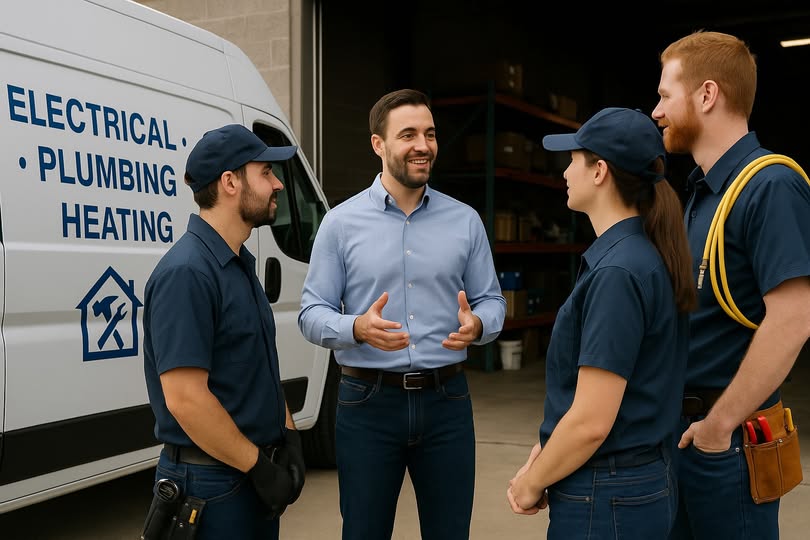
Debate continues across kitchen tables, classrooms, and boardrooms about whether a college degree still holds the same value it once did. Tuition climbs, student debt rises, and many graduates enter the workforce lacking practical skills that convert to income immediately. Meanwhile, the demand for skilled labor continues to surge. Electricians, plumbers, HVAC technicians, welders, mechanics, heavy equipment operators — even culinary professionals — remain in short supply. The contrast is striking. While society questions the worth of traditional higher education, the trades quietly offer a pathway that is more direct, more affordable, and often more lucrative.

Here’s the opportunity too many overlook: a trade is not merely a job. It can be the first step toward business ownership. A trade builds skill, skill builds confidence, and confidence paired with knowledge builds companies. The problem is not capability — tradespeople solve problems daily — the problem is that technical training rarely continues into business training. Apprentices learn wiring diagrams, gas lines, freon recovery, food safety, or blade sharpening, but few learn cash flow, pricing, branding, customer acquisition, or leadership. Yet those are the skills required to turn a talent into a business.

Imagine a system where both paths merge.

Trade school equips the individual with a certifiable skill. Business education teaches them how to monetize it. Together, they create a blueprint for entrepreneurship. The journey becomes logical: learn the craft, master the work, understand the numbers, create a brand, and eventually hire and scale. A welding student could graduate with not only a certification but a business plan. An apprentice plumber could understand profit margins as well as pipe sizing. An HVAC tech could diagnose compressors and price seasonal maintenance programs profitably.

And the culinary world may be the best example of this needed shift.

Many chefs dream of owning a restaurant, but passion and plate presentation alone do not guarantee success. The restaurant failure rate remains one of the highest in small business. Not because of lack of talent in the kitchen — but because business fundamentals are often missing. With the right business education integrated into culinary programs, chef-to-owner transitions would be smoother, smarter, and far more sustainable. Understanding labor percentages, menu engineering, food cost controls, licensing, marketing, and customer retention could turn thousands of talented chefs into long-term operators rather than short-lived dreamers. The difference between a great cook and a successful restaurateur is rarely flavor — it is financial literacy and business discipline.

Technical mastery paired with entrepreneurial readiness could reshape entire industries. It not only fills workforce shortages but builds new enterprises, creates jobs, strengthens local economies — and opens a new opportunity for franchising. If aspiring business owners enter the workforce with both trade competence and business fluency, franchise brands suddenly gain access to a highly qualified pool of future operators. People who already know the work, understand service delivery, and can manage people, financials, and customer relationships. Franchise organizations thrive on strong operators, and a talent pool of trades-based entrepreneurs could become one of the greatest assets for franchise development. Instead of training franchisees from scratch, brands would onboard individuals already equipped with technical mastery, business fundamentals, and the mindset to scale — accelerating growth systemwide.

A student who chooses a trade should see a future far beyond hourly work. They should see a path to owning the truck, the crew, the fleet, the brand. They should see themselves not just repairing air conditioners, building fences, or crafting plates — but hiring teams, designing logos on vans, expanding locations, and eventually franchising themselves.

Not everyone thrives in lecture halls. Many learn best by doing — and those who build, fix, cook, weld, wire, and restore are often the most creative problem-solvers in the workforce. When given business knowledge alongside technical training, they become something even more powerful.

They become entrepreneurs.

The next generation of business owners may not be found in classrooms. They may be in garages, commercial kitchens, job sites, fabrication labs, and boiler rooms — waiting not just for opportunity but for direction. A blended path from trade mastery to business ownership could very well be the most practical, accessible, and impactful educational model of the future — not just for workers and communities, but for franchise systems hungry for capable operators who can grow with strength and scale.

Hands can build careers. Business skills can build empires. Together, they build the American Dream.


About the Author

Paul Segreto brings over forty years of real-world experience in franchising, restaurants, and small business growth. Recognized as one of the Top 100 Global Franchise and Small Business Influencers, Paul is the driving voice behind Acceler8Success Café, a daily content platform that inspires and informs thousands of entrepreneurs nationwide. A passionate advocate for ethical leadership and sustainable growth, Paul has dedicated his career to helping founders, franchise executives, and entrepreneurial families achieve clarity, balance, and lasting success through purpose-driven action.


About Acceler8Success America

Acceler8Success America is a comprehensive business advisory and coaching platform dedicated to helping entrepreneurs, small business owners, and franchise professionals achieve The American Dream Accelerated.

Through a combination of strategic consulting, results-focused coaching, and empowering content, Acceler8Success America provides the tools, insights, and guidance needed to start, grow, and scale successfully in today’s fast-paced world.

With deep expertise in entrepreneurship, franchising, restaurants, and small business development, Acceler8Success America bridges experience and innovation, supporting current and aspiring entrepreneurs as they build sustainable businesses and lasting legacies across America.

Why Franchisees Are the Local Entrepreneurs America Keeps Forgetting

Franchising has long stood at the intersection of entrepreneurship, community, and economic growth, yet too often it is overlooked in the broader conversations around local business support. Small Business Saturday, launched as a way to shine a spotlight on independent businesses, has unintentionally left many franchisees standing in the shadows, despite the fact that the overwhelming majority of them are small business owners themselves. The truth is simple: franchising not only belongs within the Small Business Saturday conversation, but its role in local communities should be celebrated year-round. And today, with the International Franchise Association’s powerful initiative, Franchise Means Local, the message is clearer and more important than ever.

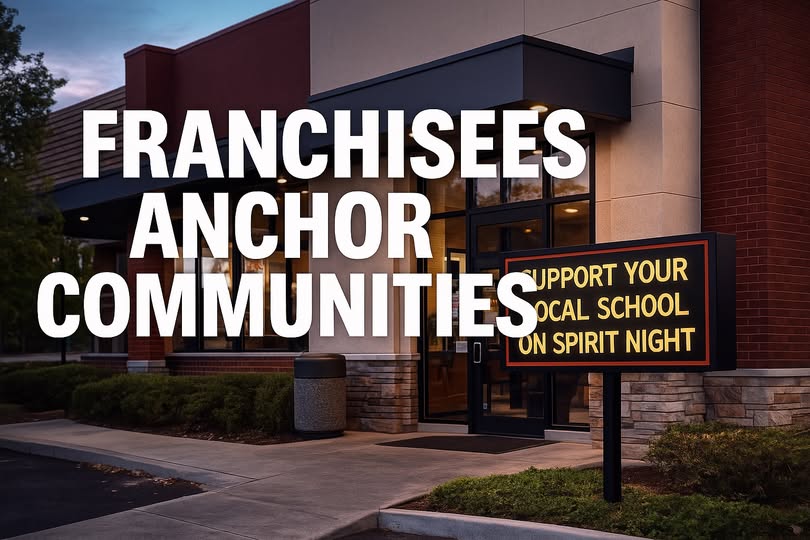
Most franchise locations are owned and operated by someone who has made a personal investment in their neighborhood. They are parents coaching Little League, volunteers at community fundraisers, donors to local schools, employers of local residents. They live where they work. They hire from the same talent pool as independent businesses. They pay taxes into the same community they serve. They wake up every day with the same pressures, hopes, challenges, and ambitions as any other small business owner. Yet public perception has often painted franchise businesses as distant corporate extensions rather than the hyper-local enterprises they truly are. Franchise Means Local is reframing that narrative by uplifting the people behind the signs: the franchisees whose sweat equity and personal sacrifice make these businesses thrive.

Small Business Saturday reminds Americans to shop small, dine local, and support the entrepreneurs in their communities. Franchising deserves to be part of that mindset not because franchisees seek special recognition, but because the reality of their role has been misunderstood for far too long. Franchisees operate under a brand, but they assume all the financial risk. They sign the lease. They make payroll. They secure financing. They weather inflation. They create jobs. They contribute to the vibrancy of local commerce. To support franchising is to support local economies in a measurable, meaningful way. If the goal of Small Business Saturday is to strengthen the backbone of communities, then franchisees belong in that story every single day, not just once a year.

Even multi-unit franchisees, who often operate multiple locations across a region, are deeply rooted at the local level. Each of their stores is a community fixture with its own staff, its own customers, and its own neighborhood identity. Their success is tied directly to the health and engagement of the markets they serve. And in many systems, multi-unit operators play an even greater local role by cultivating upward mobility within their teams. Many frontline managers, shift leaders, and general managers gain the opportunity to own their own franchise locations — a pathway that transforms employees into entrepreneurs and keeps the next generation of owners anchored in the same communities where they worked, grew, and learned the business. This creates a powerful cycle of local ownership, local wealth-building, and local stability that few other business models can match.

For franchise systems, embracing a year-round Small Business Saturday mindset is not just about community goodwill; it is a blueprint for long-term brand strength. The clearer and more authentic the connection between franchisees and their communities, the more powerful the brand becomes. And for emerging franchise brands especially, this approach may be one of the most effective strategies to build early traction and eventually become a household name. When a brand is young, national awareness doesn’t drive growth—local trust does. Emphasis on local connection gives new brands a foundation that glossy branding alone cannot create. It puts real faces in front of real people. It helps early franchisees tell the brand’s story in their own communities, making the brand feel familiar before it is famous. That familiarity builds loyalty, and that loyalty builds momentum. For emerging brands striving to stand out in competitive markets, showing up locally is not just beneficial; it is essential.

Consumers today want authenticity. They want to support businesses that support them. They want to feel that their dollars are contributing to their own neighborhoods, not disappearing into distant corporate coffers. When they understand that franchisees — whether single-unit owners or multi-unit operators — are local owners with local investment and local impact, their relationship with the brand changes entirely. Franchise Means Local helps make that understanding visible. It positions franchisees not as operators of a national chain, but as the face of the brand in that community, the ones who show up at civic events, sponsor school programs, contribute to charitable initiatives, and participate in local life in ways that no corporate team ever could.

Franchising elevates the spirit of Small Business Saturday by keeping the focus on entrepreneurship at every stage of the journey. Franchisees represent one of the most accessible and scalable paths to business ownership in America. They create jobs, revitalize neighborhoods, and help shape the economic landscape of the towns they call home. Recognizing them as small business owners reinforces the broader belief that entrepreneurship is within reach for anyone willing to work for it. It also inspires future franchisees, proving that locally rooted business ownership is both attainable and impactful.

At a time when local economies are evolving, when small business owners face rising operational challenges, and when consumers crave meaningful ties to the businesses they patronize, franchising offers a uniquely strong foundation. Franchise Means Local captures that strength and amplifies it. It’s a reminder that behind every brand, every storefront, and every logo is a local owner invested in the success of their community.

The future of franchising will be shaped not only by expansion maps and growth metrics but by the way franchisees continue to show up in the lives of the people they serve. Year-round recognition, year-round support, year-round appreciation — this is the heart of the Small Business Saturday mindset. Franchising deserves to be part of that energy every day. And by embracing the Franchise Means Local philosophy, the industry ensures that franchisees remain at the center of the story: local owners, multi-unit operators, and future franchisee-entrepreneurs who are building businesses, creating opportunity, and strengthening the communities they proudly call home.


About the Author

Paul Segreto brings over forty years of real-world experience in franchising, restaurants, and small business growth. Recognized as one of the Top 100 Global Franchise and Small Business Influencers, Paul is the driving voice behind Acceler8Success Café, a daily content platform that inspires and informs thousands of entrepreneurs nationwide. A passionate advocate for ethical leadership and sustainable growth, Paul has dedicated his career to helping founders, franchise executives, and entrepreneurial families achieve clarity, balance, and lasting success through purpose-driven action.


About Acceler8Success America

Acceler8Success America is a comprehensive business advisory and coaching platform dedicated to helping entrepreneurs, small business owners, and franchise professionals achieve The American Dream Accelerated.

Through a combination of strategic consulting, results-focused coaching, and empowering content, Acceler8Success America provides the tools, insights, and guidance needed to start, grow, and scale successfully in today’s fast-paced world.

With deep expertise in entrepreneurship, franchising, restaurants, and small business development, Acceler8Success America bridges experience and innovation, supporting current and aspiring entrepreneurs as they build sustainable businesses and lasting legacies across America.

The Bridge to True Scalability: Culture, Collaboration, and the Franchisee Voice

Of late, I’ve noticed a surge of conversations on LinkedIn about franchise scalability, systems that weren’t truly ready for duplication, and brands that pushed into franchising long before their operational foundation was capable of supporting franchisees. These discussions keep resurfacing and they resonate with me for one central reason: I genuinely love franchising. I believe in the franchise model with everything in me. I’ve seen how it changes lives. I’ve seen how entire families build financial stability, how second-generation ownership emerges, and how communities benefit from strong, well-run franchise businesses that offer jobs, consistency, service, and local pride. My belief in franchising is exactly why I feel compelled to look honestly at the gaps holding it back from reaching its full potential.

After many years working exclusively with emerging franchise brands, I’ve learned that franchising is both powerful and inherently fragile. It is powerful because it gives everyday people a chance at business ownership without having to invent a concept from scratch. It is fragile because the entire system depends on one thing: whether the franchisor can truly deliver a model that the average franchisee can successfully execute. Not the top 10%. Not the outliers. The average franchisee… the one who reflects real-world reality.

So much of the challenge begins in how systems are created. Most franchisors spend years, often a decade or more learning through trial and error: pivoting, improvising, reacting, adjusting the model, and sometimes making decisions driven more by instinct than strategy. That is the entrepreneurial journey. But franchisees aren’t entering that season of experimentation. They’re buying what they believe is a refined, replicable, dependable system. So the question becomes: is the system truly proven, or just proven enough to be functional in the franchisor’s hands?

Once franchisors open corporate stores, the imbalance becomes clearer. Corporate units naturally benefit from visibility, resources, internal support, and immediate attention. Franchisees usually do not. They’re expected to meet performance standards that often rely on tools they don’t have, support they don’t receive, or instincts they haven’t yet developed. And that dynamic leads to more questions: How can we expect uniformity of results without uniformity of resources? And what does that reveal about the readiness of the system?

Back-office operations highlight these disparities even further. Franchisors operate with full teams—accounting, HR, marketing, purchasing, technology, scheduling, reporting—while franchisees often operate without anything close to that infrastructure. Responsibilities trickle downward: “You need to handle this,” “You need to manage that.” But if the franchisor needed a full internal structure to succeed, why would a franchisee succeed without one? Is the system scalable if it requires expertise or support the franchisee may never have?

And then there’s marketing. The truth is simple: the stronger the marketing machine, the stronger the entire system performs. Marketing drives traffic. Traffic drives momentum. Momentum buys time. But marketing also exposes operational weaknesses. When customers arrive and experience inconsistency, long waits, lackluster service, or a culture that feels transactional instead of relational, they don’t come back. So we must ask: how much potential revenue vanishes because the system isn’t strong enough to support the demand generated through marketing?

Yet perhaps the most overlooked element of scalability is culture, both organizational culture at the franchisor level and local culture at the store level.

A franchisor’s culture sets the tone for everything the brand represents. It shows up in how they communicate, how they support, how they lead, how they handle conflict, and how they treat franchisees. If the internal culture is fragmented, reactive, or inconsistent, those characteristics spill into the franchise system. Franchisees feel it. Employees feel it. Customers feel it. A strong culture can elevate a brand beyond its operational limitations; a weak culture can undermine even the most polished operating system.

But culture isn’t just a corporate responsibility. Franchisees must build a positive, empowering culture within their own four walls. A franchise location’s culture determines the energy, the service, the guest experience, and the team’s pride in the brand. And culture affects everything: employee retention, morale, guest satisfaction, customer loyalty, community reputation. A brand might have the best operational manual in the world, but if the culture inside the store is weak, the system will always struggle at the unit level.

For this reason, franchisors must expand their training programs beyond processes and checklists. Training must include, and emphasize the why behind the why:

Why culture matters.
Why guest experience must be positively memorable, not simply acceptable.
Why community involvement strengthens the brand from the outside in.
Why hospitality and human connection matter just as much as speed and consistency.
Why the emotional experience determines whether someone becomes a repeat customer.

This deeper training, focused not just on “what to do,” but “why we do it” is essential. Franchisees who understand the heart of the brand create the kind of environment that draws customers in, keeps them coming back, and builds lasting value. When franchisors teach franchisees not just how to run the business but how to lead it, the brand becomes stronger in every market.

Another often underutilized tool for strengthening both system and culture is franchisee involvement. Franchisees are on the front lines. They know what customers love, what frustrates employees, what slows down operations, and what opportunities exist in their local markets. Their insights are invaluable. That’s why well-run systems create strong Franchise Advisory Councils. These councils serve as a voice for the network, a bridge between corporate strategy and real-world execution.

But some of the best insights don’t come from formal meetings at all. They come from casual conversations… small groups of franchisees meeting with the franchisor over lunch, sharing candid thoughts, exchanging ideas, and speaking honestly about what’s working and what isn’t. These small-group interactions often reveal truths that don’t appear in dashboards, reports, or surveys.

And when franchisors listen… truly listen… everything changes. Feedback is king. Franchisees don’t need perfection. They need partnership. They need a franchisor who values their voice, their experience, their challenges, and their contributions. When franchisees feel heard, they become allies, ambassadors, leaders, and contributors to a healthier system.

All of these reflections lead back to one essential question: Is the system truly built for the average franchisee to succeed, not just operationally, but culturally, emotionally, and in service to the community they belong to?

I ask these questions not as a critic of franchising, but as someone who believes deeply in its potential. I’ve seen what franchises can do for individuals and families. I’ve watched small towns thrive because a franchise brought jobs, stability, and community involvement. I’ve witnessed franchisees achieve personal and financial success that changed the trajectory of their lives. That’s why I want more systems to embrace deeper training, stronger culture, better communication, and real franchisee collaboration.

When franchisors build systems that are duplicable, cultural foundations that are meaningful, marketing engines that are powerful, and environments where franchisee voices matter, everyone wins. The franchisor grows. Franchisees flourish. Employees thrive. Guests feel valued. Communities benefit. And the entire franchise model fulfills the extraordinary promise I’ve always believed in.

Franchising, at its best, changes lives. And because I love franchising, I want more brands to build systems not just to grow, but to grow with purpose, integrity, collaboration, and heart.


About the Author

Paul Segreto brings over forty years of real-world experience in franchising, restaurants, and small business growth. Recognized as one of the Top 100 Global Franchise and Small Business Influencers, Paul is the driving voice behind Acceler8Success Café, a daily content platform that inspires and informs thousands of entrepreneurs nationwide. A passionate advocate for ethical leadership and sustainable growth, Paul has dedicated his career to helping founders, franchise executives, and entrepreneurial families achieve clarity, balance, and lasting success through purpose-driven action.


About Acceler8Success America

Acceler8Success America is a comprehensive business advisory and coaching platform dedicated to helping entrepreneurs, small business owners, and franchise professionals achieve The American Dream Accelerated.

Through a combination of strategic consulting, results-focused coaching, and empowering content, Acceler8Success America provides the tools, insights, and guidance needed to start, grow, and scale successfully in today’s fast-paced world.

With deep expertise in entrepreneurship, franchising, restaurants, and small business development, Acceler8Success America bridges experience and innovation, supporting current and aspiring entrepreneurs as they build sustainable businesses and lasting legacies across America.

Franchise Means Local: Why Franchise Businesses Deserve a Spotlight on Small Business Saturday

Franchise businesses play a powerful and often underappreciated role in strengthening local communities. Although people may think of franchising as something “big” or “corporate,” the reality is far more personal. Behind every franchised location is a local owner investing their own money, time, and energy into a business that supports the community where they live, work, and raise their family. This blend of nationally recognized systems with locally owned entrepreneurship creates a unique engine for economic impact, job creation, and community enrichment. It’s why franchise businesses deserve special recognition — especially on Small Business Saturday, when communities come together to support the businesses that keep their local economies vibrant.

Across the United States, franchise businesses serve as anchors within neighborhoods, providing accessible services, predictable quality, and trusted brands while still keeping ownership local. These businesses hire locally, train locally, spend locally, and most importantly, keep their dollars circulating within the community. A franchise owner’s revenue isn’t being extracted by some faraway corporate headquarters; instead, it is fueling local payrolls, supporting Little League sponsorships, providing job opportunities for students, parents, and second-chance workers, and generating tax revenue that supports public services. Franchisees become part of the fabric of the community, contributing not just as business operators but as neighbors and civic participants.

This local impact is exactly what the International Franchise Association seeks to highlight through its “Franchise Means Local” initiative. The message is simple but profound: franchise businesses may carry national logos, but their heart and soul sit squarely within the local community. Franchisees are small business owners. They are entrepreneurs. They are job creators. They are the ones unlocking doors at dawn, greeting customers by name, supporting school fundraisers, and stepping up when their community needs them. The “Franchise Means Local” initiative aims to break down misconceptions and shine a spotlight on how franchising bridges the strength of a proven system with the passion of local ownership.

Small Business Saturday provides the ideal moment to amplify this reality. Too often, well-known franchise brands are unintentionally overlooked in the celebration of small business, simply because they are part of a larger network. But Small Business Saturday was built to uplift entrepreneurs — and franchisees embody the entrepreneurial spirit as much as any independent business owner. Their investments are personal. Their risks are real. Their success depends on the support of their neighbors. And their contribution to the community is substantial.

Recognizing franchise businesses on Small Business Saturday sends a message that strengthens the entire entrepreneurial ecosystem. It reminds people that buying a coffee from a franchised café supports a local family. Picking up takeout from a franchised restaurant helps a local owner employ dozens of team members. Getting a haircut, working out at a fitness studio, or visiting a home-service provider that operates under a franchise brand supports local operators who depend on community loyalty. These everyday actions translate into meaningful community impact — especially during the holiday season when small businesses depend heavily on consumer traffic.

Beyond economic benefits, franchise businesses bring stability and opportunity to communities in ways that independent businesses may struggle to match. Proven business models help franchisees ramp up faster, operate more efficiently, and maintain consistent service standards. This helps consumers feel confident supporting these businesses, which in turn creates stronger customer loyalty and more sustainable local operations. This synergy is good for everyone. Franchisees benefit from the support of a national brand, and the community benefits from a stable and reliable local employer and service provider.

At the same time, franchised businesses often become training grounds for future entrepreneurs. Young people learn customer service, teamwork, management, and leadership skills within these local establishments. Many franchise owners began their careers as hourly employees before working their way up. In this way, franchising not only strengthens communities today but also shapes the next generation of business owners.

As Small Business Saturday approaches, communities have an opportunity to broaden their appreciation for what it truly means to support local business. Whether a business is independently owned or franchised, the common thread is the local owner who stands behind it. Franchisees are small business owners in every sense, and they deserve to be celebrated alongside their independent counterparts. Supporting a franchised business on Small Business Saturday is another way of investing in the strength, diversity, and economic resilience of your community.

Franchise businesses don’t just operate within a community — they enhance it, fuel it, and help define its identity. Their contributions ripple outward, creating economic stability, job opportunities, philanthropic support, and a sense of place that enriches local life. When we recognize franchise businesses on Small Business Saturday and embrace the spirit of the International Franchise Association’s “Franchise Means Local” initiative, we are doing more than supporting a business. We are strengthening the foundation of the American entrepreneurial experience and reaffirming the vital role that local owners — including franchisees — play in building thriving, resilient communities across the country.


About the Author

Paul Segreto brings over forty years of real-world experience in franchising, restaurants, and small business growth. Recognized as one of the Top 100 Global Franchise and Small Business Influencers, Paul is the driving voice behind Acceler8Success Café, a daily content platform that inspires and informs thousands of entrepreneurs nationwide. A passionate advocate for ethical leadership and sustainable growth, Paul has dedicated his career to helping founders, franchise executives, and entrepreneurial families achieve clarity, balance, and lasting success through purpose-driven action.


About Acceler8Success America

Acceler8Success America is a comprehensive business advisory and coaching platform dedicated to helping entrepreneurs, small business owners, and franchise professionals achieve The American Dream Accelerated.

Through a combination of strategic consulting, results-focused coaching, and empowering content, Acceler8Success America provides the tools, insights, and guidance needed to start, grow, and scale successfully in today’s fast-paced world.

With deep expertise in entrepreneurship, franchising, restaurants, and small business development, Acceler8Success America bridges experience and innovation, supporting current and aspiring entrepreneurs as they build sustainable businesses and lasting legacies across America.

Celebrating Entrepreneurship: A Journey of Ideas, Impact, and Growth

Over the past two weeks of our series, Celebrating Entrepreneurship, we’ve explored how meaningful disruption is built on operational precision, how brands like Disney turn two-minute drills into daily discipline, how Apple and Amazon teach us to deliver on extraordinary expectations at a scale that still feels intimate, how a business becomes locally indispensable, how culture becomes transferable across teams and towns, and how development succeeds when communities cheer before the ribbon is cut. Threaded together, these aren’t essays so much as a playbook: design the experience, rehearse it until it becomes muscle memory, localize without lowering standards, export culture without diluting soul, and earn anticipation by keeping promises that compound into trust.

If the series had one recurring argument, it was this: excellence is not an event; it is choreography. Markets reward momentum, but people reward consistency. The brands we referenced don’t rely on fortune or viral luck. They architect outcomes through details that feel invisible until they’re missing. They act as if every guest interaction could be someone’s first and someone’s last. They anchor national ambition in local relevance. They make culture teachable, portable, and durable. Most of all, they refuse to let “good enough” harden into habit.

As we look back on this series, I want to emphasize what matters most right now:

Entrepreneurship in America is not merely alive; it is accelerating.

The entrepreneurs who will define the next decade are those willing to operationalize wonder, to treat training like storytelling, to design stores and service models that belong to a neighborhood, and to measure success in repeatable smiles as much as in repeatable systems. When the lights come up and the doors open tomorrow, the question remains the same as the one we asked early on: if your business closed, would anyone notice? The work of this series has been to help you make that question rhetorical.

I’m grateful for your time, your ideas, and your pushback. Your notes, reflections, and lived examples have sharpened the arguments and made the writing better. Keep them coming. Please send questions, comments, and challenges to paul@acceler8success.com. I read every message, and I reply.

If you’re ready to translate these principles into outcomes, Acceler8Success America is here to help. We provide hands-on consulting, coaching, and advisory support to founders, franchise and restaurant operators, and growth-minded brands. We develop and scale franchise and business brokerage programs that attract right-fit owners, licensees, investors, and strategic partners. We build content ecosystems that create demand, strengthen reputation, and drive deal flow. We help teams codify culture, operationalize brand standards, map local market strategies, and prepare for development that actually earns a line on opening day.

The American Dream is still the world’s most ambitious startup. Our work is to accelerate it—patiently, precisely, and with purpose. Thank you for being part of this community and for choosing to lead with intention. Let’s keep building what people would miss if it were gone.

And, thank you for walking this road with me.


About the Author

Paul Segreto brings over forty years of real-world experience in franchising, restaurants, and small business growth. Recognized as one of the Top 100 Global Franchise and Small Business Influencers, Paul is the driving voice behind Acceler8Success Café, a daily content platform that inspires and informs thousands of entrepreneurs nationwide. A passionate advocate for ethical leadership and sustainable growth, Paul has dedicated his career to helping founders, franchise executives, and entrepreneurial families achieve clarity, balance, and lasting success through purpose-driven action.

If you’d like a copy of the full playbook as it’s released, please reach out via email to paul@acceler8success.com.


About Acceler8Success America

Acceler8Success America is a comprehensive business advisory and coaching platform dedicated to helping entrepreneurs, small business owners, and franchise professionals achieve The American Dream Accelerated.

Through a combination of strategic consulting, results-focused coaching, and empowering content, Acceler8Success America provides the tools, insights, and guidance needed to start, grow, and scale successfully in today’s fast-paced world.

With deep expertise in entrepreneurship, franchising, restaurants, and small business development, Acceler8Success America bridges experience and innovation, supporting current and aspiring entrepreneurs as they build sustainable businesses and lasting legacies across America.