Tag: marketing

Navigating Rough Waters: What Cracker Barrel’s Saga Teaches About Change

The current Cracker Barrel saga could easily fill weeks of conversation, dissection, and debate. Critics point to what feels like a decolonization of the brand, while others see it as a clumsy attempt to modernize. Every observer seems to have their own take, whether rooted in culture, nostalgia, or market positioning. Yet, if we strip away the noise and controversy, what remains are the fundamentals of business and brand management. These principles transcend industries, eras, and fads. They are the bedrock of how change must be approached, stewarded, and communicated.

At the core, business change is not about executives, consultants, or even investors—it is about customers. Always. A rebrand, a logo update, a new menu item, or a complete overhaul of brand identity cannot succeed unless it resonates with the people already walking through the door. Growth does not magically appear from strangers. It begins with cultivating repeat visits, deepening loyalty, and making existing customers feel like they are seen, heard, and valued. For a brand like Cracker Barrel, whose long history has been built on a sense of tradition, comfort, and community, this truth is even more pronounced. You cannot discard the very foundation upon which customers placed their trust and expect them to come along willingly.

Surveys, online engagement, and interactive ways to gather feedback must not be afterthoughts. They are essentials. Loyalty is not just a function of habit; it is earned over and over through inclusion and recognition. A loyal customer base doesn’t just buy the product; they buy into the story, the tradition, the experience, and the feeling. They must be invited into the process of change, not informed after the fact.

To illustrate, think of business as captaining a large ship. The captain’s primary responsibility is to protect the cargo—whether that cargo is physical goods, passengers, or in the case of a business, its reputation, stakeholders, and customers. No competent captain makes abrupt turns at full speed; the risk of capsizing is too great. Instead, direction is altered through long, subtle arcs—slow but steady, deliberate but protective. This is how brands, too, must navigate change. Abrupt pivots confuse employees, alienate customers, and destabilize everything a business has spent years building.

And yet, Cracker Barrel today is not sailing calm waters. The brand finds itself in stormy seas, caught between cultural headwinds, generational shifts in consumer preferences, and the rocky shoals of its own identity crisis. These rough waters are not temporary squalls—they are the new normal for legacy brands trying to remain relevant in an era of hyper-sensitivity, instant feedback, and shifting expectations. Cracker Barrel is learning the hard way that the stakes are higher than ever.

In such conditions, reckless moves or reactionary decisions are the fastest way to sink the ship. During storms, a captain must be deliberate and composed. Communication with the crew becomes paramount. Every hand on deck must know the plan, the purpose, and their role in keeping the ship afloat. Similarly, Cracker Barrel must ensure that employees understand not only what is changing but why it is changing. Ambiguity breeds doubt, and doubt quickly spreads to customers. Customers themselves must feel included, not blindsided. And stakeholders—investors, partners, and suppliers—must see evidence that decisions are strategic, not impulsive.

Change, by its very nature, is uncomfortable. It disrupts rhythms, challenges habits, and stirs emotions. But discomfort does not have to mean dysfunction. When change is handled with clarity, care, and respect, it can be embraced as necessary progress. When it is forced abruptly and without explanation, it becomes a source of division. At that point, it is not merely poor leadership—it is a dereliction of duty to the brand and all who rely upon it.

The challenge for Cracker Barrel—and for countless other businesses in similar positions—is one of balance. On one hand, brands cannot afford to chase every cultural trend or marketing fad, because doing so risks eroding the very essence that made them beloved in the first place. On the other hand, they cannot resist evolution entirely, clinging to nostalgia while the market passes them by. For Cracker Barrel, the challenge is heightened because its identity has always been tied to a particular sense of tradition and Americana. To alter that foundation too abruptly is to risk alienating the very customers who built its empire.

So where does that leave them? In a place where listening deeply becomes non-negotiable. Cracker Barrel, like any brand facing turbulent waters, must steer carefully and deliberately. The course cannot be dictated solely by executives in boardrooms or by consultants with PowerPoint decks. It must be informed by the voices of loyal customers who have made the brand what it is.

That means surveys, yes—but more importantly, it means genuine engagement. Inviting feedback online. Creating campaigns that make customers feel like participants in the story rather than spectators. Offering small but meaningful opportunities for them to feel their influence on the future direction of the brand. When customers feel included, they are far more likely to forgive missteps, weather changes, and even defend the brand in times of controversy.

The seas ahead for Cracker Barrel will not calm quickly. The cultural debates surrounding its identity will continue, and competitors will happily seize any opportunity to attract disillusioned customers. But there is still a path forward—if the brand remembers the fundamentals. Communicate openly. Include customers in the journey. Empower employees to become ambassadors of the change rather than victims of it. And above all, stay true to the essence of what Cracker Barrel means to those who have kept its doors open for decades: comfort, familiarity, and a sense of home.

In the end, a brand’s greatest risk is not in staying the same or in changing too much—it is in forgetting who it serves. For Cracker Barrel, the waters ahead may be rough, but the course forward remains the same: listen, include, communicate, and navigate with care. Otherwise, the very ship you are steering may be the one you sink.

Op-Ed: Cracker Barrel Didn’t Need a Makeover—It Needed to Honor Its Past and Embrace the Next Generation

Make today a great day. Make it happen. Make it count.

About the Author

Paul Segreto brings over four decades of hands-on experience in franchising, restaurants, and small business development.

Named one of the Top 100 Global Franchise and Small Business Influencers, Paul is also the voice behind the Acceler8Success Cafe, a daily content platform where thousands of entrepreneurs gain insight and motivation. A lifelong advocate for ethical growth and brand integrity, Paul continues to coach founders, franchise leaders, and entrepreneurial families, helping them find clarity in chaos and long-term success through intentional leadership.

Looking to elevate your business or need expert guidance to navigate current challenges? Connect directly with Paul at paul@acceler8success.com — your next step starts with a conversation.

About Acceler8Success Group

Acceler8Success Group is a multifaceted business advisory platform committed to empowering entrepreneurs, small business owners, franchise professionals, and industry leaders through strategic consulting, coaching, and curated content.

With a strong focus on entrepreneurship, franchising, restaurants, and small business growth, Acceler8Success Group delivers actionable insights and real-world strategies across its suite of brands, including the following:

Acceler8Success,  FranchiseReclaim,  OwnABizness.com,  Accelerate Success Coaching,  Your Entrepreneurial Success, and relaunching soon, Franchise Foundry.

By blending deep industry expertise with a dynamic content ecosystem, Acceler8Success Group fosters sustainable success and responsible leadership for today’s innovators and tomorrow’s legacy builders.

Why Every Franchisor Needs Company-Owned Locations (Even Just a Few)

Operating even a handful of company-owned locations can be one of the most strategic decisions a franchisor can make. While franchising’s power lies in leveraging other people’s capital, talent, and effort to achieve rapid scale, the reality is that systems relying exclusively on franchisees often lack a critical element: firsthand operational grounding. Maintaining ownership of select units, and more importantly proactively building new ones—not merely taking over closed or struggling franchisee stores—provides franchisors with invaluable benefits that strengthen the brand, improve franchisee performance, and attract long-term investment.

Forward-thinking franchisors view company-owned stores not as an afterthought or fallback strategy but as a core element of system growth. By intentionally building and operating locations the same way new franchisees would, franchisors experience the business model at its most authentic level. They go through the same processes—site selection, lease negotiations, permitting, financing, construction delays, hiring, grand opening marketing—that their franchisees face. This “walking in their shoes” approach builds empathy, enhances support systems, and creates best practices rooted in actual experience rather than theoretical planning.

In addition, many franchisors are developing company-owned prototype locations. These prototypes serve as the brand’s innovation hubs and future-facing laboratories. They are designed to test new build-outs, customer experiences, technology integrations, and even alternative operating models, such as smaller footprints for urban areas, drive-thru-only models, or off-premise-focused kitchens. The lessons learned from these prototypes become the foundation for systemwide evolution, ensuring the brand stays relevant, competitive, and ahead of consumer trends. Franchisees benefit by adopting proven models rather than shouldering the risk of untested changes.

Company-owned locations also allow franchisors to pressure test their own standards and strategies. For instance, if corporate leadership insists on a new digital ordering platform, they should first experience the implementation challenges and customer feedback within their own locations. By proactively building and operating these stores, franchisors refine the rollout before franchisees are ever asked to adopt the new tools. This builds credibility, reduces pushback, and positions the franchisor as a partner invested in franchisee success.

From a financial standpoint, company-owned locations diversify revenue streams. Royalties provide predictable recurring income, but royalties are tied directly to franchisee sales performance. During economic slowdowns or franchisee attrition, franchisors with no company-owned stores are left fully exposed. Company-owned units, particularly those in flagship markets or high-volume locations, provide an additional stream of cash flow that can fund corporate infrastructure, cover overhead, and fuel future growth initiatives such as marketing campaigns, new product development, and international expansion.

Another underappreciated benefit is the credibility company-owned stores create in the eyes of prospective franchisees and investors. Candidates evaluating whether to invest in a franchise opportunity often ask: “How many stores does corporate own? And how are they performing?” A franchisor that can point to profitable, well-run corporate stores demonstrates confidence in the business model and signals that the leadership team is willing to invest alongside its franchisees. This “skin in the game” reassures franchisees that the franchisor is motivated by operational success, not just royalty collection.

Moreover, proactively building new corporate locations in varied markets allows franchisors to study geographic adaptability. How does the model perform in urban centers versus suburban shopping plazas? How do labor costs or real estate expenses affect profitability across different regions? This intelligence is priceless when advising franchisees on market entry and expansion. It also sharpens the franchisor’s growth strategy, making franchise sales more targeted and sustainable.

Company-owned stores also serve as cultural anchors. They give the franchisor a physical presence in the marketplace, demonstrating that corporate leadership is as committed to the brand’s success as franchisees are. Employees trained in corporate-owned stores often become future field consultants, trainers, or corporate staff who bring a deeper appreciation of the realities of store-level operations. This strengthens culture, improves franchisee relations, and builds a sense of shared purpose throughout the system.

Finally, company-owned locations enhance brand value in the eyes of private equity, institutional investors, and lenders. A franchisor that can point to a portfolio of corporate-owned, profitable locations alongside a healthy franchise network is far more attractive for acquisition or investment. It demonstrates not only scalability through franchising but also operational strength and resilience. For brands considering an eventual exit or recapitalization, this dual strength can significantly increase valuation.

In short, franchisors who view company-owned stores as an intentional growth and innovation strategy—not simply a fallback or a way to recycle failed franchisee units—set themselves up for long-term success. These stores allow for innovation without risk to franchisees, strengthen training and support systems, provide financial diversification, build credibility, and prove adaptability in real-world conditions. By proactively building and developing new locations—including prototypes—franchisors maintain control over the future of their brand while aligning themselves more closely with franchisees, investors, and customers alike.

For these reasons, even a small portfolio of strategically operated company-owned units can be the cornerstone of sustainable growth. They serve as the franchisor’s laboratory, training center, profit center, and proof of concept—ensuring that the system is not only scalable but resilient, innovative, and credible for decades to come.

Make today a great day. Make it happen. Make it count.

About the Author

Paul Segreto brings over four decades of hands-on experience in franchising, restaurants, and small business development.

Named one of the Top 100 Global Franchise and Small Business Influencers, Paul is also the voice behind the Acceler8Success Cafe, a daily content platform where thousands of entrepreneurs gain insight and motivation. A lifelong advocate for ethical growth and brand integrity, Paul continues to coach founders, franchise leaders, and entrepreneurial families, helping them find clarity in chaos and long-term success through intentional leadership.

Looking to elevate your business or need expert guidance to navigate current challenges? Connect directly with Paul at paul@acceler8success.com — your next step starts with a conversation.

About Acceler8Success Group

Acceler8Success Group is a multifaceted business advisory platform committed to empowering entrepreneurs, small business owners, franchise professionals, and industry leaders through strategic consulting, coaching, and curated content.

With a strong focus on entrepreneurship, franchising, restaurants, and small business growth, Acceler8Success Group delivers actionable insights and real-world strategies across its suite of brands, including the following:

Acceler8Success,  FranchiseReclaim,  OwnABizness.com,  Accelerate Success Coaching,  Your Entrepreneurial Success, and relaunching soon, Franchise Foundry.

By blending deep industry expertise with a dynamic content ecosystem, Acceler8Success Group fosters sustainable success and responsible leadership for today’s innovators and tomorrow’s legacy builders.

Franchisor’s Playbook for a Strong, Positive Brand Culture

A strong, positive culture in a franchise organization is not just a feel-good goal—it’s a strategic necessity. The culture that originates in the corporate office sets the tone for the entire brand and influences everything from franchisee engagement to customer satisfaction. When that culture is intentional, consistent, and reinforced, it becomes a competitive advantage that carries through to each franchise location, shaping the attitudes and behaviors of franchisees and their staff.

Establishing culture begins with defining and communicating the brand’s core values, mission, and vision in ways that are simple, relatable, and actionable. It’s not enough to have these posted on a website or in an operations manual—they must be woven into every touchpoint, from onboarding and training to marketing and internal communication. Corporate leadership must model the desired culture in daily actions and decision-making, demonstrating transparency, respect, and a commitment to shared success. When franchisees see these principles lived out, they are more likely to embrace and replicate them in their own operations.

Maintaining culture requires consistent reinforcement through both formal systems and informal interactions. Regular communication—whether via newsletters, webinars, or regional meetings—should highlight positive examples of franchisees and employees living the culture. Recognizing and rewarding behavior that aligns with brand values keeps the culture visible and top of mind. Ongoing training programs, leadership development opportunities, and open forums for feedback ensure that culture doesn’t fade with time or get lost in operational challenges.

Improving culture is an ongoing process. As markets evolve and franchise systems grow, the culture must adapt while staying true to its core. This means actively seeking input from franchisees and their teams, identifying where cultural alignment is strong, and addressing areas where it’s slipping. Listening tours, anonymous surveys, and advisory councils can provide valuable insights. When issues arise—whether due to miscommunication, inconsistent enforcement, or external pressures—they must be addressed quickly and constructively to protect the integrity of the culture.


Franchise Culture-Building Framework

1. Define & Articulate the Culture

  • Clarify mission, vision, and values in plain language.
  • Create a “Culture Playbook” to outline expectations for behaviors, decision-making, and customer interactions.
  • Incorporate culture into franchise recruitment materials so prospective franchisees know what they are joining.

2. Embed Culture from Day One

  • Integrate brand values into franchisee onboarding and initial staff training.
  • Use storytelling to connect cultural values to real situations.
  • Ensure all operational manuals link procedures to the “why” behind them.

3. Lead by Example

  • Corporate executives must model desired behaviors in daily interactions.
  • Involve leadership in store visits, not just for audits, but to participate and connect with teams.
  • Share leadership stories internally that highlight living the culture.

4. Reinforce Through Recognition

  • Celebrate culture-driven wins in newsletters, intranet, and social media.
  • Create awards for franchisees and staff who best embody brand values.
  • Highlight customer feedback that reflects positive cultural behaviors.

5. Maintain Ongoing Engagement

  • Host quarterly virtual town halls for transparent updates.
  • Facilitate peer-to-peer learning between franchisees.
  • Provide ongoing micro-learning content that reinforces values and customer experience.

6. Measure and Adapt

  • Conduct annual culture surveys for franchisees and staff.
  • Use mystery shops to assess cultural alignment at the customer experience level.
  • Review and refresh cultural messages and training based on survey feedback and market changes.

7. Protect the Culture

  • Address misalignments early with coaching and support.
  • Incorporate cultural adherence into performance reviews and franchise evaluations.
  • When necessary, make tough decisions to part ways with those who consistently undermine culture.

Ultimately, a positive franchise culture is built on shared ownership. Corporate leadership must create the framework and lead by example, but franchisees must feel empowered and motivated to carry that culture forward in their locations. When everyone is aligned, the result is a unified brand experience that customers can feel—whether they’re interacting with the corporate office, a franchise owner, or a front-line employee. That consistency not only strengthens the brand but also creates a sense of pride and belonging across the system.

Make today a great day. Make it happen. Make it count.

About the Author

Paul Segreto brings over four decades of hands-on experience in franchising, restaurants, and small business development.

Named one of the Top 100 Global Franchise and Small Business Influencers, Paul is also the voice behind the Acceler8Success Cafe, a daily content platform where thousands of entrepreneurs gain insight and motivation. A lifelong advocate for ethical growth and brand integrity, Paul continues to coach founders, franchise leaders, and entrepreneurial families, helping them find clarity in chaos and long-term success through intentional leadership.

Looking to elevate your business or need expert guidance to navigate current challenges? Connect directly with Paul at paul@acceler8success.com — your next step starts with a conversation.

About Acceler8Success Group

Acceler8Success Group is a multifaceted business advisory platform committed to empowering entrepreneurs, small business owners, franchise professionals, and industry leaders through strategic consulting, coaching, and curated content.

With a strong focus on entrepreneurship, franchising, restaurants, and small business growth, Acceler8Success Group delivers actionable insights and real-world strategies across its suite of brands, including the following:

Acceler8Success,  FranchiseReclaim,  OwnABizness.com,  Accelerate Success Coaching,  Your Entrepreneurial Success, and relaunching soon, Franchise Foundry.

By blending deep industry expertise with a dynamic content ecosystem, Acceler8Success Group fosters sustainable success and responsible leadership for today’s innovators and tomorrow’s legacy builders.
The Times Have Changed: Why Franchise Training Must Change Too

When many franchise brands were founded decades ago, the path to operational excellence was straightforward: founders taught new owners exactly as they had learned by trial and error in the original location. Training was often a hands-on apprenticeship—shadowing the founder, watching how they ran the business, and replicating that process in a new market. While that approach worked in its time, the world—and franchising—has changed dramatically.

As Bob Dylan famously sang, “The times they are a-changin’.” Nowhere is that more evident than in the expectations, skill sets, and learning styles of today’s franchisees. The new generation of owners is more sophisticated, more diverse in background, and more technologically savvy than ever before. Many enter franchising with prior business experience, advanced education, or a strong grasp of digital tools, making it essential for franchisors to adapt training and support accordingly.

The Shift from Founders’ Methods to Modern Learning
The early training methods of most brands were deeply rooted in the founder’s personal experience. These methods often relied on replicating day-to-day operational habits, customer service approaches, and localized marketing strategies. However, in today’s competitive and fast-moving environment, relying solely on legacy systems risks leaving franchisees underprepared.

Modern training must balance brand traditions with new tools and approaches, ensuring that while core values and operational standards remain intact, delivery methods evolve to reflect current realities. This means rethinking training not as a single “event” but as an ongoing, adaptable, and multi-channel process.

Recognizing the Sophisticated Franchisee
Today’s franchisees expect—and deserve—training that is both comprehensive and relevant to the current marketplace. Many of them:

  • Bring existing expertise in business management, finance, or marketing.
  • Are comfortable with digital platforms, video conferencing, and cloud-based systems.
  • Expect data-driven insights, not just anecdotal best practices.
  • Learn faster in interactive, tech-enabled environments than through lengthy in-person lectures.

For these owners, traditional “day-in-the-life” shadowing might feel inefficient or outdated unless supported by digital resources, real-time performance dashboards, and mobile learning tools they can revisit at any time.

Meeting Franchisees Where They Are
The most effective training programs now integrate multiple delivery methods:

  • Virtual Pre-Training to build foundational knowledge before in-person sessions, allowing live time to focus on application rather than theory.
  • Microlearning Modules—short, targeted lessons that can be consumed on mobile devices and referenced on demand.
  • Interactive Simulations using AR/VR technology to replicate real-world scenarios without operational risk.
  • Data-Driven Coaching with dashboards that track KPIs and identify where additional support is needed.
  • Peer-to-Peer Learning through online communities where franchisees can share strategies, solutions, and best practices.

Support Beyond the Grand Opening
Adapting to current times also means recognizing that training doesn’t end when the doors open. Ongoing support—delivered through webinars, on-demand videos, and real-time communication platforms—keeps franchisees informed and agile in responding to market changes. Regular system updates, marketing refreshers, and operational enhancements should be integrated into a continuous learning cycle.

Honoring the Past While Building the Future
None of this is to say that the founder’s original methods lose value—they remain a vital part of the brand story and operational foundation. But the way those methods are taught and reinforced must evolve. By respecting tradition while embracing innovation, franchisors can ensure that their systems remain both relevant and competitive.

Franchising thrives when brand standards meet local market execution. That can only happen if franchisees are equipped to succeed in today’s marketplace—not just the one that existed when the first location opened its doors 25+ years ago.

In short, the message for franchisors is clear: the times have changed, your franchisees have changed, and your training must change too. The brands that recognize and embrace this reality will be the ones that remain strong for the next 25 years—and beyond.

Make today a great day. Make it happen. Make it count.

About the Author

Paul Segreto brings over four decades of hands-on experience in franchising, restaurants, and small business development.

Named one of the Top 100 Global Franchise and Small Business Influencers, Paul is also the voice behind the Acceler8Success Cafe, a daily content platform where thousands of entrepreneurs gain insight and motivation. A lifelong advocate for ethical growth and brand integrity, Paul continues to coach founders, franchise leaders, and entrepreneurial families, helping them find clarity in chaos and long-term success through intentional leadership.

Looking to elevate your business or need expert guidance to navigate current challenges? Connect directly with Paul at paul@acceler8success.com — your next step starts with a conversation.

About Acceler8Success Group

Acceler8Success Group is a multifaceted business advisory platform committed to empowering entrepreneurs, small business owners, franchise professionals, and industry leaders through strategic consulting, coaching, and curated content.

With a strong focus on entrepreneurship, franchising, restaurants, and small business growth, Acceler8Success Group delivers actionable insights and real-world strategies across its suite of brands, including the following:

Acceler8Success,  FranchiseReclaim,  OwnABizness.com,  Accelerate Success Coaching,  Your Entrepreneurial Success, and relaunching soon, Franchise Foundry.

By blending deep industry expertise with a dynamic content ecosystem, Acceler8Success Group fosters sustainable success and responsible leadership for today’s innovators and tomorrow’s legacy builders.

Don’t Lose Sight of Your Top Performers: Why Franchisors Must Elevate, Not Just Support, High-Performing Franchisees

In franchise systems across every industry segment, it’s a common and often understandable tendency: attention and resources are heavily directed toward struggling franchisees. After all, poor performance can damage brand reputation, customer experience, and unit-level economics. However, in this laser focus on supporting underperformers, franchisors can easily overlook one of their most valuable assets—the high-performing franchisees who are consistently hitting and exceeding their targets. This imbalance, if unchecked, can lead to stagnation, disengagement, and even loss of top talent within the system.

High-performing franchisees are not just individual success stories; they are benchmarks, innovators, and often quiet leaders within the network. They operate efficiently, uphold brand standards, and frequently pilot best practices that could benefit the system as a whole. Yet, many find themselves operating without the acknowledgment or engagement they deserve. Some may even grow resentful if their contributions are taken for granted, especially when they see disproportionate effort directed toward those who are failing to meet expectations.

This is not to say that struggling franchisees should be left behind. On the contrary, comprehensive support systems and corrective action plans are essential. But a balanced approach that also recognizes, supports, and strategically leverages top performers is what separates good franchisors from great ones.

The Risks of Neglecting Top Performers

Ignoring high performers can have long-term consequences. Without meaningful engagement, these franchisees may begin to feel isolated or undervalued. Their loyalty may wane. Worse yet, some may decide to sell or exit the system entirely, taking their experience and operational excellence with them. Others may grow reluctant to share best practices if they feel the system isn’t reciprocating their effort or investing in their continued growth.

Additionally, new and average-performing franchisees often look to top performers as role models. When those role models are disengaged, the overall morale and collaborative spirit of the system can suffer.

Franchise Success Isn’t a One-Way Street

A franchise system is only as strong as its network, and that network must be nurtured at every level. High-performing franchisees don’t just need support when things are broken—they thrive on opportunities for growth, inclusion in strategic initiatives, and visible recognition. They want to be heard and challenged. Many are capable of contributing to the evolution of the brand, and they’re often eager to do so if given the opportunity.

Franchisors should view these individuals not just as operators but as strategic partners. They can help test innovations, serve as mentors to new franchisees, and contribute to improving system-wide operations. But this can only happen when franchisors engage them with the same intentionality and enthusiasm applied to those needing remedial support.

Strategies to Elevate and Engage Top Performers

  1. Recognition and Reward: Public recognition in newsletters, conferences, and award ceremonies validates their hard work. But beyond applause, financial incentives such as performance bonuses or access to exclusive growth opportunities can deepen their commitment.
  2. Involvement in Innovation: Engage them in pilot programs, menu development, marketing campaigns, or new technology rollouts. Their real-world operational insights are invaluable.
  3. Peer Leadership Roles: Encourage them to mentor new or struggling franchisees. This not only enhances system performance but also reinforces a culture of collaboration.
  4. Advanced Development Opportunities: Offer them executive-level training, investment opportunities in corporate initiatives, or even leadership roles within franchisee advisory councils.
  5. Regular Executive-Level Communication: Make sure high performers have direct lines of communication with leadership. This helps identify emerging issues, unearth new ideas, and make them feel like part of the brand’s strategic direction.

Creating a Balanced Culture of Support and Growth

The ultimate goal for franchisors should be to build a thriving network where every franchisee—regardless of performance level—is given what they need to succeed. For struggling franchisees, that may be training, operational support, or a revised business plan. For top performers, it’s about elevation, continued learning, and meaningful recognition.

A balanced approach fosters a culture where success is celebrated, excellence is emulated, and no one feels overlooked. It becomes a system where franchisees at every level of performance see a future within the brand.

In the end, franchising is a people business. And like any high-functioning team, everyone—top, bottom, and middle—must feel valued and engaged. Neglecting your top performers isn’t just a missed opportunity; it’s a risk to the system’s long-term health and growth.

Franchisors who commit to nurturing excellence across the board will not only improve performance metrics but also strengthen their brand’s culture, reputation, and future.

Make today a great day. Make it happen. Make it count.

About the Author

Paul Segreto brings over four decades of hands-on experience in franchising, restaurants, and small business development.

Named one of the Top 100 Global Franchise and Small Business Influencers, Paul is also the voice behind the Acceler8Success Cafe, a daily content platform where thousands of entrepreneurs gain insight and motivation. A lifelong advocate for ethical growth and brand integrity, Paul continues to coach founders, franchise leaders, and entrepreneurial families, helping them find clarity in chaos and long-term success through intentional leadership.

Looking to elevate your business or need expert guidance to navigate current challenges? Connect directly with Paul at paul@acceler8success.com — your next step starts with a conversation.

About Acceler8Success Group

Acceler8Success Group is a multifaceted business advisory platform committed to empowering entrepreneurs, small business owners, franchise professionals, and industry leaders through strategic consulting, coaching, and curated content.

With a strong focus on entrepreneurship, franchising, restaurants, and small business growth, Acceler8Success Group delivers actionable insights and real-world strategies across its suite of brands, including the following:

Acceler8Success,  FranchiseReclaim,  OwnABizness.com,  Accelerate Success Coaching,  Your Entrepreneurial Success, and relaunching soon, Franchise Foundry.

By blending deep industry expertise with a dynamic content ecosystem, Acceler8Success Group fosters sustainable success and responsible leadership for today’s innovators and tomorrow’s legacy builders.

Royalties, Red Flags & Relationships: A Franchisor’s Guide to Proactive Solutions for Franchisee Distress

For most franchisors, the consistent flow of royalty payments is a lifeline that sustains operations, fuels growth, and validates the strength of the franchise system. So, when a franchisee misses a royalty payment, it can feel like an alarm bell. But truthfully, the warning signs often come well before that first missed wire transfer. For franchisors, the key to navigating this challenge lies not just in collecting what’s owed—but in managing the situation with foresight, professionalism, and empathy.

Recognizing the Red Flags Early

Rarely does a franchisee wake up one day and simply stop paying royalties. The signs of distress typically surface months earlier. Declining sales, lapses in reporting, increasing vendor debt, late responses to compliance issues, or even subtle changes in communication tone—these are all early indicators. Savvy franchisors and franchise business consultants must be attuned to such patterns. Open communication and ongoing performance reviews can help reveal when a franchisee may be veering off course.

Initiating the Conversation

The moment concern becomes more than a hunch, franchisors must act—not with legal threats or default letters—but with a candid and compassionate conversation. The best approach is direct and honest:

“We’ve noticed some trends that concern us. Let’s talk about what’s going on and how we can work together to find a solution.”

This sets the tone for a collaborative discussion rather than a confrontational one. When both parties are committed to transparency, the possibility of a workable outcome increases significantly.

Structuring a Constructive Plan

Once the issue is on the table, the franchisor must assess the franchisee’s financial reality. Is this a short-term cash flow issue? A systemic failure of the business? Or something in between? Based on this, several options may be considered:

1. Deferred Royalties With Repayment Plan
If the franchisee believes they can turn things around in a reasonable timeframe, a deferral agreement may be the solution. This allows them to temporarily reduce or pause royalty payments with a structured plan to repay the balance over time. The agreement should be documented formally, with clear terms and consequences for missed benchmarks.

2. Royalties Repaid Upon Sale of Business
In more dire situations, it may be clear that the franchisee’s path forward is an exit. If the business still holds market value, a sale can be orchestrated with the franchisor’s help. In this case, the unpaid royalties (or a negotiated portion) can be withheld from the net proceeds of the sale, either through escrow or a direct agreement with the broker and buyer. This approach protects the franchisor’s financial interests without pushing the franchisee into bankruptcy or litigation.

3. Temporary Royalty Relief in Exchange for System Contributions
In rare but strategic cases, franchisors may opt to defer or reduce royalties if the franchisee agrees to contribute to the brand in other ways—such as piloting new operational systems, assisting with local brand awareness campaigns, or offering mentoring to new franchisees. This works only when the franchisee still has intrinsic value to the system and is committed to brand standards.

4. Turnaround Support with Performance Benchmarks
If the franchisee wants to retain the business and the franchisor sees operational promise, support may be offered in the form of additional coaching, marketing assistance, or vendor introductions—contingent upon the franchisee meeting performance benchmarks. This helps get the franchisee back on track while preserving long-term system stability.

5. Negotiated Exit Without Legal Action
In some cases, a dignified exit is the best outcome for all involved. A negotiated termination agreement allows the franchisee to close or transfer the business under pre-defined terms, while avoiding legal costs and brand damage. This may include waiving some or all unpaid royalties in exchange for a clean break and a release of future claims.

Legal Considerations & Documentation

Regardless of the route taken, the plan must be documented in writing, with input from legal counsel. Clear expectations, deadlines, and default consequences must be included. The goal is to avoid ambiguity and ensure both sides are protected should further issues arise.

Final Thoughts

When a franchisee stops paying royalties, it’s easy to let emotions and frustration take over. But franchisors must remember: this is not just a financial problem—it’s a relationship challenge. How you handle it will speak volumes to your brand’s integrity, your leadership, and your ability to foster a resilient system.

By being proactive, understanding the signs of distress, and approaching the conversation with empathy and transparency, franchisors can turn potential conflict into opportunity—whether that’s helping a struggling franchisee recover, facilitating a sale, or closing the chapter in a way that preserves both dignity and value.

Open dialogue isn’t just good business practice. In franchising, it’s the only way to keep the system strong, even when times get tough.

Make today a great day. Make it happen. Make it count.

About the Author

Paul Segreto brings over four decades of hands-on experience in franchising, restaurants, and small business development.

Named one of the Top 100 Global Franchise and Small Business Influencers, Paul is also the voice behind the Acceler8Success Cafe, a daily content platform where thousands of entrepreneurs gain insight and motivation. A lifelong advocate for ethical growth and brand integrity, Paul continues to coach founders, franchise leaders, and entrepreneurial families, helping them find clarity in chaos and long-term success through intentional leadership.

Looking to elevate your business or need expert guidance to navigate current challenges? Connect directly with Paul at paul@acceler8success.com — your next step starts with a conversation.

About Acceler8Success Group

Acceler8Success Group is a multifaceted business advisory platform committed to empowering entrepreneurs, small business owners, franchise professionals, and industry leaders through strategic consulting, coaching, and curated content.

With a strong focus on entrepreneurship, franchising, restaurants, and small business growth, Acceler8Success Group delivers actionable insights and real-world strategies across its suite of brands, including the following:

Acceler8Success,  FranchiseReclaim,  OwnABizness.com,  Accelerate Success Coaching,  Your Entrepreneurial Success, and relaunching soon, Franchise Foundry.

By blending deep industry expertise with a dynamic content ecosystem, Acceler8Success Group fosters sustainable success and responsible leadership for today’s innovators and tomorrow’s legacy builders.

The Face of Leadership: It’s Not What You Say — It’s What You Show

Preparing for the week ahead holds more influence than we often give it credit for. Whether it’s through quiet reflection, a spark of inspiration, or the simple act of setting clear intentions, the time we invest before the week begins can shape the tone and energy of our Monday — and ultimately, the entire week. It’s like hitting a mental reset button, giving ourselves the space to recharge with positivity, focus, and a renewed sense of purpose.

But it’s not just about setting the tone for ourselves. It’s also about setting the pace for others — those who look to us for guidance, those who depend on us for support, and those who observe us more closely than we may know. Whether in our personal lives or professional environments, we’re always setting an example. And sometimes, the impact of that example becomes strikingly clear in the most unexpected places.

I recall a moment that happened about eight years ago. I was at the grocery store when I noticed a young girl, probably no older than three or four, trailing behind her father with one of those mini shopping carts for kids. She was concentrating hard, pushing her cart while keeping pace with her dad. Then something caught my attention — she was making all sorts of scrunched-up, exaggerated angry faces.

After a few seconds, her father turned around and asked, through a chuckle, why she was making such mean-looking faces. Without hesitation and still contorting her face into deeper scowls, she responded matter-of-factly: “I’m just trying to look like everyone else in the store!”

That moment hit me. Out of the mouths of babes, right? It was funny, sure — but it was also revealing. This little girl was mimicking what she saw around her. And what she saw, consciously or not, was a store full of people who looked frustrated, tired, maybe even overwhelmed. She wasn’t born with a scowl — she copied one. And just like that, I was reminded: we are always being watched, and we are always influencing.

This lesson extends far beyond the grocery store aisle. It applies directly to how we lead in business and life. The generations coming up behind us — our teams, our children, our future leaders — are watching how we carry ourselves. They’re picking up on more than just our words. They notice our tone, our facial expressions, how we handle conflict, how we treat others, and how we show up each day.

As leaders within our organizations, it’s on us to model the behaviors we want to see repeated. We must show respect, exude optimism, demonstrate patience, and engage with empathy. It’s not about pretending everything is perfect — but it is about being intentional. Because when we lead with positivity, professionalism, and purpose, we give others permission to do the same.

This type of leadership creates a culture that’s not only healthier and more collaborative — it’s also more sustainable. A culture where problems are addressed early, where employees feel valued, and where customers feel the difference. In contrast, environments lacking this intentional leadership often face the same fate: high employee turnover, disengaged teams, and dissatisfied customers. These symptoms chip away at revenue, profitability, and ultimately, long-term success. And make no mistake — turning that ship around is far harder than steering it right in the first place.

As you prepare for a new week, think about what kind of tone you’ll establish — not just for yourself, but for your team, your family, and your business. Every interaction is an opportunity. Every moment is a chance to model what excellence looks like. It starts with awareness, continues with consistency, and becomes legacy through repetition.

How will you set a positive example this coming week?

The choice is yours… Just remember, others are watching.

Make the week ahead a great week. Make it happen. Make it count.

About the Author

Paul Segreto brings over four decades of hands-on experience in franchising, restaurants, and small business development. A passionate advocate for entrepreneurship, Paul has guided countless individuals on their journey to success, whether they are established entrepreneurs or just beginning to explore the path of business ownership.

Named one of the Top 100 Global Franchise and Small Business Influencers, Paul is also the voice behind the Acceler8Success Cafe, a daily content platform where thousands of entrepreneurs gain insight and motivation. A lifelong advocate for ethical growth and brand integrity, Paul continues to coach founders, franchise leaders, and entrepreneurial families, helping them find clarity in chaos and long-term success through intentional leadership.

Ready to take your next step in business or looking for expert insight to overcome today’s challenges? Reach out directly to Paul at paul@acceler8success.com — your path to success may be one conversation away.

About Acceler8Success Group

Acceler8Success Group is a multifaceted business advisory platform committed to empowering entrepreneurs, small business owners, franchise professionals, and industry leaders through strategic consulting, coaching, and curated content.

With a strong focus on entrepreneurship, franchising, restaurants, and small business growth, Acceler8Success Group delivers actionable insights and real-world strategies across its suite of brands, including the following:

Acceler8Success,  FranchiseReclaim,  OwnABizness.com,  Accelerate Success Coaching,  Your Entrepreneurial Success, and relaunching soon, Franchise Foundry.

By blending deep industry expertise with a dynamic content ecosystem, Acceler8Success Group fosters sustainable success and responsible leadership for today’s innovators and tomorrow’s legacy builders.

20 Reasons Not to Franchise Your Business (Until You’re Ready… Or Not!)

Franchising is often viewed as the ultimate badge of success for business owners. The idea of expanding rapidly with someone else’s capital while gaining brand recognition and market share is understandably attractive. But the truth is, franchising is not a shortcut to growth, nor is it a guaranteed path to fortune. In fact, for many business owners, it can become a burden — financially, emotionally, and operationally — if pursued prematurely or for the wrong reasons.

Before you take the leap into franchising, it’s essential to understand why you shouldn’t. These aren’t roadblocks meant to discourage ambition but rather reality checks that, when addressed, will either affirm your business is ready to scale or save you from a costly and painful detour. Below are 20 reasons why you should not attempt to franchise your business — at least not yet.

20 Reasons Why You Should Not Franchise Your Business

  1. Your Business Isn’t Profitable Enough
    If you aren’t consistently generating strong profits, there’s no business model to replicate, let alone sell to others.
  2. You Don’t Have Documented Systems
    Without clearly defined and repeatable operational procedures, your business can’t be taught — and franchising is, at its core, a teaching model.
  3. You Are the Business
    If your business relies heavily on your personal involvement, personality, or expertise, it’s not yet ready to be duplicated.
  4. You Don’t Understand Franchising
    Franchising isn’t just growth — it’s legal, operational, marketing, and support infrastructure with very specific responsibilities to franchisees.
  5. You’re Desperate for Capital
    Franchising should never be a Band-Aid for cash flow problems. You’re selling a business model, not just collecting franchise fees.
  6. Your Brand Isn’t Established
    Weak branding makes it hard to market and differentiate your franchise from others, leading to confusion or poor consumer reception.
  7. You Can’t Support Franchisees
    Without the infrastructure to provide training, marketing assistance, and ongoing support, your franchisees will struggle — and so will your brand.
  8. You Don’t Like Managing People
    Franchising involves managing relationships, solving disputes, and leading by influence, not command. If this doesn’t appeal to you, think twice.
  9. You’re Not Ready for Legal Compliance
    Franchise laws are strict, vary by state, and require specialized legal documentation and ongoing disclosures — a major commitment.
  10. You Don’t Have a Unique Selling Proposition
    If your concept isn’t truly different or better, why would someone invest their future into your business instead of starting their own?
  11. You Can’t Let Go
    Franchising requires letting others run your concept their way — within your system. Micromanagement doesn’t scale.
  12. Your Current Location Isn’t Strong Enough
    If your flagship store isn’t a well-oiled machine with strong customer reviews and a loyal base, it won’t serve as a convincing model.
  13. You Haven’t Tested in Multiple Markets
    A business that works in one neighborhood may not work in another. Proving adaptability across markets is crucial.
  14. You Lack Marketing & Sales Strategy
    You’ll need a strategy to attract franchisees, sell territories, and market the brand — and that takes time, talent, and money.
  15. You Underestimate the Cost
    Franchising costs more than most anticipate. From legal fees to training manuals, marketing, and franchisee support — it adds up fast.
  16. You’re Not Ready to Train Others
    Can you break down every role, process, and nuance into an understandable training program that others can replicate?
  17. You Don’t Have a Clear Vision
    Without a long-term roadmap for growth, brand standards, and expansion, you’ll struggle to lead a network of franchisees effectively.
  18. You Think Franchising Means Less Work
    The reality: franchising is more work, more responsibility, and less control — especially at the beginning.
  19. You Haven’t Considered Alternative Growth Models
    Franchising isn’t the only way to grow. Corporate-owned expansion might be more suitable.
  20. You’re Not Emotionally Ready
    Franchisees will challenge you, markets will shift, and expectations will rise. You must be resilient, strategic, and adaptable.

After the Reality Check: Rethink, Refocus, Rebuild

If several of these reasons resonated with you, that’s not a signal to give up — it’s a wake-up call to double down on strengthening your existing business. Use this pause to refine your systems, train your team, define your brand, test your concept in other locations, and build the infrastructure that can eventually support multiple units — franchised or not.

Going through this process may prove to be one of the best decisions you’ll ever make. Even if you ultimately decide not to franchise, your business will be stronger, more efficient, and better positioned to scale. You may discover that developing company-owned locations is a better fit. Or, after building a rock-solid foundation and developing the right support systems, you might find franchising to be the logical next step — one you’re finally ready for.

Either way, you win — because a well-built business is always the best growth strategy.

Make today a great day. Make it happen. Make it count!

About the Author

Paul Segreto brings over four decades of hands-on experience in franchising, restaurants, and small business development. A passionate advocate for entrepreneurship, Paul has guided countless individuals on their journey to success, whether they are established entrepreneurs or just beginning to explore the path of business ownership.

Named one of the Top 100 Global Franchise and Small Business Influencers, Paul is also the voice behind the Acceler8Success Cafe, a daily content platform where thousands of entrepreneurs gain insight and motivation. A lifelong advocate for ethical growth and brand integrity, Paul continues to coach founders, franchise leaders, and entrepreneurial families, helping them find clarity in chaos and long-term success through intentional leadership.

Ready to take your next step in business or looking for expert insight to overcome today’s challenges? Reach out directly to Paul at paul@acceler8success.com — your path to success may be one conversation away.

About Acceler8Success Group

Acceler8Success Group is a multifaceted business advisory platform committed to empowering entrepreneurs, small business owners, franchise professionals, and industry leaders through strategic consulting, coaching, and curated content.

With a strong focus on entrepreneurship, franchising, restaurants, and small business growth, Acceler8Success Group delivers actionable insights and real-world strategies across its suite of brands, including the following:

Acceler8Success,  FranchiseReclaim,  OwnABizness.com,  Accelerate Success Coaching,  Your Entrepreneurial Success, and relaunching soon, Franchise Foundry.

By blending deep industry expertise with a dynamic content ecosystem, Acceler8Success Group fosters sustainable success and responsible leadership for today’s innovators and tomorrow’s legacy builders.
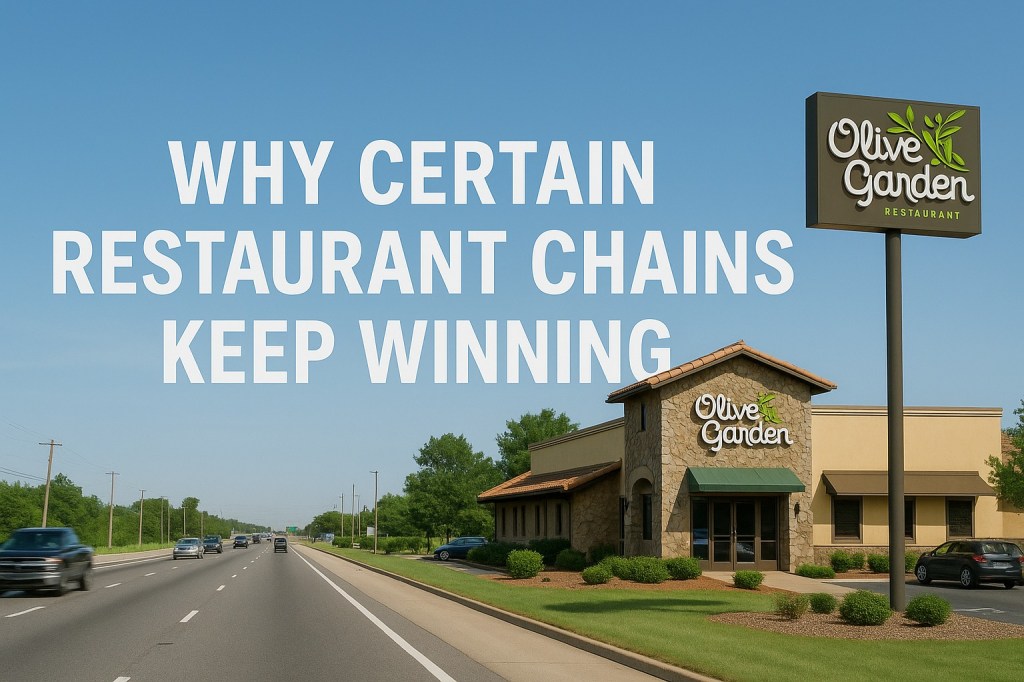
What Naysayers Miss About Chains Like Olive Garden and Texas Roadhouse

We often hear people criticize big restaurant chains like Olive Garden and Texas Roadhouse for serving subpar food, lacking authenticity, or being overly commercialized. Yet, these same chains consistently dominate headlines with stories of growth, expansion, and industry leadership. How is this possible? What are the critics missing? And what lessons can other restaurants learn from these so-called “commercialized” giants?

First, it’s important to separate culinary critique from business reality. While some diners and critics dismiss chain restaurants as cookie-cutter and uninspired, millions of customers choose them daily because they deliver on the fundamentals: consistency, convenience, and value. For the average consumer, knowing exactly what to expect — whether it’s breadsticks at Olive Garden, rolls at Texas Roadhouse, or a familiar burger from any national chain — is often more important than discovering something new and unpredictable.

These chains thrive on consistency. They perfect recipes, meticulously train staff, and implement systems to ensure every guest has a dependable experience no matter the location. This is no small feat. In fact, it’s one of the most difficult challenges in scaling a restaurant business. Critics might call it bland or commercialized, but customers often see it as a promise kept — quality that fits their budget, schedule, and expectations.

Olive Garden and Texas Roadhouse, like many major chains, also invest heavily in research, technology, and customer data. They adapt menus to showcase value, innovate around delivery and digital ordering, roll out loyalty programs, and respond to shifting consumer trends faster than many smaller operators. Their ability to evolve — whether that means offering lighter options, seasonal promotions, or new technology — is a key reason they continue to dominate while others fade.

Beyond operations, these chains understand emotional connection. They tap into nostalgia, community involvement, and targeted marketing to build loyalty and habitual traffic. They become part of the social fabric in towns across America — a dependable place for family dinners, birthday celebrations, or casual nights out.

So what are the naysayers missing? Often, they equate “authenticity” with being small, obscure, or independent. But authenticity also means delivering on your promise — whether that promise is a warm bowl of pasta that tastes exactly as expected every time, a clean dining room, or a friendly server who knows the menu by heart.

Other restaurant chains, smaller brands, and independents can learn from this success by:

  • Protecting consistency in every customer interaction while building on unique strengths and flavors.
  • Investing in operations and technology to keep pace with customer expectations.
  • Listening constantly to guests — adapting menus, promotions, and service based on their preferences rather than industry hype.
  • Building a brand narrative that resonates across every channel, from social media to local community engagement.

The continued growth of restaurant chains isn’t a mystery. It comes from disciplined execution, customer insight, and a relentless focus on delivering exactly what people want. While critics might dismiss them as “commercialized,” customers keep coming back — and that’s the true measure of success in the restaurant industry.

Make today a great day. Make it happen. Make it count!

About the Author

Paul Segreto brings over four decades of hands-on experience in franchising, restaurants, and small business development. A passionate advocate for entrepreneurship, Paul has guided countless individuals on their journey to success, whether they are established entrepreneurs or just beginning to explore the path of business ownership.

Named one of the Top 100 Global Franchise and Small Business Influencers, Paul is also the voice behind the Acceler8Success Cafe, a daily content platform where thousands of entrepreneurs gain insight and motivation. A lifelong advocate for ethical growth and brand integrity, Paul continues to coach founders, franchise leaders, and entrepreneurial families, helping them find clarity in chaos and long-term success through intentional leadership.

Ready to take your next step in business or looking for expert insight to overcome today’s challenges? Reach out directly to Paul at paul@acceler8success.com — your path to success may be one conversation away.

About Acceler8Success Group

Acceler8Success Group is a multifaceted business advisory platform committed to empowering entrepreneurs, small business owners, franchise professionals, and industry leaders through strategic consulting, coaching, and curated content.

With a strong focus on entrepreneurship, franchising, restaurants, and small business growth, Acceler8Success Group delivers actionable insights and real-world strategies across its suite of brands, including the following:

Acceler8Success,  FranchiseReclaim,  OwnABizness.com,  Accelerate Success Coaching,  Your Entrepreneurial Success, and relaunching soon, Franchise Foundry.

By blending deep industry expertise with a dynamic content ecosystem, Acceler8Success Group fosters sustainable success and responsible leadership for today’s innovators and tomorrow’s legacy builders.

Elevate Your Franchise Brand with Effective Mystery Shopping

Mystery shopping is one of the most effective tools franchisors can use to protect their brand reputation, ensure operational consistency, and build a culture of excellence across their network. Whether overseeing franchisee-operated locations or corporate-owned outlets, franchisors face the constant challenge of maintaining a consistent customer experience. Every customer interaction reflects the brand. That interaction, whether positive or negative, leaves an impression that impacts repeat business, word-of-mouth referrals, and overall reputation. Mystery shoppers, posing as regular customers, provide franchisors with an authentic look into what is really happening on the front lines. They experience the product quality, the service, the atmosphere, and the staff interactions in real time, giving franchisors and franchisees an unfiltered snapshot of the customer journey. These insights help identify where brand standards are upheld and where they break down, highlighting inconsistencies in compliance, service delivery, and presentation across different locations.

No matter how strong the initial training program, gaps and inconsistencies will inevitably emerge as operations evolve and staff turnover occurs. Mystery shopping exposes compliance issues such as health and safety protocol violations, poor sanitation practices, or food handling problems. It uncovers service gaps like long wait times, order inaccuracies, low upsell attempts, and poor customer engagement. It also reveals presentation issues ranging from unclean environments to outdated signage or lapses in brand standard execution. Early detection of these problems allows franchisors and franchisees to fix issues before they erode customer trust and loyalty.

Uniform evaluations across all locations create powerful benchmarking opportunities. By comparing franchise locations with corporate outlets using the same criteria, franchisors can determine if franchisees are meeting or exceeding brand expectations. Top-performing locations can be recognized and rewarded, while underperformers can receive additional support and coaching. High performers often have operational habits or unique practices that can become system-wide best practices, giving the entire network a path to improvement.

Mystery shopping also promotes accountability among franchisees and managers. Knowing that the brand is monitoring performance from the customer’s perspective motivates operators to remain vigilant and consistent. This sense of accountability inspires operational rigor, proactive problem-solving, and a heightened focus on customer satisfaction. Collected data becomes the foundation for smart decision-making. Franchisors can use the results to target specific weaknesses with additional training, tailor recognition programs to reward exceptional performance, and offer coaching to franchisees needing help with certain aspects of their operations. Strategic decisions, from marketing adjustments to operational upgrades, can also be informed by the trends and insights that mystery shopping uncovers.

For mystery shopping to deliver real value, it needs to be implemented carefully and strategically. The first step is to define clear objectives. Franchisors must decide what they want to measure, whether it’s service quality elements like greetings and responsiveness, operational compliance such as cleanliness and safety, sales execution around suggestive selling and promotional compliance, or broader environmental factors like ambiance and store layout. Once the focus areas are defined, the evaluation must be standardized. Using consistent checklists and scoring systems ensures every evaluation is fair and comparable. Incorporating different customer scenarios, such as dine-in, takeout, and drive-thru, allows franchisors to see how their teams perform across multiple touchpoints. Surveys should be structured to capture both objective data—like wait times and order accuracy—and subjective impressions such as friendliness, atmosphere, and overall satisfaction.

Choosing the right mystery shoppers is also crucial. Many franchisors hire professional firms that offer consistency, anonymity, and trained evaluators. Some prefer developing trusted local shoppers with thorough guidance and quality control. Mystery shopping should be frequent enough to identify patterns but not so frequent that it disrupts operations or causes staff to be constantly on guard. Evaluations conducted monthly or quarterly, across various shifts and days, tend to provide balanced and actionable insights. Encouraging franchisees to conduct their own mystery shops or participate in peer evaluations can also deepen understanding and encourage adoption of shared standards.

Once results are gathered, franchisors should analyze the data across the system, tracking scores by region, store type, and time period. This makes it easier to identify chronic weaknesses, recurring issues, and operational inconsistencies. Sharing results transparently with franchisees builds trust. Providing detailed scorecards and benchmarking each location against system averages shows operators exactly where they excel and where they need to improve. Feedback should be constructive and specific, focused on behaviors and processes rather than on individuals.

Coaching and training are where mystery shopping programs bring the greatest value. High performers should be recognized and rewarded. For operators who struggle, targeted support through workshops, mentoring, or one-on-one coaching can improve results. Sharing success stories and operational best practices from top locations creates a culture of learning and encourages adoption of proven techniques. Tying mystery shopping results to incentives rather than penalties keeps the program positive and supportive. For consistently low-performing locations, franchisors can connect additional resources, mystery shop credits, or extra training to improvement plans, reserving punitive measures as a last resort. Following up with another round of mystery shopping after coaching and training completes the feedback loop, demonstrating progress and maintaining momentum.

A few best practices strengthen mystery shopping initiatives. Keeping evaluations confidential prevents staff from gaming the system. Regularly updating checklists ensures alignment with promotions, seasonal initiatives, and brand updates. Using analytics tools uncovers trends and correlations that may not be obvious in raw data. Balancing mystery shopping with customer feedback surveys provides a broader picture of customer sentiment. Involving franchisees in setting evaluation criteria increases their buy-in and confidence in the process.

Ultimately, mystery shopping is not about catching people doing things wrong. It is about building a partnership between franchisor and franchisee to protect the brand and deliver an exceptional customer experience at every location. A well-designed, transparent, data-driven mystery shopping program becomes a cornerstone of operational excellence, driving accountability, trust, and continuous improvement throughout the franchise system.

Make today a great day. Make it happen. Make it count!

About the Author

Paul Segreto brings over four decades of hands-on experience in franchising, restaurants, and small business development. A passionate advocate for entrepreneurship, Paul has guided countless individuals on their journey to success, whether they are established entrepreneurs or just beginning to explore the path of business ownership.

Named one of the Top 100 Global Franchise and Small Business Influencers, Paul is also the voice behind the Acceler8Success Cafe, a daily content platform where thousands of entrepreneurs gain insight and motivation. A lifelong advocate for ethical growth and brand integrity, Paul continues to coach founders, franchise leaders, and entrepreneurial families, helping them find clarity in chaos and long-term success through intentional leadership.

Ready to take your next step in business or looking for expert insight to overcome today’s challenges? Reach out directly to Paul at paul@acceler8success.com — your path to success may be one conversation away.

About Acceler8Success Group

Acceler8Success Group is a multifaceted business advisory platform committed to empowering entrepreneurs, small business owners, franchise professionals, and industry leaders through strategic consulting, coaching, and curated content.

With a strong focus on entrepreneurship, franchising, restaurants, and small business growth, Acceler8Success Group delivers actionable insights and real-world strategies across its suite of brands, including the following:

Acceler8Success,  FranchiseReclaim,  OwnABizness.com,  Accelerate Success Coaching,  Your Entrepreneurial Success, and relaunching soon, Franchise Foundry.

By blending deep industry expertise with a dynamic content ecosystem, Acceler8Success Group fosters sustainable success and responsible leadership for today’s innovators and tomorrow’s legacy builders.