Tag: marketing

Preserving Brand Integrity Across Multiple Locations: Why Consistency Is the Cornerstone of Sustainable Growth

For brand operators, whether in franchising, corporate chains, licensing, or joint ventures, maintaining the integrity of the business model is not a luxury—it’s a non-negotiable necessity. As a brand expands, what once was controlled by a founder or small team becomes a much broader system influenced by dozens or even hundreds of hands. With each additional location, the risks of dilution, misinterpretation, or outright deviation increase. And with them, the risks of brand erosion.

Brand integrity is not simply about logos and color palettes. It is the sum total of what the brand promises, delivers, and represents—strategically, operationally, and emotionally. It encompasses the business model that defines unit economics and customer value, the trade dress that creates instant recognition, and the trademark and logo that symbolize trust and familiarity. When all elements are in alignment, brand integrity reinforces itself, building momentum with every customer interaction. But when misaligned, each crack grows larger, threatening the foundation upon which the business is built.

The business model is where it begins. From product offerings to service procedures, pricing structure to profit margins, the model provides the blueprint. Every store or unit is a direct extension of this framework. When a store changes that model—perhaps by offering unauthorized menu items, using cheaper ingredients, or altering operating hours—it isn’t just tweaking a store-level tactic. It’s compromising the brand’s economic engine. Suddenly, customers experience inconsistency. Franchisees and store managers become confused about the rules. Investors start to worry that growth will lead to chaos, not scale.

Trade dress—interior design, signage, uniforms, layout, packaging—is more than aesthetics. It’s a system of visual and experiential cues that tell the customer they’re in the right place. A customer walking into one location should feel the same rhythm, tone, and sensory experience as they would in another city or state. When locations start to “personalize” beyond brand standards, that familiarity disappears. It can feel jarring and uncertain, and trust quietly begins to erode.

Then there’s the trademark and logo—the heart of legal brand identity. These elements are what customers see first and what they remember last. They carry with them the weight of every marketing campaign, every social media post, every earned review and recommendation. If unauthorized locations or loosely affiliated operators misuse the brand or adopt similar names and designs, not only is the customer confused, but the brand owner may lose exclusive rights to its most valuable asset. Failure to enforce trademark protections can lead to legal vulnerability and long-term devaluation of the brand itself.

All of this matters not only to customers but to every stakeholder. Employees rely on a consistent brand identity to understand what’s expected of them. When standards change from one location to another, morale drops, and turnover increases. Franchisees and investors count on the strength and uniformity of the brand to support their investment. If they see inconsistent enforcement or favoritism, confidence in leadership erodes. Suppliers structure pricing and logistics based on predictability. Deviations cause inefficiencies, cost overruns, and damaged partnerships. Lenders evaluate brand strength as a factor in loan decisions—especially in franchise systems where royalties, marketing funds, and average unit volumes are essential to repayment models.

But what happens when brand integrity is compromised?

The answer can be swift and devastating. Customers notice first. Inconsistent quality, altered menu offerings, different service approaches—they all signal a lack of control. Social media accelerates that perception. A single photo or bad review from a non-compliant location can go viral and tarnish the entire system. Disgruntled franchisees may use the brand’s failure to maintain standards as grounds for legal action—or worse, for departure. Expansion slows, especially in new markets where brand equity hasn’t yet been firmly established. Media attention may shift from positive growth stories to damage control narratives. And in worst-case scenarios, the brand implodes under the weight of its own inconsistency.

On the flip side, protecting brand integrity creates long-term strength. Consistency builds trust. Trust drives loyalty. Loyalty drives lifetime value and fuels word-of-mouth growth. From the moment a guest enters a location or sees a logo online, they expect reliability. That reliability doesn’t just reflect on a local store—it reflects on the entire brand. Operators who uphold that standard, who demand compliance, who audit performance, who correct deviations immediately, are investing in more than quality control. They’re investing in the brand’s future.

Ultimately, maintaining brand integrity is not about rigidity or stifling creativity. It’s about discipline, clarity, and commitment. It’s about recognizing that growth multiplies both opportunity and risk—and the only way to sustain that growth is through a unified brand that customers, partners, and team members can believe in without question.

Because when a brand becomes inconsistent, it becomes forgettable. But when it becomes consistent, it becomes unstoppable.

Make today a great day. Make it happen. Make it count!

About the Author

Paul Segreto brings over four decades of hands-on experience in franchising, restaurants, and small business development. A passionate advocate for entrepreneurship, Paul has guided countless individuals on their journey to success, whether they are established entrepreneurs or just beginning to explore the path of business ownership.

Named one of the Top 100 Global Franchise and Small Business Influencers, Paul is also the voice behind the Acceler8Success Cafe, a daily content platform where thousands of entrepreneurs gain insight and motivation. A lifelong advocate for ethical growth and brand integrity, Paul continues to coach founders, franchise leaders, and entrepreneurial families, helping them find clarity in chaos and long-term success through intentional leadership.

Ready to take your next step in business or looking for expert insight to overcome today’s challenges? Reach out directly to Paul at paul@acceler8success.com — your path to success may be one conversation away.

About Acceler8Success Group

Acceler8Success Group is a multifaceted business advisory platform committed to empowering entrepreneurs, small business owners, franchise professionals, and industry leaders through strategic consulting, coaching, and curated content.

With a strong focus on entrepreneurship, franchising, restaurants, and small business growth, Acceler8Success Group delivers actionable insights and real-world strategies across its suite of brands, including the following:

Acceler8Success,  FranchiseReclaim,  OwnABizness.com,  Accelerate Success Coaching,  Your Entrepreneurial Success, and relaunching soon, Franchise Foundry.

By blending deep industry expertise with a dynamic content ecosystem, Acceler8Success Group fosters sustainable success and responsible leadership for today’s innovators and tomorrow’s legacy builders.
Lead Generation vs. Candidate Attraction: The Franchise Development Strategy You’re Missing

In franchise development, understanding your ideal candidate is just as critical as perfecting your brand’s operations or support systems. You can have a solid business model, strong unit economics, and a scalable concept—but if you’re not aligning those strengths with the right franchise partners, sustainable growth becomes difficult, if not impossible.

At the most fundamental level, franchise candidates generally fall into two distinct categories: the Wishes, Hopes, and Dreams candidate and the ROI candidate. Each represents a very different mindset, motivation, and investment approach—and must be attracted using completely different strategies. Mistaking one for the other, or worse, treating both the same, often leads to wasted resources, low conversions, underperforming franchisees, and long-term brand instability.

The Wishes, Hopes, and Dreams Candidate

These are typically individuals who have spent their careers as employees and now see business ownership as the next logical step toward personal and financial freedom. They’re emotionally driven—motivated by the idea of being their own boss, building a better life for their family, owning a vacation home, or replacing lost income from a job they’ve left or outgrown.

They may have limited capital, but they bring ambition and a strong work ethic. They often seek reassurance, validation, and a sense of possibility. These candidates are emotionally connected to the concept of entrepreneurship, but many are first-time business owners—more “business operators” than seasoned entrepreneurs.

Some do mature into multi-unit owners, but most stay focused on a single unit. Emotion plays a powerful role in their decision-making process, which means they can be quick to sign but may lack full understanding of the long-term demands and risks of business ownership.

The ROI Candidate

This group is fundamentally different. ROI candidates are experienced entrepreneurs or professionals—often including investment groups, physicians, immigrant business leaders, or small networks of like-minded investors. They have access to capital, strong networks, and a portfolio mindset. Franchising for them isn’t a dream—it’s a strategic business move.

Their decision-making process is analytical. They consider ROI, scalability, operational efficiency, and long-term exit potential. They often come in with a plan to expand quickly—multi-unit, multi-brand, sometimes vertically integrating with real estate holdings or other complementary investments. Emotion doesn’t drive their choices—metrics and strategy do.

They’re more deliberate, more patient, and far more likely to become your brand’s biggest growth drivers if aligned properly.

Lead Generation vs. Candidate Attraction

Here’s where many franchisors fall short: they confuse lead generation with candidate attraction.

Lead generation is about volume. It’s the traditional method—advertising across platforms, buying contact lists, and using franchise portals to gather as many leads as possible. This scattershot approach tends to attract more Wishes, Hopes, and Dreams candidates, many of whom are merely curious or unqualified. It’s a short-term tactic with a long follow-up tail, often producing high activity but low conversion and retention.

Candidate attraction, on the other hand, is strategic. It’s about clearly identifying your ideal candidate profile and then building deliberate marketing and outreach tactics to connect with that candidate. It’s the long game. Fewer leads, more quality. Less noise, stronger conversations. Done right, it yields partners who scale with you and help elevate your brand.

Building a Smart Candidate Strategy

Franchisors must stop applying a one-size-fits-all approach to franchise development. Instead, build a multi-faceted, intentional strategy that aligns with your ideal candidate. That means:

  • Define your right-fit candidate. Who is the most successful in your system today? What qualities do they share? Who is underperforming, and why?
  • Find where they congregate. Are they active on LinkedIn? In investor networks? Reading industry blogs? Attending business conferences?
  • Craft your messaging accordingly. The Wishes, Hopes, and Dreams candidate needs stories, inspiration, and reassurance. The ROI candidate wants proof, process, and potential.
  • Adjust your process. Your funnel, FDD presentation, discovery day, and sales cadence must match the pace and mindset of the candidate type you’re targeting.

From digital marketing to content strategy, discovery days to franchisee onboarding—every element must speak directly to the type of person most likely to thrive within your system.

Emotion vs. Analysis

One of the most significant differences between these candidate types is how they make decisions.

The Wishes, Hopes, and Dreams candidate leads with emotion. They may make a quick decision based on lifestyle aspirations or fear of missing out. They respond to testimonials, success stories, and a personal connection with the brand.

The ROI candidate is almost purely analytical. They want data, structure, systems, and a clear understanding of how the franchise will integrate with their long-term plan. They’ll want to know about EBITDA, margins, market saturation, support systems, scalability, and exit potential.

Why This Matters

Ultimately, your brand doesn’t just need any franchisee. It needs the right franchisee. Brands that grow strong and scale fast are built on thoughtful, consistent franchise recruitment strategies—ones that consider long-term value over short-term sales.

Misalignment is costly. It leads to underperformance, disputes, resales, and reputational damage. But with the right-fit partners, your brand can flourish across markets, attract stronger candidates through word of mouth, and create a system built for resilience.

Call to Action

If you haven’t taken the time to clearly define your right-fit franchise candidate—or if your pipeline is full but not converting—pause and evaluate. Look at your top performers. Understand where your best candidates are coming from, how they think, and what they value. Then shift your focus from volume to value.

Develop a smart, segmented, and long-term candidate attraction strategy. Tailor your brand story, outreach, and onboarding accordingly.

Success doesn’t come from saying yes to everyone—it comes from saying yes to the right ones. Build your brand with purpose. Attract smarter. Grow stronger. And scale with confidence.

Make today a great day. Make it happen. Make it count!

About the Author

Paul Segreto brings over four decades of hands-on experience in franchising, restaurants, and small business development. A passionate advocate for entrepreneurship, Paul has guided countless individuals on their journey to success, whether they are established entrepreneurs or just beginning to explore the path of business ownership.

Named one of the Top 100 Global Franchise and Small Business Influencers, Paul is also the voice behind the Acceler8Success Cafe, a daily content platform where thousands of entrepreneurs gain insight and motivation. A lifelong advocate for ethical growth and brand integrity, Paul continues to coach founders, franchise leaders, and entrepreneurial families, helping them find clarity in chaos and long-term success through intentional leadership.

Ready to take your next step in business or looking for expert insight to overcome today’s challenges? Reach out directly to Paul at paul@acceler8success.com — your path to success may be one conversation away.

About Acceler8Success Group

Acceler8Success Group is a multifaceted business advisory platform committed to empowering entrepreneurs, small business owners, franchise professionals, and industry leaders through strategic consulting, coaching, and curated content.

With a strong focus on entrepreneurship, franchising, restaurants, and small business growth, Acceler8Success Group delivers actionable insights and real-world strategies across its suite of brands, including the following: 

Acceler8Success,  FranchiseReclaim,  OwnABizness.com,  Accelerate Success Coaching,  Your Entrepreneurial Success, and relaunching soon, Franchise Foundry.

By blending deep industry expertise with a dynamic content ecosystem, Acceler8Success Group fosters sustainable success and responsible leadership for today’s innovators and tomorrow’s legacy builders.

Answering the Call: The Family Dynamic of Franchising

Most franchise locations, especially in food service, are open nearly every day of the week. They operate early mornings, late nights, weekends, and holidays — often when customers are most active. That’s the nature of the business. These long hours are where the brand’s promise is fulfilled, where customer experience is shaped, and where franchisees carry the weight of operations. Meanwhile, franchisor corporate offices typically function within standard business hours — Monday through Friday, nine to five. This contrast between storefront urgency and office routine creates a natural friction. And it raises a question that speaks directly to the heart of the franchisor-franchisee relationship: should weekend or late-night calls from franchisees — even to the founder or CEO — be answered?

It’s not a question of policy as much as one of values. Franchising at its best is like being part of a family. It’s personal. It’s close. It’s built on shared belief in the brand and mutual commitment to success. And in a family, if someone calls late at night, you pick up — not because it’s convenient, but because it matters. For many franchisees, especially those in the first wave of an emerging brand, the founder isn’t just an executive; they’re a mentor, a partner, and in some ways, a lifeline. These early franchisees often invested based on a personal relationship. They took a leap with a brand that’s still defining itself. That trust runs deep — and so do the expectations.

Answering that call, even at 2:15 a.m., can mean everything. It may not always be about solving a problem in the moment. Sometimes, it’s just about being there. The founder picking up shows solidarity, humility, and hands-on leadership. It communicates: “You’re not in this alone.” That single moment of responsiveness can reinforce the franchisee’s belief in the brand more than any email or training session ever could.

But constant availability comes at a cost. If every issue — large or small — finds its way to the founder’s phone, it’s not just a problem of bandwidth. It signals a system lacking infrastructure. Long-term, this creates dependency rather than empowerment. It also erodes the founder’s ability to lead strategically. A business built on constant crisis management can’t scale. The answer isn’t total availability or total avoidance. It’s thoughtful boundaries — built on structure, not silence.

Screening calls may feel cold, but when done through a clearly communicated support system — like after-hours reps or a triage protocol — it respects both the franchisee’s need for support and the franchisor’s need for focus. The key is clarity. Franchisees should know when and why a call will be answered immediately versus directed to the right channel. Emergencies shouldn’t be filtered. But frustrations that can wait until Monday shouldn’t dominate Sunday night.

At what point does calling the CEO become intrusive? When it becomes a habit rather than an exception. One call during a real crisis isn’t overstepping. It’s part of the relationship. But repeated calls that bypass the chain of support dilute the CEO’s role and risk blurring professional lines. The founder should remain visible, accessible, and present — but not as the default operator for every issue.

Responsible franchising isn’t just about legal compliance or operational excellence. It’s about relationships. That means showing up, even after hours — but also building systems that respect everyone’s time and role. The strongest brands find the balance. They answer the call when it matters most, but they also train their franchisees to thrive with the support structures in place. Because when trust is earned — not just promised — the family grows stronger.

Make today a great day. Make it happen. Make it count!

About the Author

Paul Segreto brings over four decades of hands-on experience in franchising, restaurants, and small business development. A passionate advocate for entrepreneurship, Paul has guided countless individuals on their journey to success, whether they are established entrepreneurs or just beginning to explore the path of business ownership.

Named one of the Top 100 Global Franchise and Small Business Influencers, Paul is also the voice behind the Acceler8Success Cafe, a daily content platform where thousands of entrepreneurs gain insight and motivation. A lifelong advocate for ethical growth and brand integrity, Paul continues to coach founders, franchise leaders, and entrepreneurial families, helping them find clarity in chaos and long-term success through intentional leadership.

Ready to take your next step in business or looking for expert insight to overcome today’s challenges? Reach out directly to Paul at paul@acceler8success.com — your path to success may be one conversation away.

About Acceler8Success Group

Acceler8Success Group is a multifaceted business advisory platform committed to empowering entrepreneurs, small business owners, franchise professionals, and industry leaders through strategic consulting, coaching, and curated content.

With a strong focus on entrepreneurship, franchising, restaurants, and small business growth, Acceler8Success Group delivers actionable insights and real-world strategies across its suite of brands, including the following: 

Acceler8Success,  FranchiseReclaim,  OwnABizness.com,  Accelerate Success Coaching,  Your Entrepreneurial Success, and relaunching soon, Franchise Foundry.

By blending deep industry expertise with a dynamic content ecosystem, Acceler8Success Group fosters sustainable success and responsible leadership for today’s innovators and tomorrow’s legacy builders.
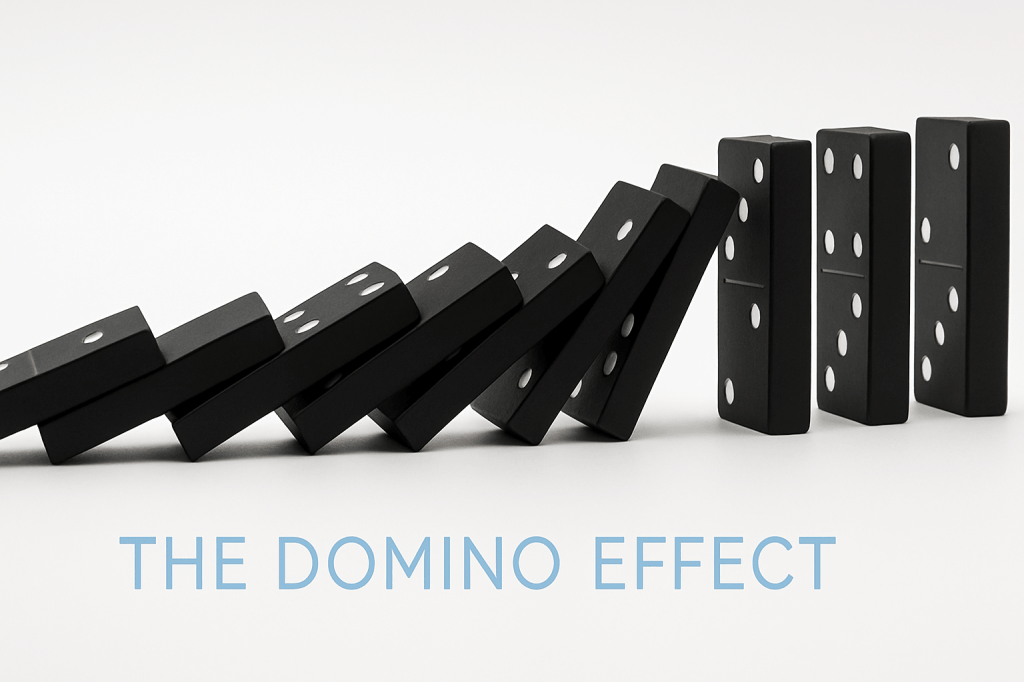
Awarding Franchises to the Wrong Candidates: The Domino Effect That Can Topple a Brand

Too often, in the pursuit of growth, franchisors make the critical mistake of awarding franchises to individuals who are either undercapitalized or simply not qualified to operate within the structure of the business model. While the most immediate and obvious consequence is a failed franchise location, the damage runs far deeper—and wider.

When a franchisee struggles due to lack of capital, insufficient operational knowledge, or an inability to follow the system, the brand takes a direct hit. Their failure isn’t isolated; it ripples across the network. Other franchisees in the same market feel the immediate impact. They have to answer questions from customers, deal with increased skepticism from their own employees, and often face unfair comparisons. Even if they’re operating at a high level, the proximity to failure can dampen morale and performance.

Customer perception is even more fragile. A single location that provides subpar service, closes prematurely, or experiences obvious instability can taint the entire brand in the eyes of the public. Word spreads fast—especially in a connected, review-driven economy. Rumors and half-truths take on a life of their own. What starts as an isolated issue becomes a narrative: “That franchise is struggling.”

This same perception trickles into the minds of vendors and local lenders. If one franchisee defaults on payments, relationships strain for everyone. A vendor may tighten payment terms across the board. A bank may become hesitant to approve loans for new locations or for existing franchisees looking to expand. The performance of one franchisee can put the brakes on others’ growth.

Employees, both current and prospective, begin to question the stability of the brand. High turnover, reduced applicant pools, and a loss of confidence in the leadership of the brand can follow. Talent, especially at the unit level, becomes harder to attract and retain.

And then there’s the FDD. Closed locations must be documented. As more closures appear, red flags go up for prospective franchisees. Questions become tougher. Candidates take longer to decide—or walk away altogether. Growth slows. Leads dry up. And the franchisor is left spending more time explaining past mistakes than promoting the opportunity ahead.

This is the domino effect of awarding franchises to the wrong people. It begins with one flawed decision and cascades across the entire system. Brand integrity erodes. System value diminishes. Culture weakens. What looked like growth on paper turns into contraction in reality.

It’s imperative that franchisors maintain discipline in their development efforts. Awarding a franchise should never be viewed as merely a sale. It’s a strategic investment in the long-term health of the system. Financial qualifications must be non-negotiable. Operational fit must be assessed with rigor. Personality, attitude, alignment with the brand’s values—all must be considered.

Every franchise awarded to the wrong candidate puts the entire system at risk. Franchisors must remember: it’s not about how fast the system grows—it’s about how strong it stands when growth is tested.

The future of the brand depends on every domino being carefully and thoughtfully placed. Because once they begin to fall, it’s much harder to stand them back up.

Make today a great day. Make it happen. Make it count!

About the Author

Paul Segreto brings over four decades of hands-on experience in franchising, restaurants, and small business development. A passionate advocate for entrepreneurship, Paul has guided countless individuals on their journey to success, whether they are established entrepreneurs or just beginning to explore the path of business ownership.

Named one of the Top 100 Global Franchise and Small Business Influencers, Paul is also the voice behind the Acceler8Success Cafe, a daily content platform where thousands of entrepreneurs gain insight and motivation. A lifelong advocate for ethical growth and brand integrity, Paul continues to coach founders, franchise leaders, and entrepreneurial families, helping them find clarity in chaos and long-term success through intentional leadership.

Ready to take your next step in business or looking for expert insight to overcome today’s challenges? Reach out directly to Paul at paul@acceler8success.com — your path to success may be one conversation away.

About Acceler8Success Group

Acceler8Success Group is a multifaceted business advisory platform committed to empowering entrepreneurs, small business owners, franchise professionals, and industry leaders through strategic consulting, coaching, and curated content.

With a strong focus on entrepreneurship, franchising, restaurants, and small business growth, Acceler8Success Group delivers actionable insights and real-world strategies across its suite of brands, including the following: 

Acceler8Success,  FranchiseReclaim,  OwnABizness.com,  Accelerate Success Coaching,  Your Entrepreneurial Success, and relaunching soon, Franchise Foundry.

By blending deep industry expertise with a dynamic content ecosystem, Acceler8Success Group fosters sustainable success and responsible leadership for today’s innovators and tomorrow’s legacy builders.
The Role of Franchisees in Small-Town Revivals: Investing in Community, Not Just Commerce

As national brands continue their expansion beyond cities and suburbs into small-town America, the franchise model finds itself at a unique crossroads. Once perceived primarily as corporate extensions of large national chains, today’s franchisees have the opportunity—and responsibility—to redefine their role as true local entrepreneurs. In doing so, they can help fuel the revival of Main Street without compromising the charm and individuality that define these communities.

The key lies in integration, authenticity, and community involvement.

Contrary to common perception, most franchise locations are not owned by faceless corporations but by local small business owners. These franchisees live in the towns they serve. They employ local workers, support local schools, sponsor youth sports teams, and shop at the very stores lining Main Street. Their children go to the same schools, and they face the same local challenges and aspirations as their neighbors. In every sense, they are small business owners with a brand name on their storefront.

To gain genuine acceptance in small towns and rural communities, franchisees must lead with humility and purpose. They must resist the urge to “copy and paste” the typical corporate image and instead adapt to the community’s character. That might mean renovating a historic building instead of building new, using local materials and craftspeople to create a storefront that fits with the town’s aesthetic. It means hiring familiar faces and greeting customers by name. It means being present—at town hall meetings, at charity events, and on the sideline of Friday night football games.

Importantly, franchisees must tell their story. Residents need to know that behind the recognizable logo is someone who invested their savings, risked their future, and worked tirelessly to bring a trusted service or product to their hometown. This transparency bridges the emotional gap between “corporate” and “community.” Franchisees must make it known: this is not just a location; this is their business.

Main Street revival is about more than economic revitalization—it’s about preserving and promoting local identity. A franchisee who aligns with this philosophy can enhance rather than diminish the area’s appeal. Thoughtfully designed locations that respect the town’s architectural integrity, curated local partnerships that blend national consistency with regional flair, and sponsorships that reflect a real stake in the community—all contribute to the franchisee being seen not as an outsider, but as a vital part of the local fabric.

Franchising and small-town charm are not mutually exclusive. When done right, the two can work in harmony to bring economic opportunity, job creation, and enhanced services without eroding the unique soul of the community. Franchisees are not intruding—they’re investing. And when they show up not just with a business plan but with a sincere commitment to the people and culture of the town, they earn the trust and embrace of the community.

In the end, the most successful franchisees in small-town America are not those who lean on the power of the brand but those who become the personal face of it. That takes more than a sign above the door. It takes showing up, giving back, and becoming part of something bigger—something local. Because while the logo may be national, the impact is always personal.

Make today a great day. Make it happen. Make it count!

About the Author

Paul Segreto is a trusted voice in the franchise and small business world with over four decades of hands-on experience as a senior executive, consultant, coach, and entrepreneur. Known for his straight-talk approach and ability to connect strategy with real-world execution, Paul has guided countless emerging brands through the often-overwhelming challenges of growth, infrastructure development, and franchise system management.

Specializing in helping franchisors transition from startup to sustainable systems, Paul’s expertise is rooted in a deep understanding of responsible franchising—where accountability, transparency, and franchisee success are non-negotiable. Since 2001, he has advised startups and emerging brands through critical stages of development, supporting them in navigating crisis points, re-establishing trust, and building cultures centered around operational excellence.

Named one of the Top 100 Global Franchise and Small Business Influencers, Paul is also the voice behind the Acceler8Success Cafe, a daily content platform where thousands of entrepreneurs gain insight and motivation. A lifelong advocate for ethical growth and brand integrity, Paul continues to mentor founders, franchise leaders, and entrepreneurial families, helping them find clarity in chaos and long-term success through intentional leadership.

To connect, reach out directly to Paul via email at paul@acceler8success.com.

Partnering With Acceler8Success Group

At Acceler8Success Group, we believe responsible franchising starts with responsible leadership. We help franchisors and small business owners turn vision into viable, scalable systems—especially when the pressure is high and the stakes are real.

Our team supports entrepreneurs at every stage of the journey: from defining brand positioning and building franchise infrastructure, to launching growth initiatives, guiding leadership transitions, and executing turnarounds. Whether you’re building from the ground up or trying to regain control of a struggling franchise system, we provide the tools, strategies, and support that create sustainable results.

What sets us apart is our integrated approach. Through coaching, advisory, digital media, marketing, and franchise development, we build alignment between brand promise and operational performance—because growth without stability is just noise.

If you’re a franchisor facing overwhelming challenges, uncertainty, or system strain, don’t go it alone. Let’s rebuild confidence, restore momentum, and reignite the brand you’ve worked so hard to build.

Inquire today at Acceler8Success.com. Let’s make your next chapter your strongest yet.

OP-ED: Responsible Franchising Requires a Better Sales Model

For years, an overlooked issue has been quietly undermining the financial health and long-term stability of franchise brands: the excessive reliance on third-party brokers and franchise sales organizations. What began as a perceived shortcut to accelerate growth has evolved into a costly and unsustainable dependency that strips brands of profitability and control.

Franchisors now routinely surrender 45 to 75 percent of their franchise and development fees in commissions — often in exchange for little more than a lightly qualified lead. Despite these fees, the burden of nurturing, educating, and closing the sale frequently still falls on the franchisor’s internal team. The value proposition, in most cases, simply does not add up.

Beyond commissions, franchisors are subjected to mounting costs for expos, “network access” fees, and recurring monthly dues. When these expenses are multiplied across several broker groups, the financial strain becomes inescapable. However, the implications go beyond economics.

Poorly vetted candidates, attracted by polished marketing rather than genuine brand alignment, often progress through the system unchecked. The result: increased franchisee dissatisfaction, compliance issues, operational breakdowns, and costly turnover. Brand equity is quietly eroded, while the appearance of growth masks deeper vulnerabilities.

These practices raise a critical question for the franchising community: Are systems being built for sustainable, long-term success or is growth being purchased at the expense of brand health and franchisee outcomes?

In today’s landscape, the concept of responsible franchising is no longer optional — it is essential. As such, a reassessment of franchise sales models is overdue. The current structure, in many cases, rewards volume over value, hype over fit, and speed over sustainability.

A more viable path forward is both possible and necessary.

Under a modernized model, franchisors would maintain ownership of the development process while leveraging support systems designed for alignment, not volume. This could begin with a modest one-time onboarding fee, used not as a pay-to-play entry point, but as an opportunity to define brand criteria, cultural fit, operational expectations, and candidate profiles.

Referral fees would be paid only upon the formal awarding of a franchise and the receipt of development fees, replacing high commissions just for introductions with performance-based fees that reflect the nature of a true referral. Interested parties would be drawn in not through aggressive sales tactics, but through access to valuable information and resources — essential components of the due diligence process required before even considering franchising as a path to business ownership.

Most importantly, candidate vetting would be performed by experienced franchise professionals — individuals equipped to evaluate not only financial qualifications but also alignment with operational models, values, and long-term potential. Monthly strategic review meetings between franchisors and development partners would ensure consistent alignment and transparent collaboration.

This model accomplishes three essential goals:

It restores financial discipline by eliminating wasteful spending on unproductive leads, inflated commissions, and ineffective events.

It enhances franchisee selection, reducing the likelihood of mismatched candidates and the risks they pose to operational performance and brand cohesion.

It returns control to franchisors, allowing them to protect their brand, culture, and long-term viability.

Responsible franchising starts at the very first touchpoint: the sales process. When that process is driven by trust, transparency, high-quality resources, and qualified matchmaking — rather than access fees and mass-market hype — stronger foundations are built. Foundations capable of supporting scalable, healthy growth.

Brands must now ask themselves a defining question: Who truly represents the brand — internal leadership or outsourced brokers with no accountability for long-term outcomes?

Franchising’s future depends on reclaiming control of the development journey. With practical structure, clear expectations, and a renewed focus on quality over quantity, franchise growth can be both profitable and principled.

The time for change is not next quarter, or next year. The time is now.

Franchisors committed to responsible growth must rethink their sales strategies, prioritize long-term brand health over short-term gains, and reclaim control of the development process. Care to explore how this can work for your brand? Reach out to the author below — it all starts with a conversation.

Make today a great day. make it happen. Make it count!

Responsible Franchising: A Gradual Journey, Not a Sharp Turn

Franchisors: Don’t Stick Your Head in the Sand—This Is the Moment to Lead

A Cautionary Tale for Emerging Franchise Brands: Beware the Cracked Cup

About the Author

With over 40 years of experience as a senior executive, consultant, coach, and entrepreneur, Paul Segreto is a recognized leader in small business, franchise, and restaurant management and development. His mission is to drive success through a culture-to-growth philosophy while connecting the right people, brands, and opportunities.

Since 2001, Paul has advised startups and emerging brands in defining their competitive edge and scaling effectively. He also provides coaching to individuals, families, and partners pursuing entrepreneurial goals.

Recognized as a Top 100 Global Franchise and Small Business Influencer, Paul shares daily insights at Acceler8Success Cafe and regularly contributes to a variety of industry blogs and publications.

Reach out directly to Paul at paul@acceler8success.com—your path to success may be one conversation away.

Partnering With Acceler8Succes Group

At Acceler8Success Group, we are committed to helping entrepreneurs, founders, restaurateurs, franchise operators, and business owners defy the odds. Our work begins where passion meets reality—bridging vision with execution, and ambition with strategic discipline.

Through coaching, advisory, digital media, marketing solutions, franchise development, and business optimization strategies, we deliver tailored support designed to not just launch businesses but to scale them sustainably. We help uncover blind spots, optimize strengths, and build the operational and strategic foundation necessary for long-term success.

If you are building something bold—or struggling to hold together what you’ve built—we invite you to connect. Let’s ensure your brand becomes the exception to grim statistics, not the example of them.

Acceler8Success Group: Where Entrepreneurs and Brands Find Clarity, Strategy, and Sustained Momentum.

Inquire today at Acceler8Success.com

Franchisors: Don’t Stick Your Head in the Sand—This Is the Moment to Lead

Think back to 2010 through 2012. The franchise world was under pressure. Sales were down, pipelines were thin, and confidence was shaky. In response, many franchisors made bold declarations: “We’re going to use this time to refocus. We’ll improve training. Strengthen support. Reinforce our operations. Tighten up the brand.” The intention was there—but the follow-through? For most, it never happened.

As soon as development rebounded, priorities shifted back to growth. The deep operational work—the hard stuff that actually moves the needle—was forgotten. The opportunity to future-proof the system was missed.

Here we are again. And the warning signs are just as loud. Franchise development is softening. Labor costs are climbing. Operators are feeling squeezed. Consumer behaviors are shifting. AI and tech are moving faster than most can keep up. If you’re waiting for things to “go back to normal,” you’re missing the point.

This is not the time to wait. It’s the time to act. But first, don’t stick your head in the sand.

The market is evolving. Franchisees are watching. Candidates are questioning. Your team is looking for direction. Silence, inaction, and complacency aren’t strategies, they’re risks. Now is the time to buckle down and do what should’ve been done years ago.

Start at the core. Is your franchise model built for long-term success? Are your systems designed to make franchisees more profitable, or just to keep them compliant? Your training program, does it reflect how adults actually learn? Are your support teams solving problems or just reporting them? These are not cosmetic updates. They are foundational. And they demand your full attention.

Differentiate your offering. Look at your brand with fresh eyes. What can you add to truly stand out? This isn’t about gimmicks. It’s about meaningful innovation, something that creates real value for franchisees and their customers. Whether it’s enhanced tech, a new service layer, a more flexible operating format, or a built-in local marketing engine push to evolve beyond “what’s always worked.”

Reinvest in relationships. Franchisees are your partners, not just operators. And they’re paying attention to how you lead right now. Are you accessible? Are you listening? Are you showing up? The best franchisors don’t just manage relationships, they cultivate them with intention. Be visible. Be accountable. Be human.

Technology is not an accessory, it’s a necessity. Don’t delay exploring how AI, automation, data platforms, and digital tools can help your franchisees operate smarter. Whether it’s labor optimization, inventory management, localized marketing, or customer experience, technology is reshaping how brands compete. And if you’re not moving forward, you’re already behind.

Communicate relentlessly. With franchisees. With your internal team. With candidates. With your customers. Uncertainty breeds anxiety, and the only cure is clarity. Be proactive in your messaging. Set the tone. Share your strategy. Give people a reason to believe, not just in the brand, but in your leadership.

This is not business as usual. It’s a call to action.

Franchisors who use this time wisely, who resist the urge to retreat, who lean into the hard work, who innovate and engage will come out ahead. Those who don’t? They’ll lose ground that may be impossible to recover.

So no, don’t stick your head in the sand.

Get focused. Get moving. Lead like the future of your brand depends on it.

Because it does.

Make today a great day. Make it happen. Make it count!

Partnering With Acceler8Succes Group

At Acceler8Success Group, we are committed to helping entrepreneurs, founders, restaurateurs, franchise operators, and business owners defy the odds. Our work begins where passion meets reality—bridging vision with execution, and ambition with strategic discipline.

Through coaching, advisory, digital media, marketing solutions, franchise development, and business optimization strategies, we deliver tailored support designed to not just launch businesses but to scale them sustainably. We help uncover blind spots, optimize strengths, and build the operational and strategic foundation necessary for long-term success.

If you are building something bold—or struggling to hold together what you’ve built—we invite you to connect. Let’s ensure your business becomes the exception to grim statistics, not the example of them.

Acceler8Success Group: Where Entrepreneurs and Brand Find Clarity, Strategy, and Sustained Momentum. Inquire today at Acceler8Success.com.

About the Author

With over 40 years of experience as a senior executive, consultant, coach, and entrepreneur, Paul Segreto is a recognized leader in small business, franchise, and restaurant management and development. His mission is to drive success through a culture-to-growth philosophy while connecting the right people, brands, and opportunities.

Since 2001, Paul has advised startups and emerging brands in defining their competitive edge and scaling effectively. He also provides coaching to individuals, families, and partners pursuing entrepreneurial goals.

Recognized as a Top 100 Global Franchise and Small Business Influencer, Paul shares daily insights at Acceler8Success Cafe and regularly contributes to a variety of industry blogs and publications.

Reach out directly to Paul at paul@acceler8success.com—your path to success may be one conversation away.

A Cautionary Tale for Emerging Franchise Brands: Beware the Cracked Cup

Picture a sleek ceramic coffee cup resting on the counter. It looks polished. Smooth. Maybe even brand new. There’s pride in its design, confidence in its potential. But there’s also something almost imperceptible—a slight crack at the bottom. Barely visible. Easy to miss. Not enough to raise concern. Not yet.

Now imagine pouring freshly brewed coffee into that cup. The aroma rises—warm, rich, and inviting. The coffee is valuable. It represents something deeper. It’s time. It’s money. It’s the energy of countless late nights and early mornings. It’s reputation. It’s everything you, your team, and your franchisees are putting into the brand.

At first, the cup seems to do its job. The coffee stays. The cup holds. But quietly, drop by drop, something begins to seep out. A small puddle forms. Nothing dramatic, nothing urgent. But it’s there. And over time, what looked like a promising, sturdy vessel can no longer keep pace. The crack spreads—subtly at first, then with greater speed. The coffee drains faster than it’s poured. And eventually, the cup fails.

This isn’t just a metaphor. It’s a reality for many emerging franchise brands.

The coffee cup represents the franchise system itself. Its shape, durability, and craftsmanship symbolize the infrastructure—marketing, training, technology, support, operations. It’s what franchisees buy into. It’s the promise of consistency, scalability, and success.

The coffee? That’s the investment. The financial capital, the emotional commitment, the sweat equity of both the franchisor and every franchisee who signs on. Every new location, every hire, every social media post, every dollar spent—it all pours into the cup.

But the crack? That’s the flaw in the system. And almost every franchise system has one, especially in the early stages. Maybe it’s poor onboarding. Maybe it’s fragmented communication. Maybe it’s a technology stack that hasn’t kept up with growth. Or marketing that lacks cohesion. Sometimes, it’s leadership misalignment or internal power struggles.

Whatever the cause, the flaw is rarely catastrophic at first. It’s the type of problem that’s easy to justify, easy to set aside, easy to explain away with early wins. But cracks don’t fix themselves. Left unaddressed, they expand under the pressure of scale.

More units open. More franchisees join. Expectations increase. Systems are stressed. And the very infrastructure that was supposed to support growth now starts to strain. Franchisees begin to feel the inefficiencies. They experience inconsistency in support, unanswered questions, marketing that doesn’t deliver, and operations that are harder than promised.

And as the crack grows, the franchisor begins working harder to compensate. More calls. More fixes. More “workarounds.” More money spent patching symptoms instead of solving root problems. It becomes a never-ending cycle—pouring in more coffee, trying to stay ahead of the leak.

Eventually, the cost to keep the cup full outweighs what it can ever hold.

This is the story of brands that had everything going for them—great product, passionate founders, even early market success—but didn’t invest in strengthening their systems. They mistook brand excitement for brand strength. They chased growth before they built sustainability.

Because franchise success doesn’t come from how many units are sold. It comes from how solidly the system supports those units. It comes from the infrastructure you build before scale tests it. It comes from knowing where the crack is and fixing it—not when it’s convenient, but when it’s critical.

A strong franchise brand doesn’t pretend cracks don’t exist. It identifies them early, addresses them honestly, and reinforces the system so it grows stronger with each new location, not weaker.

Because in the end, no matter how rich the coffee or how ambitious the pour, if the cup is compromised, the brand will fail.

And in franchising, that failure is more than spilled opportunity—it’s lost trust, broken livelihoods, and damaged reputations. It ripples outward. It hurts the people who believed in you most.

So build your cup like your brand depends on it. Because it does.

Fix the crack. Reinforce the system. Fortify the future.

Because a cracked cup may hold promise—but only a solid one holds success.

Partnering With Acceler8Succes Group

At Acceler8Success Group, we are committed to helping entrepreneurs, founders, restaurateurs, franchise operators, and business owners defy the odds. Our work begins where passion meets reality—bridging vision with execution, and ambition with strategic discipline.

Through coaching, advisory, digital media, marketing solutions, franchise development, and business optimization strategies, we deliver tailored support designed to not just launch businesses but to scale them sustainably. We help uncover blind spots, optimize strengths, and build the operational and strategic foundation necessary for long-term success.

If you are building something bold—or struggling to hold together what you’ve built—we invite you to connect. Let’s ensure your business becomes the exception to grim statistics, not the example of them.

Acceler8Success Group: Where Entrepreneurs and Brand Find Clarity, Strategy, and Sustained Momentum. Inquire today at Acceler8Success.com.

About the Author

With over 40 years of experience as a senior executive, consultant, coach, and entrepreneur, Paul Segreto is a recognized leader in small business, franchise, and restaurant management and development. His mission is to drive success through a culture-to-growth philosophy while connecting the right people, brands, and opportunities.

Since 2001, Paul has advised startups and emerging brands in defining their competitive edge and scaling effectively. He also provides coaching to individuals, families, and partners pursuing entrepreneurial goals.

Recognized as a Top 100 Global Franchise and Small Business Influencer, Paul shares daily insights at Acceler8Success Cafe and regularly contributes to a variety of industry blogs and publications.

Reach out directly to Paul at paul@acceler8success.com—your path to success may be one conversation away.

How McDonald’s Put Its Stamp on Franchising Forever

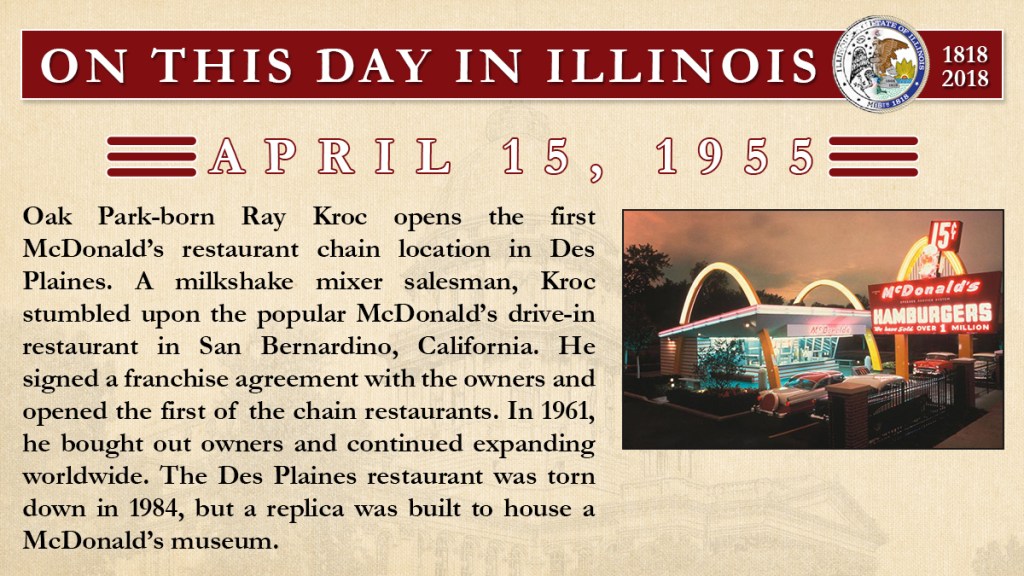
On April 15, 1955, Ray Kroc opened the first McDonald’s restaurant under his new corporation in Des Plaines, Illinois. It was not the first McDonald’s ever built, nor was it the first franchise business in America. Yet this date is widely recognized as the beginning of a new era in franchising, one that introduced a level of systemization, standardization, and scalability that would define modern franchising for decades to come.

Although franchising had existed in various forms for over a century, most notably in the soft drink, automobile, and petroleum industries, Ray Kroc’s vision for McDonald’s introduced a disciplined and replicable model that reshaped the business landscape. What began as a single unit serving a simple menu of burgers, fries, and shakes would evolve into one of the most influential business systems in history. More importantly, the principles established under Kroc’s leadership would become the foundation for the franchise industry as we know it today.

A New Model for Business Replication

What distinguished Ray Kroc’s approach from others before him was not simply the idea of duplication, but the meticulous structure around which that duplication would occur. At the heart of the McDonald’s model was consistency across locations, across operators, and across experiences. Kroc believed that a customer’s experience at a McDonald’s in Illinois should be identical to that of a customer visiting a McDonald’s in Arizona or New York. This was a radical departure from the more flexible, often decentralized franchise models of the time.

To achieve this level of consistency, Kroc introduced what would become some of the most widely emulated practices in franchising: detailed operational manuals, centralized training at the company’s Hamburger University, stringent site selection protocols, and ongoing franchisee support. These elements collectively established the franchise relationship not just as a legal contract, but as a fully integrated business partnership built on mutual success and accountability.

Kroc also understood the value of owning the real estate on which McDonald’s restaurants were built, an approach that allowed the corporation to exert significant control over franchisees while also creating a strong and stable revenue stream. This dual focus on operations and ownership created a model that was both financially sound and operationally efficient.

A Leadership Pipeline That Shaped an Industry

The culture within the McDonald’s system produced more than just successful franchisees, it became a breeding ground for industry leaders. Many executives, operators, and suppliers who cut their teeth within the McDonald’s ecosystem went on to establish or lead some of the most well-known brands in the franchise sector. Their success stories reflect the depth of the McDonald’s influence, which extends far beyond burgers and fries.

Fred Turner, who started as a grill operator in 1956, would eventually become CEO and chairman of McDonald’s. Under his stewardship, the company grew into a global institution, with increasingly refined systems and processes that reinforced the strength of the franchise model. Turner’s leadership further solidified the internal philosophy that training, discipline, and support were essential to sustainable growth.

Ed Rensi, another McDonald’s veteran who began as a grill cook, rose through the ranks to become President and Chief Executive Officer of McDonald’s USA. After leaving the company, Rensi applied the same operational discipline to other ventures, including serving as CEO of Famous Dave’s and as an advisor to several emerging franchise brands.

Rick Rosenfield and Larry Flax, both former McDonald’s franchisees, went on to found California Pizza Kitchen, a more upscale concept, yet one that retained many of the operational efficiencies they learned under Kroc’s system.

Others from the McDonald’s sphere brought their expertise to brands such as Burger King, Wendy’s, and countless franchise development firms, investment groups, and consulting practices. The culture of discipline and performance instilled at McDonald’s carried with them, and they replicated elements of that model in every new venture they touched.

An Enduring Legacy in Today’s Franchising Landscape

Nearly seventy years after Ray Kroc opened that first McDonald’s in Des Plaines, the company’s influence on franchising remains as strong as ever. The operational playbook he created is still used, in some form, by nearly every franchise system in existence today. From quick service restaurants to fitness concepts, from home service brands to education platforms, the core principles—consistency, support, replicability, and brand uniformity can all be traced back to the standards McDonald’s set in motion.

Training universities, franchise manuals, structured discovery processes, and site development protocols were not just innovations; they were institutional advancements that elevated franchising from an entrepreneurial experiment to a legitimate industry. Even the legal and regulatory frameworks that govern franchising today were influenced by the rise and scale of McDonald’s, prompting state and federal agencies to develop guidelines that could support this growing method of business expansion.

Today, as franchising continues to evolve in response to changing consumer behavior, digital transformation, and global market dynamics, the McDonald’s model remains a touchstone. Whether in discussions of operational excellence, franchisee support, or brand scalability, the example set by Ray Kroc and his successors continues to be studied, admired, and, more often than not, emulated.

A Historical Milestone With Modern Relevance

April 15, 1955, marks more than the opening of a restaurant. It marks the genesis of a movement. Ray Kroc may not have invented franchising, but he gave it form, function, and credibility. He showed the world what was possible when systems and people aligned in the pursuit of a singular brand experience delivered at scale.

The lessons learned under the golden arches have found their way into boardrooms, training rooms, and franchise expos across the globe. In doing so, McDonald’s did more than change the way people eat, it changed the way people do business. And it all began on a spring day in suburban Illinois, with a vision, a system, and a determination to do things differently.

Make today a great day. Make it happen. Make it count!

About the Author

Paul Segreto brings over four decades of hands-on experience in franchising, restaurants, and small business development. A passionate advocate for entrepreneurship, Paul has helped countless individuals turn their visions into thriving ventures. Ready to take your next step in business or looking for expert insight to overcome today’s challenges? Reach out directly to Paul at paul@acceler8success.com—your path to success may be one conversation away.

About Acceler8Success Group

Acceler8Success Group is where entrepreneurial ambition meets expert execution. We partner with entrepreneurs, founders, and business leaders to ignite growth through a tailored hybrid appoach of coaching, consulting, and business advisory. Whether you’re launching your first venture or scaling your next big idea, our team is ready to help you accelerate success. Let’s build your future—visit and connect with us today at Acceler8Success.com.

Smart Growth Strategy: Evolve Your Business by Adding Value—Not Complexity

If you have been in business long enough, you know that success rarely comes from standing still. Markets shift, consumer expectations evolve, and competition gets smarter by the day. To thrive, businesses must grow. But growth does not always mean launching something new from scratch. In fact, the smartest and most sustainable growth often comes from adding a complementary aspect to your existing business. It is not about reinventing the wheel. It is about evolving in a way that makes sense for your customers, your team, and your mission.

I have seen it time and again in my own ventures and those I have advised. The businesses that last are the ones that understand the power of natural progression. They look at what is already working, what customers already value, and they build on it. They introduce a product, service, or feature that complements what they already do. They do not pivot so far from their core that they lose their identity. Instead, they expand in a way that strengthens it.

Complementary growth can take many forms. A coffee shop might begin offering breakfast items or catering services to nearby offices. A boutique may add personal styling consultations or subscription boxes. A restaurant could roll out branded sauces or take-home meal kits. The key is that these additions feel like the next logical step, not a complete departure.

This type of growth is essential because relying on a single stream of revenue is risky. Economic fluctuations, changing tastes, even seasonal trends can impact your core business. By diversifying within your lane, you increase stability without diluting your brand. You create new ways to serve the same customer. You deepen relationships. You make your business more resilient.

But here is the reality—waiting for the perfect plan or flawless conditions will kill momentum. It is easy to get stuck in analysis, convincing yourself that more time or more information will guarantee success. It will not. At some point, you have to move. Progress over perfection is not just a mindset. It is a survival strategy.

“Strategy is a commodity, execution is an art.” Peter Drucker

So what does the process actually look like?

It starts with listening. Customers will tell you what they want if you pay attention. Look at what they are buying. Ask what else they need. Track where you lose sales or see hesitation. These are signals.

Next, look for alignment. The best complementary offerings are those that make sense for your current audience and operations. Do not chase what is trending. Instead, ask what is relevant. If you run a local gym, offering healthy prepared meals or on-site physical therapy makes more sense than starting a line of supplements with no connection to your brand story.

From there, test and learn. Do not wait to build the full infrastructure. Start small. Pilot a version of the idea. Gather feedback. Adjust as you go. Every successful initiative I have ever launched started with a simple test. A few customers. A single location. A limited rollout. You learn far more through action than through planning alone.

Once it proves viable, commit to scaling. Invest the time and resources needed to make it part of your business. Train your team. Update your messaging. Set goals and track results. Treat it like a core part of your business, not just a side project.

Build support systems gradually. You do not need to build a full-scale operation overnight. Add structure as you grow. Build only what is needed to get to the next level, then reassess. Trying to do everything at once will only slow you down.

And throughout the process, stay honest. Monitor performance. Is it driving revenue? Is it improving the customer experience? Is it stretching your resources too thin? The goal is to grow with purpose. Not every idea will stick. Some will need to be refined. Others may need to be scrapped. That is okay. The danger is in doing nothing.

“The biggest risk is not taking any risk. In a world that’s changing really quickly, the only strategy that is guaranteed to fail is not taking risks.” Mark Zuckerberg

I have seen businesses wait too long to evolve. They protect their original model like it is sacred, even as the market moves on. They ignore opportunities because the timing is not perfect or the path is not clear. Eventually, they run out of time.

The reality is that failing to act can be more dangerous than making a mistake. Inaction is often the slowest path to failure. Complementary growth gives your business the chance to deepen its impact, to create additional revenue streams, and to become more future-proof. It is not about changing who you are. It is about becoming more of what your customers already value.

Growth should feel like a step forward, not a leap into the unknown. When done right, it strengthens your brand, boosts your bottom line, and energizes your team.

So start where you are. Use what you have. Add what makes sense. And move with purpose, even if you are still figuring out the details. Because the truth is, waiting for perfection is a luxury most businesses cannot afford.

And if you care about the future of your business, you cannot afford to wait.

Make today a great day. Make it happen. Make it count!

About the Author

Paul Segreto brings over four decades of hands-on experience in franchising, restaurants, and small business development. A passionate advocate for entrepreneurship, Paul has helped countless individuals turn their visions into thriving ventures. Ready to take your next step in business or looking for expert insight to overcome today’s challenges? Reach out directly to Paul at paul@acceler8success.com—your path to success may be one conversation away.

About Acceler8Success Group

Acceler8Success Group is where entrepreneurial ambition meets expert execution. We partner with entrepreneurs, founders, and business leaders to ignite growth through a tailored hybrid appoach of coaching, consulting, and business advisory. Whether you’re launching your first venture or scaling your next big idea, our team is ready to help you accelerate success. Let’s build your future—visit and connect with us today at Acceler8Success.com.