
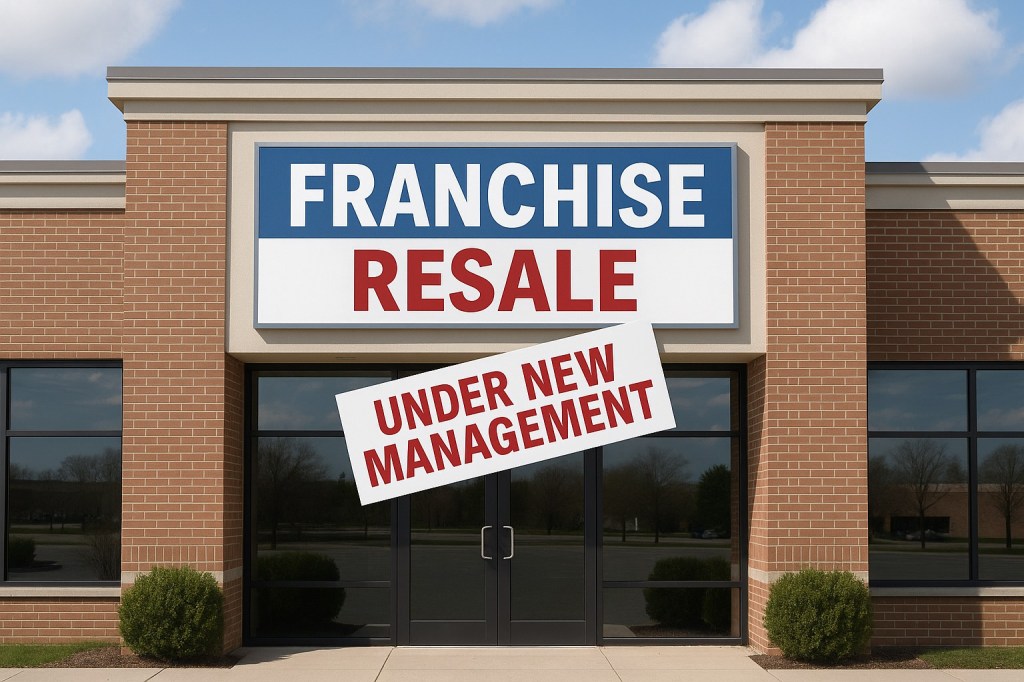
Franchise Resales: Ensuring the Right Fit for Your Brand

Franchise resales are an increasingly common part of franchise development. Whether an existing franchisee is retiring, seeking a new venture, or transitioning out for personal reasons, the opportunity to transfer ownership can be beneficial for all parties involved. For the franchisor, however, resales present unique challenges. Unlike new franchisees, resale buyers do not experience the full franchise journey of site selection, construction, and pre-opening collaboration with the franchisor. That process, while operational in nature, is also relational. It creates consistent communication, builds trust, and provides natural checkpoints for alignment with brand culture and values.

When buyers come into the system through a resale, they often miss these steps. Instead, they find themselves stepping directly into an operating business, where training becomes their first true brand immersion. This can feel like jumping feet first into the fire. For franchisors, ensuring these individuals are a right fit for the brand requires intentional effort well before the resale deal is finalized.

The process starts with screening. A resale buyer may already be financially qualified and attracted to the appeal of an operating business with existing customers and cash flow. But franchisors must go deeper than financial capability. They must evaluate whether the buyer has the right mindset, leadership style, and cultural alignment to sustain and grow within the system. A franchisor should consider:

  • Does the buyer understand that while this is an existing business, it is still part of a larger brand?
  • Will they respect and follow established systems, rather than attempt to run it as an independent operation?
  • Do they demonstrate the passion and work ethic to manage through the transition period, where staff, customers, and operations may require significant adjustments?
  • Are they open to ongoing learning, communication, and collaboration with the franchisor and their peer franchisees?

These questions help identify whether the buyer has the entrepreneurial spirit balanced with brand loyalty needed to succeed.

Equally important is communication. In a typical new franchise build-out, communication between franchisor and franchisee is frequent and intense, covering site approval, construction, pre-opening marketing, and training. With a resale, that cadence is not built in. Franchisors must proactively create it. Structured onboarding programs for resale buyers can help replicate that early relationship-building. This might include scheduled calls, shadowing opportunities with top-performing franchisees, and additional operational field support in the first six to twelve months.

Training plays a critical role as well. While all franchisees go through training, resale buyers require a tailored approach. They must quickly adapt to running an existing operation while absorbing brand standards and systems. Training that blends classroom-style learning with in-store immersion at their acquired location can be especially effective. In many cases, additional coaching and mentoring should be arranged, recognizing that their learning curve is accelerated and more demanding.

Finally, franchisors should take an active role in the transition process between outgoing and incoming franchisees. Facilitating introductions with staff, helping manage customer communications, and ensuring operational continuity can reduce disruption. It also reassures the buyer that the franchisor is invested in their success, building trust at a time when the relationship is most vulnerable.

In the end, franchise resales are both an opportunity and a risk. They allow the system to maintain stability and demonstrate long-term viability. But without the proper screening, onboarding, and relationship-building, they can also weaken brand culture and consistency. For franchisors, the key is to recognize that while resale buyers skip some early milestones, they cannot be allowed to skip the relationship-building that defines successful franchising.

The most successful brands treat franchise resales not as a shortcut, but as a transition requiring the same care, diligence, and partnership as opening a new unit. That is how a resale buyer becomes not just the next owner, but a long-term contributor to the strength of the system.

Make today a great day. Make it happen. Make it count.

About the Author

Paul Segreto brings over four decades of hands-on experience in franchising, restaurants, and small business development.

Named one of the Top 100 Global Franchise and Small Business Influencers, Paul is also the voice behind the Acceler8Success Cafe, a daily content platform where thousands of entrepreneurs gain insight and motivation. A lifelong advocate for ethical growth and brand integrity, Paul continues to coach founders, franchise leaders, and entrepreneurial families, helping them find clarity in chaos and long-term success through intentional leadership.

Looking to elevate your business or need expert guidance to navigate current challenges? Connect directly with Paul at paul@acceler8success.com — your next step starts with a conversation.

About Acceler8Success Group

Acceler8Success Group is a multifaceted business advisory platform committed to empowering entrepreneurs, small business owners, franchise professionals, and industry leaders through strategic consulting, coaching, and curated content.

With a strong focus on entrepreneurship, franchising, restaurants, and small business growth, Acceler8Success Group delivers actionable insights and real-world strategies across its suite of brands, including the following:

Acceler8Success,  FranchiseReclaim,  OwnABizness.com,  Accelerate Success Coaching,  Your Entrepreneurial Success, and relaunching soon, Franchise Foundry.

By blending deep industry expertise with a dynamic content ecosystem, Acceler8Success Group fosters sustainable success and responsible leadership for today’s innovators and tomorrow’s legacy builders.

Maintaining Brand Consistency in the AI Era: A Franchisor’s New Challenge

For any franchisor, protecting the integrity of the brand is a non-negotiable responsibility. A franchise’s value is built on the perception of uniformity—customers expect the same experience, the same quality, and the same messaging whether they walk into a location across the street or across the country. That consistency doesn’t happen by accident. It comes from painstaking attention to detail, constant oversight, and a willingness to invest heavily in monitoring and enforcement. Even something as seemingly small as ensuring the proper placement of the trademark symbol requires a methodical, almost obsessive, diligence repeated again and again.

In the past, maintaining this level of brand uniformity meant issuing brand standards manuals, training teams, approving local marketing materials, and checking compliance through field visits and audits. This was a highly manual process, often backed by entire teams of brand managers and marketing coordinators. The goal: every word, image, and color had to reflect the approved brand voice and look—no deviations, no shortcuts.

Now, with artificial intelligence rapidly becoming a core tool in marketing, content creation, and even customer interaction, a new challenge has emerged: ensuring that AI-generated material aligns with brand standards just as meticulously as traditional materials have. AI doesn’t inherently know your franchise’s tone, terminology, or legal requirements—it has to be taught, guided, and monitored. Left unmanaged, it could quickly produce content that confuses customers, contradicts your brand story, or creates legal exposure.

To maintain consistency in the AI era, franchisors must act early and decisively. That means developing a clear AI content governance strategy before AI tools become embedded in daily operations across the system. This strategy should start with creating an AI-specific brand style guide that goes beyond fonts and colors to include tone, approved terminology, key messages, and even examples of “do’s and don’ts.” It also means deciding which AI tools are authorized, training corporate and franchise teams on their use, and integrating brand guardrails into the tools themselves—whether through pre-loaded prompts, templates, or approved asset libraries.

Beyond guidelines, franchisors must also establish review and approval processes for AI-generated materials, just as they do for other marketing assets. This could involve setting up a centralized AI content review team or leveraging AI detection tools to flag unapproved language or imagery. The key is to maintain human oversight, especially in the early stages, to catch subtle inconsistencies or misinterpretations that AI may produce.

Speed is critical. As AI adoption accelerates, franchisees and their teams will increasingly experiment with it for social media posts, local advertising, and customer communications. Without proactive rules and training, you risk an explosion of inconsistent and off-brand messaging—undermining the very consistency you’ve worked so hard to protect. Early action means embedding brand alignment into AI use from day one, rather than trying to correct habits after they’ve formed.

AI Governance Checklist for Franchisors
Maintaining Brand Consistency in the AI Era

  1. Define the Purpose of AI in Your Franchise
    • Identify approved use cases (social media posts, ad copy, email marketing, chatbot responses, etc.).
    • Prohibit or restrict high-risk applications (legal documents, pricing changes, brand statements without review).
  2. Create an AI-Specific Brand Style Guide
    • Include tone of voice, brand vocabulary, and messaging priorities.
    • Specify rules for trademark, logo, and proprietary language use.
    • Provide “approved” and “never use” lists of words, phrases, and imagery styles.
  3. Select and Authorize AI Tools
    • Approve only AI platforms that meet your security, privacy, and compliance standards.
    • Configure tools with pre-set prompts, templates, and asset libraries aligned with your brand.
  4. Train Corporate Staff and Franchisees
    • Offer AI training sessions focused on both how to use the tools and how to maintain brand alignment.
    • Include AI-specific modules in your franchise onboarding program.
  5. Implement a Review & Approval Workflow
    • Require all AI-generated content to be reviewed before publication—especially in the early adoption phase.
    • Use AI detection and brand compliance software to flag off-brand content automatically.
  6. Establish a Centralized AI Content Repository
    • Maintain an internal library of approved AI-generated content, prompts, and campaign templates.
    • Encourage franchisees to reuse approved materials rather than creating new ones from scratch.
  7. Monitor and Audit Regularly
    • Conduct periodic brand compliance checks on all digital channels.
    • Include AI content reviews in your field visits or virtual audits.
  8. Update Guidelines as AI Evolves
    • Review and revise your AI governance policy quarterly.
    • Stay informed on emerging AI features, regulations, and risks that could impact your brand.
  9. Communicate Expectations Clearly
    • Reinforce AI brand guidelines in newsletters, webinars, and training refreshers.
    • Make it clear that protecting brand integrity is a shared responsibility across the network.
  10. Lead by Example
    • Use AI internally at the franchisor level in ways that model proper brand alignment.
    • Share success stories of AI being used effectively within your brand.

Ultimately, the role of the franchisor in the AI age remains the same as it always has been: to protect, project, and perfect the brand at every touchpoint. What changes is the toolkit—and the speed at which missteps can multiply. By putting AI governance, training, and oversight in place now, franchisors can turn this powerful technology from a brand risk into a brand-building advantage.

Make today a great day. Make it happen. Make it count.

About the Author

Paul Segreto brings over four decades of hands-on experience in franchising, restaurants, and small business development.

Named one of the Top 100 Global Franchise and Small Business Influencers, Paul is also the voice behind the Acceler8Success Cafe, a daily content platform where thousands of entrepreneurs gain insight and motivation. A lifelong advocate for ethical growth and brand integrity, Paul continues to coach founders, franchise leaders, and entrepreneurial families, helping them find clarity in chaos and long-term success through intentional leadership.

Looking to elevate your business or need expert guidance to navigate current challenges? Connect directly with Paul at paul@acceler8success.com — your next step starts with a conversation.

About Acceler8Success Group

Acceler8Success Group is a multifaceted business advisory platform committed to empowering entrepreneurs, small business owners, franchise professionals, and industry leaders through strategic consulting, coaching, and curated content.

With a strong focus on entrepreneurship, franchising, restaurants, and small business growth, Acceler8Success Group delivers actionable insights and real-world strategies across its suite of brands, including the following:

Acceler8Success,  FranchiseReclaim,  OwnABizness.com,  Accelerate Success Coaching,  Your Entrepreneurial Success, and relaunching soon, Franchise Foundry.

By blending deep industry expertise with a dynamic content ecosystem, Acceler8Success Group fosters sustainable success and responsible leadership for today’s innovators and tomorrow’s legacy builders.

Franchisor’s Playbook for a Strong, Positive Brand Culture

A strong, positive culture in a franchise organization is not just a feel-good goal—it’s a strategic necessity. The culture that originates in the corporate office sets the tone for the entire brand and influences everything from franchisee engagement to customer satisfaction. When that culture is intentional, consistent, and reinforced, it becomes a competitive advantage that carries through to each franchise location, shaping the attitudes and behaviors of franchisees and their staff.

Establishing culture begins with defining and communicating the brand’s core values, mission, and vision in ways that are simple, relatable, and actionable. It’s not enough to have these posted on a website or in an operations manual—they must be woven into every touchpoint, from onboarding and training to marketing and internal communication. Corporate leadership must model the desired culture in daily actions and decision-making, demonstrating transparency, respect, and a commitment to shared success. When franchisees see these principles lived out, they are more likely to embrace and replicate them in their own operations.

Maintaining culture requires consistent reinforcement through both formal systems and informal interactions. Regular communication—whether via newsletters, webinars, or regional meetings—should highlight positive examples of franchisees and employees living the culture. Recognizing and rewarding behavior that aligns with brand values keeps the culture visible and top of mind. Ongoing training programs, leadership development opportunities, and open forums for feedback ensure that culture doesn’t fade with time or get lost in operational challenges.

Improving culture is an ongoing process. As markets evolve and franchise systems grow, the culture must adapt while staying true to its core. This means actively seeking input from franchisees and their teams, identifying where cultural alignment is strong, and addressing areas where it’s slipping. Listening tours, anonymous surveys, and advisory councils can provide valuable insights. When issues arise—whether due to miscommunication, inconsistent enforcement, or external pressures—they must be addressed quickly and constructively to protect the integrity of the culture.


Franchise Culture-Building Framework

1. Define & Articulate the Culture

  • Clarify mission, vision, and values in plain language.
  • Create a “Culture Playbook” to outline expectations for behaviors, decision-making, and customer interactions.
  • Incorporate culture into franchise recruitment materials so prospective franchisees know what they are joining.

2. Embed Culture from Day One

  • Integrate brand values into franchisee onboarding and initial staff training.
  • Use storytelling to connect cultural values to real situations.
  • Ensure all operational manuals link procedures to the “why” behind them.

3. Lead by Example

  • Corporate executives must model desired behaviors in daily interactions.
  • Involve leadership in store visits, not just for audits, but to participate and connect with teams.
  • Share leadership stories internally that highlight living the culture.

4. Reinforce Through Recognition

  • Celebrate culture-driven wins in newsletters, intranet, and social media.
  • Create awards for franchisees and staff who best embody brand values.
  • Highlight customer feedback that reflects positive cultural behaviors.

5. Maintain Ongoing Engagement

  • Host quarterly virtual town halls for transparent updates.
  • Facilitate peer-to-peer learning between franchisees.
  • Provide ongoing micro-learning content that reinforces values and customer experience.

6. Measure and Adapt

  • Conduct annual culture surveys for franchisees and staff.
  • Use mystery shops to assess cultural alignment at the customer experience level.
  • Review and refresh cultural messages and training based on survey feedback and market changes.

7. Protect the Culture

  • Address misalignments early with coaching and support.
  • Incorporate cultural adherence into performance reviews and franchise evaluations.
  • When necessary, make tough decisions to part ways with those who consistently undermine culture.

Ultimately, a positive franchise culture is built on shared ownership. Corporate leadership must create the framework and lead by example, but franchisees must feel empowered and motivated to carry that culture forward in their locations. When everyone is aligned, the result is a unified brand experience that customers can feel—whether they’re interacting with the corporate office, a franchise owner, or a front-line employee. That consistency not only strengthens the brand but also creates a sense of pride and belonging across the system.

Make today a great day. Make it happen. Make it count.

About the Author

Paul Segreto brings over four decades of hands-on experience in franchising, restaurants, and small business development.

Named one of the Top 100 Global Franchise and Small Business Influencers, Paul is also the voice behind the Acceler8Success Cafe, a daily content platform where thousands of entrepreneurs gain insight and motivation. A lifelong advocate for ethical growth and brand integrity, Paul continues to coach founders, franchise leaders, and entrepreneurial families, helping them find clarity in chaos and long-term success through intentional leadership.

Looking to elevate your business or need expert guidance to navigate current challenges? Connect directly with Paul at paul@acceler8success.com — your next step starts with a conversation.

About Acceler8Success Group

Acceler8Success Group is a multifaceted business advisory platform committed to empowering entrepreneurs, small business owners, franchise professionals, and industry leaders through strategic consulting, coaching, and curated content.

With a strong focus on entrepreneurship, franchising, restaurants, and small business growth, Acceler8Success Group delivers actionable insights and real-world strategies across its suite of brands, including the following:

Acceler8Success,  FranchiseReclaim,  OwnABizness.com,  Accelerate Success Coaching,  Your Entrepreneurial Success, and relaunching soon, Franchise Foundry.

By blending deep industry expertise with a dynamic content ecosystem, Acceler8Success Group fosters sustainable success and responsible leadership for today’s innovators and tomorrow’s legacy builders.

The Times Have Changed: Why Franchise Training Must Change Too

When many franchise brands were founded decades ago, the path to operational excellence was straightforward: founders taught new owners exactly as they had learned by trial and error in the original location. Training was often a hands-on apprenticeship—shadowing the founder, watching how they ran the business, and replicating that process in a new market. While that approach worked in its time, the world—and franchising—has changed dramatically.

As Bob Dylan famously sang, “The times they are a-changin’.” Nowhere is that more evident than in the expectations, skill sets, and learning styles of today’s franchisees. The new generation of owners is more sophisticated, more diverse in background, and more technologically savvy than ever before. Many enter franchising with prior business experience, advanced education, or a strong grasp of digital tools, making it essential for franchisors to adapt training and support accordingly.

The Shift from Founders’ Methods to Modern Learning
The early training methods of most brands were deeply rooted in the founder’s personal experience. These methods often relied on replicating day-to-day operational habits, customer service approaches, and localized marketing strategies. However, in today’s competitive and fast-moving environment, relying solely on legacy systems risks leaving franchisees underprepared.

Modern training must balance brand traditions with new tools and approaches, ensuring that while core values and operational standards remain intact, delivery methods evolve to reflect current realities. This means rethinking training not as a single “event” but as an ongoing, adaptable, and multi-channel process.

Recognizing the Sophisticated Franchisee
Today’s franchisees expect—and deserve—training that is both comprehensive and relevant to the current marketplace. Many of them:

  • Bring existing expertise in business management, finance, or marketing.
  • Are comfortable with digital platforms, video conferencing, and cloud-based systems.
  • Expect data-driven insights, not just anecdotal best practices.
  • Learn faster in interactive, tech-enabled environments than through lengthy in-person lectures.

For these owners, traditional “day-in-the-life” shadowing might feel inefficient or outdated unless supported by digital resources, real-time performance dashboards, and mobile learning tools they can revisit at any time.

Meeting Franchisees Where They Are
The most effective training programs now integrate multiple delivery methods:

  • Virtual Pre-Training to build foundational knowledge before in-person sessions, allowing live time to focus on application rather than theory.
  • Microlearning Modules—short, targeted lessons that can be consumed on mobile devices and referenced on demand.
  • Interactive Simulations using AR/VR technology to replicate real-world scenarios without operational risk.
  • Data-Driven Coaching with dashboards that track KPIs and identify where additional support is needed.
  • Peer-to-Peer Learning through online communities where franchisees can share strategies, solutions, and best practices.

Support Beyond the Grand Opening
Adapting to current times also means recognizing that training doesn’t end when the doors open. Ongoing support—delivered through webinars, on-demand videos, and real-time communication platforms—keeps franchisees informed and agile in responding to market changes. Regular system updates, marketing refreshers, and operational enhancements should be integrated into a continuous learning cycle.

Honoring the Past While Building the Future
None of this is to say that the founder’s original methods lose value—they remain a vital part of the brand story and operational foundation. But the way those methods are taught and reinforced must evolve. By respecting tradition while embracing innovation, franchisors can ensure that their systems remain both relevant and competitive.

Franchising thrives when brand standards meet local market execution. That can only happen if franchisees are equipped to succeed in today’s marketplace—not just the one that existed when the first location opened its doors 25+ years ago.

In short, the message for franchisors is clear: the times have changed, your franchisees have changed, and your training must change too. The brands that recognize and embrace this reality will be the ones that remain strong for the next 25 years—and beyond.

Make today a great day. Make it happen. Make it count.

About the Author

Paul Segreto brings over four decades of hands-on experience in franchising, restaurants, and small business development.

Named one of the Top 100 Global Franchise and Small Business Influencers, Paul is also the voice behind the Acceler8Success Cafe, a daily content platform where thousands of entrepreneurs gain insight and motivation. A lifelong advocate for ethical growth and brand integrity, Paul continues to coach founders, franchise leaders, and entrepreneurial families, helping them find clarity in chaos and long-term success through intentional leadership.

Looking to elevate your business or need expert guidance to navigate current challenges? Connect directly with Paul at paul@acceler8success.com — your next step starts with a conversation.

About Acceler8Success Group

Acceler8Success Group is a multifaceted business advisory platform committed to empowering entrepreneurs, small business owners, franchise professionals, and industry leaders through strategic consulting, coaching, and curated content.

With a strong focus on entrepreneurship, franchising, restaurants, and small business growth, Acceler8Success Group delivers actionable insights and real-world strategies across its suite of brands, including the following:

Acceler8Success,  FranchiseReclaim,  OwnABizness.com,  Accelerate Success Coaching,  Your Entrepreneurial Success, and relaunching soon, Franchise Foundry.

By blending deep industry expertise with a dynamic content ecosystem, Acceler8Success Group fosters sustainable success and responsible leadership for today’s innovators and tomorrow’s legacy builders.

Surviving the Wave of Restaurant Closures: The Power of Interaction and Community

The headlines keep coming, and each one stings a little more. Another restaurant closing. Sometimes it’s a small neighborhood café. Other times, it’s a well-known franchise location. And every now and then, it’s a decades-old legacy brand with a loyal following—gone seemingly overnight. The wave of closures doesn’t discriminate. Independent or franchise, mom-and-pop or multi-unit, brand-new or decades old—it’s a stark reminder that no one in this business is immune.

That reality can weigh heavily on any operator. It’s easy to slip into a spiral of “If it happened to them, could it happen to me?”—especially when the business environment adds more pressure from outside the restaurant walls. Just this week, right here in Houston, energy giant BP announced another round of layoffs, pushing the total number to well over 5,000. Those layoffs will ripple through the local economy. Every lost job means fewer lunches out, fewer celebratory dinners, fewer casual happy hours. For restaurants already feeling the squeeze, the anxiety is real.

But here’s the truth—people still want to dine out. We saw it during COVID and in the months that followed. Even when budgets tighten, dining out remains a deeply rooted behavior. The difference is in how customers choose where to spend their money. In uncertain times, people gravitate toward the familiar. They’d rather visit a place where they feel comfortable, where they know what to expect, and where they feel a personal connection. They go to their favorites. And that’s where the opportunity lies.

The key is retention. Keeping loyal customers isn’t just important—it’s the lifeline. In the restaurant industry, loyalty is fragile. One bad experience, one forgotten detail, one off night, and even a years-long customer can disappear without a word. That’s why delivering a consistently positive, memorable experience is not optional—it’s essential. The challenge, of course, is that doing this day after day is stressful. In fact, it’s exhausting. But it’s also the single most important investment an operator can make in the survival and growth of their business.

And there are two words that should guide every decision, every shift, and every interaction: interaction and community.

Interaction means more than just taking an order and dropping food at a table. It’s about building a genuine connection with each guest. It’s greeting them warmly, remembering their preferences, making them feel recognized—not just served. It’s creating micro-moments that say, “We’re glad you’re here.” That kind of interaction fosters trust, and trust turns into loyalty.

Community is about making your restaurant more than a place to eat. It’s becoming a gathering place. It’s supporting local schools, hosting charity events, celebrating neighborhood milestones, and knowing the stories of the people who walk through your door. When a restaurant embeds itself into the life of a community, it becomes part of something larger than the transaction. Customers don’t just want you to survive—they need you to.

The closures we see in the headlines are sobering. But they don’t have to define the future for every restaurant. Operators who lean into interaction and community create a kind of resilience that goes beyond the latest economic report or industry trend. They create a place customers are drawn to again and again, even in challenging times.

In a business where every plate, every shift, and every customer interaction matters, these two words—interaction and community—aren’t just strategies. They’re survival. And in the long run, they’re the path to thriving in an industry that can feel anything but certain.

Make today a great day. Make it happen. Make it count.

About the Author

Paul Segreto brings over four decades of hands-on experience in franchising, restaurants, and small business development.

Named one of the Top 100 Global Franchise and Small Business Influencers, Paul is also the voice behind the Acceler8Success Cafe, a daily content platform where thousands of entrepreneurs gain insight and motivation. A lifelong advocate for ethical growth and brand integrity, Paul continues to coach founders, franchise leaders, and entrepreneurial families, helping them find clarity in chaos and long-term success through intentional leadership.

Looking to elevate your business or need expert guidance to navigate current challenges? Connect directly with Paul at paul@acceler8success.com — your next step starts with a conversation.

About Acceler8Success Group

Acceler8Success Group is a multifaceted business advisory platform committed to empowering entrepreneurs, small business owners, franchise professionals, and industry leaders through strategic consulting, coaching, and curated content.

With a strong focus on entrepreneurship, franchising, restaurants, and small business growth, Acceler8Success Group delivers actionable insights and real-world strategies across its suite of brands, including the following:

Acceler8Success,  FranchiseReclaim,  OwnABizness.com,  Accelerate Success Coaching,  Your Entrepreneurial Success, and relaunching soon, Franchise Foundry.

By blending deep industry expertise with a dynamic content ecosystem, Acceler8Success Group fosters sustainable success and responsible leadership for today’s innovators and tomorrow’s legacy builders.

Don’t Lose Sight of Your Top Performers: Why Franchisors Must Elevate, Not Just Support, High-Performing Franchisees

In franchise systems across every industry segment, it’s a common and often understandable tendency: attention and resources are heavily directed toward struggling franchisees. After all, poor performance can damage brand reputation, customer experience, and unit-level economics. However, in this laser focus on supporting underperformers, franchisors can easily overlook one of their most valuable assets—the high-performing franchisees who are consistently hitting and exceeding their targets. This imbalance, if unchecked, can lead to stagnation, disengagement, and even loss of top talent within the system.

High-performing franchisees are not just individual success stories; they are benchmarks, innovators, and often quiet leaders within the network. They operate efficiently, uphold brand standards, and frequently pilot best practices that could benefit the system as a whole. Yet, many find themselves operating without the acknowledgment or engagement they deserve. Some may even grow resentful if their contributions are taken for granted, especially when they see disproportionate effort directed toward those who are failing to meet expectations.

This is not to say that struggling franchisees should be left behind. On the contrary, comprehensive support systems and corrective action plans are essential. But a balanced approach that also recognizes, supports, and strategically leverages top performers is what separates good franchisors from great ones.

The Risks of Neglecting Top Performers

Ignoring high performers can have long-term consequences. Without meaningful engagement, these franchisees may begin to feel isolated or undervalued. Their loyalty may wane. Worse yet, some may decide to sell or exit the system entirely, taking their experience and operational excellence with them. Others may grow reluctant to share best practices if they feel the system isn’t reciprocating their effort or investing in their continued growth.

Additionally, new and average-performing franchisees often look to top performers as role models. When those role models are disengaged, the overall morale and collaborative spirit of the system can suffer.

Franchise Success Isn’t a One-Way Street

A franchise system is only as strong as its network, and that network must be nurtured at every level. High-performing franchisees don’t just need support when things are broken—they thrive on opportunities for growth, inclusion in strategic initiatives, and visible recognition. They want to be heard and challenged. Many are capable of contributing to the evolution of the brand, and they’re often eager to do so if given the opportunity.

Franchisors should view these individuals not just as operators but as strategic partners. They can help test innovations, serve as mentors to new franchisees, and contribute to improving system-wide operations. But this can only happen when franchisors engage them with the same intentionality and enthusiasm applied to those needing remedial support.

Strategies to Elevate and Engage Top Performers

  1. Recognition and Reward: Public recognition in newsletters, conferences, and award ceremonies validates their hard work. But beyond applause, financial incentives such as performance bonuses or access to exclusive growth opportunities can deepen their commitment.
  2. Involvement in Innovation: Engage them in pilot programs, menu development, marketing campaigns, or new technology rollouts. Their real-world operational insights are invaluable.
  3. Peer Leadership Roles: Encourage them to mentor new or struggling franchisees. This not only enhances system performance but also reinforces a culture of collaboration.
  4. Advanced Development Opportunities: Offer them executive-level training, investment opportunities in corporate initiatives, or even leadership roles within franchisee advisory councils.
  5. Regular Executive-Level Communication: Make sure high performers have direct lines of communication with leadership. This helps identify emerging issues, unearth new ideas, and make them feel like part of the brand’s strategic direction.

Creating a Balanced Culture of Support and Growth

The ultimate goal for franchisors should be to build a thriving network where every franchisee—regardless of performance level—is given what they need to succeed. For struggling franchisees, that may be training, operational support, or a revised business plan. For top performers, it’s about elevation, continued learning, and meaningful recognition.

A balanced approach fosters a culture where success is celebrated, excellence is emulated, and no one feels overlooked. It becomes a system where franchisees at every level of performance see a future within the brand.

In the end, franchising is a people business. And like any high-functioning team, everyone—top, bottom, and middle—must feel valued and engaged. Neglecting your top performers isn’t just a missed opportunity; it’s a risk to the system’s long-term health and growth.

Franchisors who commit to nurturing excellence across the board will not only improve performance metrics but also strengthen their brand’s culture, reputation, and future.

Make today a great day. Make it happen. Make it count.

About the Author

Paul Segreto brings over four decades of hands-on experience in franchising, restaurants, and small business development.

Named one of the Top 100 Global Franchise and Small Business Influencers, Paul is also the voice behind the Acceler8Success Cafe, a daily content platform where thousands of entrepreneurs gain insight and motivation. A lifelong advocate for ethical growth and brand integrity, Paul continues to coach founders, franchise leaders, and entrepreneurial families, helping them find clarity in chaos and long-term success through intentional leadership.

Looking to elevate your business or need expert guidance to navigate current challenges? Connect directly with Paul at paul@acceler8success.com — your next step starts with a conversation.

About Acceler8Success Group

Acceler8Success Group is a multifaceted business advisory platform committed to empowering entrepreneurs, small business owners, franchise professionals, and industry leaders through strategic consulting, coaching, and curated content.

With a strong focus on entrepreneurship, franchising, restaurants, and small business growth, Acceler8Success Group delivers actionable insights and real-world strategies across its suite of brands, including the following:

Acceler8Success,  FranchiseReclaim,  OwnABizness.com,  Accelerate Success Coaching,  Your Entrepreneurial Success, and relaunching soon, Franchise Foundry.

By blending deep industry expertise with a dynamic content ecosystem, Acceler8Success Group fosters sustainable success and responsible leadership for today’s innovators and tomorrow’s legacy builders.

Rethinking the Endgame: How to Leave Your Business on Your Terms

I hate writing articles like this.

Not because it’s a difficult topic — though it is. But because behind every business closure is a person who once had a dream, who invested time, money, and soul into building something meaningful. I’ve been there myself. I’ve gone through business challenges that shook me to my core. I’ve stared at the numbers late at night, wondering if I could turn things around. I’ve felt the pressure, the fear, and the heartbreak. And I’ve also had to make some hard decisions — some of which involved letting go.

That’s why this topic isn’t just professional for me — it’s personal.

In recent weeks, several high-profile restaurants and bars across Houston have announced their closures. These are the ones we hear about — the iconic spots, the neighborhood favorites that draw headlines and outpourings of nostalgia.

But what about the others?

What about the lesser-known establishments, the independent retailers, the solo entrepreneurs and freelancers who, without any fanfare, quietly turn the key in the door for the last time? There’s no press release. No farewell post. No explanation to loyal customers. Just a locked door, a silent storefront, and a lingering sense of loss.

For every big-name business that shuts down, there are dozens — even hundreds — that disappear under the radar. Often, it’s not for lack of effort. It’s because the weight became too heavy. Because burnout, financial distress, market shifts, or personal exhaustion finally caught up. And what’s most heartbreaking is that many of these closures were avoidable — if only there had been a plan.

Did They See It Coming?

That’s the hard question. Did they know? Did they see the warning signs but hope things would improve? Did they keep pushing, hoping for one more lucky break, one more holiday rush, one more lease negotiation?

Or did they sense the end but had no idea how to prepare — or worse, believed they’d failed if they even thought about exit planning?

And that’s the myth we have to dismantle right now: Exit planning is not failure. It’s strategy. It’s strength. It’s responsibility.

The Truth About Exit Strategies

Most small business owners — whether mom & pop operators, restaurant owners, franchisees, or solopreneurs — rarely give serious thought to exit strategies until the situation has become critical. I understand why. When you’re in the trenches of day-to-day operations, survival mode becomes your default. You’re focused on solving the next problem, not planning for the end.

But without a plan, when crisis does hit, you have fewer options. You’re more likely to be blindsided, cornered, and forced to make desperate decisions that can damage your reputation, your finances, and your sense of self-worth.

Planning ahead doesn’t mean you’ve given up — it means you’re protecting what you’ve built.

The Writing on the Wall

Troubled businesses always give off signals. Slowing sales. Shrinking margins. Rent and payroll creeping up. Vendor relationships strained. Sleepless nights. Constant stress. Increased staff turnover. Fewer customers walking in. And that quiet, persistent feeling that something just isn’t working anymore.

These aren’t flukes. They’re flags.

Still, it’s human nature to hope for a turnaround. I’ve done it. You convince yourself next month will be better. Next quarter will fix things. That new marketing campaign will drive sales. That new hire will lighten the load. Sometimes you’re right.

But sometimes you’re not. And ignoring the signals just delays the inevitable — and drains your options when the time comes.

What You Can Do Before It’s Too Late

If the writing is starting to appear on the wall, here’s what you can do now — not later — to take back control, whether that means saving your business or exiting with dignity.

1. Acknowledge Reality
If you’re constantly overwhelmed, if the numbers aren’t adding up, if your heart isn’t in it anymore — it’s time to assess things clearly and honestly. Talk to someone you trust: a consultant, a mentor, a peer. Get a clear-eyed view of where you really stand.

2. Get Financially Transparent
Review your books. Know your cash flow, debts, obligations, and assets. Too many owners look away from their numbers until it’s too late. Understanding your true financial position is key to making informed decisions — and avoiding panic.

3. Reevaluate Lease Agreements & Contracts
Talk to your landlord. Review vendor agreements. Examine franchise contracts, equipment leases, and service subscriptions. There may be ways to renegotiate, restructure, or even walk away without total loss — but only if you act before you’re in default.

4. Explore a Strategic Pivot or Sale
Is there a smaller, leaner version of your business that could work? Could you reduce hours, relocate, simplify offerings? And if not, could your business be sold — even as a distressed asset — to someone who sees potential or value in its location, equipment, or customer base?

5. Consider Asset Liquidation
Selling furniture, fixtures, equipment, and inventory in an orderly way often brings better returns than fire-sale liquidation. Explore it early — before you’re too deep in crisis.

6. Communicate With Staff and Vendors
Silence breeds confusion and distrust. If changes are coming — or if closure is a real possibility — communicate clearly and compassionately. It may not change the outcome, but it will preserve relationships and dignity.

7. Plan for an Orderly Exit
If you know it’s time to close, do it on your terms. Set a final day. Notify customers. Close your books. Clean your space. Pay what you can. Leave a thank-you note. You’d be surprised how many people remember you for how you exit, not just how you operated.

8. Reclaim the Entrepreneurial Spirit
I’ve seen so many people feel ashamed when they have to close. But entrepreneurship isn’t just about building. It’s about starting over. It’s about adapting, evolving, and sometimes walking away so you can one day come back stronger.

If you’ve done everything you could — and I know most business owners do — then there is nothing to be ashamed of. You’ve earned the right to exit with your head held high.

A Final Thought

Where does the entrepreneurial spirit go when a business starts to falter? Too often, it gets buried beneath denial, silence, and shame. But it’s still there. It’s in you. The same grit and vision that launched your business can also guide how you bring it to a close — with grace, strength, and intention.

If you’re a small business owner feeling the weight of uncertainty, know this: you are not alone. I’ve been there. Many others have, too. And the difference between chaos and clarity is in what you do next.

So don’t wait. Don’t bury your head in the sand. You still have time — to pivot, to prepare, or to exit with dignity.

Just don’t wait until it’s too late.

Make today a great day. Make it happen. Make it count.

About the Author

Paul Segreto brings over four decades of hands-on experience in franchising, restaurants, and small business development.

Named one of the Top 100 Global Franchise and Small Business Influencers, Paul is also the voice behind the Acceler8Success Cafe, a daily content platform where thousands of entrepreneurs gain insight and motivation. A lifelong advocate for ethical growth and brand integrity, Paul continues to coach founders, franchise leaders, and entrepreneurial families, helping them find clarity in chaos and long-term success through intentional leadership.

Looking to elevate your business or need expert guidance to navigate current challenges? Connect directly with Paul at paul@acceler8success.com — your next step starts with a conversation.

About Acceler8Success Group

Acceler8Success Group is a multifaceted business advisory platform committed to empowering entrepreneurs, small business owners, franchise professionals, and industry leaders through strategic consulting, coaching, and curated content.

With a strong focus on entrepreneurship, franchising, restaurants, and small business growth, Acceler8Success Group delivers actionable insights and real-world strategies across its suite of brands, including the following:

Acceler8Success,  FranchiseReclaim,  OwnABizness.com,  Accelerate Success Coaching,  Your Entrepreneurial Success, and relaunching soon, Franchise Foundry.

By blending deep industry expertise with a dynamic content ecosystem, Acceler8Success Group fosters sustainable success and responsible leadership for today’s innovators and tomorrow’s legacy builders.

Royalties, Red Flags & Relationships: A Franchisor’s Guide to Proactive Solutions for Franchisee Distress

For most franchisors, the consistent flow of royalty payments is a lifeline that sustains operations, fuels growth, and validates the strength of the franchise system. So, when a franchisee misses a royalty payment, it can feel like an alarm bell. But truthfully, the warning signs often come well before that first missed wire transfer. For franchisors, the key to navigating this challenge lies not just in collecting what’s owed—but in managing the situation with foresight, professionalism, and empathy.

Recognizing the Red Flags Early

Rarely does a franchisee wake up one day and simply stop paying royalties. The signs of distress typically surface months earlier. Declining sales, lapses in reporting, increasing vendor debt, late responses to compliance issues, or even subtle changes in communication tone—these are all early indicators. Savvy franchisors and franchise business consultants must be attuned to such patterns. Open communication and ongoing performance reviews can help reveal when a franchisee may be veering off course.

Initiating the Conversation

The moment concern becomes more than a hunch, franchisors must act—not with legal threats or default letters—but with a candid and compassionate conversation. The best approach is direct and honest:

“We’ve noticed some trends that concern us. Let’s talk about what’s going on and how we can work together to find a solution.”

This sets the tone for a collaborative discussion rather than a confrontational one. When both parties are committed to transparency, the possibility of a workable outcome increases significantly.

Structuring a Constructive Plan

Once the issue is on the table, the franchisor must assess the franchisee’s financial reality. Is this a short-term cash flow issue? A systemic failure of the business? Or something in between? Based on this, several options may be considered:

1. Deferred Royalties With Repayment Plan
If the franchisee believes they can turn things around in a reasonable timeframe, a deferral agreement may be the solution. This allows them to temporarily reduce or pause royalty payments with a structured plan to repay the balance over time. The agreement should be documented formally, with clear terms and consequences for missed benchmarks.

2. Royalties Repaid Upon Sale of Business
In more dire situations, it may be clear that the franchisee’s path forward is an exit. If the business still holds market value, a sale can be orchestrated with the franchisor’s help. In this case, the unpaid royalties (or a negotiated portion) can be withheld from the net proceeds of the sale, either through escrow or a direct agreement with the broker and buyer. This approach protects the franchisor’s financial interests without pushing the franchisee into bankruptcy or litigation.

3. Temporary Royalty Relief in Exchange for System Contributions
In rare but strategic cases, franchisors may opt to defer or reduce royalties if the franchisee agrees to contribute to the brand in other ways—such as piloting new operational systems, assisting with local brand awareness campaigns, or offering mentoring to new franchisees. This works only when the franchisee still has intrinsic value to the system and is committed to brand standards.

4. Turnaround Support with Performance Benchmarks
If the franchisee wants to retain the business and the franchisor sees operational promise, support may be offered in the form of additional coaching, marketing assistance, or vendor introductions—contingent upon the franchisee meeting performance benchmarks. This helps get the franchisee back on track while preserving long-term system stability.

5. Negotiated Exit Without Legal Action
In some cases, a dignified exit is the best outcome for all involved. A negotiated termination agreement allows the franchisee to close or transfer the business under pre-defined terms, while avoiding legal costs and brand damage. This may include waiving some or all unpaid royalties in exchange for a clean break and a release of future claims.

Legal Considerations & Documentation

Regardless of the route taken, the plan must be documented in writing, with input from legal counsel. Clear expectations, deadlines, and default consequences must be included. The goal is to avoid ambiguity and ensure both sides are protected should further issues arise.

Final Thoughts

When a franchisee stops paying royalties, it’s easy to let emotions and frustration take over. But franchisors must remember: this is not just a financial problem—it’s a relationship challenge. How you handle it will speak volumes to your brand’s integrity, your leadership, and your ability to foster a resilient system.

By being proactive, understanding the signs of distress, and approaching the conversation with empathy and transparency, franchisors can turn potential conflict into opportunity—whether that’s helping a struggling franchisee recover, facilitating a sale, or closing the chapter in a way that preserves both dignity and value.

Open dialogue isn’t just good business practice. In franchising, it’s the only way to keep the system strong, even when times get tough.

Make today a great day. Make it happen. Make it count.

About the Author

Paul Segreto brings over four decades of hands-on experience in franchising, restaurants, and small business development.

Named one of the Top 100 Global Franchise and Small Business Influencers, Paul is also the voice behind the Acceler8Success Cafe, a daily content platform where thousands of entrepreneurs gain insight and motivation. A lifelong advocate for ethical growth and brand integrity, Paul continues to coach founders, franchise leaders, and entrepreneurial families, helping them find clarity in chaos and long-term success through intentional leadership.

Looking to elevate your business or need expert guidance to navigate current challenges? Connect directly with Paul at paul@acceler8success.com — your next step starts with a conversation.

About Acceler8Success Group

Acceler8Success Group is a multifaceted business advisory platform committed to empowering entrepreneurs, small business owners, franchise professionals, and industry leaders through strategic consulting, coaching, and curated content.

With a strong focus on entrepreneurship, franchising, restaurants, and small business growth, Acceler8Success Group delivers actionable insights and real-world strategies across its suite of brands, including the following:

Acceler8Success,  FranchiseReclaim,  OwnABizness.com,  Accelerate Success Coaching,  Your Entrepreneurial Success, and relaunching soon, Franchise Foundry.

By blending deep industry expertise with a dynamic content ecosystem, Acceler8Success Group fosters sustainable success and responsible leadership for today’s innovators and tomorrow’s legacy builders.

The Face of Leadership: It’s Not What You Say — It’s What You Show

Preparing for the week ahead holds more influence than we often give it credit for. Whether it’s through quiet reflection, a spark of inspiration, or the simple act of setting clear intentions, the time we invest before the week begins can shape the tone and energy of our Monday — and ultimately, the entire week. It’s like hitting a mental reset button, giving ourselves the space to recharge with positivity, focus, and a renewed sense of purpose.

But it’s not just about setting the tone for ourselves. It’s also about setting the pace for others — those who look to us for guidance, those who depend on us for support, and those who observe us more closely than we may know. Whether in our personal lives or professional environments, we’re always setting an example. And sometimes, the impact of that example becomes strikingly clear in the most unexpected places.

I recall a moment that happened about eight years ago. I was at the grocery store when I noticed a young girl, probably no older than three or four, trailing behind her father with one of those mini shopping carts for kids. She was concentrating hard, pushing her cart while keeping pace with her dad. Then something caught my attention — she was making all sorts of scrunched-up, exaggerated angry faces.

After a few seconds, her father turned around and asked, through a chuckle, why she was making such mean-looking faces. Without hesitation and still contorting her face into deeper scowls, she responded matter-of-factly: “I’m just trying to look like everyone else in the store!”

That moment hit me. Out of the mouths of babes, right? It was funny, sure — but it was also revealing. This little girl was mimicking what she saw around her. And what she saw, consciously or not, was a store full of people who looked frustrated, tired, maybe even overwhelmed. She wasn’t born with a scowl — she copied one. And just like that, I was reminded: we are always being watched, and we are always influencing.

This lesson extends far beyond the grocery store aisle. It applies directly to how we lead in business and life. The generations coming up behind us — our teams, our children, our future leaders — are watching how we carry ourselves. They’re picking up on more than just our words. They notice our tone, our facial expressions, how we handle conflict, how we treat others, and how we show up each day.

As leaders within our organizations, it’s on us to model the behaviors we want to see repeated. We must show respect, exude optimism, demonstrate patience, and engage with empathy. It’s not about pretending everything is perfect — but it is about being intentional. Because when we lead with positivity, professionalism, and purpose, we give others permission to do the same.

This type of leadership creates a culture that’s not only healthier and more collaborative — it’s also more sustainable. A culture where problems are addressed early, where employees feel valued, and where customers feel the difference. In contrast, environments lacking this intentional leadership often face the same fate: high employee turnover, disengaged teams, and dissatisfied customers. These symptoms chip away at revenue, profitability, and ultimately, long-term success. And make no mistake — turning that ship around is far harder than steering it right in the first place.

As you prepare for a new week, think about what kind of tone you’ll establish — not just for yourself, but for your team, your family, and your business. Every interaction is an opportunity. Every moment is a chance to model what excellence looks like. It starts with awareness, continues with consistency, and becomes legacy through repetition.

How will you set a positive example this coming week?

The choice is yours… Just remember, others are watching.

Make the week ahead a great week. Make it happen. Make it count.

About the Author

Paul Segreto brings over four decades of hands-on experience in franchising, restaurants, and small business development. A passionate advocate for entrepreneurship, Paul has guided countless individuals on their journey to success, whether they are established entrepreneurs or just beginning to explore the path of business ownership.

Named one of the Top 100 Global Franchise and Small Business Influencers, Paul is also the voice behind the Acceler8Success Cafe, a daily content platform where thousands of entrepreneurs gain insight and motivation. A lifelong advocate for ethical growth and brand integrity, Paul continues to coach founders, franchise leaders, and entrepreneurial families, helping them find clarity in chaos and long-term success through intentional leadership.

Ready to take your next step in business or looking for expert insight to overcome today’s challenges? Reach out directly to Paul at paul@acceler8success.com — your path to success may be one conversation away.

About Acceler8Success Group

Acceler8Success Group is a multifaceted business advisory platform committed to empowering entrepreneurs, small business owners, franchise professionals, and industry leaders through strategic consulting, coaching, and curated content.

With a strong focus on entrepreneurship, franchising, restaurants, and small business growth, Acceler8Success Group delivers actionable insights and real-world strategies across its suite of brands, including the following:

Acceler8Success,  FranchiseReclaim,  OwnABizness.com,  Accelerate Success Coaching,  Your Entrepreneurial Success, and relaunching soon, Franchise Foundry.

By blending deep industry expertise with a dynamic content ecosystem, Acceler8Success Group fosters sustainable success and responsible leadership for today’s innovators and tomorrow’s legacy builders.

Reflections Beneath an August Sky: A Journey Inward Toward Renewal and Faith

The sun rises slowly over an August summer morning, casting a soft golden light that seems to signal a subtle shift in the air. There’s still warmth, still the hum of summer in the breeze, but there’s something else, too — an unspoken knowing that a new season is quietly approaching. Summer is not quite over, but it’s beginning to loosen its grip. The long, unhurried days are giving way to earlier sunsets and cooler mornings. School is on the horizon, and the weekend’s bustle at the malls — back-to-school clothes, supplies, and one last dash to the beach or lake — reminds us of time’s quiet march forward. There’s an energy that pulses just beneath the surface — a mix of anticipation and nostalgia, of endings and beginnings. It’s a time ripe with possibility, both for renewal and for reflection.

This season always feels like a threshold. Not quite the end, not yet the beginning, but something sacred in between. A place where change gathers like morning dew, and where, in the stillness of early light, we are invited to look inward. I find myself pulled into this quiet space — not with urgency, but with gentle persistence. It’s a space not bathed in sunlight or celebration, but one that dwells in the shadows, in the unseen parts of ourselves we often overlook or avoid. And in this sacred pause, I am called to examine my relationship with God — not from the place of triumph or spiritual clarity, but from the raw, rugged terrain of my own shortcomings.

There’s something profoundly humbling about this kind of introspection. It’s not easy to look at the places where I’ve faltered — to revisit moments when my words or actions have fallen short of the love, compassion, and grace that form the foundation of my faith. I think of the times I’ve acted from a place of pride or fear rather than kindness. The moments when I’ve turned inward rather than reaching out. The relationships that carry the weight of unspoken tension or fractured trust. These are not easy truths to sit with, but they are necessary ones.

Because in those moments — where I confront the ways I’ve strayed from the path — I also see the boundless grace that has met me there. I remember those who offered forgiveness when I least deserved it. The unexpected gestures of mercy, the open doors, the second chances. These acts of unselfish giving shine like beacons, illuminating the way back to a life anchored in faith and love. They remind me that redemption is not reserved for the perfect, but is offered to all who are willing to see themselves clearly and step forward in humility.

This is the essence of faith — not just in celebrating the good within us, but in confronting and accepting the entirety of our journey. The good, the bad, the broken, and the beautiful. It is here, in this full acknowledgment, that real transformation begins. Not the kind that comes from simply doing more or trying harder, but the kind that emerges when we allow God to reshape us from the inside out.

This reshaping doesn’t happen overnight. It takes courage to revisit wounds we’ve caused, to seek reconciliation, to make amends where harm has been done. It requires humility to admit we’ve been wrong, and strength to walk the long road back to healing. And yet, it is on this road that we most fully live out the teachings of our faith — not just in belief, but in practice. It is where we embody love not as a concept, but as a way of being.

As August unfolds, with its shifting rhythms and the promise of change just ahead, I feel a sacred invitation. A call to shed the layers I’ve outgrown, the habits and defenses that no longer serve my walk with God. It’s an opportunity to recommit — to live more fully in alignment with the values I hold dear, to become someone whose life reflects not just belief, but the fruits of faith in action.

Between now and the flurry of the holiday season, there is space. Space to grow. To repair. To reset. These days are not to be rushed through or overlooked — they are a gift. A chance to lean into the possibility of who we are becoming. To allow the slow work of grace to take hold, and to trust that even in our most imperfect moments, we are still being led, still being loved.

And so, as the sun begins its climb and the world stirs awake, I sit in the quiet of this beautiful Sunday morning with a heart full of resolve. I carry the weight of my imperfections, yes, but also the hope of transformation. The awareness that every step forward — no matter how small — is a step toward embodying the love, the compassion, and the forgiveness at the very heart of my faith.

Today is not just another summer morning. It is a new beginning. A moment to breathe, to reflect, to turn once more toward the light with open hands and an open heart. And in doing so, to embrace the quiet, powerful journey of renewal that lies ahead.

Make today a great day. Make it happen. Make it count!

About the Author

Paul Segreto brings over four decades of hands-on experience in franchising, restaurants, and small business development. A passionate advocate for entrepreneurship, Paul has guided countless individuals on their journey to success, whether they are established entrepreneurs or just beginning to explore the path of business ownership.

Named one of the Top 100 Global Franchise and Small Business Influencers, Paul is also the voice behind the Acceler8Success Cafe, a daily content platform where thousands of entrepreneurs gain insight and motivation. A lifelong advocate for ethical growth and brand integrity, Paul continues to coach founders, franchise leaders, and entrepreneurial families, helping them find clarity in chaos and long-term success through intentional leadership.

Ready to take your next step in business or looking for expert insight to overcome today’s challenges? Reach out directly to Paul at paul@acceler8success.com — your path to success may be one conversation away.

About Acceler8Success Group

Acceler8Success Group is a multifaceted business advisory platform committed to empowering entrepreneurs, small business owners, franchise professionals, and industry leaders through strategic consulting, coaching, and curated content.

With a strong focus on entrepreneurship, franchising, restaurants, and small business growth, Acceler8Success Group delivers actionable insights and real-world strategies across its suite of brands, including the following:

Acceler8Success,  FranchiseReclaim,  OwnABizness.com,  Accelerate Success Coaching,  Your Entrepreneurial Success, and relaunching soon, Franchise Foundry.

By blending deep industry expertise with a dynamic content ecosystem, Acceler8Success Group fosters sustainable success and responsible leadership for today’s innovators and tomorrow’s legacy builders.