
What It Really Takes to Succeed in Business

Entrepreneurship is often romanticized as a pathway to financial freedom, personal fulfillment, and the ability to dictate one’s own professional destiny. The vision of being your own boss, setting your own schedule, and directly reaping the rewards of your labor is undeniably attractive. However, the reality is far more complex, requiring more than just passion and determination. Entrepreneurship extends beyond the individual; it impacts every facet of life, from relationships and finances to personal well-being and mental resilience.

The True Cost of Entrepreneurship

Starting and running a business is not just a financial endeavor—it is an emotional and psychological commitment that affects every aspect of life. The sacrifices involved extend far beyond capital investment, often reshaping family dynamics, personal relationships, and day-to-day existence. Entrepreneurs frequently find themselves devoting long hours to their business, often at the expense of time with family, social engagements, and self-care. Missed milestones, strained relationships, and a constant state of work-related stress become part of the norm.

Financially, entrepreneurship is a rollercoaster. Even those who start with substantial capital must navigate unpredictable expenses, market fluctuations, and periods of uncertainty. Profitability is rarely immediate, and reinvesting earnings into the business can mean extended periods of minimal personal income. This instability doesn’t just affect the entrepreneur; it impacts spouses, children, and anyone who depends on a steady financial foundation. Conversations about financial risk, lifestyle adjustments, and long-term sustainability must take place before taking the entrepreneurial leap.

The Importance of Objective Guidance

One of the most dangerous misconceptions about entrepreneurship is that passion alone is enough to guarantee success. While passion fuels motivation, it does not replace strategy, risk assessment, or the ability to pivot when challenges arise. This is why working with an independent advisor or coach is invaluable. Unlike business brokers or franchise consultants whose goal is often to close a deal, an objective advisor focuses on preparing an aspiring entrepreneur for the realities of business ownership.

An entrepreneurship coach provides an unfiltered perspective, forcing prospective business owners to confront questions they may not have considered. They play a role similar to that of a mentor, therapist, and strategist combined—challenging assumptions, offering insights based on experience, and ensuring that all risks and sacrifices are acknowledged before any commitments are made.

Essential Questions Every Aspiring Entrepreneur Must Answer

Before launching a business, individuals must ask themselves a series of critical questions that go beyond the standard business plan. These questions help clarify motivations, assess risk tolerance, and gauge the potential impact on personal and professional life:

  • Why do I want to become an entrepreneur? Is it financial independence, creative control, or the desire to escape traditional employment?
  • Am I willing to sacrifice evenings, weekends, and personal time to build my business?
  • How will my family handle the uncertainty of irregular income?
  • What is my contingency plan if the business does not succeed?
  • Am I prepared to manage employees, resolve conflicts, and make difficult decisions under pressure?
  • Have I discussed the potential emotional toll with my loved ones?
  • Can my support system withstand the stress, or will it cause resentment and strain relationships?
  • How will I define success, and what will I do if it takes longer than expected to achieve it?

Answering these questions with complete honesty is critical. Many aspiring entrepreneurs focus on best-case scenarios, failing to fully consider the long-term challenges. A well-rounded perspective is essential to making an informed decision.

The Power of Transparent Communication

One of the most overlooked aspects of entrepreneurship is open and ongoing communication with those who will be impacted by the journey. Too often, excitement overshadows the need for realistic discussions about challenges, financial risks, and lifestyle changes. The decision to start a business is rarely an individual one; it affects partners, children, close friends, and even extended family.

Being upfront about expectations, financial projections, and the sacrifices required helps set a realistic foundation. It also ensures that those closest to the entrepreneur understand what is at stake and can either provide support or voice their concerns before problems arise.

A Reality Check Before It’s Too Late

Many entrepreneurs dive headfirst into business ownership without fully understanding the level of commitment required. Some realize too late that they were unprepared for the demands, leading to financial struggles, damaged relationships, and burnout. Seeking guidance early on from an experienced advisor can help mitigate these risks.

Success in entrepreneurship is not solely dependent on the strength of an idea or the level of passion behind it. It requires strategic planning, self-awareness, and a clear understanding of what the journey entails. By seeking objective insight, engaging in transparent discussions with loved ones, and honestly evaluating personal readiness, aspiring entrepreneurs can move forward with confidence—not just in their business but in their ability to sustain the lifestyle it demands.

Entrepreneurship is not just about building a business; it’s about reshaping an entire way of life. Those who approach it with open eyes, a strong support system, and a clear understanding of its realities will be in the best position to achieve lasting success.

Make today a great day. Make it happen. Make it count!

About the Author

With more than 40 years of experience in small business, restaurant, and franchise management, marketing, and development, Paul Segreto is a respected expert in the entrepreneurial world, dedicated to helping others achieve success. Whether you’re an aspiring or current entrepreneur in need of guidance, support, or simply a conversation, you can connect with Paul at paul@acceler8success.com.

About Acceler8Success Group

Acceler8Success Group empowers entrepreneurs and business leaders with personalized coaching, strategic guidance, and a results-driven approach. Whether launching, scaling, or optimizing a business, we provide the tools, mentorship, and resources to drive long-term success.

Explore entrepreneurship coaching at Acceler8Entrepreneurship.com or business ownership resources at OwnABizness.com.

For more information on our business advisory services or expert content for your company, brand, or personal needs, whether for blogs, articles, newsletters, or special projects, in English, Spanish or French, please inquire at https://acceler8success.com/contact.

Why Quieting the Mind is Essential for Entrepreneurs

Entrepreneurs and business leaders face an endless stream of decisions, both large and small. Some choices require immediate attention, while others demand careful thought and long-term planning. In either case, the ability to make sound decisions is critical to success. However, the constant influx of information, distractions, and competing priorities can create mental clutter that clouds judgment.

When faced with important decisions, it is easy to rely on instinct or move too quickly in search of a solution. However, real progress happens when we slow down, remove distractions, and allow our minds to explore the full scope of possibilities. Just as athletes visualize their performance before stepping onto the field, entrepreneurs and leaders can benefit from visualizing the steps that lead to a well-thought-out decision.

The Value of Removing Distractions

External distractions can cloud judgment and limit creative thinking. Noise, interruptions, and the constant stream of emails and notifications prevent deep focus. The first step to gaining clarity is to create an environment that supports thoughtful reflection. Finding a quiet place to work, whether a dedicated office, a secluded space, or even a setting surrounded by nature, can make a significant difference in processing information and identifying the best course of action.

Beyond physical distractions, mental clutter must also be addressed. Lingering doubts, past mistakes, and external pressures often weigh heavily on decision-making. By consciously setting these aside and focusing on the present task, decision-makers can approach situations with a fresh perspective. The goal is to eliminate unnecessary noise, both external and internal, so the mind can fully engage with the matter at hand.

Visualizing the Path Forward

Once distractions are minimized, the next step is to mentally walk through each aspect of the decision at hand. This process is not just about reviewing immediate next steps but thinking beyond each stopping point. What are the consequences of this action? What other opportunities arise if one step is taken further? Are there alternative paths that might lead to even better results?

This exercise of visualization forces a shift from reactive decision-making to proactive planning. Instead of simply addressing what is directly in front, it encourages a broader view that uncovers additional layers of action. Many times, the best solutions are found not in the obvious next step but in the follow-up actions that naturally emerge when we take the time to explore deeper.

Effective visualization also helps in identifying obstacles before they arise. By mentally walking through a process from start to finish, it becomes easier to recognize potential roadblocks and prepare solutions in advance. This level of preparedness results in more decisive action and greater confidence when executing plans.

The Art of Following Up and Following Through

Good decision-making does not end with the initial action. A strong follow-up strategy ensures that decisions translate into meaningful results. This means checking in on progress, adjusting as needed, and maintaining accountability. Following through on commitments reinforces confidence in the decision-making process and helps refine future strategies.

Much like in sales, where follow-ups often lead to closed deals, the same principle applies to business and personal growth. Decisions must be nurtured, evaluated, and adjusted. Each extra step, whether reviewing performance, seeking feedback, or reassessing circumstances, creates a more robust approach to achieving desired outcomes.

Following through also requires consistency. It is not enough to make a good decision and expect results without continued effort. Regularly revisiting decisions, assessing whether they are yielding the expected results, and making necessary adjustments ensures that actions remain aligned with long-term objectives.

Expanding the Possibilities

Quieting the mind and thinking beyond the immediate choice allows for greater flexibility and adaptability. It invites innovation, encourages deeper analysis, and fosters a mindset of continuous improvement. Leaders who practice this approach find themselves making more informed, confident, and impactful decisions that contribute to long-term success.

Effective decision-making is not just about reacting to the present but anticipating the future. By taking the time to remove distractions, visualize potential outcomes, and follow through with additional steps, decision-makers position themselves for success. This process leads to smarter choices, stronger execution, and a heightened ability to navigate challenges with clarity and purpose.

Expanding the possibilities also means remaining open to new perspectives. Engaging in thoughtful discussions with trusted colleagues, mentors, or advisors can uncover insights that might not have been considered otherwise. A well-structured decision-making process benefits from diverse viewpoints and careful reflection.

Ultimately, decision-making is not just about finding the quickest solution but about making choices that create long-term success. The ability to slow down, focus deeply, and think beyond immediate outcomes is what separates reactive decision-making from strategic leadership. By quieting the mind and following through with each step, the path forward becomes clearer, and opportunities emerge that might have otherwise been overlooked.

Make today a great day. Make it happen. Make it count!

About the Author

With more than 40 years of experience in small business, restaurant, and franchise management, marketing, and development, Paul Segreto is a respected expert in the entrepreneurial world, dedicated to helping others achieve success. Whether you’re an aspiring or current entrepreneur in need of guidance, support, or simply a conversation, you can connect with Paul at paul@acceler8success.com.

About Acceler8Success Group

Acceler8Success Group empowers entrepreneurs and business leaders with personalized coaching, strategic guidance, and a results-driven approach. Whether launching, scaling, or optimizing a business, we provide the tools, mentorship, and resources to drive long-term success.

Explore entrepreneurship coaching at Acceler8Entrepreneurship.com or business ownership resources at OwnABizness.com.

For more information on our business advisory services or expert content for your company, brand, or personal needs, whether for blogs, articles, newsletters, or special projects, in English, Spanish or French, please inquire at https://acceler8success.com/contact.

Creating a WIN-WIN-WIN for Franchisor, Franchisee… and Buyer!

Selling a franchise resale is not like selling an independent business. It’s not just a transaction, it’s a transition within an established system, impacting not just the seller and the buyer but also the franchisor, the brand, and potentially other franchisees. The process must be carefully managed to protect brand integrity, ensure continuity, and maximize value for all parties involved.

For a franchisee looking to sell, the goal is to position the business as a valuable opportunity within a proven system. For the franchisor, it’s about maintaining quality control while supporting a smooth transition. When handled correctly, a franchise resale can strengthen the network and attract future franchise buyers.

For the Franchisee: Preparing for a Successful Sale

Selling a franchise is not just about finding a buyer; it’s about finding the right buyer. A franchisee must understand that their business is part of a larger ecosystem. While financials and operational performance are important, alignment with brand standards and franchisor approval is equally crucial.

First, a franchisee should review the Franchise Agreement to understand resale conditions. Many agreements include a right of first refusal for the franchisor or stipulate specific approval requirements for prospective buyers. Ignoring these could delay or derail the sale.

The business should be in its best shape before going to market. Strong financials, well-maintained facilities, and a solid team in place make the resale more attractive. Proper documentation—P&L statements, tax returns, lease agreements, and franchise-related obligations—should be readily available for due diligence.

The franchisee also needs to work with the franchisor to ensure a smooth transition. The franchisor will want to validate the buyer’s qualifications and ensure they are a good fit for the system. A cooperative approach here increases the likelihood of a successful transfer.

For the Franchisor: Facilitating a Strategic Transfer

Franchisors have a vested interest in ensuring that franchise resales align with the brand’s standards and long-term growth strategy. A poorly executed resale can lead to operational inconsistencies or franchisee dissatisfaction, while a well-executed transition can enhance brand strength.

It starts with a proactive resale strategy. Franchisors should educate franchisees early about exit planning, rather than waiting for a business to be listed in distress. A well-prepared sale means better outcomes for all parties.

Vet potential buyers carefully. While a franchise resale often attracts experienced entrepreneurs, they must still meet franchise system requirements. Just because someone can afford to buy doesn’t mean they are the right fit. Ensuring that the incoming franchisee is aligned with brand culture, training requirements, and operational expectations is critical.

The franchisor’s role also includes facilitating training and support during the handover process. Buyers need to feel confident that they will receive the same level of training and ongoing support as a new franchisee would. This reinforces system strength and sets up the new owner for success.

Creating Win-Win-Win Outcomes

When done right, a franchise resale benefits everyone. The selling franchisee successfully exits, often at a higher valuation when they have positioned the business correctly. The franchisor retains control over the quality of franchise operators, avoiding system dilution. The buyer steps into a business with established brand equity and operational support. However, there must be a plan, a business plan of sorts, for the buyer! That is where Acceler8Success Group steps in.

We’re all about WIN-WIN-WIN transactions for the franchisor, franchisee, and the buyer. So if you’re interested in learning about our unique franchise resale process, for both highly profitable locations as well as for underperforming locations, please contact me here on LinkedIn or by email at paul@acceler8success.com.

About Acceler8Success Group

Acceler8Success Group empowers entrepreneurs and business leaders with personalized coaching, strategic guidance, and a results-driven approach. Whether launching, scaling, or optimizing a business, we provide the tools, mentorship, and resources to drive long-term success.

Explore entrepreneurship coaching at Acceler8Entrepreneurship.com or business ownership resources at OwnABizness.com.

For more information on our business advisory services or expert content for your company, brand, or personal needs, whether for blogs, articles, newsletters, or special projects, in English, Spanish or French, please inquire at https://acceler8success.com/contact.

Creativity, Imagination & Vision – The Entrepreneur’s Power Trio

Entrepreneurship is more than just business acumen, strategic planning, or even capital investment. At its core, entrepreneurship thrives on creativity, imagination, and vision, qualities that allow entrepreneurs to see beyond the present, think in unconventional ways, and ultimately redefine industries. It is the ability to think outside the box, or even create an entirely new one that separates the disruptors from the followers.

The most successful entrepreneurs have an uncanny ability to see possibilities where others see obstacles. They do not simply respond to market trends; they create them. Their creativity fuels innovation, their imagination explores uncharted territory, and their vision turns bold ideas into reality.

Creativity: The Fuel for Innovation

Creativity is the cornerstone of entrepreneurship. It is what enables an entrepreneur to connect seemingly unrelated ideas, break conventional molds, and develop unique solutions to problems. Without creativity, industries remain stagnant, businesses lose relevance, and competition becomes a zero-sum game.

Creative entrepreneurs understand that limitations are often self-imposed. They look at existing industries, products, and services and ask, “What if?” They challenge assumptions, disrupt the status quo, and push boundaries. Creativity has led to some of the most revolutionary business concepts… Think about how Uber transformed transportation, Airbnb reinvented hospitality, and Tesla redefined the automotive industry.

Yet, creativity alone is not enough. It needs direction and purpose, which is where imagination and vision come into play.

Imagination: Seeing What Others Cannot

Imagination is the ability to dream beyond the present reality. It allows entrepreneurs to visualize possibilities before they materialize. While creativity focuses on generating ideas, imagination gives those ideas depth, allowing an entrepreneur to explore new markets, rethink consumer behavior, and conceptualize solutions in ways that have never been done before.

Many of the most disruptive businesses stemmed from an entrepreneur’s ability to imagine a different world. Jeff Bezos imagined a future where customers could purchase anything online and have it delivered to their doorstep. Steve Jobs imagined a world where technology was not just functional but intuitive, aesthetic, and deeply personal. These visionaries did not wait for trends to dictate the market. instead, they created a new paradigm based on their imagination.

Imagination is also what enables entrepreneurs to pivot when necessary. When obstacles arise, those with strong imaginative capabilities do not see them as dead ends but as opportunities to innovate further.

Vision: The Blueprint for the Future

Vision is what transforms creativity and imagination into a structured, strategic direction. It provides clarity and purpose, allowing entrepreneurs to take bold ideas and turn them into actionable plans. A strong vision is what keeps an entrepreneur focused despite setbacks, criticism, or slow progress.

A visionary entrepreneur does not simply react to competition; they anticipate future needs and build solutions before the demand becomes evident to others. This proactive mindset gives them an edge in a crowded marketplace. A vision-driven entrepreneur also inspires those around them, whether it’s employees, investors, or customers, because a compelling vision attracts those who want to be part of something groundbreaking.

Vision is why companies like Apple, SpaceX, and Amazon continue to dominate their industries. Their leaders had a clear picture of where they wanted to go long before the rest of the world caught up.

Thinking Outside the Box—or Creating a New One

Entrepreneurs who disrupt industries do not just challenge norms; they redefine them. Thinking outside the box is about pushing conventional boundaries, but the most transformative entrepreneurs go a step further… They create an entirely new box!

They do this by asking unconventional questions:

  • What if this industry did not operate the way it always has?
  • What assumptions can be challenged or eliminated?
  • How can technology or innovation redefine the customer experience?
  • Where is there unmet demand or unexplored potential?

By questioning the fundamental structure of an industry, entrepreneurs uncover opportunities that others overlook. For example, Netflix did not simply think outside the box by improving DVD rentals, it created a new box by introducing streaming, shifting consumer habits forever. Likewise, Tesla did not just build electric cars; it reimagined the automotive industry with sustainability at its core.

Seeing Possibilities Where Others See Limitations

Ultimately, the greatest entrepreneurs succeed because they see possibilities where others see obstacles. They recognize that every challenge presents an opportunity and that unmet needs are simply gaps waiting to be filled.

Entrepreneurs who possess this mindset do not let failure discourage them. They understand that every setback is a lesson and every rejection is a redirection toward something better. Where others see roadblocks, they see alternative routes. Where competitors see saturated markets, they see niches yet to be explored.

Opportunities do not present themselves in obvious ways. They require a keen eye, an open mind, and a willingness to explore beyond what is known. The best entrepreneurs have an instinct for uncovering these hidden opportunities and capitalizing on them before the rest of the world catches up.

The Competitive Edge of Creativity, Imagination, and Vision

While strategy, execution, and business fundamentals are all critical to entrepreneurial success, the ultimate differentiator is an entrepreneur’s ability to think differently. Creativity sparks innovation. Imagination expands possibilities. Vision turns those possibilities into reality.

In a world that is constantly evolving, those who cling to traditional ways of thinking will be left behind. It is the entrepreneurs who dare to challenge the status quo, envision new realities, and see what others do not who will shape the future.

Possibilities create opportunities. The best entrepreneurs capitalize on those opportunities. Those who master creativity, imagination, and vision will always have the competitive edge, not just in business, but in shaping the world around them.

Make today a great day. Make it happen. Make it count!

About the Author

With more than 40 years of experience in small business, restaurant, and franchise management, marketing, and development, Paul Segreto is a respected expert in the entrepreneurial world, dedicated to helping others achieve success. Whether you’re an aspiring or current entrepreneur in need of guidance, support, or simply a conversation, you can connect with Paul at paul@acceler8success.com.

About Acceler8Success Group

Acceler8Success Group empowers entrepreneurs and business leaders with personalized coaching, strategic guidance, and a results-driven approach. Whether launching, scaling, or optimizing a business, we provide the tools, mentorship, and resources to drive long-term success.

Explore entrepreneurship coaching at Acceler8Entrepreneurship.com or business ownership resources at OwnABizness.com.

For more information on our business advisory services or expert content for your company, brand, or personal needs, whether for blogs, articles, newsletters, or special projects, in English, Spanish or French, please inquire at https://acceler8success.com/contact.
Embracing Fear and Failure for Entrepreneurial Success

Eleanor Roosevelt’s timeless advice, “Do one thing every day that scares you,” is more than just a motivational quote, it is a call to action for entrepreneurs navigating the uncertain and often challenging path to success. Fear is a natural companion on the entrepreneurial journey, but those who dare to confront it daily discover that courage, resilience, and growth lie on the other side of discomfort.

The reality of entrepreneurship is that failure is inevitable. Studies show that entrepreneurs experience an average of 3.8 setbacks or outright failures before achieving their goals. Yet, what separates those who succeed from those who abandon their dreams is not luck or genius, it is persistence. Successful entrepreneurs do not fear failure; they embrace it as a necessary part of their journey.

The Power of Persistence: Why Setbacks Are Stepping Stones

Persistence is more than just determination, it is the unwavering commitment to move forward despite obstacles, doubts, and setbacks. Entrepreneurs who succeed understand that each failure brings them closer to their goals. Every misstep provides a valuable opportunity to learn, adapt, and refine their approach.

Setbacks are not signs to quit but invitations to innovate. When a business idea falls short, successful entrepreneurs analyze what went wrong, adjust their strategies, and try again with renewed insight. They see failure not as a dead end but as part of the path. In doing so, they cultivate resilience, the ability to endure adversity and emerge stronger.

What Sets Successful Entrepreneurs Apart?

The difference between those who achieve their dreams and those who don’t often comes down to how they handle fear and failure. While many people are paralyzed by the fear of making mistakes or facing rejection, successful entrepreneurs use that fear as fuel. Their mindset shifts from “What if I fail?” to “What can I learn from this experience?”

Successful entrepreneurs also possess:

  • A clear vision: They know what they want to achieve and remain focused on their long-term goals, even when faced with setbacks.
  • A learning mindset: They treat every failure as feedback, using it to improve their strategies.
  • Resilience: They bounce back from disappointment, knowing that success often lies just beyond the point where most people give up.
  • Courage to face fear: They understand that fear is not a signal to stop but a sign that they are pushing beyond their comfort zone.

The Role of Fear in Success

Fear is an inevitable part of entrepreneurship. The fear of failure, rejection, and financial loss can be paralyzing. However, those who thrive learn to coexist with fear rather than avoid it. Eleanor Roosevelt’s advice to do one thing every day that scares you is a reminder that growth and comfort cannot coexist. Each time an entrepreneur steps into the unknown, launching a new product, pitching to investors, or making a bold decision, they expand their capacity for courage and resilience.

Over time, what once seemed terrifying becomes manageable, and the entrepreneur grows not only in skill but also in confidence. Fear, when confronted regularly, loses its power. The unknown becomes familiar, and the entrepreneur becomes adept at taking risks that lead to innovation and opportunity.

The Learning Curve of Failure: How Setbacks Shape Success

Failure, far from being the opposite of success, is often its prerequisite. Consider some of the world’s most successful entrepreneurs:

  • Steve Jobs was fired from Apple, the company he founded, only to return years later and lead it to unprecedented success.
  • Oprah Winfrey was told she was unfit for television before building a media empire.
  • Elon Musk faced multiple failures with SpaceX rockets before achieving successful launches.

These stories highlight that setbacks are not signs of inadequacy but opportunities for growth. What unites these successful individuals is not their avoidance of failure but their ability to learn from it and persist through it.

Persistence: The Key to Turning Ambition into Reality

Ambitious dreams often come with daunting challenges. What distinguishes successful entrepreneurs is their ability to persist in the face of difficulty. They refuse to be defined by their failures and instead use them as fuel for growth. Their tenacity, coupled with a belief in their vision, drives them to push beyond limits, pivot when necessary, and keep moving forward.

This persistence is not blind stubbornness, it is informed by experience and refined through every setback. It is about making adjustments without losing sight of the ultimate goal. Successful entrepreneurs adapt their strategies, learn from their mistakes, and continue their journey with a clearer understanding of what it takes to succeed.

Practical Steps to Build Persistence and Embrace Fear

For entrepreneurs, persistence and courage are not innate traits but skills that can be cultivated through daily practice. Here’s how to build them:

  • Do one thing every day that scares you: Push yourself beyond your comfort zone. Whether it’s cold-calling a potential client, launching a new marketing campaign, or asking for feedback, let fear be your guide.
  • Reframe failure as feedback: View every setback as a learning opportunity. Ask yourself, “What can I learn from this?” rather than “Why did this happen to me?”
  • Celebrate progress, not just results: Acknowledge small victories along the way. Success is built on consistent, incremental progress.
  • Develop a strong ‘why’: Stay connected to the reason behind your goals. A powerful sense of purpose can help you push through even the toughest challenges.
  • Surround yourself with a supportive community: Seek mentors, join mastermind groups, or connect with fellow entrepreneurs who understand the journey and can offer guidance and encouragement.

Final Thoughts: Success Is on the Other Side of Fear

The path to entrepreneurial success is rarely smooth. It is filled with challenges, setbacks, and moments of doubt. However, those who persist, who face their fears head-on, and who view failure as a stepping stone rather than a stumbling block ultimately reach their goals.

Eleanor Roosevelt’s words remind us that courage is built through action. By doing one thing every day that scares you, you condition yourself to embrace discomfort, navigate uncertainty, and persist through adversity. Over time, fear becomes a companion rather than an enemy, and setbacks become stepping stones rather than barriers.

The difference between those who dream and those who achieve is persistence. Success belongs not to the fearless but to those who refuse to give up. Entrepreneurs who succeed are those who face their fears, learn from their failures, and persist until their ambitious dreams become reality.

If you’re interested in my personal experience on today’s topic, I invite you to read the following article:

Revisiting a Personal Experience of Fear and Consequences of Failure

Make today a great day. Make it happen. Make it count!

About the Author

With more than 40 years of experience in small business, restaurant, and franchise management, marketing, and development, Paul Segreto is a respected expert in the entrepreneurial world, dedicated to helping others achieve success. Whether you’re an aspiring or current entrepreneur in need of guidance, support, or simply a conversation, you can connect with Paul at paul@acceler8success.com.

About Acceler8Success Group

Acceler8Success Group empowers entrepreneurs and business leaders with personalized coaching, strategic guidance, and a results-driven approach. Whether launching, scaling, or optimizing a business, we provide the tools, mentorship, and resources to drive long-term success.

Explore entrepreneurship coaching at Acceler8Entrepreneurship.com or business ownership resources at OwnABizness.com.

For more information on our business advisory services or expert content for your company, brand, or personal needs, whether for blogs, articles, newsletters, or special projects, in English, Spanish or French, please inquire at https://acceler8success.com/contact.
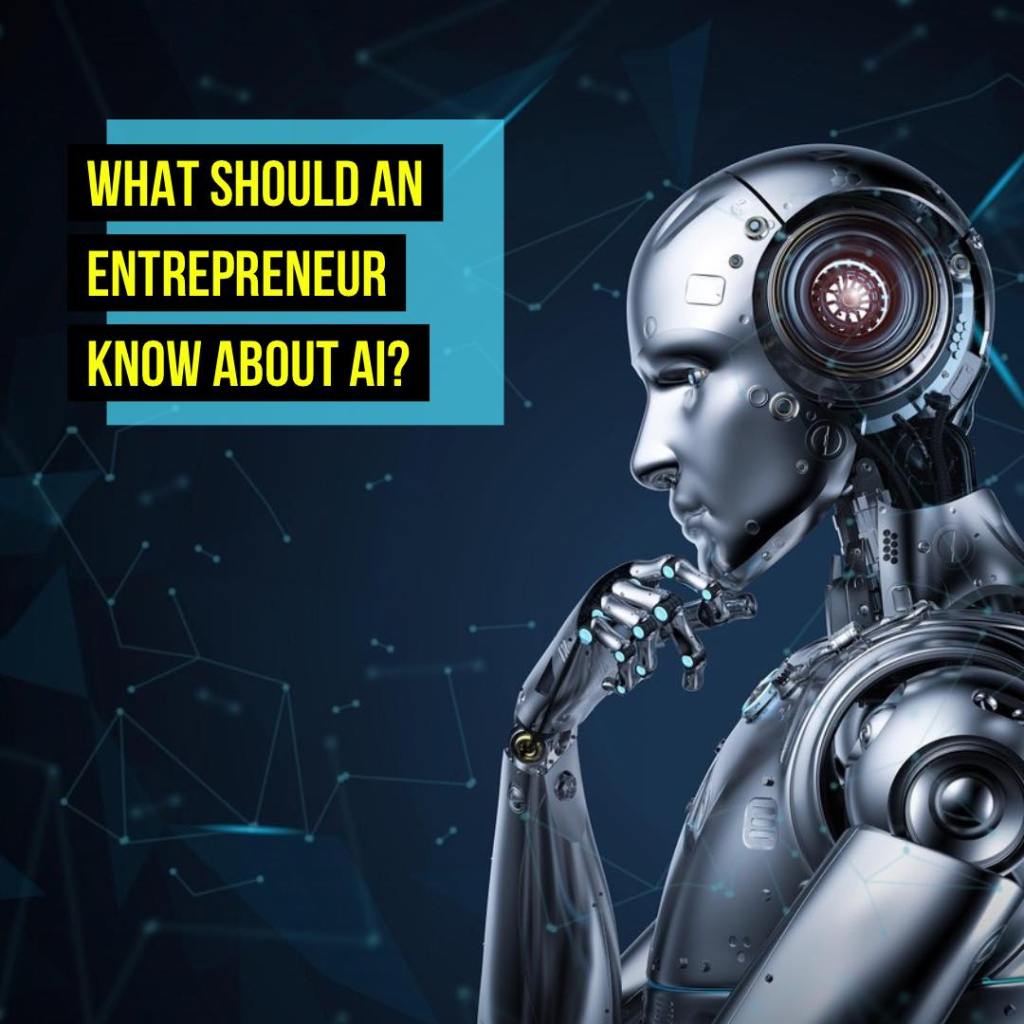
10 Things An Entrepreneur Should Know About AI

Artificial intelligence (AI) is reshaping industries, offering opportunities for efficiency, innovation, and competitive advantage. For entrepreneurs, understanding AI is no longer optional—it’s essential. Whether you’re in tech, retail, restaurants, or franchising, knowing how to leverage AI can drive growth and profitability. Here are ten crucial things every entrepreneur should know about AI.

First, AI is a tool, not a replacement. While it automates tasks and enhances decision-making, the human element remains vital. Entrepreneurs must guide AI implementation with clear goals and creative vision.

Second, data is the lifeblood of AI. The effectiveness of AI depends on the quality of data it processes. Entrepreneurs should prioritize collecting, organizing, and protecting their business data.

Third, AI enhances customer experiences. From chatbots offering 24/7 support to personalized recommendations, AI helps businesses meet customer needs efficiently and effectively.

Fourth, AI-driven marketing is powerful. With tools for audience targeting, campaign optimization, and performance analysis, entrepreneurs can achieve better results with less effort and expense.

Fifth, AI improves operations. Inventory management, demand forecasting, and supply chain optimization are areas where AI boosts efficiency and reduces costs.

Sixth, AI supports smarter decision-making. Predictive analytics can help entrepreneurs anticipate market trends, customer behavior, and operational challenges, enabling proactive adjustments.

Seventh, AI tools are more accessible than ever. From affordable no-code platforms to industry-specific apps, entrepreneurs can implement AI without extensive technical knowledge.

Eighth, cybersecurity is crucial. With AI handling sensitive data, robust security measures are necessary to prevent breaches and protect customer trust.

Ninth, ethical AI matters. Entrepreneurs should ensure their AI systems are transparent, fair, and free from bias, fostering trust and social responsibility.

Tenth, AI is constantly evolving. Entrepreneurs should commit to continuous learning, staying updated on trends, tools, and best practices to maintain a competitive edge.

AI offers transformative potential for entrepreneurs willing to embrace it. By understanding its capabilities, challenges, and ethical considerations, business owners can harness AI to drive growth, innovation, and long-term success.

LEARN MORE HERE

About Acceler8Success Group

Acceler8Success Group empowers entrepreneurs and business leaders with personalized coaching, strategic guidance, and a results-driven approach. Whether launching, scaling, or optimizing a business, we provide the tools, mentorship, and resources to drive long-term success.

Explore entrepreneurship coaching at Acceler8Entrepreneurship.com or business ownership resources at OwnABizness.com.

For more information on our business advisory services or expert content for your company, brand, or personal needs, whether for blogs, articles, newsletters, or special projects, in English, Spanish or French, please inquire at https://acceler8success.com/contact.

Break Free from Survival Mode

Too many business owners are stuck in survival mode. Every day is a battle to cover payroll, pay the bills, and keep the doors open. While those short-term victories matter, they often become the only focus. Over time, survival mode becomes more than a habit, it becomes a trap. The business owner isn’t running a business; they’re working a job. Their investment, time, and energy have bought them a demanding position without the freedom they once dreamed of.

The harsh truth is that a survival mindset limits growth. It shifts focus to the immediate, leaving no room for long-term vision. It’s playing not to lose, instead of playing to win. And it’s precisely this mindset that prevents businesses from reaching their full potential.

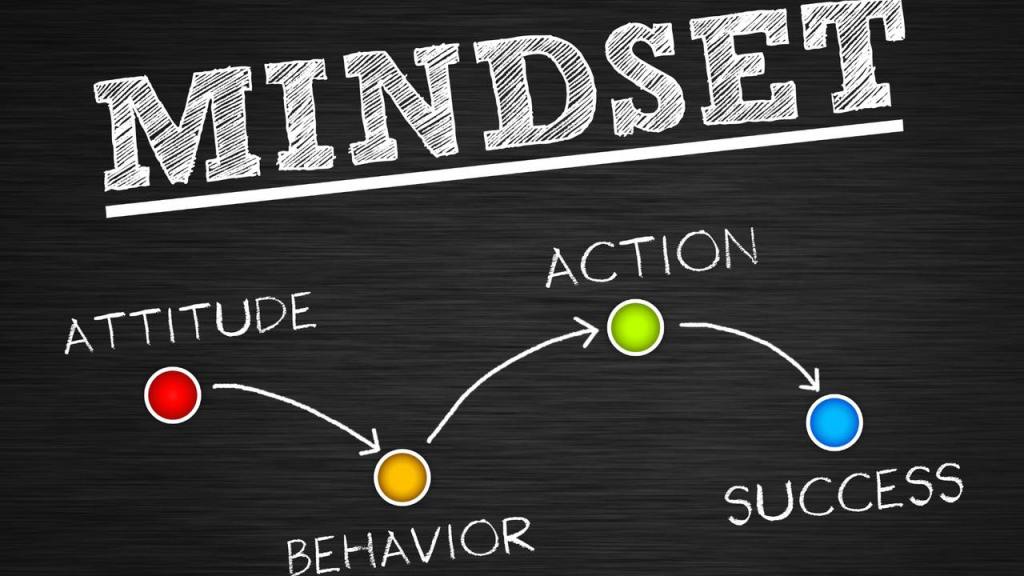
Scaling a business requires more than hard work, it requires a shift in mindset. It means thinking like a leader, not just a worker. It means focusing on growth, not just survival. And perhaps most importantly, it means recognizing that the owner’s mindset sets the tone for the entire organization. If the leader is stuck in survival mode, so is the team. But when the leader shifts to a growth mindset, the business transforms, unlocking new potential and new opportunities.

The Survival Mindset: Why It’s a Trap

It’s easy to understand why so many business owners fall into survival mode. When you’re constantly chasing revenue to cover expenses, long-term planning feels like a luxury you can’t afford. There’s an urgency to every decision because failure means losing everything. And for many, survival mode has kept the doors open through tough times.

But while survival thinking may help you through a crisis, it becomes dangerous when it becomes the norm. Here’s why:

  • Short-Term Focus: Every decision is about the next week or month, leaving no time for strategic planning.
  • No Investment in Growth: Marketing, training, and technology take a back seat to urgent expenses, stalling future progress.
  • Burnout and Fatigue: Working in the business without a break leads to exhaustion and poor decision-making.
  • Reactive, Not Proactive: The business becomes a constant firefight, chasing problems instead of preventing them.

Worst of all, the survival mindset creates a self-fulfilling cycle. Without a plan for growth, revenue remains stagnant. Without systems, the owner remains trapped in daily operations. And without a vision, the team has no direction.

The Growth Mindset: Shifting from Playing Not to Lose to Playing to Win

The most successful business owners share one common trait: a growth mindset. They don’t view their business as a job, they view it as an asset. Instead of focusing only on survival, they focus on scaling. And scaling requires a very different way of thinking.

1. Work On the Business, Not Just In It

A survival mindset keeps owners in the trenches, handling tasks that could be delegated or automated. A growth mindset shifts the focus to strategy. The most valuable use of an owner’s time is leadership, vision, and planning.

  • Delegate and Automate: Empower your team and use technology to handle day-to-day operations.
  • Create Systems: Develop processes that allow the business to function without your constant involvement.
  • Focus on Strategy: Spend time analyzing trends, identifying opportunities, and setting goals for growth.

2. Build for the Future, Not Just the Present

Survival thinking is about getting through this month. Growth thinking is about building something sustainable for years to come. This requires investment, not just in money but in people, technology, and innovation.

  • Invest in Marketing: Growth doesn’t happen if people don’t know who you are. Consistent marketing builds your brand and attracts new customers.
  • Develop Your Team: A strong team multiplies your capacity. Training and empowering staff create leaders who can drive growth.
  • Adopt Scalable Technology: The right tools and systems make it possible to grow without adding unnecessary overhead.

3. Play Offense, Not Just Defense

A survival mindset is defensive, focused on cutting costs, avoiding risks, and preventing losses. A growth mindset is offensive, focused on opportunities, innovation, and expansion.

  • Take Calculated Risks: Growth requires stepping outside your comfort zone, whether by entering a new market, launching a new product, or scaling operations.
  • Seek Partnerships: Collaborations, alliances, or joint ventures can accelerate growth and open new opportunities.
  • Diversify Revenue Streams: Expanding services, launching new products, or exploring additional markets strengthens your business against downturns.

The Ripple Effect: How Mindset Shapes Company Culture

A business owner’s mindset sets the tone for the entire organization. Employees watch how the owner leads, whether with fear or with confidence, with hesitation or with purpose. In a survival-driven company, the culture becomes stagnant. Employees focus on keeping their jobs, not on innovation or growth.

But when a business owner shifts to a growth mindset, the entire culture changes. Goals become clearer. Success becomes a shared mission. Employees begin to think like entrepreneurs within the organization. They bring ideas, solve problems, and help drive growth.

  • Set a Vision and Share It: Employees are motivated when they know where the company is headed and how they contribute to its success.
  • Celebrate Wins and Progress: Acknowledge not just results but effort, learning, and growth.
  • Empower Your Team: Give employees the freedom to innovate and the tools to succeed.

The Illusion of Survival: Why It’s Not Positive Thinking

Some argue that a survival mindset brings urgency and focus. But urgency without direction is chaos. In fact, a survival mindset isn’t truly about focus, it’s about fear. Fear of failure. Fear of loss. Fear of risk.

Focus driven by fear leads to short-term decisions that often backfire, cutting marketing to save money, overworking staff, or refusing to invest in technology. The problem with survival thinking is that it frames success as “not losing” instead of winning. It frames growth as a risk instead of an opportunity. And it frames failure as the end, rather than a lesson.

Why Playing to Win Changes Everything

Playing to win is about mindset and action. It means thinking beyond the next crisis and building something greater than the immediate challenge. It means leading with confidence, setting big goals, and pursuing them relentlessly.

  • Take Ownership of Your Time: Every moment spent on small tasks is a moment lost from building the future.
  • Surround Yourself with Experts: Mentors, advisors, and professional networks accelerate growth.
  • Make Decisions for Scale: Build systems, processes, and teams with future expansion in mind.

Final Thought: You Own a Business, Not a Job

Scaling a business is more than increasing revenue, it’s about building a company that can thrive without you being trapped in every detail. It’s about creating something that grows, evolves, and endures.

The greatest shift begins in your mindset. From surviving to thriving. From playing not to lose to playing to win. From working in your business to working on it. And when you shift, your team shifts. Your business shifts. And your future transforms from a cycle of survival into a path of success.

Make today a great day. Make it happen. Make it count!

Similar Articles at Acceler8Success Cafe

At What Point Do We Move Forward From Blaming Business Struggles on the COVID Years?

Has the Small Business Success Model Changed?

Please tell your friends and colleagues about Acceler8Success Cafe!

About the Author

With more than 40 years of experience in small business, restaurant, and franchise management, marketing, and development, Paul Segreto is a respected expert in the entrepreneurial world, dedicated to helping others achieve success. Whether you’re an aspiring or current entrepreneur in need of guidance, support, or simply a conversation, you can connect with Paul at paul@acceler8success.com.

About Acceler8Success Group

Acceler8Success Group empowers entrepreneurs and business leaders with personalized coaching, strategic guidance, and a results-driven approach. Whether launching, scaling, or optimizing a business, we provide the tools, mentorship, and resources to drive long-term success.

Explore entrepreneurship coaching at Acceler8Entrepreneurship.com or business ownership resources at OwnABizness.com.

For more information on our business advisory services or expert content for your company, brand, or personal needs, whether for blogs, articles, newsletters, or special projects, in English, Spanish or French, please inquire at https://acceler8success.com/contact.

AI for Business Recap at Acceler8Success Cafe

Over the past week, I’ve shared several insightful articles about AI for business, highlighting how artificial intelligence is reshaping industries and driving innovation. Below, you’ll find links to each article, be sure to save this collection as a valuable resource on your journey into the exciting world of AI. As technology continues to evolve at a rapid pace, staying informed is crucial. Don’t risk falling behind, embrace smart technology, adapt to change, and position yourself for success in the AI-driven future.

Smart AI Tools Every Small Business Owner Should Know About

AI is revolutionizing small businesses and restaurants by automating tasks, analyzing customer behavior, and optimizing operations to drive efficiency and growth. From enhancing customer experience with AI-powered chatbots and personalized recommendations to improving marketing through data-driven campaigns, AI empowers business owners to make smarter decisions. Predictive analytics streamline inventory management, while AI tools optimize staffing, payroll, and financial forecasting. Additionally, platforms for customer feedback analysis and delivery route optimization help improve service and reduce costs. Popular AI tools like Tidio, Hootsuite Insights, 7shifts, and Square POS provide solutions for customer support, marketing, operations, and sales analysis. Embracing AI helps small business owners save time, cut expenses, and stay competitive.

Full Article Here.

The Potential Impact of AI on Franchising Over the Next Decade

AI is set to transform franchising over the next decade, reshaping operations, customer experience, and business models for both franchisees and franchisors. Franchisees will benefit from AI-driven automation in scheduling, inventory management, marketing, and customer service, while also gaining insights from predictive analytics for personalized experiences and targeted campaigns. Franchisors will leverage AI for enhanced franchisee support, market expansion strategies, and automated royalty tracking. However, challenges include high implementation costs, workforce displacement, data privacy concerns, and franchisee resistance to change. The future of franchising may include fully automated models, AI-driven agreements, and autonomous delivery systems. Success will depend on embracing AI’s opportunities while managing its risks, positioning franchises to remain competitive in an evolving, technology-driven landscape.

Full Article Here.

Adapt or Be Left Behind

AI, like past technological advancements such as the telephone, computers, and social media, is facing skepticism but is destined to become essential in business and daily life. It will revolutionize industries by enhancing customer service, automating operations, and improving decision-making through data-driven insights. In restaurants, AI will optimize inventory, personalize customer experiences, and enable autonomous services, while in franchising, it will predict trends and drive targeted marketing. Beyond business, AI is already transforming everyday life through voice assistants, navigation, and medical innovations. The question is not if AI will shape the future—it already is. The real challenge is whether you will embrace its potential or risk being left behind.

Full Article Here.

AI for the Little Guy: How Small Businesses Can Thrive with Smart Tech

AI is no longer just for large corporations; it is a powerful tool that small business owners can use to enhance efficiency, improve customer experiences, and compete with larger rivals. From AI-powered ordering systems for restaurants to automated scheduling for tradespeople and AI-driven marketing for freelancers, these technologies streamline operations and create new opportunities. Adopting AI doesn’t require technical expertise, many tools are affordable, user-friendly, and easy to integrate into daily operations. By starting small, addressing pain points, and embracing AI as an enhancement rather than a replacement, small business owners can work smarter, stay competitive, and thrive in an evolving digital landscape.

Full Article Here.

AI Through the Eyes of Sun Tzu and Machiavelli: Strategy, Power, and the Future of Business

Sun Tzu and Machiavelli would view AI through their unique lenses of strategy and power. Sun Tzu would see AI as the ultimate tool for gaining a competitive edge through data-driven insights and predictive modeling, while cautioning against over-reliance on technology over human intuition. Machiavelli would view AI as a means to consolidate power, influence markets, and dominate industries, but would warn that misuse could erode trust and provoke rebellion. Together, they would emphasize that true success with AI requires both strategic mastery and ethical leadership. Ultimately, they would agree that AI is a tool, but its impact depends on the wisdom of those who wield it.

Full Article Here.

You Can’t Spell Franchise Without AI

The impact of AI on franchising has only just begun, but its potential is unmatched. Franchising thrives on consistency, replication, and scalability, qualities that AI can not only enhance but perfect. From automating operations and ensuring brand standards to driving data-driven decisions and personalizing customer experiences, AI is set to revolutionize the franchising model. Franchisors and franchisees who embrace AI will unlock new efficiencies, reduce costs, and scale faster than ever before. The future of franchising is here, and it’s powered by AI.

Full Article Here.

Here are five notable quotes about artificial intelligence from influential figures:

  1. Bill Gates, Co-Founder of Microsoft:”Generative AI has the potential to change the world in ways that we can’t even imagine. It has the power to create new ideas, products, and services that will make our lives easier, more productive, and more creative.” ceoinsightsasia.com
  2. Satya Nadella, CEO of Microsoft:”This next generation of AI will reshape every software category and every business, including our own. Although this new era promises great opportunity, it demands even greater responsibility from companies like ours.” peak.ai
  3. Mark Cuban, Entrepreneur and Investor:”Artificial intelligence, deep learning, machine learning—whatever you’re doing if you don’t understand it—learn it. Because otherwise, you’re going to be a dinosaur within three years.” peak.ai
  4. Jack Ma, Co-Founder of Alibaba Group:”AI will bring far more changes to the world than people can imagine.” businessinsider.com
  5. Vinod Khosla, Venture Capitalist:”Machine learning technology will replace many jobs and increase income disparities; however, it will also create enough GDP to provide basic income to everyone.” en.wikipedia.org

Make today a great day. Make it happen. Make it count!

About the Author

With more than 40 years of experience in small business, restaurant, and franchise management, marketing, and development, Paul Segreto is a respected expert in the entrepreneurial world, dedicated to helping others achieve success. Whether you’re an aspiring or current entrepreneur in need of guidance, support, or simply a conversation, you can connect with Paul at paul@acceler8success.com.

About Acceler8Success Group

Acceler8Success Group empowers entrepreneurs and business leaders with personalized coaching, strategic guidance, and a results-driven approach. Whether launching, scaling, or optimizing a business, we provide the tools, mentorship, and resources to drive long-term success.

Explore entrepreneurship coaching at Acceler8Entrepreneurship.com or business ownership resources at OwnABizness.com.

For more information on our business advisory services or expert content for your company, brand, or personal needs, whether for blogs, articles, newsletters, or special projects, in English, Spanish or French, please inquire at https://acceler8success.com/contact.

You Can’t Spell Franchise Without AI

The impact of artificial intelligence (AI) on franchising has barely scratched the surface. Franchising thrives on replication, uniformity, and consistency from one location to the next. It is a system built on standards, procedures, and a proven model that, when followed, drives success. With the rapid advancements in AI, franchising is on the brink of a transformation more profound than in almost any other industry segment outside of manufacturing. Beyond streamlining operations, AI is poised to automate and perfect the very characteristics that define franchising.

The power of franchising has always been in its ability to scale a successful concept through replication. Franchisees follow a system designed for consistency across every touchpoint, from product preparation to customer service. But human error, inefficiencies, and operational inconsistencies have always been the challenges of scale. AI directly addresses these issues.

AI’s potential in franchising goes far beyond traditional automation. It offers a level of insight and predictive capability that can make operations not only efficient but also smarter. Through machine learning and data analysis, AI helps franchisors maintain brand standards with precision, ensures consistency across locations, and even personalizes customer experiences, all while reducing costs and driving profitability.

AI has already begun to revolutionize industries like healthcare, finance, and logistics. But franchising, with its emphasis on systematized operations, is uniquely positioned to benefit from the efficiencies that AI offers. Here’s why the potential impact of AI on franchising is even greater than in many other sectors.

AI brings automation to the next level in franchising. Predictive analytics can forecast inventory needs with remarkable accuracy, ensuring franchise locations are never under- or overstocked. Machine learning models analyze customer traffic patterns to optimize staffing schedules, reducing labor costs while improving service. Even marketing can be automated and personalized, with AI-driven campaigns that target customers based on their behavior and preferences.

Franchise operations demand consistency, and AI is the ultimate tool to enforce it. Smart kitchen equipment powered by AI ensures that every dish is cooked to the same standard, every time. Self-learning systems can monitor customer feedback, automatically flagging issues that deviate from brand standards. Even training can be enhanced through AI-powered simulations, ensuring every employee, regardless of location, follows the same procedures.

Franchise success is built on data, from customer preferences to sales trends. AI’s ability to analyze massive datasets in real time allows franchise owners to make informed decisions quickly. For example, AI can analyze POS data across hundreds of locations to identify which products are top sellers and which should be re-evaluated. It can predict sales trends and guide inventory management, reducing waste and increasing profitability.

AI also transforms customer experience in ways that are scalable across franchise locations. Chatbots powered by AI handle customer inquiries 24/7, providing consistent service without additional labor costs. AI-powered recommendation engines personalize promotions based on customer purchase history, driving repeat business. In-store, AI can integrate with mobile apps to provide personalized offers and streamline ordering.

One of the greatest challenges in franchising is ensuring compliance with brand standards across multiple locations. AI-powered audit systems can automatically review security footage to ensure food safety practices are followed. Computer vision technology can monitor everything from cleanliness to product presentation. These automated compliance tools reduce the need for frequent manual inspections while maintaining strict brand standards.

Franchisee support is a cornerstone of successful franchising. AI enhances this support by providing real-time assistance through intelligent chatbots capable of answering operational questions instantly. Virtual training modules powered by AI offer personalized learning paths, helping franchisees and their staff master systems faster. Predictive maintenance systems alert franchisees of equipment issues before they become costly problems, minimizing downtime.

AI doesn’t just help franchisees succeed, it helps franchisors manage their networks more effectively. AI-powered dashboards provide real-time performance metrics across the franchise system, highlighting which locations are excelling and which may need additional support. Machine learning models can predict which territories are most likely to succeed for future expansion. Additionally, AI-powered legal and compliance tools can streamline the franchise agreement process, ensuring consistency and minimizing legal risks.

The integration of AI into franchising isn’t a distant future, it’s already happening. Large franchise brands have started leveraging AI for everything from customer service chatbots to kitchen automation. However, the true potential of AI in franchising is still in its early stages. The ability of AI to automate, standardize, and personalize operations will only continue to grow.

For franchisors, the opportunity is clear: those who embrace AI early will gain a significant competitive advantage. They will be able to operate more efficiently, scale more rapidly, and maintain brand standards more effectively than those who hesitate. For franchisees, AI will simplify operations, reduce costs, and improve profitability, making franchise ownership more accessible and rewarding.

Franchising and AI are a natural fit. The franchise model, built on systems, processes, and replication, is perfectly suited for the automation and insights AI delivers. As AI continues to evolve, its integration into franchising will not only enhance what has already made franchising successful but will push the industry into a new era of growth and innovation.

You can’t spell franchise without AI. It’s time for the franchising world to fully embrace what that means. The future is here, and for those ready to leverage the power of AI, the possibilities are limitless.

Make today a great day. Make it happen. Make it count!

AI for the Little Guy: How Small Businesses Can Thrive with Smart Tech

Adapt or Be Left Behind

Smart AI Tools Every Small Business Owner Should Know About

About the Author

With more than 40 years of experience in small business, restaurant, and franchise management, marketing, and development, Paul Segreto is a respected expert in the entrepreneurial world, dedicated to helping others achieve success. Whether you’re an aspiring or current entrepreneur in need of guidance, support, or simply a conversation, you can connect with Paul at paul@acceler8success.com.

About Acceler8Success Group

Acceler8Success Group empowers entrepreneurs and business leaders with personalized coaching, strategic guidance, and a results-driven approach. Whether launching, scaling, or optimizing a business, we provide the tools, mentorship, and resources to drive long-term success.

Explore entrepreneurship coaching at Acceler8Entrepreneurship.com or business ownership resources at OwnABizness.com.

For more information on our business advisory services or expert content for your company, brand, or personal needs, whether for blogs, articles, newsletters, or special projects, in English, Spanish or French, please inquire at https://acceler8success.com/contact.

AI Through the Eyes of Sun Tzu and Machiavelli: Strategy, Power, and the Future of Business

Recently, I’ve written several articles about artificial intelligence in business, exploring its impact and potential. Just yesterday, I shared thoughts on applying strategies from two of history’s most renowned thinkers—Sun Tzu and Machiavelli—to business practices. It sparked some questions: What if these legendary minds could weigh in on AI today? How would they interpret its potential, its dangers, and its role in business and society?

Sun Tzu, the master of strategy from The Art of War, would see AI as the ultimate tool for gaining a competitive edge. He believed in victory through preparation, adaptability, and knowledge of both oneself and the opponent. To him, AI’s ability to analyze vast amounts of data in real time would be the pinnacle of strategic advantage. “Know thyself and know thy enemy,” he would say, “and you will never be imperiled in a hundred battles.” Through AI-powered analytics and predictive modeling, businesses could understand markets, competitors, and customer behaviors with unprecedented clarity. Yet, Sun Tzu would also warn against over-reliance on technology. True mastery, he would argue, lies in using AI as a tool to enhance human intuition, not replace it. The greatest victories, he might say, come from knowing when to trust human instinct over algorithmic predictions.

Machiavelli, the master of power dynamics and author of The Prince, would take a different but equally compelling view. He would see AI as a means to consolidate power, influence, and control. “It is better to be feared than loved,” he famously said, and he might argue that in the digital age, data is the source of fear and admiration alike. To Machiavelli, businesses using AI to automate processes, target audiences with precision, and predict market shifts would dominate their industries. However, he would caution that power through AI must be wielded carefully. The public’s trust can be easily lost if they feel manipulated or exploited. He might remind us that “the ends justify the means” only if those means do not lead to rebellion—whether from customers, employees, or regulators. Transparency, ethics, and a degree of restraint would be vital to sustaining power in the long run.

If Sun Tzu and Machiavelli debated AI, their exchange would likely reveal a key insight: success with AI is both a matter of strategy and power. Sun Tzu would focus on AI as a weapon of precision, driving insight and efficiency. Machiavelli would focus on its role in influence, authority, and competitive dominance. Together, they would likely conclude that the most powerful leaders and businesses will be those who master both perspectives.

Yet, they might both share a final caution: technology alone cannot guarantee victory or power. Strategy without ethics can lead to downfall. Power without humanity can breed rebellion. And AI without human wisdom can lead to chaos. The future belongs to those who, like Sun Tzu, know how to wield AI strategically and, like Machiavelli, understand how to use it with foresight and care. In the end, they would remind us that while AI may be the tool, it is the leader behind it who determines its success—or failure.

Make today a great day. Make it happen. Make it count!

About the Author

With more than 40 years of experience in small business, restaurant, and franchise management, marketing, and development, Paul Segreto is a respected expert in the entrepreneurial world, dedicated to helping others achieve success. Whether you’re an aspiring or current entrepreneur in need of guidance, support, or simply a conversation, you can connect with Paul at paul@acceler8success.com.

About Acceler8Success Group

Acceler8Success Group empowers entrepreneurs and business leaders with personalized coaching, strategic guidance, and a results-driven approach. Whether launching, scaling, or optimizing a business, we provide the tools, mentorship, and resources to drive long-term success.

Explore entrepreneurship coaching at Acceler8Entrepreneurship.com or business ownership resources at OwnABizness.com.

For more information on our business advisory services or expert content for your company, brand, or personal needs—whether for blogs, articles, newsletters, or special projects—in English, Spanish or French, please inquire at https://acceler8success.com/contact.