Why Hotel Owners & Investors Should Consider Adding a Restaurant to Their Properties

Adding a restaurant to a hotel property, whether inside the building or on a pad site is a strategic move that can enhance guest experience, increase revenue, and elevate the overall brand. Whether a full-service sit-down establishment or a quick-service restaurant (QSR), integrating foodservice into a hotel creates numerous benefits for owners and investors.

One of the most immediate advantages is the ability to attract guests and build loyalty. A well-executed restaurant concept provides convenience, giving guests an in-house dining option without the need to leave the property. This is especially valuable for business travelers and families who prioritize efficiency and comfort. Offering quality dining experiences can also contribute to positive reviews and repeat bookings, reinforcing brand loyalty and increasing the likelihood of future stays.

Beyond serving hotel guests, a strategically designed restaurant with street access can become a destination for the surrounding community. This setup opens opportunities to attract patrons from nearby hotels, businesses, and residential areas, driving additional revenue. By ensuring visibility and accessibility, the restaurant can establish itself as a local favorite, further strengthening the hotel’s position in the market.

A hotel restaurant can also serve as a multi-functional asset by incorporating a virtual kitchen model. This approach expands the restaurant’s reach beyond on-site dining by catering to the growing demand for delivery and takeout. With the right logistics, the kitchen can be optimized for off-premises dining, including partnerships with third-party delivery platforms. Additionally, a well-equipped hotel restaurant kitchen can support corporate catering services, tapping into local businesses and events to generate consistent revenue streams.

For hotel owners and investors, incorporating a proven restaurant brand is a strong strategic move. Partnering with an established brand can bring immediate recognition, operational expertise, and built-in customer loyalty. Whether through franchising, licensing, or direct ownership, aligning with a well-known restaurant can streamline marketing efforts and mitigate some of the risks associated with launching a new foodservice operation from scratch.

However, before pursuing this opportunity, it’s essential to evaluate how a restaurant addition aligns with the hotel brand’s requirements and restrictions. Factors such as brand standards, space allocation, operational logistics, and financial feasibility must be carefully considered. Conducting a thorough market analysis and feasibility study will help determine the best approach, whether through an in-house concept, a franchise partnership, or a leasing agreement with an external operator.

By exploring the right restaurant model and integrating it strategically, hotel owners can enhance their hospitality portfolio, increase revenue potential, and create a more attractive offering for both guests and the local community.

Learn more by scheduling time on my calendar that is most convenient for you. Thanks.

Make today a great day. Make it happen. Make it count!

About the Author

Paul Segreto brings over four decades of hands-on experience in franchising, restaurants, and small business development. A passionate advocate for entrepreneurship, Paul has guided countless individuals on their journey to success, whether they are established entrepreneurs or just beginning to explore the path of business ownership.

Named one of the Top 100 Global Franchise and Small Business Influencers, Paul is also the voice behind the Acceler8Success Cafe, a daily content platform where thousands of entrepreneurs gain insight and motivation. A lifelong advocate for ethical growth and brand integrity, Paul continues to coach founders, franchise leaders, and entrepreneurial families, helping them find clarity in chaos and long-term success through intentional leadership.

Ready to take your next step in business or looking for expert insight to overcome today’s challenges? Reach out directly to Paul at paul@acceler8success.com — your path to success may be one conversation away.

About Acceler8Success Group

Acceler8Success Group is a multifaceted business advisory platform committed to empowering entrepreneurs, small business owners, franchise professionals, and industry leaders through strategic consulting, coaching, and curated content.

With a strong focus on entrepreneurship, franchising, restaurants, and small business growth, Acceler8Success Group delivers actionable insights and real-world strategies across its suite of brands, including the following: 

Acceler8Success,  FranchiseReclaim,  OwnABizness.com,  Accelerate Success Coaching,  Your Entrepreneurial Success, and relaunching soon, Franchise Foundry.

By blending deep industry expertise with a dynamic content ecosystem, Acceler8Success Group fosters sustainable success and responsible leadership for today’s innovators and tomorrow’s legacy builders.

Ancient Strategies for Modern Success: How Sun Tzu, Machiavelli, and Others Shape Business Today

Entrepreneurship is an ever-evolving battlefield where strategy, adaptability, and execution determine success. While modern business schools and leadership books provide valuable insights, some of the most effective lessons in strategy come from ancient wisdom—namely, the teachings of Sun Tzu, Niccolò Machiavelli, and other historical strategists. Their principles, though rooted in military and political strategy, offer timeless guidance for navigating the competitive world of business.

Sun Tzu: The Art of War in Entrepreneurship

Sun Tzu’s The Art of War is often cited in business strategy because of its emphasis on planning, adaptability, and understanding both competition and the environment. Entrepreneurs can draw several key insights from his teachings.

  1. Know Yourself and Know Your Market
  2. Seizing the Right Opportunity
  3. Winning Without Fighting
  4. Flexibility and Adaptability

Machiavelli: The Prince and Pragmatic Leadership

Niccolò Machiavelli’s The Prince is often misunderstood as advocating ruthless leadership, but it offers practical insights into power, influence, and execution—critical aspects of entrepreneurship.

  1. It is Better to Be Feared Than Loved (But Only If Necessary)
  2. The Ends Justify the Means (Within Ethical Limits)
  3. Fortune Favors the Bold

Other Historical Thinkers and Their Business Applications

  1. Clausewitz and Competitive Strategy
  2. Seneca and Stoic Entrepreneurship
  3. Napoleon and Leadership

Integrating Ancient Wisdom into Modern Business

Entrepreneurs can incorporate these lessons into their business strategies through:

  • Strategic Planning: Using Sun Tzu’s principles, they must assess their strengths, competitors, and market conditions before taking action.
  • Leadership Development: Machiavelli’s teachings emphasize strong leadership, setting clear visions, and making tough choices when necessary.
  • Resilience and Adaptability: Stoicism teaches entrepreneurs to handle failures gracefully and pivot when needed.
  • Execution with Precision: Napoleon’s focus on speed and efficiency can be applied to product launches, operational efficiency, and scaling businesses effectively.

Conclusion

Entrepreneurship is as much about strategy as it is about execution. The lessons from Sun Tzu, Machiavelli, and other historical thinkers remain relevant in today’s dynamic business world. By integrating these principles—understanding the market, seizing opportunities, balancing authority with leadership, embracing resilience, and executing decisively—entrepreneurs can build businesses that not only survive but thrive in an ever-changing landscape.

How Does Sun Tzu’s Art of War Apply to Business Strategy Today?

Lessons from History: How Entrepreneurs Drive the Cycle of Innovation and Change

Make today a great day. Make it happen. Make it count!

About the Author

With more than 40 years of experience in small business, restaurant, and franchise management, marketing, and development, Paul Segreto is a respected expert in the entrepreneurial world, dedicated to helping others achieve success. Whether you’re an aspiring or current entrepreneur in need of guidance, support, or simply a conversation, you can connect with Paul at paul@acceler8success.com.

About Acceler8Success Group

Acceler8Success Group empowers entrepreneurs and business leaders with personalized coaching, strategic guidance, and a results-driven approach. Whether launching, scaling, or optimizing a business, we provide the tools, mentorship, and resources to drive long-term success. Explore entrepreneurship coaching at Acceler8Entrepreneurship.com or business ownership resources at OwnABizness.com. For more information on our business advisory services or expert content for your company, brand, or personal needs—whether for blogs, articles, newsletters, or special projects—in English, Spanish or French, please inquire at https://acceler8success.com/contact.

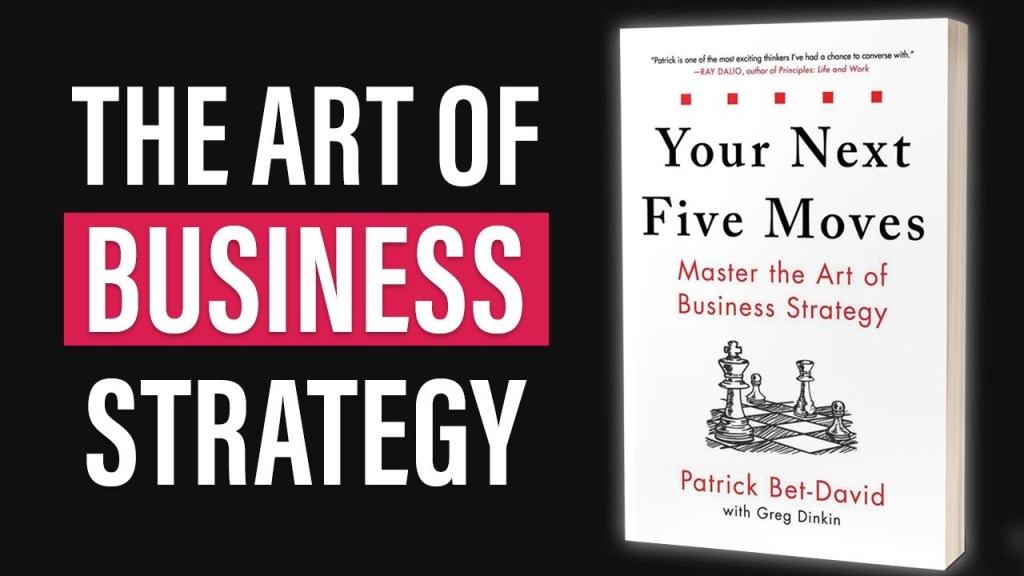
[Book Review] Your Next Five Moves: Master the Art of Business Strategy by Patrick Bet-David

Your Next Five Moves: Master the Art of Business Strategy by Patrick Bet-David is an insightful and engaging guide for entrepreneurs and business leaders seeking to sharpen their strategic thinking. With a background as an immigrant turned successful entrepreneur, Bet-David shares a wealth of knowledge drawn from his experiences building PHP Agency and Valuetainment, making this book both practical and inspiring. His central premise is that business success, much like chess, requires anticipating multiple moves ahead rather than making decisions reactively.

The book is structured around five critical moves that every entrepreneur must master, beginning with the need for absolute clarity about one’s goals and purpose. Bet-David emphasizes that without a deep understanding of what truly drives a person, business decisions can become unfocused and ineffective. He challenges readers to explore their motivations and define a clear vision before diving into execution. The next step involves scaling a business efficiently, not merely through hard work but by developing systems, processes, and leadership structures that support sustainable growth. Scaling, he argues, requires strategic planning and an understanding of how to build a business that can operate independently of its founder.

Your Next Five Moves by Patrick Bet-David | Book Summary (ANIMATED)

Another key theme of the book is the importance of building and managing a high-performance team. Bet-David discusses hiring strategies, leadership dynamics, and the necessity of placing the right people in the right roles. He stresses that a company’s success depends on assembling a team that shares the vision and is willing to push toward common goals. Poor hires and mismanagement can slow down even the most promising ventures, making it crucial to evaluate and develop talent effectively.

Beyond internal operations, Bet-David dives into competitive strategy, explaining how entrepreneurs must think several steps ahead to outperform rivals. He offers insights into market positioning, differentiation, and strategic decision-making that help business owners stay ahead of the curve. He presents case studies and historical references that illustrate how great leaders and strategists have successfully maneuvered in their respective industries. His approach is bold and sometimes aggressive, but it aligns with his belief that business is a high-stakes game requiring careful planning and precise execution.

Timing is another crucial aspect of strategic thinking that Bet-David explores. Understanding when to make a move, whether it’s expanding, acquiring a competitor, or launching a new product, can make the difference between success and failure. He highlights the importance of emotional intelligence in decision-making, cautioning against impulsive moves driven by fear or overconfidence. He encourages readers to develop the patience and discipline necessary to execute their strategies at the right moment, ensuring that each move is well-calculated rather than reactive.

One of the book’s greatest strengths is its structured, no-nonsense approach. Bet-David avoids vague motivational rhetoric, instead providing clear frameworks, real-world examples, and thought-provoking exercises designed to push readers to apply these lessons to their own businesses. His storytelling is engaging, weaving personal anecdotes with lessons from business history to make complex concepts more accessible. The book is not just about theory—it is a practical guide that challenges readers to take action and think critically about their next steps.

While the book is full of valuable insights, it is heavily geared toward ambitious, high-growth entrepreneurs looking to build large-scale businesses. Those who prefer a more measured approach to business or are content with running smaller ventures might find the tone intense. Bet-David’s philosophy leans toward aggressive expansion and calculated risk-taking, which may not resonate with everyone. However, even for those not aiming to scale rapidly, the strategic mindset he advocates is applicable across various industries and business sizes.

Overall, Your Next Five Moves is a compelling read for anyone looking to refine their strategic thinking and take a more deliberate approach to business growth. It is packed with actionable advice, making it particularly valuable for entrepreneurs, executives, and business owners seeking to gain a competitive edge. Bet-David’s ability to distill complex business strategies into practical steps makes this book an essential resource for those who want to elevate their decision-making and master the art of long-term business success.

The Power of Simplicity: A Three-Part Strategy to Transform Entrepreneurial Organizations

Crafting an Effective Entrepreneurial Strategy for Small Business Success

Make today a great day. Make it happen. Make it count!

About the Author

With more than 40 years of experience in small business, restaurant, and franchise management, marketing, and development, Paul Segreto is a respected expert in the entrepreneurial world, dedicated to helping others achieve success. Whether you’re an aspiring or current entrepreneur in need of guidance, support, or simply a conversation, you can connect with Paul at paul@acceler8success.com.

About Acceler8Success Group

Acceler8Success Group empowers entrepreneurs and business leaders with personalized coaching, strategic guidance, and a results-driven approach. Whether launching, scaling, or optimizing a business, we provide the tools, mentorship, and resources to drive long-term success. Explore entrepreneurship coaching at Acceler8Entrepreneurship.com or business ownership resources at OwnABizness.com. For more information on our business advisory services or expert content for your company, brand, or personal needs—whether for blogs, articles, newsletters, or special projects—in English, Spanish or French, please inquire at https://acceler8success.com/contact.

Culture as the Guiding Light in Brand Development and Expansion

In the realm of highly entrepreneurial organizations, where calculated risk is not just accepted but actively embraced, culture stands as the guiding light that illuminates the path from inception to sustained expansion. Unlike traditional corporate environments, where caution often tempers ambition, these organizations thrive on agility, bold decision-making, and an unwavering commitment to innovation. In such an ecosystem, culture is more than a set of values—it is the foundation upon which every decision is made, the lens through which opportunities are evaluated, and the force that shapes not only internal operations but also the brand’s external presence in the marketplace.

From the earliest stages of brand development, culture serves as both a compass and a catalyst. It is woven into the company’s mission, vision, and identity, influencing everything from product development to customer engagement. A brand’s culture dictates its approach to problem-solving, defines its appetite for disruption, and sets the tone for how it interacts with stakeholders. In an entrepreneurial landscape where uncertainty is a given, culture provides stability, ensuring that the brand’s core essence remains intact even as it adapts to new challenges and market shifts.

At the heart of brand development lies the mission statement—far more than a formal declaration, it is a bold proclamation of purpose that encapsulates the organization’s identity and aspirations. For companies where entrepreneurship thrives and risk-taking is an integral part of their DNA, the mission must reflect a pioneering spirit, a relentless drive to push boundaries, and an unyielding commitment to creating value beyond conventional business models. It must be clear enough to inspire confidence, yet flexible enough to evolve without losing its authenticity. This balance between vision and adaptability is critical, as it allows the brand to maintain its core identity while continuously innovating in response to market demands.

Beyond mission and vision, culture shapes the very identity of the brand. From its visual elements to its tone of voice, every touchpoint must reflect the company’s entrepreneurial spirit. The brand must exude confidence, project agility, and communicate a willingness to embrace change. Authenticity is non-negotiable—customers, investors, and partners alike must see and feel the company’s culture in action. A culture built on calculated risk-taking must manifest in the way the brand interacts with its audience, whether through marketing, customer service, or strategic partnerships. This identity cannot be manufactured or merely imposed from the top down—it must be embedded in the organization’s DNA and lived daily, from leadership to frontline employees.

As the brand scales, whether through franchising, strategic partnerships, or direct market expansion, the role of culture becomes even more pronounced. Growth in an entrepreneurial organization is rarely linear; it is dynamic, often requiring quick pivots, bold moves, and the courage to seize opportunities that others might hesitate to embrace. Unlike large corporations, where expansion often follows rigid playbooks and structured frameworks, entrepreneurial brands must approach growth with a mindset of adaptability. Expansion strategies must align with the culture that fuels the brand, ensuring that as the company reaches new markets, it does so without compromising its essence.

However, scaling a brand while preserving its cultural identity is not without challenges. The very nature of rapid growth can dilute the core values that made the brand successful in the first place. As new markets open, leadership must take deliberate steps to ensure that the brand’s cultural DNA remains intact. This means carefully selecting partners and team members who not only understand but also embody the company’s ethos. Training and operational structures must be designed to encourage innovation rather than stifle it. Processes should be flexible enough to allow for market-specific adaptations while still maintaining the integrity of the brand’s overarching vision.

Ultimately, for a highly entrepreneurial brand, culture is not just a guiding principle—it is the driving force behind every decision, every risk, and every milestone achieved. It informs the brand’s approach to growth, fuels its ability to innovate, and strengthens its resilience in the face of uncertainty. Organizations that embed culture into their DNA from the very beginning create brands that are not only recognized but respected, not just followed but believed in. In an ever-evolving marketplace, where the only constant is change, culture remains the anchor that ensures a brand’s longevity, relevance, and continued success.

Culture Over Concept: Why Some Businesses Just Can’t Replicate Buc-ee’s

Make today a great day. Make it happen. Make it count!

About the Author

With more than 40 years of experience in small business, restaurant, and franchise management, marketing, and development, Paul Segreto is a respected expert in the entrepreneurial world, dedicated to helping others achieve success. Whether you’re an aspiring or current entrepreneur in need of guidance, support, or simply a conversation, you can connect with Paul at paul@acceler8success.com.

About Acceler8Success Group

Acceler8Success Group empowers entrepreneurs and business leaders with personalized coaching, strategic guidance, and a results-driven approach. Whether launching, scaling, or optimizing a business, we provide the tools, mentorship, and resources to drive long-term success. Explore entrepreneurship coaching at Acceler8Entrepreneurship.com or business ownership resources at OwnABizness.com. For more information on our business advisory services or expert content for your company, brand, or personal needs—whether for blogs, articles, newsletters, or special projects—in English, Spanish or French, please inquire at https://acceler8success.com/contact.

Culture Over Concept: Why Some Businesses Just Can’t Replicate Buc-ee’s

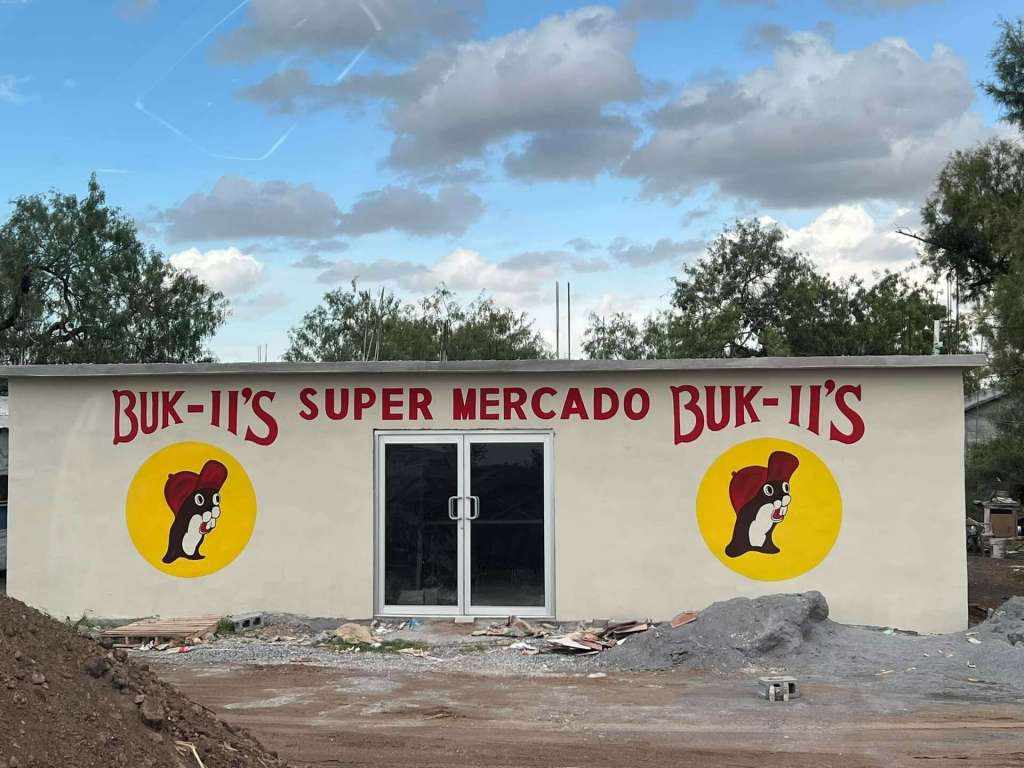
Before I go any further, the business shown above is obviously not Buc-ee’s—there’s no comparison. That much is clear. But what wasn’t so obvious was the business I stumbled upon, one that was clearly trying to be like Buc-ee’s. Allow me to explain.

Last week, while on a long drive, we needed a restroom break and some refreshments. Unfortunately, there wasn’t a Buc-ee’s in sight. Most people know the name Buc-ee’s, and for good reason. Mention it, and the first thing that comes to mind—besides the beaver mascot—is the pristine restrooms. Beyond that, it’s a paradise of impulse buys where you somehow walk out with $50 to $150 worth of items you didn’t plan to purchase but can’t help but enjoy. And, of course, the employees always seem genuinely happy to be there, adding to the overall experience.

But this time, we weren’t near a Buc-ee’s. Instead, we found what appeared to be a smaller look-alike, clearly designed to capture the same appeal. The layout was similar, with an abundance of fuel pumps and a large, well-stocked store. On the surface, it seemed like a solid alternative.

That assumption didn’t last long. The restrooms were filthy. The floors throughout the store weren’t clean. The employees were more engaged in their own conversations than in serving customers. The difference? Culture.

You can copy a business model, invest in a similar setup, and even stock the same products. But without the right culture, it’s just a façade. Buc-ee’s success isn’t just about its size, its product selection, or its branding—it’s about a culture that prioritizes customer experience in every aspect. That’s something you can’t simply imitate with money and infrastructure.

Knowing what I know now, I won’t make the same mistake. If I can’t make it to a Buc-ee’s, I’ll stick to a fast-food stop where at least my expectations are managed. Because in business, culture isn’t just a nice-to-have—it’s what makes the difference between a forgettable stop and a positively memorable experience. Funny thing… I can’t even recall the name of the place where we had stopped. Yet, I can recall my last ten visits to a Buc-ees!

Make today a great day. Make it happen. Make it count!

About the Author

With more than 40 years of experience in small business, restaurant, and franchise management, marketing, and development, Paul Segreto is a respected expert in the entrepreneurial world, dedicated to helping others achieve success. Whether you’re an aspiring or current entrepreneur in need of guidance, support, or simply a conversation, you can connect with Paul at paul@acceler8success.com.

About Acceler8Success Group

Acceler8Success Group empowers entrepreneurs and business leaders with personalized coaching, strategic guidance, and a results-driven approach. Whether launching, scaling, or optimizing a business, we provide the tools, mentorship, and resources to drive long-term success. Explore entrepreneurship coaching at Acceler8Entrepreneurship.com or business ownership resources at OwnABizness.com. For more information on our services, programs, or unique opportunities, inquire HERE.

From Setback to Comeback: How Great Leaders Motivate After a Crushing Loss

Winning a championship and building a thriving business both demand relentless focus, unwavering commitment, and the ability to inspire those around them. Whether on the field or in the boardroom, the ultimate victory belongs to those who prepare, strategize, and lead with purpose. But what happens when the game doesn’t go your way? When everything you worked for falls short? That’s where true leadership is tested—not in victory, but in defeat.

The Kansas City Chiefs were chasing history, looking to win their third Super Bowl in a row. The odds of getting to the Super Bowl are daunting. Winning it? Even harder. Winning it again the following year? Almost unheard of. And then making it back to the Super Bowl for a third straight year? Nearly impossible. Yet the Chiefs had done it. Champions two years in a row and now in position to cement their legacy as one of the greatest teams of all time.

Then, disaster struck. The Chiefs weren’t just beaten—they were dominated. Outplayed. Embarrassed on the biggest stage. The dynasty that seemed inevitable had suddenly hit a brick wall. And now, all eyes turn to Andy Reid, the man tasked with leading his team forward.

This is where the parallel between football and business becomes undeniable. Just as Reid must now rally his players, an entrepreneur must do the same when their business faces a major setback. Whether it’s a failed product launch, an unexpected financial hit, or a deal that falls apart, leadership in these moments is what separates those who will rise again from those who will crumble.

So how does Andy Reid get his team motivated for next season? And how can entrepreneurs learn from his approach?

First, he won’t dwell on the loss. He’ll acknowledge it, take responsibility, and immediately shift the focus to what comes next. Entrepreneurs must do the same. A failed venture isn’t the end—it’s a moment to analyze, learn, and adjust. Dwelling on failure won’t move you forward, but extracting lessons from it will.

Second, he’ll redefine success. This season’s goal was a three-peat. That didn’t happen. Now, it’s about regrouping, developing talent, and building a team that’s ready to compete again. Entrepreneurs must be flexible in how they define success, adjusting their goals to align with the reality of the situation. If one vision falls apart, another must take its place.

Third, he’ll inspire confidence. The Chiefs just suffered a crushing defeat, but Reid knows they’re still one of the best teams in the league. His players must believe that, too. Entrepreneurs must instill the same confidence in their teams. One setback doesn’t define a business, but how the leader responds does. If the entrepreneur believes in the future, so will the team.

Finally, he’ll prepare relentlessly. Success in football and business is built in the offseason, in the quiet moments when no one is watching. Reid will be reviewing film, making roster adjustments, and ensuring his team is better prepared for the next opportunity. Entrepreneurs must have the same mentality—analyzing what went wrong, refining their strategy, and putting in the work to ensure the next opportunity turns into a win.

Leadership isn’t about celebrating victories; it’s about navigating failures. The best entrepreneurs, like the best coaches, don’t just build teams—they build cultures that endure setbacks and come back stronger. Andy Reid’s challenge now is to turn disappointment into motivation. That’s the same challenge entrepreneurs face every day. The real question is, are you ready to lead your team through it?

What Entrepreneurs Can Learn About Leadership from Super Bowl Head Coaches

Make today a great day. Make it happen. Maake it count!

About the Author

With more than 40 years of experience in small business, restaurant, and franchise management, marketing, and development, Paul Segreto is a respected expert in the entrepreneurial world, dedicated to helping others achieve success. Whether you’re an aspiring or current entrepreneur in need of guidance, support, or simply a conversation, you can connect with Paul at paul@acceler8success.com.

About Acceler8Success Group

Acceler8Success Group empowers entrepreneurs and business leaders with personalized coaching, strategic guidance, and a results-driven approach. Whether launching, scaling, or optimizing a business, we provide the tools, mentorship, and resources to drive long-term success. Explore entrepreneurship coaching at Acceler8Entrepreneurship.com or business ownership resources at OwnABizness.com. For more information on our services, programs, or unique opportunities, inquire HERE.

What Entrepreneurs Can Learn About Leadership from Super Bowl Head Coaches

The Super Bowl is today and many eyes will be on the head coaches orchestrating every detail of their team’s performance. Every decision, from play-calling to motivation, can determine whether they hoist the Lombardi Trophy or come up short. In the days (and years) ahead, armchair quarterbacks everywhere will analyze, second-guess, and critique their performance. In many ways, an entrepreneur is no different. Every business owner is the head coach of their own team, working tirelessly to lead, strategize, and inspire a group of individuals toward a common goal. And, just like head coaches, their decisions and performance will be scrutinized and talked about well into the future.

Success in football, like in business, doesn’t happen by accident. It requires preparation, adaptability, and leadership under pressure. The best head coaches and entrepreneurs know that the key to victory lies in building a strong team, executing a winning strategy, and keeping everyone motivated even when faced with challenges.

A head coach studies the competition, breaks down film, and develops a game plan tailored to strengths and weaknesses. Similarly, an entrepreneur analyzes the market, researches competitors, and crafts a business strategy that plays to their company’s unique advantages. Both must be willing to adjust when circumstances change, whether it’s shifting tactics at halftime or pivoting a business model in response to market trends.

No championship team exists without a strong locker room culture. The best coaches foster trust, accountability, and a shared vision that keeps players aligned toward a common goal. Entrepreneurs must do the same, building a company culture that encourages teamwork, creativity, and resilience. The ability to inspire a team when adversity strikes can mean the difference between success and failure.

The Super Bowl is won not just on talent but on execution. A coach ensures every player knows their role, every detail is rehearsed, and everyone is mentally prepared for the big stage. An entrepreneur must do the same, ensuring employees are trained, operations run efficiently, and the business is primed for peak performance when opportunities arise.

At the core of it all, both a head coach and an entrepreneur understand that leadership is about more than just making decisions—it’s about bringing out the best in others. They must set the tone, make tough calls, and guide their teams with clarity and confidence.

Winning a championship and building a thriving business both demand relentless focus, unwavering commitment, and the ability to inspire those around them. Whether on the field or in the boardroom, the ultimate victory belongs to those who prepare, strategize, and lead with purpose.

Enjoy the Super Bowl. Please do so responsibly!

About the Author

With more than 40 years of experience in small business, restaurant, and franchise management, marketing, and development, Paul Segreto is a respected expert in the entrepreneurial world, dedicated to helping others achieve success. Whether you’re an aspiring or current entrepreneur in need of guidance, support, or simply a conversation, you can connect with Paul at paul@acceler8success.com.

About Acceler8Success Group

Acceler8Success Group empowers entrepreneurs and business leaders with personalized coaching, strategic guidance, and a results-driven approach. Whether launching, scaling, or optimizing a business, we provide the tools, mentorship, and resources to drive long-term success. Explore entrepreneurship coaching at Acceler8Entrepreneurship.com or business ownership resources at OwnABizness.com. For more information on our services, programs, or unique opportunities, inquire HERE.

Outgrowing the Past: Recognizing When It’s Time to Move Forward

There comes a moment in life and business when the signs are undeniable. A lingering feeling of restlessness, a vision that keeps nudging at the edge of your thoughts, a growing realization that you’ve outgrown where you are. These are not just fleeting emotions; they are signals—gentle at first, then increasingly persistent—urging you to pay attention. The familiar no longer feels fulfilling, and the excitement that once drove you begins to fade. You start wondering if there’s more, if there’s something waiting just beyond the horizon. These are the whispers of change, calling you toward something new. But even when the signs are clear, stepping into the unknown is never easy.

Starting something new, whether in business or life, is both exhilarating and terrifying. It requires a leap of faith into uncharted territory, where certainty is scarce but possibilities are endless. This in-between space—where you stand on the edge of what is and stare into what could be—is where transformation begins. It is where you feel the weight of hesitation and the spark of anticipation at the same time. Fear often takes hold, whispering doubts, reminding you of past failures, convincing you that staying put is safer. But safety and growth rarely coexist. Growth happens in the moments of risk, in the stretch beyond your comfort zone, in the decision to move forward despite the uncertainty.

Recognizing when it’s time to take that step starts with listening—really listening—to yourself. It’s in the quiet discomfort of knowing you’re meant for more, in the exhaustion that comes from forcing yourself to stay where you no longer belong, in the ideas that won’t leave you alone no matter how much you try to ignore them. When the passion that once fueled you starts to dim, when your work begins to feel like a burden rather than a mission, when your mind drifts more toward what could be rather than what is, it’s time to acknowledge the shift. Change doesn’t always mean abandoning everything; sometimes, it means evolving, expanding, or pivoting toward something that aligns more deeply with your purpose.

The magic of new beginnings doesn’t come from having all the answers—it comes from trusting the process. The first step is always the hardest. It’s the moment when logic argues with intuition, when comfort battles courage. But once you take that step, something shifts. Momentum builds. What once seemed daunting begins to feel inevitable. The path may not be clear, but each step forward reveals more of the journey. Every success story, every thriving business, every fulfilled dream began with someone deciding to start before they were ready.

Embrace the unknown. Lean into possibility. Have faith in yourself. The past has served its purpose, shaping and preparing you for what’s next. The future is waiting, full of opportunities you have yet to discover. And the best part? The moment you say yes to what’s next, the journey truly begins.

The Role of Daydreaming in Successful Entrepreneurship

Make today a great day. Make it happen. Make it count!

About the Author

With more than 40 years of experience in small business, restaurant, and franchise management, marketing, and development, Paul Segreto is a respected expert in the entrepreneurial world, dedicated to helping others achieve success. Whether you’re an aspiring or current entrepreneur in need of guidance, support, or simply a conversation, you can connect with Paul at paul@acceler8success.com.

About Acceler8Success Group

Acceler8Success Group empowers entrepreneurs and business leaders with personalized coaching, strategic guidance, and a results-driven approach. Whether launching, scaling, or optimizing a business, we provide the tools, mentorship, and resources to drive long-term success. Explore entrepreneurship coaching at Acceler8Entrepreneurship.com or business ownership resources at OwnABizness.com. For more information on our services, programs, or unique opportunities, inquire HERE.

Rest Isn’t a Luxury—It’s a Necessity for Success

Entrepreneurs thrive on momentum. There’s always another task to complete, another challenge to solve, another opportunity to chase. The drive that fuels success can often become the very thing that leads to exhaustion. While discussions around work-life balance are common, what is often overlooked is the necessity of rest—not just time off, but true, deep rest.

By definition, rest is “ceasing work or movement in order to relax, refresh oneself, or recover strength.” It is an intentional pause, a state of renewal, both physically and mentally. Rest is not a luxury. It is a requirement. It is the act of bringing the mind and body to a standstill, allowing for restoration and renewal.

Even in the Bible, rest is emphasized as essential. In Genesis, God created the world in six days and on the seventh day, He rested. Not because He was tired, but to set an example. The Sabbath, a day of rest, was instituted as a time to cease from labor, reflect, and restore. This principle is just as relevant today, especially for entrepreneurs who often push themselves to the limit without pause.

Sleep is the most obvious form of rest, yet many entrepreneurs pride themselves on functioning with as little of it as possible. This is a mistake. Quality sleep enhances cognitive function, decision-making, and overall health, all of which are critical to sustained success. Short naps, even as brief as 20 minutes, can reset energy levels, improve mood, and sharpen focus.

Beyond sleep, rest must extend to calming the mind. The entrepreneurial brain is constantly processing—ideas, problems, solutions, risks, and rewards. The ability to slow that process, even for a few moments, can be transformative. Meditation, deep breathing, or simply sitting in silence without external stimulation can allow the mind to reset. It is in these moments that an entrepreneur learns to just be—to exist without the need to solve, plan, or act. Entrepreneurs often assume they are too busy for such practices, but the truth is, they can’t afford to neglect them. A calm mind is a clear mind, and clarity leads to better decisions and stronger leadership.

“Rest is not idleness, and to lie sometimes on the grass under trees on a summer’s day, listening to the murmur of the water, or watching the clouds float across the sky, is by no means a waste of time.”― John Lubbock, The Use Of Life

The body, too, requires intentional rest. Entrepreneurs are accustomed to pushing themselves—long hours at a desk, constant travel, endless meetings. Yet, physical fatigue can quietly erode stamina and resilience. True rest means taking moments to completely disengage, stretching, lying down, or engaging in passive recovery. Even stepping away for five minutes to focus on breathing can restore energy levels.

The benefits of true rest are undeniable. In the short term, it improves focus, patience, and emotional regulation. Entrepreneurs who prioritize rest find themselves thinking more clearly, reacting more thoughtfully, and managing stress more effectively. In the long term, it becomes a tool for endurance. Burnout is not a sudden collapse—it is a slow erosion caused by the absence of rest. Those who integrate true rest into their routines are the ones who sustain success, rather than merely sprint toward it.

Rest is not idleness. It is not a sign of weakness. It is a strategic tool, one that separates those who endure from those who fade. If even God took a day to rest, surely the entrepreneur must do the same. To just be—to embrace rest in its simplest forms, whether through sleep, naps, stillness, or deep relaxation—is not just beneficial. It is essential.

Do You Have What It Takes to Be a Visionary Entrepreneur?

Make today a great day. Make it happen. Make it count!

About the Author

With more than 40 years of experience in small business, restaurant, and franchise management, marketing, and development, Paul Segreto is a respected expert in the entrepreneurial world, dedicated to helping others achieve success. Whether you’re an aspiring or current entrepreneur in need of guidance, support, or simply a conversation, you can connect with Paul at paul@acceler8success.com.

About Acceler8Success Group

Acceler8Success Group empowers entrepreneurs and business leaders with personalized coaching, strategic guidance, and a results-driven approach. Whether launching, scaling, or optimizing a business, we provide the tools, mentorship, and resources to drive long-term success. Explore entrepreneurship coaching at Acceler8Entrepreneurship.com or business ownership resources at OwnABizness.com. For more information on our services, programs, or unique opportunities, inquire HERE.

Do You Have What It Takes to Be a Visionary Entrepreneur?

Entrepreneurship is often linked to risk-taking, innovation, and perseverance. But among entrepreneurs, a select few transcend conventional business-building and enter the realm of visionary entrepreneurship. These individuals do more than create businesses—they redefine industries, inspire movements, and leave lasting legacies.

What Is a Visionary Entrepreneur?

A visionary entrepreneur is someone who sees beyond the present, identifying opportunities that others overlook and shaping the future through bold, forward-thinking ideas. Visionary entrepreneurs are often ahead of their time, disrupting industries with transformative innovations, business models, or cultural shifts.

Unlike traditional entrepreneurs who focus on incremental improvements, visionary entrepreneurs aim for breakthroughs. They see possibilities where others see barriers, believing deeply in their ideas even when faced with skepticism.

Do You Have What It Takes to Be a Visionary Entrepreneur?

Not all entrepreneurs are visionaries, but many have the potential to develop a visionary mindset. Here are some characteristics that define a visionary entrepreneur:

  • Future-Oriented Thinking – They don’t just react to trends; they anticipate and shape them.
  • Unwavering Belief – They have strong convictions about their ideas, even in the face of doubt.
  • Calculated Risk-Taking – They embrace risk but with a deep understanding of the potential rewards.
  • Big-Picture Perspective – They see beyond short-term profits and consider long-term impact.
  • Inspiring Leadership – They can rally teams, investors, and customers around their vision.
  • Persistence and Resilience – They push forward despite failures and setbacks.
  • Innovative Mindset – They constantly challenge the status quo and introduce new ways of thinking.

If these qualities resonate with you, you may already have the foundation to be a visionary entrepreneur. However, the ability to develop vision can also be cultivated through experience, learning, and personal growth.

Examples of Visionary Entrepreneurship

History has shown us many visionary entrepreneurs who transformed their industries. Here are a few notable examples:

  • Steve Jobs (Apple) – Revolutionized the tech industry with the iPhone, Mac, and iPad, redefining how people interact with technology.
  • Elon Musk (Tesla, SpaceX) – Pushed the boundaries of electric vehicles, space exploration, and artificial intelligence, with an unwavering focus on the future.
  • Jeff Bezos (Amazon) – Changed the way the world shops, turning an online bookstore into a global e-commerce and logistics powerhouse.
  • Howard Schultz (Starbucks) – Reimagined coffee culture, turning Starbucks into an experience-driven brand beyond just selling coffee.

Each of these individuals saw possibilities beyond their immediate circumstances, overcame resistance, and remained committed to their vision despite challenges.

Benefits of Being a Visionary Entrepreneur

While being a visionary entrepreneur comes with challenges, the rewards can be immense:

  • Industry Influence – Visionaries don’t just follow markets; they create them.
  • Long-Term Success – Rather than chasing short-term gains, they build sustainable businesses.
  • Personal Fulfillment – Bringing a unique vision to life can be deeply rewarding.
  • Financial Rewards – If successful, they often achieve significant financial success.
  • Inspiring Others – They have the power to inspire teams, industries, and even society.

Pitfalls of Being a Visionary Entrepreneur

Despite its allure, being a visionary entrepreneur comes with potential downsides:

  • High Risk of Failure – Many visionaries face multiple failures before success.
  • Resistance and Criticism – Their ideas often challenge the norm, leading to pushback.
  • Financial Uncertainty – Many struggle with funding and financial stability in the early stages.
  • Isolation – It can be lonely to be the only one who sees a vision clearly.
  • Mental and Emotional Strain – The weight of expectations and challenges can lead to stress, burnout, and even mental health struggles.

Impact on Mental Wellbeing

Being a visionary entrepreneur can be mentally and emotionally taxing. Many struggle with:

  • Self-Doubt – Questioning whether their vision will succeed.
  • High Pressure – Carrying the burden of expectations from investors, employees, and customers.
  • Burnout – Working long hours with intense focus can take a toll on physical and mental health.
  • Loneliness – The journey can feel isolating, especially when others don’t share the same vision.

To maintain well-being, visionary entrepreneurs must prioritize self-care, seek mentorship, build strong teams, and stay connected with their purpose.

Can Someone Become a Visionary Entrepreneur?

Is visionary entrepreneurship an inherent trait, or can it be developed? The answer lies somewhere in between. Some individuals are naturally inclined to think ahead and see possibilities others don’t. However, many aspects of being a visionary entrepreneur can be cultivated through:

  • Continuous Learning – Staying curious and informed about industry trends and innovations.
  • Challenging Assumptions – Always questioning how things can be done differently.
  • Developing Leadership Skills – Learning how to inspire and mobilize teams.
  • Taking Calculated Risks – Being willing to experiment and learn from failure.
  • Expanding Networks – Surrounding oneself with forward-thinking individuals.

While not everyone may become a Steve Jobs or Elon Musk, any entrepreneur can work toward developing a visionary mindset by consistently pushing boundaries, embracing change, and thinking long-term.

Final Thoughts

Being a visionary entrepreneur is not just about having a groundbreaking idea—it’s about seeing the future before it happens and taking bold steps to bring it to life. While the journey can be demanding, those who succeed leave an indelible mark on the world. Whether you’re naturally visionary or working to develop this mindset, the key is to stay committed to your vision while remaining adaptable to change.

Do you have what it takes? The answer lies not just in what you see, but in how willing you are to chase it.

Make today a great day. Make it happen. Make it count!

About the Author

With more than 40 years of experience in small business, restaurant, and franchise management, marketing, and development, Paul Segreto is a respected expert in the entrepreneurial world, dedicated to helping others achieve success. Whether you’re an aspiring or current entrepreneur in need of guidance, support, or simply a conversation, you can connect with Paul at paul@acceler8success.com.

About Acceler8Success Group

Acceler8Success Group empowers entrepreneurs and business leaders with personalized coaching, strategic guidance, and a results-driven approach. Whether launching, scaling, or optimizing a business, we provide the tools, mentorship, and resources to drive long-term success. Explore entrepreneurship coaching at Acceler8Entrepreneurship.com or business ownership resources at OwnABizness.com. For more information on our services, programs, or unique opportunities, inquire HERE.