

End of the Year Reflection: Do You Have What It Takes to Succeed?

As the calendar year winds down, it’s common for people to find themselves reflecting on the past twelve months. Yet, for many, these reflections skew toward dissatisfaction. Questions and statements like, “Why didn’t I get that promotion?” or “I deserve more than what I have,” dominate the inner dialogue. The dissatisfaction often culminates in a resolve to “look for another job” or to “make big changes next year.” However, these sentiments are often fleeting, much like the gym memberships that are abandoned before January is over. This begs the question: Do you really have what it takes to succeed? Let’s explore what it means to take control, achieve goals, and set yourself up for success—next December and beyond.

The Reality of Reflection

Reflecting on the year past isn’t inherently negative, but it becomes problematic when it’s coupled with a lack of action. Many people set lofty goals in January, only to lose momentum as the months roll on. Promotions, raises, bonuses, career advancements, and personal achievements don’t materialize simply because you desire them. They require intentional effort, consistent action, and, most importantly, personal accountability.

The Building Blocks of Success

Success is rarely accidental. It’s the result of deliberate, focused actions sustained over time. To ensure that next year’s reflection is filled with pride and satisfaction, consider these core elements:

Clarity of Goals

Without clear, specific, and measurable goals, it’s impossible to know if you’re on the right path. Saying “I want to be successful” or “I want a better job” is too vague. Instead, define your goals with precision: “I want to be promoted to team leader by Q3,” or “I want to increase my annual income by 20% by December.” The clearer the goal, the easier it is to develop actionable steps to achieve it.

A Plan of Action

Goals without a plan are nothing more than dreams. Break your objectives into smaller, manageable tasks and set timelines for each. For instance, if your goal is a promotion, identify the specific skills, certifications, or accomplishments required. Create a roadmap to acquire those skills or achieve those benchmarks, and consistently track your progress.

Consistent Effort

Consistency is the linchpin of success. Whether it’s going to the gym, building a professional skillset, or working on personal growth, success requires showing up—every day. Treat your goals like a marathon, not a sprint. Small, consistent efforts compound over time to produce extraordinary results.

Adaptability

Life is unpredictable, and goals often require adjustments along the way. Being adaptable ensures that setbacks don’t derail your progress. If one approach doesn’t work, pivot and try another, but don’t lose sight of the end goal.

Personal Accountability

Accountability is perhaps the most critical component of success. It’s easy to blame external factors—your boss, the economy, or bad luck—for falling short of your goals. However, personal accountability requires looking inward and asking tough questions: Did I put in my best effort? Was I disciplined? Did I follow through? Holding yourself accountable ensures that you learn from your mistakes and make the necessary changes to move forward.

Examples of Success in Action

Career Advancement: Maria wanted a promotion to a senior manager role but kept being overlooked. Instead of sulking, she sought feedback from her manager, identified areas for improvement, and enrolled in a leadership course. Over the year, she took on challenging projects, mentored junior colleagues, and consistently demonstrated initiative. By year’s end, her efforts paid off with a promotion.

Personal Fitness: John, a serial January gym quitter, decided to approach his fitness goals differently. He started small, committing to 20-minute workouts three times a week. He set short-term milestones, such as completing a 5K race by June. By December, he had not only stuck to his routine but had also achieved his long-term goal of running a half-marathon.

Entrepreneurship: Sarah aspired to launch her own online business but struggled with procrastination. She joined an accountability group, where members shared weekly progress updates. The group kept her motivated and provided valuable feedback. By year’s end, Sarah had launched her business and built a steady client base.

Ensuring Success Next December

If you want next December to look different, the time to act is now. Follow these steps to stay on track:

Set Yearly Goals: Identify your top three goals for the year and write them down.

Break Them Down: Divide each goal into quarterly, monthly, and weekly tasks.

Track Progress: Use a journal, app, or planner to track your progress regularly.

Celebrate Milestones: Recognize and reward yourself for achieving small victories along the way.

Seek Support: Join accountability groups, hire a coach, or find a mentor to keep you focused.

Review and Adjust: Regularly review your goals and make adjustments as needed to stay on course.

The Million-Dollar Question

Do you really have what it takes to succeed? The answer lies in your willingness to take ownership of your actions, maintain focus, and persevere through challenges. Success isn’t a matter of luck or entitlement—it’s the result of discipline, accountability, and unwavering commitment. This year, resolve to make next December a time of pride and satisfaction, where you’re checking off accomplishments and eagerly planning for even greater success in the year ahead.

Make today a great day. Make it happen. Make it count!

About the Author

With more than 40 years of experience in small business, restaurant, and franchise management, marketing, and development, Paul Segreto is a respected expert in the entrepreneurial world, dedicated to helping others achieve success. Whether you’re an aspiring or current entrepreneur in need of guidance, support, or simply a conversation, you can connect with Paul at paul@acceler8success.com.
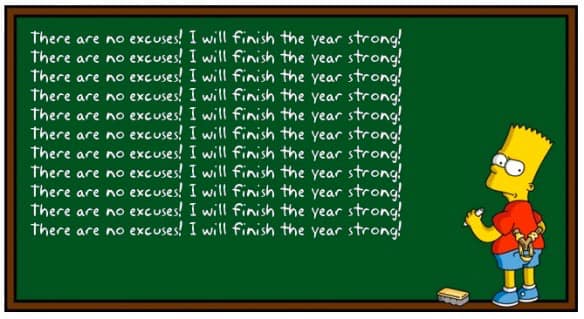
Finishing Strong: Why Year-End Productivity Matters More Than You Think

With the year’s end just three weeks away and the holiday season in full swing, it’s easy to succumb to the allure of slowing down. In fields like sales and business development, the temptation can feel overwhelming, with a litany of excuses readily available—”no one’s working,” “no one wants to do business now,” “clients are waiting until January,” and more. But before giving in to this mindset, consider the cost: could you afford to take a five percent pay cut for the next three weeks? Because that’s exactly what happens when three weeks—five percent of the year—become unproductive. If you extend the calculation to the time from Thanksgiving to Christmas, it jumps to ten percent. The implications are even more severe when factoring in the ripple effects into the new year.

To stay at the top of your game through year’s end, you need a proactive approach that not only drives immediate results but also sets the stage for a strong start to the coming year. Delaying efforts now could mean waiting until February to see new business roll in, which adds another five to ten percent of lost productivity. Combined with the late-year slowdown, this could translate to ten to twenty percent of the year effectively wasted. Few businesses can afford to lose that much momentum without feeling a significant impact on profitability.

One key advantage of staying active during this period is that your competition is likely slowing down. Let them. By maintaining focus, you can gain a head start, capture opportunities they’re missing, and solidify your position in the market.

The first step in overcoming the holiday slowdown mindset is to change the narrative. While it may be true that some prospects are less active during the holidays, others are still working, and many decision-makers are taking advantage of quieter periods to strategize for the year ahead. By staying engaged, you position yourself as a trusted partner who is ready to help them hit the ground running when January arrives.

Focusing on the following strategies can help maintain productivity during this crucial period:

  1. Prioritize Relationship Building: The holidays are a perfect time to reconnect with clients, partners, and prospects. Send personalized messages, thoughtful holiday greetings, or even small tokens of appreciation to strengthen relationships.
  2. Focus on Closing Open Deals: Review your pipeline for deals that are close to closing. With the right follow-up and incentives, you may be able to finalize agreements before year’s end.
  3. Plan and Execute for January: Use this time to prepare for a strong start in the new year. Schedule meetings, set up campaigns, and lay the groundwork for projects that can launch in January.
  4. Engage in Creative Outreach: Stand out by reaching out in ways that are relevant to the season. Share insights on year-end planning, offer holiday promotions, or create valuable content that aligns with your clients’ seasonal needs.
  5. Stay Disciplined: Avoid falling into the trap of thinking that no one else is working. By maintaining focus and consistency, you position yourself ahead of competitors who may be less active during this time.
  6. Measure the Impact: Assess the potential profitability of staying active versus the cost of slowing down. When viewed in financial terms, the choice to stay engaged becomes far more compelling.

By adopting these strategies, you can transform the final weeks of the year into a period of opportunity rather than a time of stagnation. Not only can you close deals and generate business now, but you also create a strong foundation for January, ensuring that you don’t start the new year playing catch-up. The end of the year may be challenging, but with the right mindset and actions, it can be one of the most productive and impactful times of the year.

Make today a great day. Make it happen. Make it count!

About the Author

With more than 40 years of experience in small business, restaurant, and franchise management, marketing, and development, Paul Segreto is a respected expert in the entrepreneurial world, dedicated to helping others achieve success. Whether you’re an aspiring or current entrepreneur in need of guidance, support, or simply a conversation, you can connect with Paul at paul@acceler8success.com.

Why Resolutions Matter for Entrepreneurial Growth

When the calendar turns and a new year begins, entrepreneurs often find themselves reflecting on their past achievements and plotting their path forward. It’s a time when goals are set with high aspirations, but often overlooked is the power of New Year’s resolutions. While they may seem interchangeable, resolutions and goals serve different purposes. Yet, when intertwined, they can propel entrepreneurs toward remarkable accomplishments.

Resolutions differ from goals in their essence and focus. Goals are specific, measurable objectives with a defined endpoint. They answer the question, “What do I want to achieve?” Resolutions, on the other hand, are commitments to adopt behaviors or mindsets that guide daily actions. They answer the question, “How do I want to live or operate?” A resolution is ongoing and process-driven, while a goal is destination-oriented.

For entrepreneurs, resolutions create the foundation for achieving goals. A resolution like “commit to prioritizing time for strategic thinking” can support the goal of launching a new product. Resolutions encourage discipline, intentionality, and consistency, which are essential traits for success in any entrepreneurial venture.

Sample Resolutions for Entrepreneurs

  1. Embrace Continuous Learning Commit to reading one business book a month or attending industry-related webinars to stay ahead in your field.
  2. Prioritize Health and Wellness Dedicate time for exercise, proper nutrition, and mindfulness practices to maintain energy and focus.
  3. Strengthen Leadership Skills Engage in mentorship programs or leadership workshops to better inspire and manage teams.
  4. Build a Resilient Mindset Practice gratitude and mindfulness to navigate the inevitable highs and lows of entrepreneurship with grace.
  5. Improve Financial Acumen Commit to regular financial reviews and learning about investment strategies to ensure the business remains profitable.
  6. Nurture Professional Relationships Dedicate time to networking and building genuine connections within your industry and community.

Importance of Making Resolutions

Resolutions provide entrepreneurs with a personal and professional compass, ensuring their daily actions align with their broader vision. They serve as a reminder of the habits and values that underpin long-term success. In the fast-paced world of entrepreneurship, it’s easy to lose sight of the bigger picture. Resolutions act as touchstones, keeping entrepreneurs grounded and focused on what truly matters.

Moreover, resolutions foster resilience. When entrepreneurs commit to self-improvement and consistency, they are better equipped to adapt to challenges and seize opportunities. Resolutions also enhance work-life balance, which is crucial for sustaining creativity and preventing burnout.

By thoughtfully crafting and committing to resolutions, entrepreneurs can build the habits and mindsets necessary to achieve their most ambitious goals. This New Year, resolve to be intentional, proactive, and resilient in your entrepreneurial journey. The results may surprise you.

Make today a great day. Make it happen. Make it count!

About the Author

With more than 40 years of experience in small business, restaurant, and franchise management, marketing, and development, Paul Segreto is a respected expert in the entrepreneurial world, dedicated to helping others achieve success. Whether you’re an aspiring or current entrepreneur in need of guidance, support, or simply a conversation, you can connect with Paul at paul@acceler8success.com.

Lessons from History: How Entrepreneurs Drive the Cycle of Innovation and Change

Throughout history, entrepreneurship has been both a driver and a reflection of societal evolution, embodying the recurring cycle of innovation, disruption, change, normalcy, decline, and eventual resurgence. From Sun Tzu’s strategic philosophies to Machiavelli’s insights into power dynamics, and the transformative efforts of 20th-century inventors and visionaries, the entrepreneurial spirit has remained at the heart of progress.

Sun Tzu’s The Art of War may seem like a manual for generals, but its principles resonate deeply with entrepreneurship. Sun Tzu taught the importance of understanding the battlefield, knowing your strengths and weaknesses, and adapting to ever-changing conditions. Entrepreneurs today face their own battles: competitive markets, technological shifts, and consumer demands. Success often hinges on strategic foresight, whether it’s entering an emerging market or pivoting when disruptions arise.

Machiavelli’s The Prince offers lessons in leadership and influence. While his ideas are sometimes criticized as manipulative, they underscore the importance of perception and adaptability. Entrepreneurs navigating the complexities of leadership in startups or established organizations must balance integrity with pragmatism. Machiavelli’s emphasis on preparing for adversity and seizing opportunities in times of uncertainty mirrors the entrepreneurial journey.

The 20th century ushered in a wave of technological innovation that redefined entrepreneurship. Visionaries like Henry Ford revolutionized production with the assembly line, making automobiles accessible to the masses. Ford’s success demonstrated the power of scaling operations and embracing efficiency without losing sight of quality. Similarly, inventors like Thomas Edison and Nikola Tesla illustrated the tension between innovation and competition, showing that collaboration and rivalry often coexist in the pursuit of progress.

The cyclical nature of innovation, disruption, and stability is evident in the rise and fall of industries. The dot-com bubble of the late 1990s serves as a modern example. It was a period of massive innovation and disruption, followed by a crash that exposed unsustainable business practices. Yet, from that downturn emerged tech giants like Amazon and Google, which learned from the failures of their predecessors and built resilient, adaptable models.

Entrepreneurs can also draw lessons from the economic and cultural shifts of the post-war era. The entrepreneurial boom of the 1950s and 60s, characterized by suburban growth and consumer innovation, emphasized the importance of aligning products with societal trends. Similarly, the countercultural movements of the 1960s and 70s led to new market opportunities in personal expression, fashion, and technology, showing that even disruptive social changes can inspire entrepreneurial creativity.

At the heart of these historical patterns lies a fundamental truth: innovation often begins with individuals willing to challenge the status quo. Yet, sustaining innovation requires adapting to change, learning from failure, and recognizing when to transition from disruption to stabilization. Entrepreneurs must also anticipate the downward spirals that often follow periods of excess, using them as opportunities to rethink and reimagine their approaches.

Today’s entrepreneurs stand on the shoulders of giants, inheriting centuries of wisdom and inspiration. The lessons from history are clear: the entrepreneurial cycle is not linear but repetitive. Each phase—whether one of rapid change or quiet stability—offers opportunities for those willing to learn, adapt, and take calculated risks. By embracing this timeless cycle, entrepreneurs can not only navigate the challenges of their time but also contribute to the next wave of progress.

Make today a great day. Make it happen. Make it count!

About the Author

With more than 40 years of experience in small business, restaurant, and franchise management, marketing, and development, Paul Segreto is a respected expert in the entrepreneurial world, dedicated to helping others achieve success. Whether you’re an aspiring or current entrepreneur in need of guidance, support, or simply a conversation, you can connect with Paul at paul@acceler8success.com.

Planning Your Exit: Essential Strategies for Entrepreneurs

Exit strategies are an integral part of the entrepreneurial journey. Whether launching a new business or managing one that has been in operation for years, planning an eventual exit is essential. A well-executed exit strategy ensures financial rewards for the effort invested while securing the legacy of the business. Unfortunately, many entrepreneurs overlook exit planning, focusing solely on daily operations, only to find themselves unprepared when it is time to move on.

Planning an exit strategy requires consideration of future goals, a clear understanding of the business’s value, and identifying the best approach to transitioning ownership or leadership. It should align with personal aspirations and business objectives, ensuring a smooth transition while maximizing the enterprise’s worth.

Exit planning maximizes value by positioning the business for the highest valuation through improved operations, financial performance, and risk management. It ensures business continuity, enabling a seamless transition to new ownership or management, and reduces the risk of operational disruptions. For entrepreneurs, it aligns with personal goals, whether retiring, pursuing new ventures, or dedicating more time to personal endeavors, ensuring financial stability. Proactive planning also prepares for unforeseen circumstances such as health issues or market downturns, reducing uncertainty and mitigating unfavorable outcomes.

There are several ways to exit a business. Selling is a common strategy and involves transferring ownership to external buyers, competitors, or investors. A strong market position, solid financial records, and a loyal customer base enhance the attractiveness of the business. Mergers and acquisitions provide opportunities for financial gain and strategic benefits, often resulting in well-structured deals for the departing entrepreneur. Management buyouts involve selling the business to the existing management team, ensuring operational continuity and smoother transitions for employees and customers. Employee stock ownership plans allow the workforce to acquire shares over time, transitioning ownership while rewarding loyal employees and maintaining the company’s culture.

An initial public offering offers substantial financial rewards but requires extensive preparation and regulatory compliance, making it suitable for businesses with strong growth potential. Family succession secures the business’s legacy within the family but requires careful planning to groom successors and establish operational guidelines. Liquidation, though straightforward, often yields lower financial returns and may not preserve the business’s legacy. For scalable models, franchise conversion enables a transition from active operations to passive income through franchise royalties.

Effective exit planning involves starting early to establish a clear roadmap, regularly evaluating the business’s market value, and setting realistic goals. Professional advice from financial planners, business brokers, and attorneys is critical to navigating the complexities of the process. Transparent communication with stakeholders, including employees, investors, and customers, ensures a seamless transition. Entrepreneurs must also prepare for life after exiting, whether retirement, starting a new venture, or engaging in other fulfilling activities.

Planning an exit strategy is not a signal of defeat but a proactive step in protecting your business and personal future. A well-crafted plan maximizes the rewards of your efforts, secures the business’s legacy, and ensures a smooth transition to the next chapter of your journey. Starting early, assessing your options, and leveraging professional expertise will enable you to exit your business with confidence and peace of mind.

Make today a great day. Make it happen. Make it count!

About the Author

With more than 40 years of experience in small business, restaurant, and franchise management, marketing, and development, Paul Segreto is a respected expert in the entrepreneurial world, dedicated to helping others achieve success. Whether you’re an aspiring or current entrepreneur in need of guidance, support, or simply a conversation, you can connect with Paul at paul@acceler8success.com.

Empowering Entrepreneurs: Gifts That Fuel Success

As the holiday season is in full swing, entrepreneurs have a unique opportunity to align their gift wish lists with their business goals and personal development needs. While traditional gifts such as gadgets, clothing, or indulgent items are always appreciated, entrepreneurs can also use this season as a chance to equip themselves with tools, resources, and experiences that foster growth, productivity, and well-being. Here’s a closer look at the kinds of gifts that can truly make a difference in an entrepreneur’s life this Christmas.

1. Tools to Boost Productivity and Efficiency

Entrepreneurs thrive on staying organized and efficient, so gifts that enhance their productivity are invaluable. Upgrading to a high-performance laptop, a dual-monitor setup, or noise-canceling headphones can make long workdays more manageable. Ergonomic office chairs, standing desks, or even desk accessories like monitor risers can create a workspace designed for comfort and focus.

Digital tools and software subscriptions also make excellent gifts. Entrepreneurs might appreciate a subscription to project management platforms like Asana or Trello, graphic design tools like Canva Pro, or advanced writing assistants like Grammarly Premium. These tools not only save time but also help present their brand professionally.

2. Educational Resources for Personal and Professional Development

One of the best investments entrepreneurs can make is in their knowledge and skills. Online courses from platforms like MasterClass, Coursera, or LinkedIn Learning can help them acquire expertise in areas such as marketing, financial management, leadership, or even personal branding.

Books are another timeless gift. Titles like Atomic Habits by James Clear, The Lean Startup by Eric Ries, or Good to Great by Jim Collins offer actionable insights and inspiration. Memberships to industry organizations or subscriptions to business publications such as Entrepreneur or Harvard Business Review can also provide ongoing access to valuable information and trends.

3. Support for Mental Health and Well-Being

The entrepreneurial journey is rewarding but often stressful. Gifts that prioritize mental health and relaxation are not only thoughtful but essential. Subscriptions to mindfulness apps like Headspace or Calm, yoga class packages, or memberships to local gyms can help entrepreneurs recharge and refocus.

For a more personalized touch, consider items like aromatherapy diffusers, journals for reflection and goal-setting, or even a comfortable throw blanket to encourage relaxation. These gifts remind entrepreneurs that taking care of themselves is just as important as taking care of their businesses.

4. Experiences That Inspire and Empower

Experiences can often be more impactful than material gifts. Tickets to industry conferences, passes to workshops, or entry into networking events provide opportunities for entrepreneurs to connect with like-minded individuals, gain insights, and explore new ideas.

For entrepreneurs seeking a creative escape, a weekend retreat or coworking space membership could offer a fresh environment to brainstorm and recharge. Alternatively, a subscription to a business-focused podcast or an audiobook service like Audible can provide a steady stream of inspiration during commutes or downtime.

5. Business-Specific Gifts to Fuel Growth

Every entrepreneur knows that running a business requires constant investment. A financial contribution to their marketing budget, assistance with professional website development, or hiring a branding consultant are gifts that directly support their business goals. Alternatively, family and friends could pool resources for tangible items like branded merchandise, signage, or even high-quality photography equipment.

If the entrepreneur is at an early stage, covering the cost of legal services, accounting software, or even a premium LinkedIn membership can provide them with essential tools to establish a strong foundation.

6. Time-Saving Solutions to Simplify Life

Entrepreneurs often juggle countless responsibilities, so gifts that free up their time are always appreciated. Subscriptions to meal delivery services, cleaning services, or virtual assistants can make their daily lives easier. Smart home devices like voice-controlled assistants or automated coffee machines also add a layer of convenience to their routines.

7. Motivational and Inspirational Gifts

Sometimes, the simplest gifts have the greatest impact. A beautifully framed motivational quote for their office, a personalized planner, or even a handwritten letter of encouragement can remind an entrepreneur why they started their journey in the first place. These gestures of support and belief in their vision can be profoundly motivating during challenging times.

A Holiday Season of Purposeful Gifting

The holiday season is not only a time for celebration but also for reflection and renewal. Entrepreneurs often use this time to set their sights on the year ahead, making it the perfect moment to give or receive gifts that align with their ambitions. Whether it’s a tool to boost productivity, an experience that inspires, or a gesture that promotes well-being, thoughtful gifts can help entrepreneurs enter the new year feeling empowered, motivated, and ready to take their ventures to new heights. By focusing on purposeful gifts, we can all contribute to the entrepreneurial spirit that drives innovation and success.

Make today a great day. Make it happen. Make it count!

About the Author

With more than 40 years of experience in small business, restaurant, and franchise management, marketing, and development, Paul Segreto is a respected expert in the entrepreneurial world, dedicated to helping others achieve success. Whether you’re an aspiring or current entrepreneur in need of guidance, support, or simply a conversation, you can connect with Paul at paul@acceler8success.com.

The Twelve Days of Christmas: Entrepreneur Edition

The holiday season is a time of joy, reflection, and celebration—a perfect opportunity to honor the entrepreneurial spirit that drives innovation, creativity, and resilience. In the true spirit of the season, we’ve reimagined the classic carol “The Twelve Days of Christmas” to reflect the journey of entrepreneurs everywhere. Each verse captures the gifts, milestones, and challenges that come with building a business, offering a festive reminder of the dedication and triumphs that make the entrepreneurial path so rewarding. So, whether you’re a seasoned entrepreneur or just starting out, let this version inspire and energize you as you embrace the season with gratitude and ambition.

🎄 On the first day of Christmas, my venture gave to me: A vision for my company.

🎄 On the second day of Christmas, my venture gave to me: Two solid mentors, And a vision for my company.

🎄 On the third day of Christmas, my venture gave to me: Three investor pitches, Two solid mentors, And a vision for my company.

🎄 On the fourth day of Christmas, my venture gave to me: Four brand-new clients, Three investor pitches, Two solid mentors, And a vision for my company.

🎄 On the fifth day of Christmas, my venture gave to me: Five bold ideas! Four brand-new clients, Three investor pitches, Two solid mentors, And a vision for my company.

🎄 On the sixth day of Christmas, my venture gave to me: Six goals achieving, Five bold ideas! Four brand-new clients, Three investor pitches, Two solid mentors, And a vision for my company.

🎄 On the seventh day of Christmas, my venture gave to me: Seven networks growing, Six goals achieving, Five bold ideas! Four brand-new clients, Three investor pitches, Two solid mentors, And a vision for my company.

🎄 On the eighth day of Christmas, my venture gave to me: Eight leads converting, Seven networks growing, Six goals achieving, Five bold ideas! Four brand-new clients, Three investor pitches, Two solid mentors, And a vision for my company.

🎄 On the ninth day of Christmas, my venture gave to me: Nine products selling, Eight leads converting, Seven networks growing, Six goals achieving, Five bold ideas! Four brand-new clients, Three investor pitches, Two solid mentors, And a vision for my company.

🎄 On the tenth day of Christmas, my venture gave to me: Ten tools streamlining, Nine products selling, Eight leads converting, Seven networks growing, Six goals achieving, Five bold ideas! Four brand-new clients, Three investor pitches, Two solid mentors, And a vision for my company.

🎄 On the eleventh day of Christmas, my venture gave to me: Eleven hours of balance, Ten tools streamlining, Nine products selling, Eight leads converting, Seven networks growing, Six goals achieving, Five bold ideas! Four brand-new clients, Three investor pitches, Two solid mentors, And a vision for my company.

🎄 On the twelfth day of Christmas, my venture gave to me: Twelve dreams fulfilled, Eleven hours of balance, Ten tools streamlining, Nine products selling, Eight leads converting, Seven networks growing, Six goals achieving, Five bold ideas! Four brand-new clients, Three investor pitches, Two solid mentors, And a vision for my company. 🎄

Make today a great day. Make it happen. Make it count!

About the Author

With more than 40 years of experience in small business, restaurant, and franchise management, marketing, and development, Paul Segreto is a respected expert in the entrepreneurial world, dedicated to helping others achieve success. Whether you’re an aspiring or current entrepreneur in need of guidance, support, or simply a conversation, you can connect with Paul at paul@acceler8success.com.

No Photo, No Name, No Posts: What Does Your LinkedIn Profile Say About You?

On LinkedIn, where personal branding is built through visibility and engagement, decisions like omitting a profile photo, not listing a full name, or neglecting activity—both proactive and reactive—send powerful messages. These actions, whether intentional or not, can significantly influence how a professional is perceived and impact their ability to effectively network or build their personal brand.

The absence of a profile photo suggests an incomplete or neglected presence. A photo is one of the first visual cues users notice, and it fosters trust and recognition. Without it, a profile may appear impersonal or even suspicious, leading to questions about the individual’s commitment to professional interactions. Particularly in industries where personal relationships, visibility, and networking are vital, this omission can make a profile less approachable and undermine credibility. Conversely, a professional photo signals a readiness to connect and reinforces a sense of authenticity.

Similarly, choosing not to include a full name introduces ambiguity. A LinkedIn profile is often used as a digital business card, and incomplete names can hinder others from verifying one’s identity or reaching out. This can send unintended messages about an unwillingness to be transparent or a lack of confidence in one’s professional identity. While privacy concerns or cultural considerations may be valid reasons, such decisions should be carefully weighed against the potential drawbacks, especially in a competitive professional landscape.

Even more telling, however, is a lack of activity on LinkedIn. Proactively posting content—whether sharing articles, insights, or updates—demonstrates thought leadership and positions an individual as an active participant in their industry. Reactive engagement, like responding to comments, resharing others’ posts, or participating in discussions, signals approachability and a collaborative mindset. When a profile shows little to no activity, it can imply disinterest, disengagement, or a lack of understanding about how to use the platform effectively. This is especially damaging in industries where staying visible and current is critical for career growth.

Neglecting to engage on LinkedIn—either by failing to post or by not responding to others—can inadvertently communicate that an individual is not fully invested in their professional journey. This perceived inactivity creates a missed opportunity to showcase expertise, build relationships, and stay relevant. In contrast, consistent activity enhances visibility, boosts credibility, and positions the individual as a proactive contributor to their professional community.

Personal branding thrives on intentionality. Each element of a LinkedIn profile—photo, name, and activity—works together to craft a cohesive narrative. A complete profile with a professional photo and full name sets a strong foundation. Proactive and reactive engagement ensures the profile is dynamic, approachable, and aligned with professional aspirations. Conversely, neglecting these areas can create a disjointed or incomplete image, potentially hindering opportunities.

For those who opt out of certain aspects—such as including a photo or full name—compensating with robust activity and strong written content becomes even more essential. Regularly sharing insights, commenting on industry trends, and engaging with peers can help mitigate the impact of these omissions. Ultimately, building a personal brand on LinkedIn requires consistent effort, transparency, and a willingness to actively participate in the professional conversations shaping one’s industry.

Make today a great day. Make it happen. Make it count!

About the Author

With more than 40 years of experience in small business, restaurant, and franchise management, marketing, and development, Paul Segreto is a respected expert in the entrepreneurial world, dedicated to helping others achieve success. Whether you’re an aspiring or current entrepreneur in need of guidance, support, or simply a conversation, you can connect with Paul at paul@acceler8success.com.

Start the New Year with a New Business Venture

Acquiring a business before the end of the year offers a strategic advantage that can significantly impact both your current financial position and your outlook for the new year. From maximizing tax benefits to setting the stage for a fresh and energized start, there are compelling reasons why closing—or even initiating—the deal before New Year’s Day is a smart move.

One of the most immediate benefits of acquiring a business before year’s end lies in potential tax savings. Depending on the specifics of the transaction and your financial situation, you may be able to deduct acquisition costs, depreciate newly acquired assets, or leverage other tax benefits, such as carrying forward or offsetting losses. These deductions and benefits can reduce your taxable income for the current year, potentially resulting in significant savings. For example, expenses incurred during the acquisition process—such as legal fees, consulting services, and due diligence costs—may qualify as deductible business expenses. Furthermore, if the business has assets eligible for bonus depreciation, you may be able to take advantage of accelerated write-offs under current tax laws, making this an opportune time to complete the purchase.

Beyond tax savings, the timing of an acquisition can align perfectly with business and personal planning goals. By starting the new year with a fresh business under your belt, you position yourself for momentum and clarity as January 1 approaches. This clean slate can invigorate your entrepreneurial drive, allowing you to set strategic goals for the year ahead without being encumbered by lingering uncertainties. Even if the transaction doesn’t officially close before the end of the year but is well underway, the psychological and practical benefits of knowing a major milestone is on the horizon can create a sense of optimism and direction.

Another advantage is the opportunity to capitalize on end-of-year market dynamics. Sellers are often motivated to close deals before December 31 to realize their own financial or tax benefits, which can lead to more favorable terms for buyers. Whether it’s a reduced purchase price, flexible payment terms, or the inclusion of additional assets in the sale, the urgency of year-end deals can work to your advantage. This is especially true in competitive markets, where striking early ensures you secure the deal before others step in.

Acquiring a business before year’s end also provides the benefit of a transitional period that aligns with the natural rhythms of the calendar. Many industries experience a slowdown during the holiday season, providing a window for you to familiarize yourself with the operations, meet key personnel, and develop a strategy for the year ahead. This adjustment period allows you to hit the ground running in January, fully prepared to take advantage of the business’s peak cycles.

Moreover, the act of acquiring a business symbolizes a bold commitment to growth and opportunity. This decision sets a tone of decisiveness and ambition, which can positively influence both your personal outlook and your professional relationships. As an entrepreneur, starting the year with a newly acquired business reinforces your reputation as someone who takes action, builds momentum, and embraces change. It’s a message that resonates not only with your team and stakeholders but also with clients, suppliers, and partners who value working with forward-thinking leaders.

Even if your acquisition plans are still in progress as the year closes, the sheer act of pursuing this goal offers benefits. The preparation involved in evaluating a business, conducting due diligence, and negotiating terms is an educational experience that sharpens your entrepreneurial acumen. This proactive mindset ensures that when the deal does close—whether in December or shortly after—you are well-positioned to maximize the value of your investment.

The decision to acquire a business before the year’s end is as much about opportunity as it is about preparation. By taking advantage of tax benefits, leveraging favorable market dynamics, and embracing the psychological boost of starting the new year with a fresh venture, you set yourself up for success. Whether the ink dries on the contract in December or the process continues into January, the commitment you make to this journey marks a pivotal step forward. As the new year dawns, you’ll be ready to seize the opportunities that lie ahead, armed with the momentum of a bold, well-timed decision.

Disclaimer: I am not a finance professional. The information provided is for general informational purposes only and should not be considered as financial advice. Please consult with your CPA or a qualified financial advisor for specific details and professional guidance tailored to your situation.

Make today a great day. Make it happen. Make it count!

About the Author

With more than 40 years of experience in small business, restaurant, and franchise management, marketing, and development, Paul Segreto is a respected expert in the entrepreneurial world, dedicated to helping others achieve success. Whether you’re an aspiring or current entrepreneur in need of guidance, support, or simply a conversation, you can connect with Paul at paul@acceler8success.com.

Breaking Through the Funk: Reigniting Your Entrepreneurial Drive

Entrepreneurship is a rollercoaster, and even the most driven individuals can hit a wall. It often starts subtly—a to-do list that never seems to shrink, endless scrolling through emails and social media, reading articles that once inspired but now feel hollow. The frustration builds, turning into a funk that stifles creativity and productivity. Left unchecked, it seeps into moods and mental well-being. For many entrepreneurs, this feeling is magnified during the holiday season, a time already laden with high expectations and a pressing sense of urgency to finish the year strong and prepare for the next.

This struggle is common, but it doesn’t have to define the end of your year. By acknowledging the challenge and leaning into your strengths, you can rediscover momentum and focus. Here’s how:

Acknowledge the Funk and Take a Step Back

The first step is recognizing when you’re stuck. Pause and allow yourself a moment to reset without guilt. Overwhelm often stems from pushing through without acknowledging the underlying mental fatigue. A short break, a walk, or even a day unplugged can provide clarity.

Reconnect with Your “Why”

When the tasks on your list feel like obligations instead of opportunities, it’s time to revisit your core purpose. Why did you start your business? What impact are you aiming to create? Reflecting on your mission can reignite the passion that first motivated you and help refocus your efforts.

Leverage Your Strengths

Entrepreneurs are typically problem solvers, strategists, and creatives. Use those skills to tackle the funk head-on. Identify one small win you can achieve today, whether it’s resolving an issue, making a connection, or completing a lingering task. Success breeds momentum, and momentum fuels positivity.

Structure Your Day Around Priorities

When everything feels urgent, nothing gets done. Choose three key tasks each day that align with your goals for the season and the year ahead. Working on what truly matters minimizes the noise and brings a sense of accomplishment.

Seek Support

Entrepreneurship doesn’t have to be lonely. Sharing your challenges with a trusted advisor, coach, or peer group can help put things into perspective. A fresh perspective might illuminate a path forward you hadn’t considered.

Create a Positive Environment

The holiday season can amplify stress, but it also provides opportunities for connection and reflection. Surround yourself with people who lift you up. Dedicate time to activities that replenish your energy and joy, whether that’s family traditions, community events, or personal hobbies.

Start Setting the Foundation for Next Year

End-of-year pressure often feels heavier because of unaddressed loose ends. Use this time to take small, actionable steps toward next year’s goals. Reflect on what worked well this year, what didn’t, and what changes are necessary. By focusing on progress over perfection, you’ll set the tone for a fresh, proactive start.

Mind Your Well-Being

Your mood and mental health are integral to your success. Regular exercise, adequate sleep, and mindfulness practices like journaling or meditation can help clear mental clutter. Be kind to yourself; hitting a wall doesn’t make you less capable—it’s a sign you’ve been pushing hard and might need to recalibrate.

The holiday season, with all its challenges, also holds the potential for renewal. By embracing a proactive approach, leaning into your strengths, and prioritizing well-being, you can emerge from the funk with clarity and drive. Use this time not just to finish strong but to build a sturdy foundation for the new year. The wall isn’t a barrier—it’s an opportunity to pause, reflect, and refocus before moving forward with purpose.

Make today a great day. Make it happen. Make it count!

About the Author

With more than 40 years of experience in small business, restaurant, and franchise management, marketing, and development, Paul Segreto is a respected expert in the entrepreneurial world, dedicated to helping others achieve success. Whether you’re an aspiring or current entrepreneur in need of guidance, support, or simply a conversation, you can connect with Paul at paul@acceler8success.com.