
From Music to Space: How Richard Branson Redefined Entrepreneurship

Reflecting on the transformative influence of entrepreneurs, it is impossible not to acknowledge Sir Richard Branson. His name is synonymous with innovation, daring, and resilience. From humble beginnings with a student magazine to creating a global conglomerate, Branson’s journey through the Virgin brand has redefined what it means to diversify successfully.

Branson’s ventures span a breathtaking array of industries—music, airlines, telecommunications, fitness, space travel, and more. Each move into a new sector has carried the hallmarks of his entrepreneurial spirit: a willingness to embrace risk, an acute understanding of market gaps, and a commitment to exceptional customer experiences. Through Virgin Records, he disrupted the music industry. With Virgin Atlantic, he revolutionized air travel. Today, through Virgin Galactic, he is reshaping the future of commercial space exploration. This diversity is not random but a calculated expansion rooted in Branson’s ability to identify unmet needs and craft bold solutions.

For entrepreneurs, Branson’s career exemplifies the power of diversification as a strategic tool. In a world where economic downturns, technological disruptions, and changing consumer preferences can quickly upend entire industries, his approach demonstrates the wisdom of not relying on a single venture or revenue stream. Entrepreneurs often hesitate to expand beyond their initial success, fearing overextension or loss of focus. Branson has proven that with the right vision, team, and execution, diversification is not only achievable but also a pathway to enduring impact.

Beyond his ventures, Branson has also inspired an entrepreneurial mindset that champions boldness, adaptability, and fun. His belief in people-first leadership has underscored the importance of culture in scaling businesses. His willingness to share his failures as openly as his triumphs has encouraged entrepreneurs to view setbacks as stepping stones rather than roadblocks. Through his books, interviews, and public appearances, Branson has demystified the idea of the entrepreneur, showing that innovation is often born from curiosity and the courage to pursue it.

Branson’s impact extends far beyond his personal achievements. He has inspired countless entrepreneurs to break free from conventional thinking, showing that the boundaries of one’s vision are limited only by the willingness to dream big and act boldly. His journey reminds us that entrepreneurship is not a linear path but a dynamic and evolving pursuit, where risk and reward often go hand in hand.

For those of us inspired by Branson, the lesson is clear: don’t fear diversification. Explore, innovate, and remain unafraid to enter uncharted territory. While many entrepreneurs build legacies within specific niches, Branson’s legacy spans industries and continents, illustrating that the entrepreneurial spirit knows no bounds. His journey serves as a beacon for those who aspire to push limits, challenge norms, and, in doing so, leave an indelible mark on the world.

Make it a great day. Make it happen. Make it count!

About the Author

With more than 40 years of experience in small business, restaurant, and franchise management, marketing, and development, Paul Segreto is a respected expert in the entrepreneurial world, dedicated to helping others achieve success. Whether you’re an aspiring or current entrepreneur in need of guidance, support, or simply a conversation, you can connect with Paul at paul@acceler8success.com.

Lessons in Excellence: Steve Jobs and the Pursuit of Perfection

Continuing to celebrate National Entrepreneurship Month, I find myself reflecting on the entrepreneurs who have inspired me and profoundly influenced my own journey—both in working with entrepreneurial companies and within my own ventures. One individual stands out among the many who have shaped my thinking and decisions: Steve Jobs.

Jobs was not only a visionary but also a relentless pursuer of excellence. His story is one I revisit often, finding new meaning and inspiration every time. I’ve always been fascinated by the account of Jobs quitting college yet continuing to attend classes that genuinely interested him, disregarding the conventional path in favor of exploring what fueled his curiosity. That decision to follow his interests over societal expectations embodies the essence of entrepreneurial spirit: the courage to break free from norms and pursue uncharted territory.

Jobs’ commitment to excellence was not just a goal; it was an obsession. This is beautifully illustrated by his insistence that even the internal components of Apple’s computers—parts that users would never see—had to be immaculate, “lined up like soldiers.” That standard of perfection wasn’t just about aesthetics; it was a reflection of his belief that greatness is achieved when every detail matters, visible or not. This level of care and craftsmanship continues to resonate with me as I work with entrepreneurial teams, reminding me that excellence is a habit, not a singular act.

The cultural impact of Jobs’ vision is perhaps best captured by Apple’s groundbreaking marketing campaigns. The Think Different campaign, with its celebration of the “crazy ones,” ignited the imagination of countless dreamers, including myself. It reminded us that innovation requires a willingness to see the world differently. And who can forget the infamous Super Bowl ad for the Macintosh? That 1984-inspired commercial didn’t just sell a product; it introduced a movement. It boldly declared that technology could empower individuals to challenge the status quo, a message that continues to excite me about the possibilities inherent in thinking differently every day.

Jobs’ influence extended far beyond Apple and its products. He revolutionized multiple industries, from personal computing to music, film, and mobile communications. His work redefined how we interact with technology and how technology interacts with our lives. The iPod didn’t just change the way we listen to music; it transformed the music industry. Pixar didn’t just create animated movies; it set a new standard for storytelling and digital artistry. The iPhone didn’t just introduce a new gadget; it reshaped global culture and communication, putting the world in our pockets.

For me, Steve Jobs serves as a reminder that entrepreneurship isn’t just about creating businesses; it’s about creating impact. It’s about imagining what could be, rather than settling for what is. As I continue to work with entrepreneurial companies and develop new ventures, Jobs’ legacy serves as both a guidepost and a challenge: to strive for excellence, embrace creativity, and above all, think differently.

Make it a great day. Make it happen. Make it count!

About the Author

With more than 40 years of experience in small business, restaurant, and franchise management, marketing, and development, Paul Segreto is a respected expert in the entrepreneurial world, dedicated to helping others achieve success. Whether you’re an aspiring or current entrepreneur in need of guidance, support, or simply a conversation, you can connect with Paul at paul@acceler8success.com.
Walt Disney’s Legacy: A Blueprint for Entrepreneurial Success

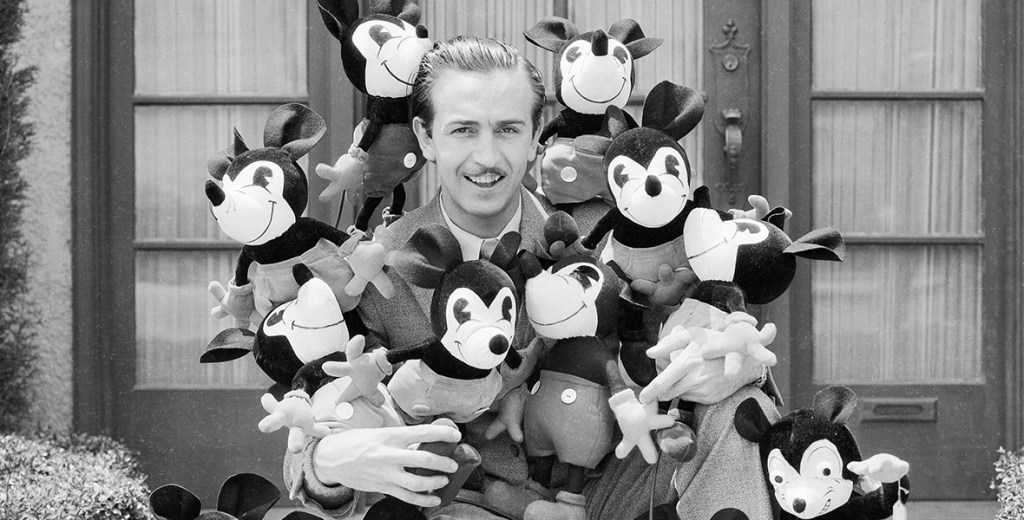
Walt Disney, both as a man and a brand, has profoundly influenced industries and the world, and I find myself deeply inspired by his journey and his legacy. Of course, we all know the famous quote, “It all started with a mouse.” It’s this humble beginning that I often think about with a sense of bewilderment. How a simple character like Mickey Mouse could lead to a global phenomenon is a testament to Disney’s visionary creativity and relentless drive.

I’ve read everything I could find about Disney, the brand, in my quest to understand its incredible success. But it was a conversation with a senior-level Disney executive that left the deepest impression on me. I had imagined that behind Disney’s massive success, with its complex structure of businesses and unparalleled global reach, there must be an intricate and sophisticated strategy. Instead, I was astonished to learn that it all revolves around a simple yet powerful three-part credo: Attention to Detail, Sense of Urgency, and Follow-up & Follow-through.

Hearing this simplicity described as the foundation of Disney’s empire was eye-opening. It reminded me that even in the most sophisticated structures, the basics often hold the key. Everything at Disney, I was told, is guided by this credo, from the cleanliness of its parks to the storytelling that has become its hallmark. This attention to detail and discipline has shaped Disney into a brand that is synonymous with excellence.

Disney’s influence is vast. Walt revolutionized animation, starting with Mickey Mouse in Steamboat Willie and later creating Snow White and the Seven Dwarfs, the first full-length animated feature film. These milestones not only set new standards for storytelling and artistry but also showcased his willingness to take risks and push boundaries. His vision elevated animation into a respected art form and cornerstone of popular culture.

Walt Disney’s creation of Disneyland in 1955 was another turning point. By designing a park that offered immersive, story-driven experiences, he not only redefined entertainment but also revolutionized the tourism and hospitality industries. The introduction of customer service excellence, operational efficiency, and destination-based entertainment is now emulated worldwide.

Culturally, Disney’s stories have shaped generations, spreading optimism, creativity, and perseverance. Its impact extends far beyond entertainment, influencing merchandise, licensing, and cross-platform branding strategies. Today, Disney’s acquisitions of Pixar, Marvel, Lucasfilm, and 21st Century Fox solidify its position as a global media powerhouse.

What resonates with me the most is how Walt Disney, the man, transformed humble beginnings into a movement that continues to inspire entrepreneurs and dreamers around the world. His journey is a powerful reminder that attention to detail, a sense of urgency, and follow-through can create magic—not just on-screen but in the real world. For me, Disney represents not just a brand but a living example of the entrepreneurial spirit, showing that even the simplest of beginnings can lead to extraordinary achievements.

Make it a great day. Make it happen. Make it count!

About the Author

With more than 40 years of experience in small business, restaurant, and franchise management, marketing, and development, Paul Segreto is a respected expert in the entrepreneurial world, dedicated to helping others achieve success. Whether you’re an aspiring or current entrepreneur in need of guidance, support, or simply a conversation, you can connect with Paul at paul@acceler8success.com.
Celebrating Ray Kroc: The Entrepreneurial Pioneer of Franchising

Entrepreneurship is often celebrated as the backbone of innovation, growth, and opportunity. At its core are individuals who have taken risks, faced challenges, and demonstrated resilience to bring their visions to life. Among these remarkable individuals are entrepreneurs who have not only achieved success but also inspired countless others to pursue their dreams. As we celebrate entrepreneurship, it’s important to reflect on the impact of these trailblazers. Over the next few days, I will highlight entrepreneurs who have influenced and motivated me throughout my career. Having spent more than four decades in and around franchising, it feels only fitting to begin this journey with Ray Kroc.

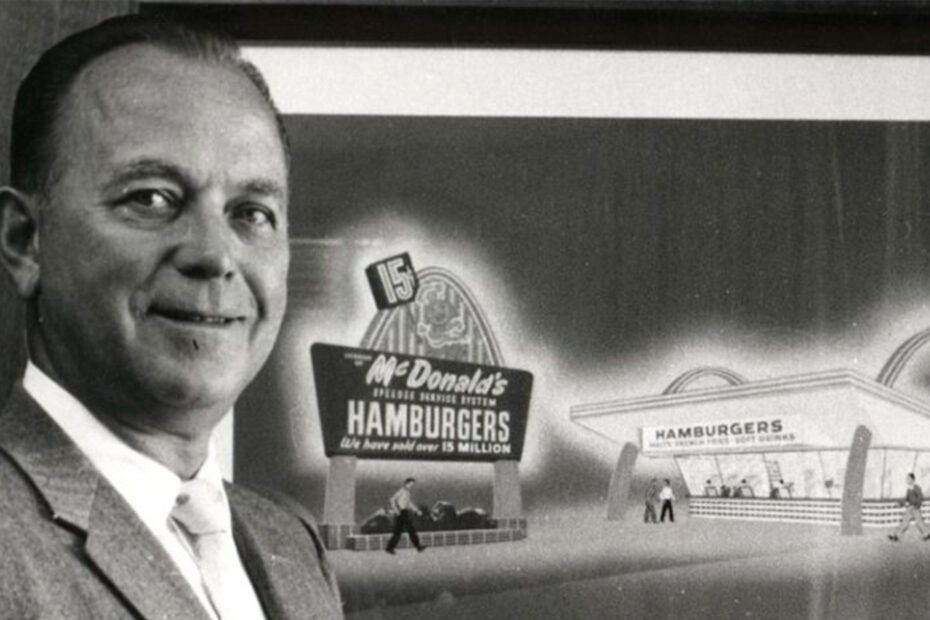
Ray Kroc’s name is synonymous with McDonald’s, a global powerhouse that transformed not just the food industry but franchising as a whole. However, his journey to success was far from a straight line. Kroc’s story is a testament to perseverance, vision, and an unrelenting belief in the potential of a simple idea. Born in 1902, Kroc spent much of his early life as a salesman, peddling everything from paper cups to milkshake mixers. His big break came in 1954 when he encountered the McDonald brothers, Richard and Maurice, who had developed a streamlined system for preparing and serving food at their small restaurant in San Bernardino, California.

Kroc saw potential in their system—a vision far beyond the McDonald brothers’ modest aspirations. He recognized that their method of operation could be standardized and replicated, forming the foundation for a successful franchising model. What followed was a partnership that would eventually lead to Kroc purchasing the rights to the McDonald’s name and system outright, positioning himself as the driving force behind its rapid expansion.

Kroc’s success was rooted in his ability to innovate, even when faced with significant challenges. He revolutionized the restaurant industry by introducing consistent processes, strict operational standards, and an unwavering focus on customer experience. His approach ensured that customers could expect the same quality and service at any McDonald’s location, a concept that became the cornerstone of the franchise business model.

However, Kroc’s journey was not without its difficulties. His relationship with the McDonald brothers was fraught with tension, ultimately culminating in a buyout that left lingering disputes. Additionally, Kroc faced skepticism from investors and resistance from those who doubted the scalability of his vision. Yet, he persisted, drawing on his salesmanship and unshakable belief in the concept to overcome these hurdles.

One of Kroc’s greatest innovations was the introduction of the franchise model that balanced uniformity with local entrepreneurship. By offering franchisees a proven system while allowing them to own and operate their businesses, Kroc created a network of motivated operators who were invested in the success of the brand. This approach not only propelled McDonald’s to global prominence but also became a blueprint for countless franchisors across industries.

Today, the impact of Kroc’s contributions is visible in the franchising world and beyond. McDonald’s is not just a fast-food empire; it is a symbol of the power of franchising to scale businesses while fostering opportunities for entrepreneurs at every level. Kroc’s legacy is evident in the principles he championed—consistency, efficiency, and an unwavering focus on customer satisfaction—all of which remain hallmarks of successful franchises.

For me, Ray Kroc’s story is more than a tale of financial success. It is a powerful reminder of the importance of vision, resilience, and the willingness to embrace risk. His journey inspires entrepreneurs to dream big, tackle challenges head-on, and continually innovate. As we reflect on the individuals who have shaped the entrepreneurial landscape, Ray Kroc stands out as a pioneer who not only achieved greatness but also paved the way for countless others to follow.

In the days ahead, I’ll share more stories of entrepreneurs who have influenced my journey, but today we honor Ray Kroc—an entrepreneur whose impact on franchising and business continues to inspire generations.

Make it a great day. Make it happen. Make it count!

About the Author

With more than 40 years of experience in small business, restaurant, and franchise management, marketing, and development, Paul Segreto is a respected expert in the entrepreneurial world, dedicated to helping others achieve success. Whether you’re an aspiring or current entrepreneur in need of guidance, support, or simply a conversation, you can connect with Paul at paul@acceler8success.com.
Celebrating the Visionaries of Change: National Entrepreneurship Day

National Entrepreneurship Day, celebrated annually on the third Tuesday of November, is a day to recognize the bold visionaries, tireless innovators, and determined risk-takers who drive economic growth and inspire progress. These individuals embody the spirit of possibility, turning dreams into reality and ideas into action. Their contributions, whether through small startups, flourishing franchises, or groundbreaking technological ventures, have a ripple effect that impacts communities, industries, and nations.

Entrepreneurs are the architects of change. They see opportunity where others see obstacles and pursue solutions that redefine industries. This day serves as a reminder to honor their contributions while also encouraging the next wave of innovators to step forward. From the bustling kitchen of a small-town restaurant to the cutting-edge labs of tech startups, the entrepreneurial spirit is alive and thriving.

The heart of entrepreneurship lies in problem-solving. Entrepreneurs identify gaps in the market and create products, services, or systems to fill those gaps. Consider iconic stories like that of Steve Jobs and the invention of the iPhone, or Madam C.J. Walker, whose haircare empire broke barriers and empowered millions. These stories highlight how entrepreneurship is more than a career choice; it is a mindset of resilience, curiosity, and relentless pursuit of excellence.

Entrepreneurship is also a vital driver of economic prosperity. Small businesses alone account for a significant percentage of job creation and innovation worldwide. In the U.S., immigrant entrepreneurs are pivotal, fueling industries from technology to hospitality. For instance, businesses owned by immigrant entrepreneurs account for nearly 30% of all small businesses in the U.S. Their stories often echo the American Dream, where hard work and determination lead to success against all odds.

National Entrepreneurship Day also offers an opportunity to reflect on the challenges entrepreneurs face. From navigating funding barriers to adapting to rapidly changing markets, the journey is rarely easy. Yet, it is these challenges that mold entrepreneurs into leaders who are capable of transforming adversity into opportunity. The pandemic highlighted this resilience, as entrepreneurs around the globe pivoted, innovated, and found new ways to meet consumer demands.

This day isn’t only about celebrating those who have “made it.” It’s also about fostering an ecosystem that encourages budding entrepreneurs to take their first steps. Initiatives like mentorship programs, entrepreneurial education, and accessible funding options can empower the next generation of business leaders. Aspiring entrepreneurs should be encouraged to participate in workshops, join local business organizations, and immerse themselves in communities that foster innovation and collaboration.

National Entrepreneurship Day is an invitation to everyone—entrepreneurs, business leaders, and supporters—to recommit to nurturing the entrepreneurial spirit. It’s a call to action to champion creativity, innovation, and perseverance. Whether you’re launching a new venture, supporting a small business, or mentoring someone on their entrepreneurial path, your contribution matters. Together, we can create a future where bold ideas thrive and every entrepreneur has the opportunity to succeed.

Let today be a spark for your dreams, a reminder of the potential that lies within each of us. Celebrate those who dare to think differently, and perhaps take a leap of your own. Because in the words of Peter Drucker, “The best way to predict the future is to create it.”

Make it a great day. Make it happen. Make it count!

About the Author

With more than 40 years of experience in small business, restaurant, and franchise management, marketing, and development, Paul Segreto is a respected expert in the entrepreneurial world, dedicated to helping others achieve success. Whether you’re an aspiring or current entrepreneur in need of guidance, support, or simply a conversation, you can connect with Paul at paul@acceler8success.com.

10 Inspiring Thought Leaders to Honor During National Entrepreneurship Month

As we celebrate Entrepreneurship, we must honor visionary thought leaders who have transformed industries and inspired generations through their innovative ideas and relentless determination. From historical pioneers to modern icons, these individuals have left an indelible mark on the entrepreneurial landscape. Here are ten influential thought leaders whose legacies continue to inspire entrepreneurs worldwide.

1. Steve Jobs Steve Jobs revolutionized technology with Apple, introducing groundbreaking products like the iPhone, iPad, and Mac. His focus on design, simplicity, and user experience set new standards for innovation and inspired countless entrepreneurs to think differently and aim higher.

2. Daymond John As the founder of FUBU, Daymond John turned a $40 investment into a global fashion brand. His journey from humble beginnings to becoming a successful entrepreneur and “Shark Tank” investor highlights the power of grit, strategic thinking, and leveraging cultural trends.

3. Thomas Edison Thomas Edison’s inventions, including the light bulb and phonograph, defined the modern era. His perseverance and belief in the iterative process of innovation serve as timeless lessons for entrepreneurs striving to turn ideas into impactful realities.

4. Madam C.J. Walker Madam C.J. Walker, America’s first self-made female millionaire, built a beauty empire catering to Black women. Her innovative approach to product development and marketing left a profound legacy of empowerment and entrepreneurship in underrepresented communities.

5. Elon Musk Elon Musk’s ventures—Tesla, SpaceX, Neuralink, and more—have redefined multiple industries. His fearless approach to tackling monumental challenges and his commitment to advancing technology underscore the importance of visionary leadership in entrepreneurship.

6. Henry Ford Henry Ford revolutionized manufacturing with the assembly line, making automobiles accessible to the masses. His commitment to efficiency and innovation not only transformed transportation but also set the stage for modern production techniques.

7. Oprah Winfrey Oprah Winfrey’s rise from modest beginnings to a global media mogul epitomizes entrepreneurial resilience and authenticity. Her ability to connect with audiences and build a powerful personal brand highlights the role of storytelling in business success.

8. Jeff Bezos Jeff Bezos turned Amazon from an online bookstore into a global e-commerce and tech juggernaut. His customer-first philosophy and willingness to take calculated risks have become a playbook for scaling businesses in dynamic markets.

9. Benjamin Franklin Benjamin Franklin was a polymath whose entrepreneurial endeavors included publishing, electricity, and civic projects. His innovative mindset and commitment to improving society demonstrate the enduring impact of resourcefulness and vision.

10. Estee Lauder Estee Lauder built a cosmetics empire with an unwavering belief in the power of personalized customer relationships. Her pioneering marketing strategies, including free samples and direct selling, reshaped the beauty industry and remain relevant today.

These entrepreneurs remind us that innovation, determination, and vision transcend time. As we celebrate National Entrepreneurship Month, their stories inspire us to embrace challenges, seek opportunities, and strive for a legacy of impact and excellence in our own entrepreneurial journeys.

Make it a great day. Make it happen. Make it count!

About the Author

With more than 40 years of experience in small business, restaurant, and franchise management, marketing, and development, Paul Segreto is a respected expert in the entrepreneurial world, dedicated to helping others achieve success. Whether you’re an aspiring or current entrepreneur in need of guidance, support, or simply a conversation, you can connect with Paul at paul@acceler8success.com.

10 Must-Listen Podcasts to Celebrate National Entrepreneurship Month

National Entrepreneurship Month is the perfect time to celebrate the spirit of innovation and business acumen. For entrepreneurs and aspiring business owners, podcasts are an excellent resource for learning from successful leaders, staying updated on trends, and finding daily motivation. To honor the entrepreneurial spirit, we’ve curated a list of the top ten podcasts that focus on entrepreneurship, offering diverse perspectives and insights into building and scaling businesses.

1. Social Geek Radio

A staple in the entrepreneurial podcast space, Social Geek Radio offers a deep dive into marketing, technology, and branding with a focus on franchise businesses. Hosted by Jack Monson, this podcast features interviews with industry leaders, marketing experts, and franchising professionals, making it an essential listen for anyone in the business world.

2. How I Built This with Guy Raz

How I Built This by NPR tells the behind-the-scenes stories of how entrepreneurs built their businesses. Host Guy Raz explores the journeys of founders from diverse industries, revealing the challenges, triumphs, and insights that shaped their paths to success.

3. Smart Passive Income with Pat Flynn

Pat Flynn’s Smart Passive Income podcast is a go-to for entrepreneurs interested in creating online income streams. Topics include digital marketing, automation, and innovative ways to build passive revenue.

4. The Tim Ferriss Show

Known as “the human guinea pig,” Tim Ferriss explores the habits, tools, and strategies of world-class performers. While his guests span various fields, the podcast often highlights entrepreneurs who share actionable advice for personal and professional growth.

5. Masters of Scale with Reid Hoffman

Masters of Scale, hosted by LinkedIn co-founder Reid Hoffman, focuses on how successful companies scale. Hoffman’s conversations with top CEOs and founders blend inspiration with practical strategies for exponential growth.

6. The GaryVee Audio Experience

Gary Vaynerchuk’s podcast is a raw, unfiltered look at the world of entrepreneurship. From social media strategies to motivational rants, GaryVee offers a wealth of knowledge for modern entrepreneurs looking to disrupt their industries.

7. The Ed Mylett Show

Ed Mylett’s podcast inspires entrepreneurs to achieve success not only in business but in life. His interviews with leaders, authors, and innovators provide valuable lessons on mindset, resilience, and goal setting.

8. EntreLeadership

Created by the team behind The Dave Ramsey Show, EntreLeadership delivers insights for small business owners and leaders. Episodes cover a range of topics, including leadership, financial management, and company culture.

9. The Side Hustle Show

For those looking to turn side projects into profitable businesses, The Side Hustle Show by Nick Loper offers practical advice and success stories. It’s an inspiring resource for hustlers at all stages of their entrepreneurial journeys.

10. Acceler8Success Cafe Podcast

Paul Segreto’s Acceler8Success Cafe Podcast focuses on entrepreneurship with an emphasis on small business, franchising, and restaurants. With decades of experience and expertise, Segreto offers insights and interviews that address the unique challenges entrepreneurs face today.

Embracing the Entrepreneurial Spirit

These podcasts provide a treasure trove of inspiration, education, and actionable advice. Whether you’re just starting your entrepreneurial journey or looking to scale your business, these shows will guide and motivate you through each step of the process. This National Entrepreneurship Month, celebrate by tuning in, learning, and taking action toward achieving your entrepreneurial dreams.

Make it a great day. Make it happen. Make it count!

About the Author

With more than 40 years of experience in small business, restaurant, and franchise management, marketing, and development, Paul Segreto is a respected expert in the entrepreneurial world, dedicated to helping others achieve success. Whether you’re an aspiring or current entrepreneur in need of guidance, support, or simply a conversation, you can connect with Paul at paul@acceler8success.com.

From Startup to Success: Must-Read Books for Entrepreneurs

Entrepreneurship is the backbone of innovation and economic growth, and what better time to celebrate it than National Entrepreneurship Month? To inspire and guide entrepreneurs at every stage of their journey, I’ve compiled a list of ten must-read books that dive into the art and science of building and scaling businesses. Whether you’re just starting or looking to refine your skills, these books offer timeless insights and actionable strategies.

Ten of the Best Books on Entrepreneurship

  1. “The Lean Startup” by Eric Ries This book revolutionized the way entrepreneurs approach startups, emphasizing iterative testing and validated learning to build businesses more efficiently.
  2. “Zero to One” by Peter Thiel with Blake Masters A manifesto on building unique, transformative businesses, Thiel’s insights challenge entrepreneurs to think boldly and create something entirely new.
  3. “Good to Great” by Jim Collins Collins examines what differentiates good companies from great ones, providing a roadmap for enduring success.
  4. “Start with Why” by Simon Sinek A thought-provoking exploration of why some leaders inspire action while others don’t, Sinek’s book is a guide to finding and leveraging your entrepreneurial purpose.
  5. “Shoe Dog” by Phil Knight The memoir of Nike’s co-founder offers an unfiltered look at the highs and lows of building a global brand from scratch.
  6. “The E-Myth Revisited” by Michael E. Gerber Gerber explains why many small businesses fail and how entrepreneurs can adopt systems and processes to build scalable ventures.
  7. “Outliers” by Malcolm Gladwell Gladwell examines the factors contributing to high levels of success, offering valuable lessons for entrepreneurs seeking to understand what sets extraordinary individuals apart.
  8. “Atomic Habits” by James Clear This book provides actionable advice on creating habits that drive long-term success—crucial for entrepreneurs managing chaotic schedules.
  9. “The Innovator’s Dilemma” by Clayton M. Christensen Christensen explores how companies can sustain innovation and avoid being disrupted, a vital read for entrepreneurs in dynamic industries.
  10. “Grit” by Angela Duckworth Duckworth’s research on perseverance and passion underlines the importance of resilience in achieving entrepreneurial success.

As we work our way through celebrating National Entrepreneurship Month, these books serve as invaluable tools for fostering growth, learning, and innovation. Whether you’re seeking inspiration or actionable advice, diving into these resources will help you thrive in the ever-evolving world of entrepreneurship.

Make it a great day. Make it happen. Make it count!

About the Author

With more than 40 years of experience in small business, restaurant, and franchise management, marketing, and development, Paul Segreto is a respected expert in the entrepreneurial world, dedicated to helping others achieve success. Whether you’re an aspiring or current entrepreneur in need of guidance, support, or simply a conversation, you can connect with Paul at paul@acceler8success.com.

The Entrepreneur’s Journey: Turning Vision Into Long-Term Financial Resilience and Wealth

It’s time to dive deeper into the idea that entrepreneurship isn’t merely an alternative to traditional employment; it’s a path to a more secure and prosperous financial future. For many, the safety of a job with a predictable paycheck may feel more secure in the short term. But in reality, entrepreneurship offers a greater long-term financial safety net and potential wealth accumulation, setting entrepreneurs apart from employees.

Consider this: in a job, your earnings are determined by your employer. No matter how hard you work, your income is capped, and your career trajectory is largely out of your hands. Entrepreneurs, however, don’t face this limitation. They have the freedom to create, grow, and control their income. By investing time and energy into a business, entrepreneurs build a financial asset that, if successful, continues to pay dividends long after their initial efforts.

Entrepreneurship allows for multiple revenue streams. Unlike traditional employment, where income is dependent on one paycheck, entrepreneurs can create multiple sources of income—whether from multiple products, clients, services, or even different business ventures. This diversification protects them from the financial risks tied to relying solely on one source of income. When market conditions shift or industries undergo change, entrepreneurs can adapt, reframe their strategy, or pivot their business to meet demand, unlike employees who may face layoffs or reduced hours.

In addition to financial safety, entrepreneurship opens doors to wealth accumulation through ownership. Entrepreneurs build equity in their businesses, an asset that can appreciate over time. This equity, unlike wages, can lead to a windfall. Whether it’s selling the business, expanding into new markets, or licensing their products, entrepreneurs have multiple ways to generate exponential financial gains. This potential for wealth accumulation allows entrepreneurs to get ahead financially in a way that a traditional job simply cannot offer.

Imagine a world where everyone worked as an employee instead of an entrepreneur. The opportunities for innovation, job creation, and economic growth would be stifled. Entrepreneurship drives progress, creates jobs, and fuels the economy. If more people embraced entrepreneurial principles, we would see more resilient communities, a stronger middle class, and an economy that offers opportunities for people from all backgrounds. The entrepreneurial spirit fosters resilience, creativity, and the desire to improve the world around us—a concept that transcends individual gain and benefits society as a whole.

So as we reflect on National Entrepreneurship Month, let’s recognize that entrepreneurship is more than just a career choice. It’s a path to financial stability, wealth generation, and a life filled with purpose and possibility. It’s time to reframe the notion of what “safety” means in the financial world. For those who are ready to embrace the entrepreneurial journey, the rewards are there for the taking—benefiting not only individual financial well-being but also the broader world around us.

Make it a great day. Make it happen. Make it count!

About the Author

With more than 40 years of experience in small business, restaurant, and franchise management, marketing, and development, Paul Segreto is a respected expert in the entrepreneurial world, dedicated to helping others achieve success. Whether you’re an aspiring or current entrepreneur in need of guidance, support, or simply a conversation, you can connect with Paul at paul@acceler8success.com.

Franchising: A Proven Roadmap to Entrepreneurship

It’s another day of celebrating National Entrepreneurship Month and we’ve yet to shine a spotlight on a major force driving entrepreneurial success in the U.S.: franchising. Often seen as a distinctive approach to business ownership, franchising is, at its core, a highly entrepreneurial venture. Franchise owners are individuals who invest their life savings, assume significant risk, and devote themselves to establishing, growing, and scaling businesses under the umbrella of renowned brands. Whether as single-unit operators or multi-unit, multi-brand developers, franchisees are entrepreneurs tackling the complexities of business ownership, creating opportunities, and contributing meaningfully to their local economies.

Franchising is a versatile avenue to business ownership, offering entrepreneurs a chance to enter a variety of industries by leveraging proven models, standardized systems, and widely recognized brands. From fast-food chains and coffee shops to fitness centers, educational services, senior care, and home improvement, the franchise model spans a multitude of sectors with options tailored to different investment levels and goals. This diversity allows franchisees to choose ventures that align with their interests, skills, and financial ambitions, making business ownership accessible across backgrounds and industries.

Single-unit operators serve as the foundation of many franchise brands, acting as hands-on, local managers deeply invested in the communities they serve. These franchisees focus on delivering a high-quality customer experience and often become integral community members. Through their personal commitment to daily operations, they uphold the standards of the franchise while creating a loyal customer base and reinforcing the brand’s image in the area.

For those seeking greater scale, multi-unit franchising offers a pathway to build an enterprise within a single brand or even across multiple brands. This model empowers entrepreneurs to establish additional locations, thus developing skills in managing larger operations while facing the challenge of maintaining quality and consistency. Moving further along the growth spectrum, area developers and mega multi-unit, multi-brand operators expand their influence across entire regions or multiple states. Their roles resemble those of small corporations, overseeing extensive teams and sophisticated operations that require strategic management and complex decision-making.

Franchisees benefit from a balanced blend of autonomy and support, combining the freedom to run their own businesses with access to the resources, training, and expertise provided by franchisors. The franchise model reduces certain risks associated with starting from scratch, such as product development, brand awareness, and customer acquisition, yet still requires franchisees to navigate crucial decisions on financing, location selection, staffing, and local market competition. Moreover, franchisees often bring unique insights, tailoring the franchise concept to local demographics, influencing the brand’s evolution and occasionally inspiring operational improvements or new service models.

One of the remarkable aspects of franchising is its flexibility in investment levels. Entry points vary widely: some franchises offer low-cost options, often suited to service-based industries like mobile repairs, cleaning, and tutoring, where initial costs are minimized by reduced facility requirements. On the other end, high-investment franchises, such as popular fast-food brands or retail stores, provide opportunities for more capitalized entrepreneurs seeking established, high-traffic locations with greater potential returns. This range of options opens doors for entrepreneurs from all economic backgrounds, making franchising a viable pathway for those who might otherwise face barriers to traditional startup ventures.

Beyond running profitable businesses, franchisees play an essential role as economic contributors in their communities. They provide jobs, source from local vendors, and often support neighborhood initiatives, creating a ripple effect that bolsters local economies and fosters a sense of shared success.

In recognizing the role of franchising in entrepreneurship, we honor the individuals who build businesses within these systems, bringing their unique skills, insights, and drive to established brands while creating personal legacies in the process. These franchisees personify the entrepreneurial spirit, showing resilience, vision, and dedication to their communities and futures.

Make it a great day. Make it happen. Make it count!

About the Author

With more than 40 years of experience in small business, restaurant, and franchise management, marketing, and development, Paul Segreto is a respected expert in the entrepreneurial world, dedicated to helping others achieve success. Whether you’re an aspiring or current entrepreneur in need of guidance, support, or simply a conversation, you can connect with Paul at paul@acceler8success.com.