
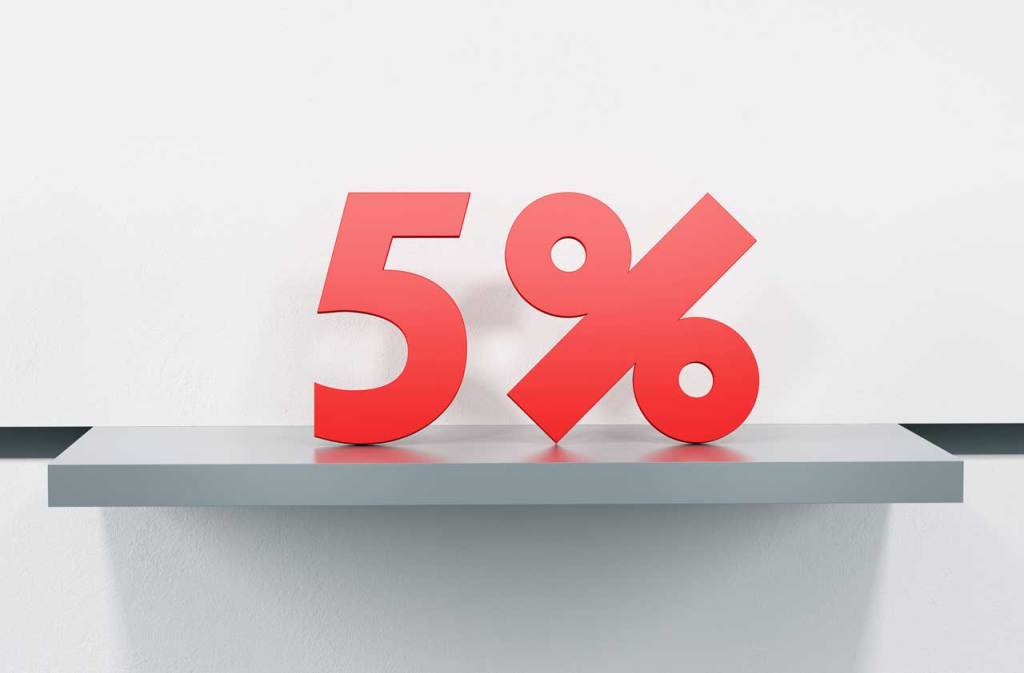
How Significant is Five Percent?

A seemingly small yet significant 5% of the new year has already slipped into the past. This milestone, while minor in appearance, raises an important question: Have we accomplished 5% of our goals for the year? In many cases, the answer is probably not. This observation brings to light the often-overlooked value of 5%, a starting point that can set the tone for the rest of the year.

Understanding the importance of this initial 5% is crucial. It might seem negligible, but in the grand scheme of things, this fraction is more than just a number; it’s a launching pad for the year’s aspirations. The value of 5% lies in its power to create momentum. When we make progress early on, even if it’s just a small fraction of our overall goal, it sets a positive precedent. This early progress can be incredibly motivating, providing a psychological boost that propels us forward.

Moreover, it’s essential to acknowledge the role of these 5% intervals in the context of long-term goals. Often, we set yearly objectives with the end result in mind, overlooking the journey that gets us there. By breaking down these goals into smaller segments, like 5% increments, we create manageable steps that make our objectives seem less daunting and more achievable. This approach also allows for regular assessment and adjustment, ensuring we stay on track.

Ignoring the significance of these early stages can lead to a common pitfall: procrastination. The mindset of putting off tasks until a larger percentage of the year has passed, like 10%, 20%, or even 30%, can be detrimental. This approach often results in a snowball effect, where the amount of effort and resources needed to catch up increases exponentially. The initial 5% might seem small, but missing this early window of opportunity can derail goals for the entire year if not addressed immediately.

So, how can we get back on track today? The key is to start with small, actionable steps. If you haven’t achieved 5% of your goal yet, break down what that 5% looks like and tackle it with immediate effect. It could be as simple as dedicating a set amount of time each day towards your goal, or completing a small task that contributes to the bigger picture.

Another effective strategy is to reevaluate and possibly recalibrate your goals. Sometimes, our initial ambitions can be overly optimistic or unrealistic. Adjusting these goals to be more attainable in the short term can help in regaining lost ground.

Additionally, establishing a routine can be incredibly beneficial. Consistency is key in achieving long-term goals. By creating a daily or weekly routine that incorporates steps towards your goals, you can ensure steady progress.

Of course, accountability plays a vital role. Whether it’s through a mentor, a peer group, or self-monitoring, having a system of accountability can increase your chances of staying on track. Regular check-ins on your progress can help in identifying areas where you’re lagging and prompt immediate action.

Keep in mind, that while the year’s first 5% might seem insignificant at first glance, it holds immense value in the journey towards achieving our goals. Recognizing this early stage as an important stepping stone, taking actionable steps to make up for lost time, and maintaining a consistent, accountable approach are key to ensuring that by the end of the year, we’re not just reflecting on what could have been, but celebrating what has been accomplished.

Make it a great day. Make it happen. Make it count!
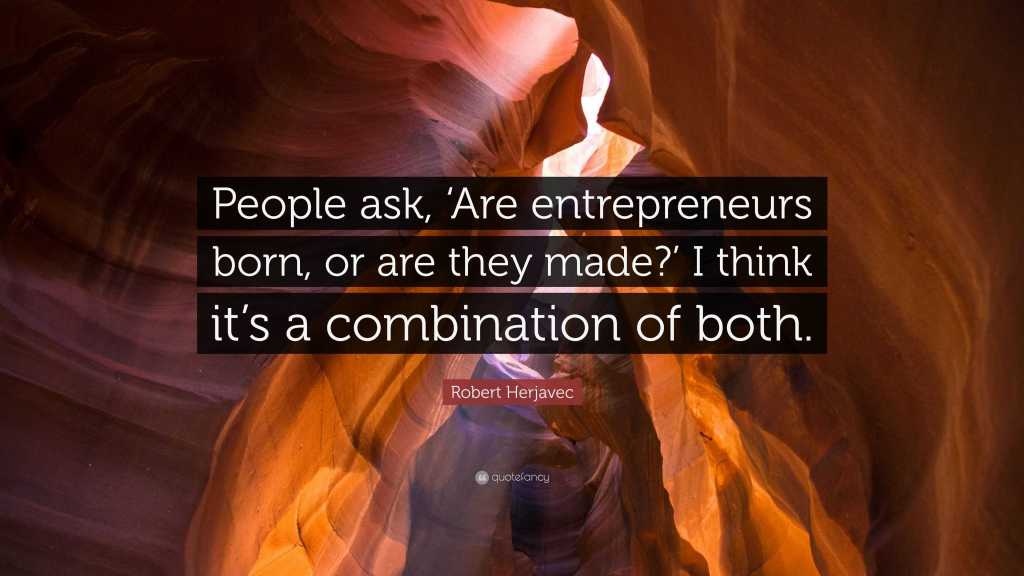
Is Entrepreneurship in Your DNA?

Often viewed as a path reserved for the fearless and visionary, entrepreneurship has long been a subject of debate: is it an innate ability, a trait embedded in one’s DNA, or is it a skill to be learned and honed over time? The answer lies in a complex interplay of both intrinsic qualities and learned skills. To discern whether entrepreneurship is your calling, it’s crucial to introspect and evaluate certain key aspects.

Consider your natural tendencies. Do you find yourself constantly brimming with ideas, looking at problems as opportunities for solutions? Entrepreneurs often have an intuitive knack for innovation and a restlessness for the status quo. This instinctive trait drives them to envision and create. They are naturally curious, always questioning and not satisfied with easy answers. If you find yourself constantly exploring new ideas and seeking out challenges, entrepreneurship might be in your blood.

Moreover, effective entrepreneurs often possess an innate resilience. The road of entrepreneurship is fraught with challenges and setbacks. Those who have a natural resilience can better withstand these hurdles. They possess a unique blend of optimism and realism that allows them to persist in the face of failure and learn from their mistakes. If you often find yourself undeterred by failure and capable of bouncing back stronger, this might be a sign that entrepreneurship aligns with your inherent traits.

However, it’s important to note that while certain entrepreneurial traits might be instinctive, many essential skills can be learned. Entrepreneurship also involves a set of technical skills like financial literacy, marketing, and strategic planning. These are not inherent and can be acquired through education and experience. If you have a passion for entrepreneurship but don’t feel you have all the necessary skills, it’s never too late to learn. Many successful entrepreneurs started without a full skill set but were willing to learn and adapt.

Additionally, success in entrepreneurship is often about timing and context. Understanding the market and identifying the right moment to launch a business is crucial. This sense of timing can be partly instinctive but is largely gained through experience and study. Knowing your industry and keeping abreast of trends is a learned skill critical to entrepreneurial success.

To determine if you should pursue entrepreneurship, assess your comfort with uncertainty and risk. Entrepreneurs often operate in environments of high uncertainty. If you thrive in such settings and are comfortable making decisions with incomplete information, this trait may indicate a natural inclination towards entrepreneurship.

Finally, consider your motivation. Are you driven by the desire to create, to lead, to innovate? Entrepreneurs are often fueled by a deep-seated passion that goes beyond the desire for financial success. This passion can be a mix of an inherent trait and a developed mindset.

In conclusion, while certain aspects of entrepreneurship may be instinctive, like resilience, innovative thinking, and comfort with uncertainty, other critical aspects, such as industry knowledge, business skills, and strategic planning, can be learned. To know if entrepreneurship is right for you, reflect on your natural tendencies, willingness to learn, and your underlying motivations. Remember, the path of entrepreneurship is as unique as the individual pursuing it, combining both innate qualities and acquired skills.

Make it a great day. Make it happen. Make it count!

What Drives My Passion About Entrepreneurship?

Entrepreneurship is more than just a career choice; it’s a way of life. This truth is what compels me to share content about entrepreneurship every day. The world of entrepreneurship is endlessly fascinating – it’s not just about starting a business; it’s about a mindset, a spirit, and a journey that can profoundly impact every facet of life. My dedication to sharing insights and experiences about this journey stems from a belief in the transformative power of entrepreneurship.

The entrepreneurial journey is unique for each individual, but common threads bind all entrepreneurs. This journey is not just about business strategies or financial success; it’s about the mindset and spirit that drive individuals to create and innovate. The mindset of an entrepreneur is rooted in resilience, creativity, and a relentless pursuit of goals. It’s about seeing opportunities where others see obstacles, about turning challenges into stepping stones for success. Sharing content about this mindset helps inspire and guide aspiring entrepreneurs, providing them with the mental tools they need to succeed.

Moreover, entrepreneurship is about the spirit. It’s about passion, motivation, and the inner drive that pushes individuals to go beyond their limits. This spirit is what makes entrepreneurs wake up every day ready to tackle the unknown. It’s what fuels long hours, constant learning, and the ability to bounce back from setbacks. By sharing stories and insights about this entrepreneurial spirit, I aim to ignite a similar passion in others. It’s about showing that with the right spirit, anyone can turn their vision into reality.

But entrepreneurship is not just about success stories; it’s also about the welfare of the entrepreneurs themselves. The entrepreneurial path can be a lonely and challenging one. Mental health, work-life balance, and personal wellbeing are often at risk in the high-stakes, high-pressure environment that entrepreneurs operate in. By sharing content on these aspects, I strive to bring attention to the importance of self-care and mental health in the entrepreneurial journey. It’s about creating a support system and a community where entrepreneurs can find guidance, support, and understanding.

In sharing content about entrepreneurship every day, I aim to cover all these aspects – the mindset, the spirit, and the welfare of entrepreneurs. This is because I believe in the power of entrepreneurship to change lives and make a positive impact on the world. Each piece of content is a part of a larger narrative that celebrates the journey of entrepreneurship, acknowledging its challenges and triumphs. It’s my way of contributing to a community that continues to inspire and amaze me every day.

Through my daily posts, I hope to inspire, educate, and support current and aspiring entrepreneurs. I want to show that while the entrepreneurial journey is challenging, it is also incredibly rewarding. My goal is to provide a comprehensive view of what it means to be an entrepreneur, from practical business advice to the more personal aspects of entrepreneurial life. In doing so, I hope to encourage more people to embark on this remarkable journey and discover the endless possibilities that entrepreneurship holds.

Entrepreneurship is more than a business venture; it’s a journey of self-discovery, growth, and impact. By sharing content on this fascinating and dynamic field, I seek to spread knowledge, inspiration, and support to the entrepreneurial community and beyond. This is why I am compelled to share content every day, focusing on all aspects of entrepreneurship, including the entrepreneur’s mindset, spirit, and welfare.

As is evident, my daily commitment to sharing content about entrepreneurship stems from a deep-seated belief in its transformative potential. It’s about more than just business; it’s about shaping minds, nurturing spirits, and ensuring the welfare of those brave enough to take the entrepreneurial leap. Through my content, I hope to play a part in fostering a world where entrepreneurship is understood, celebrated, and supported in all its facets. This is my mission, my passion, and my contribution to a field that has the power to change lives and reshape the future.

Make it a great day. Make it happen. Make it count!

The Entrepreneurial Journey: Believe, Begin, Become!

Becoming an entrepreneur is a journey often clouded by self-doubt, with many questioning their abilities, skillset, or financial capabilities. These doubts, however, are more often excuses than insurmountable barriers. True entrepreneurship isn’t about having a perfect starting point; it’s about the belief in one’s ability to succeed despite challenges.

The first step in this journey is understanding that entrepreneurship comes in various forms and levels. It’s not limited to launching a tech startup or opening a large-scale business. Entrepreneurship can begin with a small online store, a freelance service, or a local business. The scale and nature of the venture matter less than the act of starting it. This inclusivity in entrepreneurship means there’s always a starting point for everyone.

Overcoming doubts about abilities and skills starts with a shift in mindset. Instead of viewing these as static, see them as areas for growth. Skills can be learned and improved, and abilities can be honed with practice and experience. The key is to start with what you know and are passionate about, and then steadily build your skillset through continuous learning and experimentation. Every successful entrepreneur once started with a basic skill set and grew over time.

Financial capability is another common concern, but it’s important to remember that not all businesses require significant capital to start. Many successful businesses have been started with minimal investment, focusing instead on resourcefulness and creativity. The digital age has further lowered the barriers to entry, offering numerous platforms to start a business with little to no upfront cost. For larger ventures, there are options like crowdfunding, angel investors, or small business loans, but these are not prerequisites for entrepreneurship.

Perhaps the most critical aspect of becoming an entrepreneur is the belief in oneself. This self-belief acts as the foundation on which all other entrepreneurial qualities are built. It fuels perseverance, a crucial trait for navigating the inevitable challenges and failures that come with starting and running a business. Perseverance is what makes the difference between giving up at the first hurdle and pushing through to find solutions.

Commitment is another indispensable quality. Entrepreneurship is a long-term journey with ups and downs. A deep commitment to your vision and goals helps maintain focus and motivation, even when the path gets tough.

Lastly, being an entrepreneur requires a willingness to take risks. Stepping out of one’s comfort zone is where growth and innovation happen. Risk-taking, backed by careful planning and research, can lead to significant rewards.

At the end of the day, anyone can be an entrepreneur if they truly want it. It’s not about starting with a perfect set of skills, abundant resources, or a foolproof business idea. It’s about the willingness to start, the commitment to keep going, and the belief in oneself. Entrepreneurship is a journey of continuous learning, growth, and adaptation. It’s a path that is as unique as the individual who chooses to walk it. There’s always a place to start, and it begins with believing in yourself.

Make it a great day. Make it happen. Make it count!
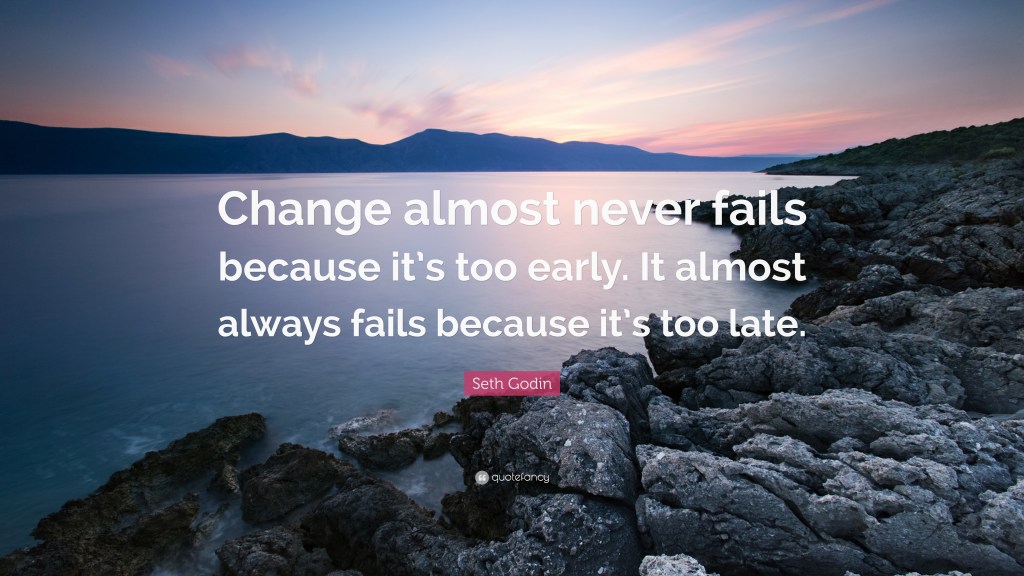
Evaluating Early Year Progress: When to Shift Gears

Two weeks into the new year, it’s a critical time to take stock of our progress and question if we are indeed on the right track towards a successful year. However, a common dilemma many entrepreneurs face is determining whether it’s too early to adjust or change course. This introspection leads us to an even more profound question: at what point is it appropriate to shift gears, re-evaluate plans, and, in more drastic situations, change our goals entirely?

Firstly, it’s important to understand that entrepreneurship is a dynamic journey, not a rigid path. The ability to adapt quickly is one of the key traits of successful entrepreneurs. Two weeks into the new year might seem too soon to make significant changes, but this period should be more about reflection than drastic actions. It’s the time to review the goals set for the year, analyze the initial steps taken towards these goals, and assess if they align with the overall vision of the enterprise. This early stage is more about fine-tuning the approach rather than overhauling strategies.

However, this doesn’t mean we should shy away from change if it’s clearly warranted. If the first two weeks have revealed major flaws in our plans or unexpected market changes, it might indeed be the right time to pivot. The key here is agility and responsiveness to the market and internal dynamics of our business. Entrepreneurs must be vigilant and sensitive to early signs that might suggest a need for a change in strategy.

When it comes to re-evaluating plans, there’s no universally right time. Some entrepreneurs prefer regular check-ins (monthly or quarterly), while others may adopt a more fluid approach, responding to changes as they arise. The important aspect is to have a consistent review mechanism that allows for timely assessment and adjustment.

As for changing goals, it’s often perceived as a sign of failure or lack of direction. However, in the entrepreneurial landscape, evolving goals can be a reflection of growth, learning, and adaptation to the market. The caveat here is that goal adjustment should be a strategic decision, not a reactionary one. It should come from a place of strength and insight, rather than fear or confusion.

In conclusion, two weeks into the new year is an ideal time for entrepreneurs to engage in introspection and a mild course correction if necessary. It’s not too soon to adjust, but such adjustments should be thoughtful and strategic. The right time to shift gears or change goals depends on individual circumstances, market dynamics, and the specific challenges and opportunities faced by the business. Flexibility, responsiveness, and strategic thinking are key to navigating the entrepreneurial journey successfully.

Make it a great day. Make it happen. Make it count!
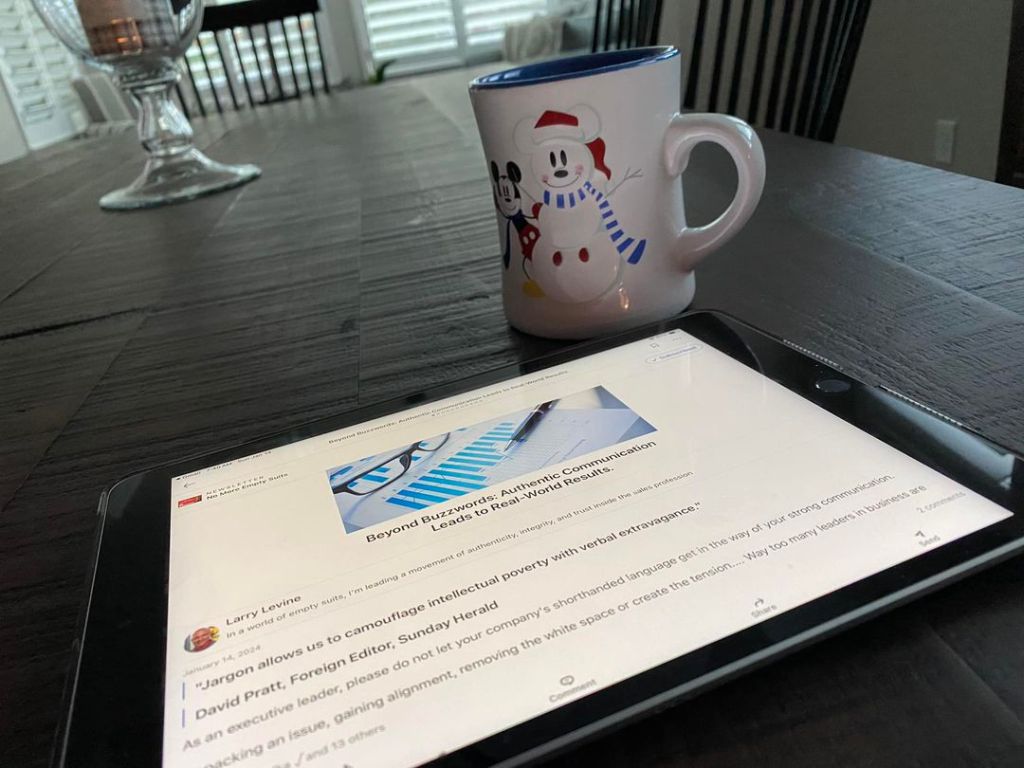
Awakening Entrepreneurial Creativity

As an entrepreneur, my weekend mornings are less about jarring alarm clocks and more about an eager anticipation that stirs me awake at 4 AM. It’s a time that’s exclusively mine, untouched by the demands of a hectic business schedule. This is when I immerse myself in my own sanctuary of knowledge and inspiration, fueled by my insatiable love for the written word.

My mornings begin with a ritual that has become as essential as breathing – catching up on my reading. My digital library is a treasure trove, overflowing with hundreds of subscriptions to blogs, e-publications, articles, and more. The topics? They are as diverse as the colors of dawn – from the nitty-gritty of entrepreneurship, small business insights, and the latest in technology, to the subtle nuances of mental health, the richness of history, and the ever-evolving generational trends.

As the first sips of coffee awaken my senses, my mind starts to play its own unique symphony. Classic and folk rock become the soundtrack of my thoughts – think The Rascals, The Eagles, Carole King, and Karen Carpenter. An eclectic mix, indeed. But then, without warning, it shifts to the electrifying beats of Led Zeppelin and Jefferson Airplane. This is my cue to grab my earbuds, hit play on my favorite playlist, and let my creativity soar.

Amidst the melodies, my thoughts begin to dance. Ideas come rushing in – unstructured, raw, and exhilarating. I jot down everything – phrases, words, notes – all punctuated with exclamation points and question marks. It’s a chaotic, beautiful process, a testament to the relentless energy of an entrepreneurial mind.

Sometimes, this burst of creativity finds me on my back patio, where the tranquility of a sunrise and the serenity of the greenbelt become my companions. Here, in this peaceful setting, my thoughts find their rhythm, their purpose.

There’s a common misconception about entrepreneurs – that our lives revolve solely around work. But here’s the truth: an entrepreneur’s mind never really stops, but it’s not always about work. We are often misunderstood, labeled as workaholics who desperately need work-life balance. Yes, I’ve advocated for this balance too, recognizing its importance. But what works for one may not work for another. It’s never a one-size-fits-all.

This week, I’ve decided to challenge myself further by adding “movement” (walking, stretching, exercise) to my morning routine. My daughter, Jennifer is my current inspiration as she has successfully embarked on a wonderful, personal journey of physical, mental, and spiritual well-being. Procrastination, my old foe, has kept me from it for far too long. But that’s a story for another day.

As entrepreneurs, we often ponder – is there a right or wrong way to kickstart the day? The answer is simple, yet profound. No. It’s deeply personal. What matters is finding what resonates with you, what ignites your passion, and what sets the stage for a fulfilling day ahead.

In the end, being an entrepreneur is about embracing your unique rhythm. It’s about understanding that success isn’t just a destination but a journey marked by personal choices, eclectic inspirations, and moments of unguarded creativity. It’s about doing you, for you, and discovering the boundless potential that each new day holds.

Make it a great day. Make it happen. Make it count!

The Role of Entrepreneurship in a World of Uncertainty

As we stand at the crossroads of progress and challenges, it’s crucial to examine the potential paths forward. Historically, at each end of the economic spectrum, whether it be a period of booming prosperity or one of crippling inflation and uncertainty, entrepreneurs have been the unsung heroes who often level the playing field, sometimes even taking things to a new level.

In the face of current global issues, it’s essential to ask: What does the future look like for America, and indeed, the world? This question isn’t just about predicting economic trends or geopolitical outcomes, but about understanding the role of human innovation and resilience in shaping our collective destiny.

John H. Adams, a renowned economist, remarks, “Entrepreneurs have historically been the catalysts for economic rejuvenation. Their innovation and risk-taking have been the undercurrents pushing economies out of stagnation.” This observation echoes through the corridors of history, where entrepreneurial ventures have often sparked significant advancements and economic recovery.

Reflecting on past economic cycles, another question emerges: Will the future follow the same path? History has shown us that in times of crisis, entrepreneurial spirits have not just survived but thrived, bringing forth new solutions, industries, and opportunities. The Great Recession of 2008 is a prime example where the aftermath saw a surge in startups and innovation, leading to economic recovery and job creation.

Sarah L. Turner, a historian specializing in economic trends, adds, “Entrepreneurs don’t just adapt to changes; they often create the waves that disrupt and redefine industries.” This perspective highlights the dynamic nature of entrepreneurial ventures in steering economic trends.

Given the current global scenario, it’s crucial to ask: Will entrepreneurs pull us out of a tailspin? The answer may not be straightforward. While entrepreneurs have the potential to inject innovation and optimism into the market, the challenges today are multifaceted, often requiring collaborative efforts between governments, private sectors, and individuals.

Looking at the broader societal impact, another pertinent question arises: Will entrepreneurial spirit create a surge even down to those holding jobs? The trickle-down effect of entrepreneurial success is a topic of much debate. While some argue that successful entrepreneurship leads to job creation and economic stability, others point out the need for equitable policies to ensure that the benefits reach all levels of society.

Finally, in a world where job security is increasingly precarious, we must consider: Is the entrepreneurial spirit necessary just to survive, with side hustles helping to close financial gaps? The gig economy and the rise of side hustles are indicative of a broader shift towards entrepreneurial mindsets, even among those with traditional jobs. This trend reflects a growing recognition of the need for multiple income streams and the pursuit of personal passions alongside traditional employment.

As we navigate these tumultuous times, the entrepreneurial spirit seems more relevant than ever. It’s not just about creating businesses; it’s about fostering innovation, resilience, and a forward-thinking mindset. Whether entrepreneurs will be the sole saviors in these challenging times is debatable, but their role in shaping a hopeful future is undeniable. As we ponder these questions, we must also commit to supporting and nurturing the entrepreneurial spirit in every possible way, for it might just be the key to unlocking a brighter, more stable future for all.

Make it a great day. Make it happen. Make it count!

Why a Quick Service Restaurant Franchise is Ideal for First-Time Entrepreneurs

Choosing a Quick Service Restaurant (QSR) franchise as a venture into entrepreneurship, even without prior foodservice experience, can be a strategic and potentially rewarding decision. This article explores the rationale behind this choice, supported by facts and expert insights, and presents key questions for aspiring entrepreneurs to consider.

Accessibility of the Franchise Model

Key Reason: Franchises, especially in the QSR sector, often provide comprehensive training programs and operational manuals. This structured guidance is crucial for those lacking foodservice experience.

Supporting Fact: According to the International Franchise Association, over 75% of franchise owners were new to the industry, indicating the accessibility of the franchise model for newcomers.

Brand Recognition and Customer Loyalty

Key Reason: Opting for a franchise means inheriting an established brand with a loyal customer base, which is a significant advantage in the competitive foodservice industry.

Supporting Quote: “A recognized brand is a powerful tool for attracting customers,” states a report by Franchise Business Review. This inherent brand equity can be pivotal for success.

Economies of Scale

Key Reason: Franchises benefit from economies of scale in purchasing and marketing, which can be challenging for independent restaurant owners to achieve.

Supporting Fact: The National Restaurant Association highlights that franchises often see reduced costs due to bulk purchasing and shared marketing resources, enhancing profitability.

Streamlined Operations

Key Reason: Franchises have tried-and-tested systems and processes, ensuring operational efficiency and reducing the trial-and-error phase for new entrepreneurs.

Supporting Quote: A franchise consultant remarks, “Franchises provide a proven system, which is invaluable for those without prior experience in the field.”

Risk Mitigation

Key Reason: Franchises generally have a lower failure rate compared to independent startups, making them a safer bet for new entrepreneurs.

Supporting Fact: A study by the U.S. Small Business Administration found that franchise businesses have a significantly higher five-year survival rate compared to independent startups.

Questions for Reflection:

  1. Assessing Personal Alignment: How well do my personal values and business goals align with the chosen franchise brand?
  2. Market Research and Viability: Have I conducted thorough market research to ensure the franchise fits well within my targeted location?
  3. Financial Preparedness: Am I financially prepared for the initial investment and have a clear understanding of the ongoing franchise fees and operational costs?

In conclusion, opting for a QSR franchise can be a wise decision for aspiring entrepreneurs without foodservice experience. The structured support system, brand recognition, operational efficiencies, and risk mitigation are compelling reasons to consider this path. However, it’s crucial to conduct thorough research and introspection before making a final decision.

Crossroads of Change: Choosing Between Entrepreneurship and Retirement


Embarking on a career change towards entrepreneurship or choosing to stay the course towards retirement presents a significant life decision. This choice is influenced by factors such as personality traits, financial stability, and the operational experience gained throughout one’s career. Both paths offer unique rewards and challenges, and the decision must be carefully weighed.

Personality Traits: A Key Indicator

Personality plays a crucial role in determining whether one is suited for entrepreneurship or better off continuing towards retirement. Key personality traits to consider include:

  • Risk Tolerance: Entrepreneurs often face higher risks compared to a stable job. Assessing your comfort with uncertainty and risk is essential.
  • Innovation and Adaptability: Entrepreneurship demands constant innovation and adaptability. If you thrive in dynamic environments and enjoy creative problem-solving, entrepreneurship might be a fit.
  • Resilience: The ability to bounce back from setbacks is critical for entrepreneurs. Reflect on how you handle failure and stress.

Financial Strength: The Backbone of Decision

Financial stability is another vital aspect. Consider the following:

  • Savings and Investments: Do you have enough savings to cushion the initial phase of a business venture without jeopardizing your retirement plans?
  • Potential Earnings vs. Retirement Benefits: Compare the potential earnings from a business with the benefits of continuing in your current job, including pension plans and healthcare.

Operational Experience: Leveraging Your Career

The skills and experience accumulated over a long career can be invaluable in entrepreneurship. Reflect on:

  • Transferable Skills: Identify skills from your career that are transferable to entrepreneurship, such as leadership, management, or industry-specific knowledge.
  • Networking and Relationships: Consider how your professional network can support your entrepreneurial venture.

Three Key Questions for Exploration

  1. Do my personality traits align more with entrepreneurial challenges or the stability of my current career path?Reflect on your risk tolerance, adaptability, and resilience. Do these traits align more with the uncertainties of entrepreneurship or the predictability of your current job?
  2. How will my financial position be affected in both scenarios?Assess your financial readiness for entrepreneurship. Can you afford the initial investment without compromising your retirement plans?
  3. Can my career experience and skills be effectively utilized in an entrepreneurial venture?Evaluate how your current skills and experience can be leveraged in a new business. Consider the relevance of your network and industry knowledge.

In conclusion, the decision to switch to entrepreneurship or continue towards retirement should be based on a thorough self-assessment of personality traits, financial readiness, and the ability to leverage career experience. It requires a balanced consideration of both the rewards and challenges inherent in each path.

The Future of Multi-Unit and Multi-Brand Franchise Opportunities: A New Era of Entrepreneurship

The landscape of franchise opportunities is rapidly evolving, with immigrant entrepreneurs at the forefront of this transformation. Traditionally dominated by foodservice, the franchise sector is witnessing a significant shift as these entrepreneurs diversify into non-food brands. The future of multi-unit and multi-brand franchising is poised for dynamic changes, propelled by a blend of financial acumen, robust banking relationships, and operational expertise.

Cash and Banking Relationships: The Twin Pillars of Franchise Growth

In the realm of franchising, cash has always been paramount. However, the role of well-established banking relationships is becoming equally vital. These relationships provide the financial backing necessary for ambitious expansions and acquisitions. As a result, savvy entrepreneurs with solid financial networks are increasingly able to leverage these assets to gain a competitive edge.

Experience and Location: The Strategic Advantage

Experience in franchise operations has emerged as a key factor in securing prime locations. Landlords and property owners are more inclined to favor established operators, recognizing the value of their proven track records. This trend gives experienced entrepreneurs an advantage in acquiring high-value locations, crucial for the success of any franchise.

Management and Infrastructure: The Engines of Scalability

Efficient management teams and robust administrative and operational infrastructures are the bedrock upon which successful franchise empires are built. These elements enable entrepreneurs to scale their operations more quickly and efficiently. The ability to manage multiple units and brands effectively allows for the closing of mega-deals in terms of the number of locations and the size of territories.

The Rise of Diversified Franchise Portfolios

The trend towards building diversified portfolios is particularly notable among immigrant entrepreneurs. Their ability to navigate different market dynamics and consumer preferences has led to the flourishing of multi-brand strategies, encompassing a variety of sectors beyond foodservice. This diversification not only mitigates risks but also maximizes growth opportunities.

Conclusion

The future of multi-unit and multi-brand franchising is being shaped by immigrant entrepreneurs who bring a mix of financial savvy, experience, and efficient operational frameworks. Their success in building diversified portfolios signals a new era in the franchising world. As these trends continue to evolve, we can expect a landscape where cash and banking relationships, experience, and effective management converge to redefine the standards of franchise success.

Note: Image is AI-generated