The world of entrepreneurship is filled with inspiring tales of individuals who turned their dreams into reality, defying odds and breaking barriers along the way. Among these success stories, Hispanic entrepreneurs have made significant contributions to various industries, showcasing their resilience, creativity, and determination. To shed light on their journeys and accomplishments, a growing number of books have been written about Hispanic entrepreneurs. In this article, we will explore some of these captivating reads that celebrate the triumphs and challenges faced by Hispanic business leaders.
“Latino Leaders Speak: Personal Stories of Struggle and Triumph” by Mickey Ibarra. Mickey Ibarra, a former White House staffer, has compiled a collection of interviews with prominent Hispanic leaders. This book provides a platform for influential entrepreneurs, including business magnates, politicians, and community activists, to share their personal stories. It offers readers a glimpse into the challenges they’ve faced and the lessons they’ve learned on their journeys to success.
“Latino Success: Insights from 100 of America’s Most Powerful Latino Business Professionals” by Augusto Failde and Andrew Hernandez. Augusto Failde and Andrew Hernandez’s book profiles 100 accomplished Hispanic professionals across various industries, highlighting their strategies for success. Readers can gain valuable insights into the unique paths these entrepreneurs have taken and learn from their experiences as they share their wisdom and guidance.
“The Tacos of Texas” by Mando Rayo and Jarod Neece. While not solely focused on entrepreneurship, “The Tacos of Texas” celebrates the culinary entrepreneurs who have made their mark on the food industry. This colorful book delves into the stories behind taco truck owners, restaurateurs, and other culinary creatives who have redefined Mexican cuisine in Texas, providing inspiration to aspiring food entrepreneurs.
“From the Barrio to the Board Room” by Robert Renteria. Robert Renteria’s memoir chronicles his journey from a troubled childhood in the barrios of East Los Angeles to becoming a successful entrepreneur and motivational speaker. This deeply personal account inspires readers with its message of hope, resilience, and the potential for transformation.
“Latino Outdoors: Sharing Stories of Hope, Success, and Wonder” by José G. González. While not strictly a book about entrepreneurship, “Latino Outdoors” explores the experiences of Hispanic leaders in the outdoor and environmental fields. It showcases the achievements of individuals who have blazed trails in areas often underrepresented by minorities, inspiring others to pursue their passions, whether in business or nature.
Conclusion
Books about Hispanic entrepreneurs offer readers a unique opportunity to delve into the captivating stories of individuals who have made a significant impact on their respective fields. These books not only celebrate the triumphs of Hispanic business leaders but also shed light on the challenges they’ve overcome, making them a source of inspiration for aspiring entrepreneurs from all backgrounds. By reading these stories, we can gain valuable insights, learn from their experiences, and be motivated to pursue our entrepreneurial dreams with renewed vigor and determination. The world of business is richer thanks to the contributions of Hispanic entrepreneurs, and their stories deserve to be shared and celebrated.
From the Author, Paul Segreto, CEO & Founder, Acceler8Success Group
If you’d like to chat about your entrepreneurial experiences, challenges, aspirations, or need guidance concerning your small business, restaurant, or franchise, don’t hesitate to contact me. You can email me at paul@acceler8success.com or reach me by phone or text at (832) 797–9851. I’m eager to connect with you.
Make it a great day. Make it happen. Make it count!
Hispanic entrepreneurs have long been an integral part of the American entrepreneurial landscape. While many associate Hispanic-owned businesses with restaurants and eateries, it’s important to recognize that these dynamic and innovative individuals are making significant contributions across various industries. From technology and healthcare to fashion and entertainment, Hispanic entrepreneurs are thriving, breaking barriers, and leaving their mark on the American business landscape.
Technology and Innovation
Hispanic entrepreneurs have been instrumental in the advancement of technology and innovation in the United States. Names like Elon Musk, born to a Canadian mother and a South African father, exemplify the diverse roots of tech pioneers. In addition to well-known figures, countless Hispanic tech entrepreneurs are making waves in Silicon Valley and beyond.
One notable example is Adriana Gascoigne, the founder and CEO of Girls in Tech, a global nonprofit dedicated to empowering and educating women in technology. Gascoigne’s work has not only opened doors for women in tech but has also inspired a new generation of Hispanic tech entrepreneurs to pursue their passions and drive innovation.
Healthcare and Biotechnology
Hispanic entrepreneurs are also making significant contributions to the healthcare and biotechnology sectors. Dr. Martín Blaser, an esteemed physician and researcher, is known for his groundbreaking work in microbiology and the human microbiome. His research has provided valuable insights into the role of microbes in human health and disease. Dr. Blaser’s work is a testament to the diversity of expertise within the Hispanic community.
In addition to medical research, Hispanic entrepreneurs are founding companies that are revolutionizing healthcare delivery and improving patient outcomes. These individuals are at the forefront of telemedicine, health tech startups, and medical research, showcasing their commitment to addressing critical healthcare challenges.
Fashion and Design
The world of fashion and design has been enriched by the creative talents of Hispanic entrepreneurs. Names like Oscar de la Renta, Carolina Herrera, and Narciso Rodriguez are well-known in the fashion industry for their innovative designs and contributions to the world of high fashion. These individuals have not only made their mark in fashion but have also paved the way for aspiring Hispanic designers to succeed.
Moreover, there is a new generation of Hispanic entrepreneurs in the fashion industry, using sustainable practices, technology, and innovative business models to disrupt traditional norms. Their fresh perspective and commitment to social and environmental responsibility are shaping the industry for the better.
Entertainment and Media
Hispanic entrepreneurs are making waves in the entertainment and media sectors as well. From actors like Salma Hayek and directors like Guillermo del Toro to media moguls like Nely Galán, Hispanic individuals are influencing storytelling, film production, and media ownership.
Furthermore, digital media platforms have allowed for the emergence of Hispanic content creators and entrepreneurs who are reaching global audiences. Their work is not only promoting cultural diversity but also challenging stereotypes and contributing to a more inclusive entertainment landscape.
Conclusion
While Hispanic entrepreneurs have undoubtedly made their mark in the restaurant industry, their influence extends far beyond dining establishments. From technology and healthcare to fashion and entertainment, Hispanic entrepreneurs are breaking barriers and shaping industries through innovation, creativity, and dedication.
It’s essential to celebrate and support these diverse entrepreneurs, as their contributions enrich the American business landscape, drive economic growth, and inspire future generations to pursue their entrepreneurial dreams across a wide range of fields. By recognizing their achievements and potential, we can foster a more inclusive and dynamic entrepreneurial ecosystem for everyone.
From the Author, Paul Segreto, CEO & Founder, Acceler8Success Group
If you’d like to chat about your entrepreneurial experiences, challenges, aspirations, or need guidance concerning your small business, restaurant, or franchise, don’t hesitate to contact me. You can email me at paul@acceler8success.com or reach me by phone or text at (832) 797–9851. I’m eager to connect with you.
Make it a great day. Make it happen. Make it count!
During National Hispanic Heritage Month, it is a time to celebrate the rich and diverse contributions of Hispanic Americans to our nation’s history, culture, and economy. Among the many remarkable achievements of the Hispanic community in the United States, the rise of Hispanic entrepreneurship stands out as a testament to resilience, innovation, and the enduring spirit of the Hispanic people. In this article, we will explore the growth of Hispanic entrepreneurship, examine the differences between male and female Hispanic entrepreneurs, and discuss the vital role of family involvement in this journey towards success.
The Growth of Hispanic Entrepreneurship
Over the past few decades, Hispanic entrepreneurship has experienced remarkable growth in the United States. According to the U.S. Hispanic Chamber of Commerce, there were over 4.4 million Hispanic-owned businesses in the country, contributing over $700 billion to the U.S. economy as of 2021. This represents a significant increase from previous years, showcasing the growing influence of Hispanic entrepreneurs across various industries.
One of the driving factors behind this growth is the entrepreneurial spirit deeply ingrained in Hispanic culture. Many Hispanics come from families with a long history of entrepreneurship, and this legacy is often passed down through the generations. Additionally, the Hispanic population continues to grow, making it an increasingly influential force in the American economy.
Differences Between Male and Female Hispanic Entrepreneurs
While Hispanic entrepreneurship is thriving overall, it’s important to recognize that there are differences between male and female Hispanic entrepreneurs. These disparities can be attributed to various factors, including cultural norms, access to resources, and societal expectations.
Access to Capital: Studies have shown that female Hispanic entrepreneurs often face more significant challenges in accessing capital compared to their male counterparts. This can hinder their ability to start or expand their businesses. Initiatives that support female Hispanic entrepreneurs in securing funding are essential to address this disparity.
Industry Representation: Female Hispanic entrepreneurs are more likely to be found in certain industries, such as retail, healthcare, and education, while male Hispanic entrepreneurs tend to dominate sectors like construction and manufacturing. Encouraging women to enter a broader range of industries and providing mentorship opportunities can help diversify entrepreneurship within the Hispanic community.
Family Roles: Cultural expectations around gender roles and family responsibilities can also impact the entrepreneurial journey. Female Hispanic entrepreneurs often juggle the demands of running a business with family obligations, requiring a strong support network to succeed.
The Importance of Family Involvement
One of the defining features of Hispanic entrepreneurship is the significant role of family. Many Hispanic entrepreneurs involve their family members in their businesses, creating a sense of unity and shared responsibility. Family support often extends beyond just emotional backing and can include financial contributions, labor, and business expertise.
This family-centric approach to entrepreneurship can provide a strong foundation for success. It fosters a sense of trust, loyalty, and shared goals within the family unit, which can be instrumental in overcoming the challenges that come with starting and running a business. Additionally, family involvement allows for the passing down of valuable skills, knowledge, and cultural traditions from one generation to the next.
Looking to the Future
As we continue to celebrate National Hispanic Heritage Month and reflect on the rise of Hispanic entrepreneurship, it’s clear that the future is bright. Hispanic entrepreneurs continue to make their mark in various industries, contributing to the economic growth and diversity of the United States. To ensure continued success, it’s essential to address gender disparities within the Hispanic entrepreneurial community and provide support and opportunities for female Hispanic entrepreneurs. Additionally, recognizing the importance of family involvement in this journey is vital for sustaining the legacy of Hispanic entrepreneurship for generations to come.
In conclusion, Hispanic entrepreneurship in the United States is a story of determination, innovation, and family values. It is a testament to the enduring impact of Hispanic Americans on our nation’s economy and culture. As we continue to celebrate, let us recognize the remarkable achievements of Hispanic entrepreneurs and work together to create a more inclusive and equitable entrepreneurial landscape for all members of the Hispanic community.
From the Author, Paul Segreto, CEO & Founder, Acceler8Success Group
If you’d like to chat about your entrepreneurial experiences, challenges, aspirations, or need guidance concerning your small business, restaurant, or franchise, don’t hesitate to contact me. You can email me at paul@acceler8success.com or reach me by phone or text at (832) 797–9851. I’m eager to connect with you.
Make it a great day. Make it happen. Make it count!
Entrepreneurship is often glamorized for its potential to bring immense success and prosperity. However, beneath the surface lies a stark reality – the journey of an entrepreneur is frequently riddled with failure. It’s a paradoxical journey, where the pursuit of success often involves a series of setbacks, challenges, and even failures. Yet, what sets entrepreneurs apart is their unyielding passion to start over despite adversity, even if it means repeating failures. What fuels this relentless spirit? What motivates them to take chances on new ventures when they’ve already tasted success? This article explores the psychology and motivations behind entrepreneurs’ resilience, their willingness to embrace failure, and the driving force that keeps them going.
The Pursuit of Passion
For many entrepreneurs, their journey begins with an unwavering passion for an idea, a product, or a cause. This passion serves as their compass, propelling them forward in the face of failure. It is this deep-rooted belief in their vision that allows them to dust themselves off after a setback and start anew. Whether their first venture succeeds or fails, this passion remains their constant companion, igniting the fire to try again.
Learning from Failure
Failure is often viewed as a stepping stone on the path to success for entrepreneurs. Each setback provides valuable lessons that shape their future endeavors. The ability to analyze what went wrong, adapt, and evolve is a hallmark of a resilient entrepreneur. Failure is not seen as a dead end but rather as a detour that ultimately leads to a better route towards their goals.
The Thrill of the Challenge
Entrepreneurs are wired to seek out challenges. They thrive in environments where uncertainty and risk are high because it fuels their drive and creativity. Starting a new venture is like embarking on an exhilarating adventure. Success, while sweet, can sometimes lead to complacency. Therefore, entrepreneurs often find themselves yearning for new challenges, pushing them to venture into uncharted territories even when their previous business is flourishing.
Innovation and Evolution
Entrepreneurs are not content with standing still. They understand that innovation and adaptation are essential for long-term success. Starting a new business, even when one is already successful, allows them to stay ahead of the curve. They strive to disrupt industries, push boundaries, and create something that transcends their previous achievements.
Fear of Complacency
Success can breed complacency, and entrepreneurs fear becoming stagnant. This fear is a powerful motivator to keep taking risks. They understand that resting on their laurels can lead to irrelevance in a rapidly changing world. The fear of losing their edge is often a stronger force than the fear of failure.
The Resilience Factor
Resilience is the bedrock of entrepreneurship. Entrepreneurs possess an innate ability to bounce back from adversity. Doubt may creep in, and there may be moments of frustration, but the sheer will to succeed keeps them going. Failure doesn’t break their spirit; it forges it. This resilience often becomes a self-fulfilling prophecy, as their ability to persevere ultimately leads to success.
Impact and Legacy
Entrepreneurs are driven by a desire to make a lasting impact on the world. Beyond financial success, they seek to leave a legacy that inspires others. This desire to create something enduring often propels them to take on new challenges, even when they have already achieved success in their initial venture.
Conclusion
The journey of an entrepreneur is a rollercoaster ride marked by failures, successes, and everything in between. What keeps them going is a complex interplay of passion, resilience, the pursuit of innovation, and an unyielding desire to make a difference. Entrepreneurs understand that failure is not a dead end, but a detour on the road to success. They are driven by a hunger for challenges and the fear of complacency, constantly pushing the boundaries of what they can achieve. Ultimately, it is their ability to rise above failure, learn from it, and emerge stronger that defines their indomitable spirit. It is this spirit that continues to inspire and shape the world of entrepreneurship.
From the Author, Paul Segreto, CEO & Founder, Acceler8Success Group
If you’d like to chat about your entrepreneurial experiences, challenges, aspirations, or need guidance concerning your small business, restaurant, or franchise, don’t hesitate to contact me. You can email me at paul@acceler8success.com or reach me by phone or text at (832) 797–9851. I’m eager to connect with you.
Make it a great day. Make it happen. Make it count!
Aging and mortality are two aspects of life that every individual faces. Yet, for entrepreneurs – who have often lived lives defined by setting and achieving ambitious goals – these looming aspects of existence bring with them a unique set of challenges and reflections.
The Measure of Success
How does an entrepreneur measure a lifetime of achievements? For many, success is determined by the projects they’ve completed, the companies they’ve founded, and the wealth they’ve accumulated. But as age sets in, the metric of success starts to shift. The things that were once seen as benchmarks for accomplishment are now weighed against the backdrop of time’s finite nature.
Could More Have Been Achieved?
There is always the haunting question: “Could I have done more?” Even for the most accomplished entrepreneurs, there will be dreams and ideas that were never realized. The potential product that could have revolutionized an industry, or the project that got shelved due to unforeseen circumstances. The ‘what ifs’ can be daunting.
The entrepreneur, now with a wealth of experience behind them, may also reflect upon their youth and wonder if they could have reached greater heights had they started sooner. There’s a certain irony in realizing that the wisdom gained with age would have been invaluable in one’s younger years.
Unpursued Ideas and Procrastination
Procrastination is a familiar enemy for many, and entrepreneurs are no exception. Even with a strong belief in a project, the act of initiating or following through can sometimes be the hardest part. The reasons for this can be manifold: fear of failure, a perception that the timing isn’t right, or simply being overwhelmed by the enormity of the task.
As one faces the reality of aging, the weight of these procrastinated projects grows heavier. The ticking clock makes the entrepreneur question why they delayed when they genuinely believed in the idea.
The Role of Doubt
Doubt, for many entrepreneurs, is a double-edged sword. On one hand, it can be a powerful motivator, pushing the individual to refine their ideas and ensure their ventures are robust. On the other hand, it can also be paralyzing, leading to second-guessing and stalling.
As the years roll by, the battles with doubt become stories of their own. Some entrepreneurs may find peace, knowing that their caution served them well. For others, they might see missed opportunities where they let uncertainty hold them back.
In Reflection
As the entrepreneur faces the reality of aging and mortality, there is an inevitable reckoning with the journey taken. The path is often filled with a mixture of pride, regret, acceptance, and a deep understanding of one’s own limitations and potential.
Ultimately, the entrepreneurial journey is a deeply personal one, with each individual finding their own measures of success and fulfillment. While the specter of ‘what could have been’ is always present, many find solace in the impacts they’ve made, the innovations they’ve brought to life, and the legacy they leave behind.
From the Author, Paul Segreto, CEO & Founder, Acceler8Success Group
If you’d like to chat about your entrepreneurial experiences, challenges, aspirations, or need guidance concerning your small business, restaurant, or franchise, don’t hesitate to contact me. You can email me at paul@acceler8success.com or reach me by phone or text at (832) 797–9851. I’m eager to connect with you.
Make it a great day. Make it happen. Make it count!
For the passionate entrepreneur, their business represents more than just a venture—it’s a legacy. To ensure that this legacy is preserved and thrives, it’s crucial for entrepreneurs to develop a comprehensive succession plan that addresses legal, financial, and visionary aspects of the transition. Let’s explore the intricate dance of succession planning and the importance of preparing for both planned and unplanned transitions.
1. The Legal Landscape of Succession:
Will and Testament: At the basic level, every entrepreneur should have a will that outlines who will inherit the business. Without one, the state might decide how the entrepreneur’s assets—including the business—are distributed.
Buy-Sell Agreements: These are contractual arrangements between business partners outlining what happens to an owner’s share if they depart (due to death, disability, or voluntary exit). It can stipulate who can buy the shares, and at what price, thus ensuring control over who gets involved in the business.
Power of Attorney: This document can designate someone to make decisions for the business if the entrepreneur is incapacitated.
2. Financial Facets of Transition:
Valuation: An accurate business valuation is vital. This ensures that heirs receive fair compensation, and potential buyers or partners understand the company’s worth.
Funding the Transition: Life insurance policies can be an effective way to fund a buy-sell agreement or provide liquidity for estate taxes, ensuring that the business isn’t forcibly sold off to cover expenses.
Tax Considerations: Entrepreneurs should work with financial advisors to optimize tax implications during transition, such as capital gains tax or potential estate taxes.
3. Visionary and Operational Transitioning:
Documentation: Vital to any smooth transition is having operations, processes, and company knowledge documented. This ensures the successor isn’t left trying to decode the intricacies of the business from scratch.
Training and Mentorship: Before any transition, the chosen successor should spend time with the entrepreneur, understanding the company’s vision, culture, and strategic direction. This phase helps in bridging gaps and preventing culture shocks.
4. The Unplanned vs. Planned Transition:
While entrepreneurs might have a timeline for handing over the reins, life’s unpredictability means they must also prepare for sudden and tragic events.
Emergency Preparedness: In the event of a sudden tragedy, an emergency plan dictates immediate steps, like who takes charge of operations, how to communicate with stakeholders, and how to access vital business information.
Planned Transitioning: This is a more gradual process, allowing for mentorship, training, and slow relinquishing of responsibilities to the successor. It provides time for corrections, feedback, and adjustments.
5. Mutual Familiarity: The Linchpin of Succession
For the continuation of a business’s legacy, it’s not just about the successor understanding the business, but also about the business—its staff, stakeholders, and culture—knowing the successor.
Building Relationships: Long before the transition, successors should cultivate relationships with key employees, suppliers, clients, and other stakeholders. Their trust and confidence can dictate the success of the transition.
Maintaining Continuity: With mutual familiarity, there’s minimal disruption to the company’s operations, ensuring continuity of service and product delivery.
In conclusion, while it’s natural for entrepreneurs to focus on the growth and day-to-day operations of their businesses, neglecting succession planning can jeopardize the very legacy they strive to build. Through a structured, holistic approach to succession—incorporating legal, financial, and visionary considerations—entrepreneurs can rest easy knowing that their life’s work is in safe hands.
From the Author, Paul Segreto, CEO & Founder, Acceler8Success Group
To share and discuss your entrepreneurial goals or setbacks, or if you need assistance with goals or plans relating to your small business, restaurant, and / or franchise, please feel free to reach out to me at paul@acceler8success.com, or by phone or text to (832) 797–9851. I look forward to hearing from you.
Make it a great day. Make it happen. Make it count!
In the relentless pursuit of success, the modern entrepreneur often embodies the quintessence of resilience, innovation, and vision. But beneath the robust facade lies a troubling confluence of traits and tendencies, that can foster a fertile ground for addictive behaviors such as drug use, alcoholism, gambling, sex, overeating, and obsessive work habits. This underlying vulnerability, often aggravated by the loneliness that accompanies the entrepreneurial journey, draws eerie parallels with the alpha personality, a characteristic quite common among business leaders. Here we unravel the intricate link between entrepreneurship and addictive behaviors, examining how the willingness or sometimes, the lack of caution towards taking risks creates a cycle akin to the perilous path of addiction.
The Alpha Personality: A Double-Edged Sword
Entrepreneurs often exhibit what is colloquially known as an “alpha personality”. These individuals are typically confident, assertive, and naturally inclined towards leadership. While these traits are undeniably instrumental in scaling the ladders of success, they can equally act as a catalyst for addictive behaviors. The alpha individual, constantly seeking stimulation and challenges, may find solace in high-risk activities that provide a rush, akin to the one experienced in the business arena.
Similarly, addictive substances or activities can offer a temporary refuge from the pressures of leadership, offering a euphoric escape that mirrors the highs of entrepreneurial victories. Yet, as the line between moderation and excess blurs, these very traits can propel an entrepreneur down a slippery slope towards addiction.
Loneliness of Entrepreneurship: A Breeding Ground for Addiction
Entrepreneurship is often a solitary journey, fraught with isolation and loneliness. In the midst of building an empire, personal relationships may suffer, fostering a vacuum that is frequently filled with unhealthy coping mechanisms. The stress of nurturing a fledgling business, combined with the lack of a supportive social circle, can escalate the propensity for addictive behaviors.
Loneliness, compounded with the inherent desire to be the best, can create a fertile ground for seeking solace in substances or activities that promise momentary pleasure and relaxation. However, the temporary relief often comes at a steep price, gradually morphing into a dependency that echoes the chronic cycle of addiction.
Risk-Taking: The Common Thread between Entrepreneurship and Addiction
At the heart of entrepreneurship lies an inherent affinity for taking risks. This penchant for venturing into the unknown often underpins the exhilarating journey of building something from scratch. However, the same readiness or indifference towards embracing risks can pave the way for addictive behaviors. The thrill associated with gambling, the escape offered by drugs or alcohol, or the transient satisfaction derived from compulsive work or sex, are, in essence, different facets of risk-taking.
Much like a business venture, these pursuits promise rewards, albeit at the risk of potentially devastating consequences. The entrepreneur, already attuned to a high-risk environment, may inadvertently fall prey to the addictive cycle, as the boundaries between professional and personal risks become increasingly blurred.
Breaking the Cycle: A Call for Awareness and Intervention
To prevent this alarming trajectory, it is imperative to foster an environment that encourages awareness and timely intervention. Entrepreneurs, stakeholders, and support networks need to recognize the signs of emerging addictive behaviors early on. Initiatives aimed at promoting mental health, fostering community connections, and encouraging balanced lifestyles can act as buffers, breaking the cycle before it spirals into an irreversible path.
Additionally, entrepreneurs themselves need to cultivate self-awareness, recognizing when their risk-taking tendencies are crossing the threshold into the realm of addiction. By embracing vulnerability and seeking help when necessary, they can prevent a descent into a vicious cycle that threatens to undermine both their personal and professional lives.
Conclusion
In conclusion, the entrepreneurial journey, while rewarding, harbors the potential for fostering addictive behaviors, propelled by traits such as an alpha personality and an inherent willingness to take risks. Coupled with the loneliness that often accompanies this journey, there exists a perilous intersection where entrepreneurship meets addiction. By acknowledging this dark underbelly of entrepreneurship and initiating proactive measures to break the cycle, we can safeguard the mental and emotional well-being of our business leaders, steering them towards a path of sustainable success and fulfillment.
From the Author, Paul Segreto, CEO & Founder, Acceler8Success Group
To share and discuss your entrepreneurial goals or setbacks, or if you need assistance with goals or plans relating to your small business, restaurant, and / or franchise, please feel free to reach out to me at paul@acceler8success.com, or by phone or text to (832) 797–9851. I look forward to hearing from you.
Make it a great day. Make it happen. Make it count!
For Hispanic entrepreneurs, embracing personal branding is not just an essential business strategy, but also a means to transcend additional challenges often faced by minorities in the business landscape. By harnessing the power of personal branding, Hispanic entrepreneurs can craft an influential and authentic identity, helping to build trust and connection in their niche market. In this article, we will explore why personal branding is paramount, how it can be attained, and how it can catalyze success for Hispanic entrepreneurs.
A Beacon of Authenticity and Trust
In a society where representation matters more than ever, personal branding stands as a beacon of authenticity and trust. For Hispanic entrepreneurs, personal branding is a chance to showcase their unique perspective, heritage, and values to the world. In doing so, they can foster a deeper connection with their audience, encouraging loyalty and advocacy.
Bridging Gaps and Fostering Representation
The Hispanic community is noted for its rich diversity, vibrant cultures, and a long history of resilience and innovation. Personal branding allows Hispanic entrepreneurs to portray their stories, bridging gaps, and fostering representation in industries where minorities might be underrepresented. This not only aids in establishing a competitive edge but also plays a vital role in encouraging the next generation of Hispanic entrepreneurs.
How to Achieve Personal Branding: A Guided Approach
1. Identifying Unique Values and Skills
The first step towards personal branding is introspection. Hispanic entrepreneurs should delve deep to identify their unique values, skills, and strengths that set them apart from competitors. Highlighting these aspects will help in creating a brand that resonates with authenticity.
2. Storytelling
Harness the power of storytelling. Sharing personal narratives, success stories, or the influences of Hispanic heritage can create a powerful connection with the audience. The goal is to craft a narrative that is both personal and universal, reflecting the journey and aspirations of the wider Hispanic community.
3. Leveraging Social Media
Social media platforms are potent tools for building and nurturing a personal brand. Through consistent and engaging content, Hispanic entrepreneurs can reach a broader audience, forge partnerships, and establish themselves as thought leaders in their respective fields.
4. Networking and Mentorship
Building a network and seeking mentorship can accelerate personal brand growth. Networking provides opportunities for collaboration, while mentorship can offer valuable insights and guidance to navigate the business landscape more effectively.
5. Continuous Learning
To maintain and grow a personal brand, it is essential to embrace continuous learning. Keeping abreast of industry trends, honing skills, and adapting to the changing market dynamics are vital for sustaining a successful personal brand.
Accelerating Success: The Personal Brand Advantage
Personal branding can act as a catalyst for success, providing a platform to highlight the innovation, dedication, and expertise of Hispanic entrepreneurs. It can pave the way for increased visibility, business opportunities, and a more significant impact in their respective sectors. Moreover, it can be an instrumental tool in combating stereotypes and prejudices, showcasing the multifaceted and vibrant contributions of the Hispanic community to the business world.
In conclusion, personal branding emerges as a vital tool in the arsenal of Hispanic entrepreneurs, fostering a path laden with opportunities and growth. Through authentic representation and strategic branding efforts, Hispanic entrepreneurs can not only thrive in the business ecosystem but also be a beacon of inspiration and a testament to the rich tapestry of talent, innovation, and resilience that the community embodies.
Make it a great day. Make it happen. Make it count!
Acceler8Success America
Aligned with all aspects of Acceler8Success is a select team of highly experienced multi-lingual franchise & business development professionals whose primary focus is specific to Spanish, Portuguese & French speaking clientele as well as assisting with other non-English speaking clientele.
Under the leadership of Erik Premont, president of Acceler8Success Group, these professionals work directly with entrepreneurs and investment groups conducting business within international markets in exploring development opportunities and acquisitions within the United States.
They also provide assistance & guidance in introducing international brands to American franchising, either as a proven franchise brand prepared for growth or as a business model prime for launch as an emerging franchise brand.
For more information about Acceler8Success America, please reach out to Erik Premont on LinkedIn or by email to erik@acceler8success.com.
The United States, a melting pot of cultures, exhibits a rich tapestry of culinary influences woven by various communities that have made the nation their home. Among these communities, the Hispanic population has notably imprinted a lasting mark on the American food scene, a phenomenon deeply reflected from bustling food trucks to the sophistication of fine dining establishments. This article outlines the substantial impact of Hispanic culture on the restaurant industry, painting a vibrant culinary picture that spans regions such as Texas, Southwest including New Mexico, Arizona, and California, Utah and Colorado in the Rockies, across the Midwest, and deep in the Sunshine State of Florida.
A Taste Journey Across America
Texas
In Texas, the Hispanic influence on the food industry is perhaps best encapsulated in the Tex-Mex cuisine, a robust blend of Mexican and Anglo fare. Often characterized by its generous use of cheese, meat, and spices, Tex-Mex found its place in food trucks and quick-service restaurants (QSRs). In the fast-casual scene, eateries offering Mexican staples such as tacos, burritos, and nachos have proliferated, bringing authentic tastes and inventive spins to the Texan palate. The barbacoa and the fajita are examples of dishes that have transcended beyond ethnicity, becoming staples in Texan cuisine.
New Mexico
Further west, in New Mexico, Hispanic influence permeates through New Mexican cuisine, a fusion of Pueblo Native American flavors with Spanish and Mexican touches. Known for its fervent use of chilies, both green and red, this culinary tradition manifests predominantly in fast-casual and full-service dining establishments. Innovations in fusion cuisine here have brought forward dishes like green chili stew and blue corn enchiladas, leaving a significant mark on the culinary ethos of the region.
Arizona
Arizona showcases a blend of Mexican culinary traditions with American tastes. Apart from traditional Mexican fare, Arizona has seen the rise of Sonoran cuisine, characterized by the use of wheat flour and beef. Restaurants and food trucks serving tacos with freshly made tortillas, tamales, and chimichangas (a deep-fried burrito) are a common sight, allowing locals and tourists to immerse themselves in a gastronomic experience that is both authentic and innovatively Hispanic.
California
In California, the story of Hispanic influence is written across a vast canvas of eateries, from food trucks offering quick bites to fine dining establishments presenting gourmet experiences. The state is a playground for fusion cuisine, with Hispanic flavors intertwining with Asian, Mediterranean, and even Californian farm-to-table concepts. From the ubiquitous taco trucks to high-end restaurants offering gourmet Mexican cuisine, the Golden State embodies a culinary spirit that is continually enriched by its Hispanic community.
Utah
In Utah, the Hispanic food scene is greatly influenced by the state’s significant Mexican community. The cuisine often includes staples such as burritos, tacos, tamales, and enchiladas, often found in both street food settings and restaurants. You can find a variety of Mexican eateries, ranging from family-run establishments to food trucks offering authentic Mexican dishes. Over time, this region has embraced a fusion where Mexican cuisine meets American, giving birth to new gastronomic experiences. In larger cities like Salt Lake City, the range of Hispanic cuisines has expanded to include offerings from other Latin American countries as well.
Colorado
The Hispanic food scene in Colorado is rich and diverse, with a heavy influence from Mexican cuisine, given its proximity to the Mexican border. This region is known for its unique Colorado-style Mexican food, which often incorporates green chiles, a prominent ingredient in many local dishes. Pueblo chiles, a type of green chile native to the state, are featured in numerous dishes. You might find regional specialties such as green chile stew and “Colorado Burritos” filled with green chile seasoned meats. The culinary scene is also enriched by other Latin American cuisines, offering a wider array of flavors and dishes.
Midwest
In the Midwest, Hispanic food has become increasingly popular and integrated into the broader food culture. The region hosts a melting pot of Hispanic cuisines including Mexican, Puerto Rican, and Cuban influences, among others. In larger cities like Chicago, one might encounter a diverse range of Hispanic cuisines from upscale restaurants to food trucks. Mexican cuisine tends to dominate, with a wide range of offerings including tacos, tamales, and mole dishes. However, due to the diverse Hispanic community in the region, it’s not uncommon to find Puerto Rican dishes like mofongo or Peruvian dishes like ceviche making a mark in the culinary scene.
Florida
Florida, particularly in areas like Miami, has a rich and vibrant Hispanic food scene heavily influenced by Cuban, Puerto Rican, and Dominican cuisines, amongst others. Cuban cuisine, known for dishes like ropa vieja, picadillo, and moros y cristianos, is particularly prominent, owing to a significant Cuban-American population. Additionally, you’ll find a strong presence of Colombian, Venezuelan, and other Latin American cuisines, offering a rich diversity of flavors and dishes. Miami’s Little Havana is a notable hub for Hispanic food, where one can find a plethora of restaurants serving traditional and fusion dishes, along with bakeries offering Hispanic pastries and sweets.
Redefining Fine Dining and Fusion Cuisine
The impact of Hispanic culture is not confined to casual dining alone; it stretches to the fine dining realm as well, offering gourmet experiences that marry tradition with modernity. In the fine dining sector, chefs of Hispanic descent are increasingly making their mark, crafting menus that offer a nod to traditional flavors while embracing contemporary culinary techniques. Restaurants are experimenting with upscale versions of traditional dishes, with a focus on premium ingredients and artistic presentation.
Moreover, fusion cuisine has witnessed a surge in popularity, with chefs combining Hispanic elements with flavors from around the world, creating culinary masterpieces that defy boundaries. Whether it is the incorporation of Mexican spices into Asian dishes or the fusion of Latin American flavors with Mediterranean touches, the face of fusion cuisine is continuously evolving, marked by creativity and an unapologetic love for flavors.
Conclusion
The Hispanic influence on the restaurant industry in the United States is a testimony to the community’s rich culinary heritage and the inherent versatility and adaptability of Hispanic cuisine. From the vibrant food trucks to the sophisticated fine dining establishments, the Hispanic community has enriched the American culinary landscape with flavors that are bold, vibrant, and unequivocally authentic. As the nation continues to embrace this culinary diversity, one can anticipate a future where Hispanic cuisine occupies a place of pride, representing a vital thread in the rich tapestry of American food culture.
Make it a great day. Make it happen. Make it count!
Acceler8Success America
Aligned with all aspects of Acceler8Success is a select team of highly experienced multi-lingual franchise & business development professionals whose primary focus is specific to Spanish, Portuguese & French speaking clientele as well as assisting with other non-English speaking clientele.
Under the leadership of Erik Premont, president of Acceler8Success Group, these professionals work directly with entrepreneurs and investment groups conducting business within international markets in exploring development opportunities and acquisitions within the United States.
They also provide assistance & guidance in introducing international brands to American franchising, either as a proven franchise brand prepared for growth or as a business model prime for launch as an emerging franchise brand.
For more information about Acceler8Success America, please reach out to Erik Premont on LinkedIn or by email to erik@acceler8success.com.
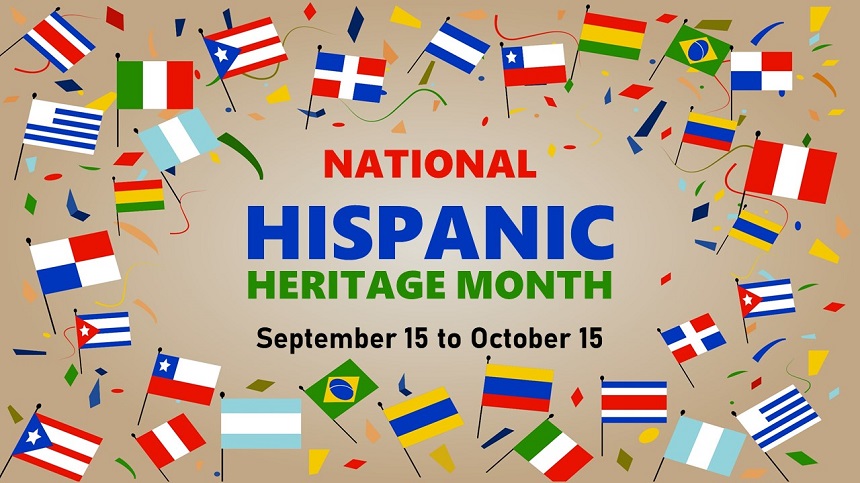
In the heart of autumn, as the leaves commence their annual transition from green to gold, the United States blossoms with vibrant hues of red, white, and green, celebrating Hispanic Heritage Month. Spanning from September 15 to October 15, this month is a tribute to the cultures and contributions of Hispanic and Latino Americans who have been integral in weaving the rich tapestry that is America. One area where the impact of Hispanics is profoundly felt is in the realm of entrepreneurship. The indomitable spirit of Hispanic entrepreneurs has not only fueled economic growth but has also brought a mosaic of diverse cultures and innovations to the fore.
A Flourishing Business Landscape
In recent years, the entrepreneurial endeavors of the Hispanic community in the USA have seen a remarkable surge. According to a report by the Stanford Graduate School of Business, as of 2017, there were over 5 million Hispanic-owned businesses in the country, a number that has presumably grown since. These enterprises span across various industries including technology, healthcare, marketing, and food services, painting a vibrant picture of the business landscape where Hispanics are playing a pivotal role.
Trailblazers in the Entrepreneurial World
The entrepreneurial journey is often spearheaded by visionaries who pave the way for others to follow. Hispanic entrepreneurs have indeed carved out a significant portion of the American market. Prominent figures such as Marcelo Claure, CEO of SoftBank Group International, and Nina Vaca, the Chairman and CEO of Pinnacle Group, stand as testament to the triumph and tenacity that characterizes the Hispanic business world. Their success stories, among many others, continue to inspire a new generation of aspiring entrepreneurs.
“Have passion and pride to be dynamic, distinguished, and extraordinary.” – Mirna Lopez Freitag
Innovation and Resilience: A Hispanic Trademark
The story of Hispanic entrepreneurship is also one of innovation and resilience. In the face of challenges, Hispanic business owners have continually adapted, finding new avenues to thrive. From utilizing technology to offering unique solutions to contemporary problems, their contribution to innovation is undeniable. Moreover, Hispanic entrepreneurs are noted for their communal approach, often seeking to uplift their communities alongside their business ventures.
Economic Empowerment and Community Building
Hispanic-owned businesses have had a substantial impact on the American economy, contributing hundreds of billions to the nation’s GDP annually. Furthermore, these businesses have become hubs for community engagement and networking. Through various entrepreneurial ventures, Hispanic business owners have created countless jobs, fostering economic empowerment and social upliftment within their communities.
Nearly one in four new businesses is Hispanic-owned.
The nearly 5 million Hispanic-owned businesses in the United States contribute more than $800 billion to the American economy annually.
There are over 375,000 Hispanic-owned, employer businesses located across all 50 states and the District of Columbia. These enterprises employ at least one employee other than the owner.
Hispanic employer businesses employ about 1 million workers, with more than $100 billion in annual payroll. The number of Hispanic-owned businesses that employ at least one employee other than the owner increased by 14% between 2012 and 2017 — more than twice as fast as the national average.
In the decade preceding the pandemic, the number of Hispanic business owners increased 34% compared to an increase of just 1% among non-Hispanic business owners.
A Vision for the Future
As we navigate the complexities of the modern world, the role of Hispanic entrepreneurs is expected to become even more significant. Initiatives to foster education and entrepreneurial skills among Hispanic youth are already underway, promising a future where the Hispanic business footprint will grow even larger.
In celebration of Hispanic Heritage Month, it is vital to recognize not just the historical contributions of the Hispanic community but also their ongoing efforts in building a prosperous and inclusive America. The spirit of entrepreneurship within this community represents the very essence of the American dream – a testament to the boundless possibilities that await those who pursue their visions with courage and determination.
Conclusion
Hispanic Heritage Month serves as a reminder of the vibrant and diverse contributions of the Hispanic community to the USA, particularly in the realm of entrepreneurship. As we honor the rich history and culture that this community brings to the fore, let us also anticipate a future replete with innovation, growth, and prosperity, driven by the entrepreneurial spirit that seems to be woven into the very fabric of Hispanic heritage. This month, let us celebrate not only the heritage but the promise and potential that Hispanic entrepreneurs bring to the American economy and society.
Make it a great day. Make it happen. Make it count!
Acceler8Success America
Aligned with all aspects of Acceler8Success is a select team of highly experienced multi-lingual franchise & business development professionals whose primary focus is specific to Spanish, Portuguese & French speaking clientele as well as assisting with other non-English speaking clientele.
Under the leadership of Erik Premont, president of Acceler8Success Group, these professionals work directly with entrepreneurs and investment groups conducting business within international markets in exploring development opportunities and acquisitions within the United States.
They also provide assistance & guidance in introducing international brands to American franchising, either as a proven franchise brand prepared for growth or as a business model prime for launch as an emerging franchise brand.
For more information about Acceler8Success America, please reach out to Erik Premont on LinkedIn or by email to erik@acceler8success.com.










You must be logged in to post a comment.