Navigating the Path from Corporate Executive to Entrepreneur

Switching from a steady executive role to venturing into entrepreneurship comes with its unique set of trials and victories. It necessitates unwavering commitment and laborious efforts, but the returns, for those driven by determination and ambition, are well worth the investment of resources and time. Despite the core differences between the two roles – one emphasizing systems and workflows, and the other leaning towards risk-taking – they both require a set of vital leadership skills. Here are some of them:

Proactive Communication: Accomplished executives are adept at conveying, negotiating, captivating, and putting forth their thoughts. This ability is not only essential for team management and executive cooperation, but also for client interactions. Entrepreneurs, too, gain from excellent communication skills, using them to explain their concepts lucidly to employees and customers, thereby reducing miscommunications and conflicts.

Self-Confidence: Reaching executive positions usually stems from self-belief. Executives realize that a lack of confidence tarnishes their image, revealing a weakness. They recognize their skills as a key factor in their progress and aren’t hesitant to showcase them. Embracing the lessons from failures, executives often experiment with new approaches. Similarly, entrepreneurs need to exude self-confidence and be brave enough to venture into risky business scenarios.

Inspiration: Those executives who can inspire their teams to meet objectives often rise within their organizations. Besides boosting productivity, they foster a vibrant work atmosphere. Entrepreneurs stimulate their teams by actively interacting with employees, understanding their work and personal struggles, and acknowledging their contributions, realizing that their business’s success doesn’t solely stem from their efforts.

Ambition: The desire to reach the pinnacle of the corporate world, constantly pushing oneself to new levels, characterizes successful executives. Entrepreneurs share this aspiration for accomplishment. They set clear visions, understand their destinations, and demonstrate unyielding resolve until their objectives are fulfilled.

Proactiveness: Executives often distinguish themselves by undertaking challenging and high-profile tasks, aware that their efforts will be recognized and propel them ahead. This trait is particularly valuable when founding a business. Entrepreneurs take measured risks, knowing that capitalizing on opportunities enhances their success prospects. Rather than waiting passively, they actively chase their goals.

Strategic Vision: Skillful executives have an in-depth understanding of their roles, their organizations, and all work-related aspects. They comprehend the larger context, fostering a conducive environment for growth and encouraging employees to contribute to problem-solving. Similarly, entrepreneurs focus on growth and solicit diverse views to aid their business growth, making calculated decisions about priorities.

Innovative Thinking: In a world of constant change, flexibility and creative problem-solving abilities are essential for executives. The need for adaptability becomes even more prominent for entrepreneurs, who depend on inventive visions to navigate challenges while building their businesses.

Influential Skills: Noteworthy executives can sway others to embrace their viewpoints. They communicate their stances effectively and inspire faith in their ideas. Persuasion becomes even more vital for entrepreneurs, helping them secure funding, earn lenders’ trust, attract clients, and inspire employees. Honesty strengthens these efforts by fostering trust and respect.

Lifelong Learning: Astute executives always strive to update their skills, learn from errors, and grow personally. They comprehend that self-growth leads to a promising future. Entrepreneurs often embrace experiential learning, venturing into unknown realms and gathering knowledge as they progress. They recognize the worth of fresh experiences and motivate their teams to think out-of-the-box and take on varied challenges.

Judicious Decision-Making: More than just decisiveness, effective decision-making requires deep understanding and balanced judgment. Proficient executives understand the significance of making informed choices through inquiring, listening, reasoning, and trusting their gut. This competency becomes even more essential for executives moving towards entrepreneurship, as they’ll make critical business decisions that directly impact their venture.

Resources & Support

At Acceler8Success Group, we focus on helping individuals and groups achieve their goals through entrepreneurship. For information and assistance in exploring entrepreneurial opportunities, please reach out to me today. You may do so via a LinkedIn message, by email to Paul@Acceler8Success.com, or by phone or text at (832) 797-9851.

Learn more about Acceler8Success Group at Acceler8Success.com. Also, check out two of our other resource & support sites at OwnABizness.com and at Entrepreneurship411.com.

Make it a great day. Make it happen. Make it count!

Future Outlook for Franchising and the Restaurant Industry

Optimism for Franchising and the Restaurant Industry (originally published at Acceler8Success Cafe April 2023)

Franchising and the restaurant industry have faced significant challenges in recent years, particularly due to the COVID-19 pandemic. However, there are reasons to be optimistic about their future outlooks.

Franchising

Franchising is a popular model for small business growth in the U.S., and the outlook for franchising over the next five years is positive. Franchising provides entrepreneurs with a proven business model, access to marketing and operational support, and a recognizable brand. The pandemic has highlighted the importance of diversification, and franchising allows small business owners to spread their risk across multiple locations and industries. The rise of digital technology has also made it easier for franchisors to provide training, support, and marketing resources to franchisees.

The 2023 Franchising Economic Outlook is the annual study by the International Franchise Association in partnership with FRANdata detailing the franchise sector’s performance for the past year and projected economic outlook for the year ahead, as well as an in-depth state outlook for all 50 states and Washington, D.C. The report highlights sector growth across eight key franchising business lines and details regional trends, including the top states for franchise growth. It also provides key insights into the state of the U.S. economy, trends in business, and challenges facing small business owners.

Key highlights from the report include:

  • The overall number of franchise establishments will increase by almost 15,000 units in 2023, or 1.9%, to 805,000 units in the U.S.
  • Franchising will add approximately 254,000 jobs in 2023. Growing at 3.0%, total franchise employment is forecasted to reach 8.7 million.
  • The total output of franchised businesses — the measure of total economic activity in nominal dollars — will increase by 4.2% to $860.1 billion in 2023, up from $825.4 billion in 2022.
  • Franchises’ GDP share of the overall economy will remain stable at 3%. Compared with 2022, franchises’ GDP — the monetary value of all the finished goods and services produced within U.S. borders — will grow at a slightly slower pace of 4.2% to $521.3 billion.
  • Service-based industries and quick-service restaurants will witness higher growth than other industries.

Read the full report HERE.

Restaurant Industry

The restaurant industry in the U.S. has been hit hard by the pandemic, and the outlook for the next five years is uncertain. Restaurants will need to adapt to changing consumer preferences, embrace technology, and focus on providing excellent customer service. The shift to delivery and takeout orders will continue, and restaurants will need to invest in technology to improve efficiency and customer experience. The rise of ghost kitchens and virtual restaurants will also present new opportunities for entrepreneurs looking to enter the restaurant industry.

The National Restaurant Association released its 2023 State of the Restaurant Industry report, which examines key factors impacting the industry including the current state of the economy, operations, workforce, and food and menu trends to forecast sales and market trends for the year ahead. The report is an authoritative look at the industry and its opportunities based on a range of national surveys of restaurant owners, operators, chefs, and consumers.

Key findings illustrating the industry’s economic conditions include:

  • Growth will continue: The foodservice industry is forecast to reach $997 billion in sales in 2023, driven in part by higher menu prices.
  • Industry help wanted: The foodservice industry workforce is projected to grow by 500,000 jobs, for total industry employment of 15.5 million by the end of 2023.
  • Building on a Solid Foundation: For 70% of operators, business conditions have settled into or are on the path to their new version of normal. 
  • Consumers want restaurant experiences: 84% of consumers say going out to a restaurant with family and friends is a better use of their leisure time than cooking and cleaning up.
  • Rising costs create challenges: 92% of operators say the cost of food is a significant issue for their restaurant.
  • Competition is heating up: In 2023, 47% of operators expect competition to be more intense than last year.

“The restaurant and foodservice industry are fueling the American economy. Our hiring rate and wage increases are outpacing the overall private sector, and this year our industry will contribute nearly $1 trillion to the economy,” said Michelle Korsmo, president & CEO of the National Restaurant Association. “The 2023 State of the Restaurant Industry report offers an in-depth analysis of what’s driving this growth and the tremendous opportunities for restaurant owners, operators, and team members who want to grow their businesses and expand their careers.”

Read the full report HERE.

Overall, the outlook for franchising and the restaurant industry is dependent on a range of factors and can vary over time. While there are challenges, there are also opportunities for growth and success in these industries as outlined in the reports referenced above.

Make it a great day. Make it happen. Make it count!

Celebrating Father’s Day: Honoring All Those Who Make a Difference in Children’s Lives

Father’s Day is a special occasion that allows us to express our gratitude and appreciation for the remarkable individuals who play a crucial role in shaping the lives of children. While the traditional notion of a father holds significant importance, it is essential to recognize that fatherhood extends beyond biological ties. On this Father’s Day, we celebrate and acknowledge fathers everywhere, as well as all those who have made a positive impact on children’s lives, including single mothers, grandparents, and countless others who have embraced the responsibilities of fatherhood with love, dedication, and selflessness.

Committed Fathers: Champions of Support and Guidance

On this special day, let us honor fathers who have embraced their role from day one, making a lifelong commitment to be present and supportive. These fathers have shown unwavering dedication to their children, not only through financial support but also by setting a positive example through their actions and words. They instill the values of hard work, perseverance, and integrity, preparing their children to navigate the challenges of adulthood and encouraging them to seize opportunities.

Single Mothers: Heroes on Their Own

Single mothers also deserve special recognition for their unwavering commitment to their children. Often facing the daunting challenge of raising children alone, these remarkable women tirelessly strive to provide for their families, acting as both mother and father figures. Their sacrifices, determination, and ability to burn the candle at both ends inspire us all. They navigate the complexities of parenthood with grace and strength, demonstrating that love knows no bounds.

Grandparents: Guardians of Wisdom and Love

Grandparents possess a unique wisdom acquired through a lifetime of experiences. When they step in to provide love and care for their grandchildren, they redefine the meaning of fatherhood. They set aside retirement plans, senior benefits, and personal aspirations to ensure that the younger generation receives the guidance, support, and affection they need. Grandparents remind us of the enduring bonds that connect generations and the power of intergenerational relationships in fostering growth and understanding.

Positive Influencers: Shaping Lives with Care

Beyond the realms of immediate family, many individuals step forward to be positive influences in the lives of children. These mentors, teachers, coaches, and community members play an integral role in shaping a child’s character, values, and aspirations. Whether it’s through volunteering, providing guidance, or simply lending a listening ear, they contribute significantly to a child’s growth and development. Their selfless acts of kindness and genuine care make them invaluable figures in a child’s life.

Stepfathers: Blending Love and Support

Stepfathers play a significant role in the lives of children by stepping into the role of a father figure, offering love, support, and guidance. They embrace the challenges of forming blended families, creating a nurturing and caring environment where children can flourish. Stepfathers build strong bonds with their stepchildren, providing a sense of security, teaching life lessons, and making a lasting impact on their development. Their dedication and commitment deserve recognition and appreciation.

Foster Fathers: Offering Love and Stability

Foster fathers open their hearts and homes to children in need, providing them with love, care, and stability during difficult times. These remarkable individuals selflessly step forward, often filling a void and becoming a beacon of hope in a child’s life. Foster fathers offer support, guidance, and a safe space for children to heal, grow, and thrive. They demonstrate the power of compassion and serve as role models, leaving an indelible mark on the lives of those in their care.

“Anyone can be a Father, but it takes someone special to be a Dad.”

Father’s Day: A Special Day for Acknowledgment and Appreciation

Father’s Day is a time to celebrate and acknowledge all those individuals who make a difference in the lives of children, each playing a vital role in nurturing, guiding, and supporting the younger generation. It is through their unwavering love, dedication, and sacrifice that children grow into confident and capable individuals, ready to explore the possibilities and opportunities that lie ahead. Let us honor and appreciate all of these extraordinary individuals on this special day.

Happy Father’s Day. Make it a great day. Make it happen. Make it count!

Building a Customer-Centric and Employee-Focused Culture: The Key to Sustainable Growth

In today’s competitive business landscape, organizations recognize the importance of creating a strong company culture. A thriving culture not only leads to higher employee satisfaction and engagement but also contributes to customer loyalty and overall business success. By focusing on both customers and staff, organizations can foster a right fit culture that drives growth and expansion while benefiting all stakeholders involved.

For Customers: Loyalty and Engagement

Customers are the lifeblood of any organization, and developing a loyal customer base is crucial for sustained success. To create a customer-centric culture, organizations can implement various strategies that prioritize customer satisfaction, loyalty, and engagement.

  1. Loyalty Programs: Implementing loyalty programs with short and long-term rewards can incentivize customers to choose your organization repeatedly. Offering exclusive discounts, personalized rewards, or access to special events can enhance the overall customer experience and create a sense of belonging.
  2. Special Events: Hosting special events exclusively for customers can deepen their connection with the brand. These events can include product launches, workshops, or even social gatherings. By providing customers with unique experiences, organizations demonstrate their commitment to building lasting relationships.
  3. Encouraging Feedback: Actively seeking customer feedback and acting upon it is crucial for continuous improvement. By implementing feedback mechanisms such as surveys, suggestion boxes, or online platforms, organizations can demonstrate their willingness to listen, adapt, and meet customer expectations.

For Staff: Opportunities and Benefits

A company’s success depends on the dedication and satisfaction of its employees. Fostering a culture that supports the growth, well-being, and ownership of staff members not only boosts morale but also promotes loyalty and commitment to the organization’s goals.

  1. Career Growth Opportunities: Offering development programs, mentorship initiatives, and clear pathways for advancement demonstrates a commitment to employee growth. By investing in their professional development, organizations empower employees to take ownership of their careers and contribute to the organization’s long-term success.
  2. Ownership Opportunities: Providing employees with opportunities to have a stake in the company’s success can foster a sense of ownership and accountability. Options such as employee stock ownership plans (ESOPs) or profit-sharing programs align employees’ interests with the organization’s bottom line, driving engagement and loyalty.
  3. Comprehensive Benefits: Recognizing that employees have lives beyond work is essential for creating a right fit culture. Organizations can provide affordable health benefits, flexible work arrangements, and other family-centric programs such as shared child care costs. Additional perks like fitness club memberships or wellness programs contribute to employees’ overall well-being and work-life balance.
  4. Recognition and Special Time Off: Celebrating employee milestones and special events like birthdays and work anniversaries demonstrates appreciation and fosters a positive work environment. Providing paid time off for these occasions reinforces the organization’s commitment to its employees’ personal lives and shows that their contributions are valued.

The Bottom Line: Growth and Expansion

By prioritizing both customers and staff, organizations can create a right fit culture that drives growth and expansion. A customer-centric approach encourages loyalty and repeat business, while an employee-focused culture promotes engagement and a sense of belonging. These elements contribute to overall satisfaction, leading to increased productivity, innovation, and ultimately, business success.

A strong company culture attracts top talent, reduces turnover, and enhances the organization’s reputation, making it an attractive choice for both customers and prospective employees. As a result, the organization is well-positioned for growth, expansion, and increased profitability.

In conclusion, creating a right fit culture within an organization involves a holistic approach that considers the needs of both customers and staff. By developing loyalty programs, hosting special events, and encouraging feedback, organizations can cultivate strong customer relationships. Simultaneously, providing career growth opportunities, ownership options, comprehensive benefits, and recognition for employees ensures their satisfaction and commitment. Ultimately, this balanced approach fosters a positive work environment, fuels growth, and paves the way for future success.

Resources & Support

At Acceler8Success Group, we focus on helping individuals and groups achieve their goals through entrepreneurship. For information and assistance in exploring entrepreneurial opportunities, please reach out to me today. You may do so via a LinkedIn message, by email to Paul@Acceler8Success.com, or by phone or text at (832) 797-9851.

Learn more about Acceler8Success Group at Acceler8Success.com. Also, check out two of our other resource & support sites at OwnABizness.com and at Entrepreneurship411.com.

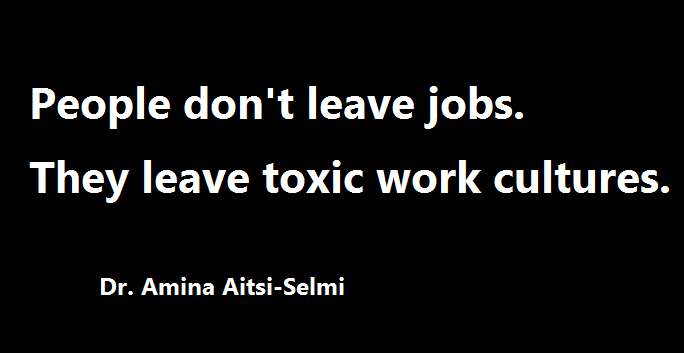
Transforming a Toxic Culture: Building Collaboration and Support in a Small Business or Restaurant

In small businesses and restaurants, where staff members work in close quarters, fostering a positive and collaborative work environment is crucial for both customer satisfaction and employee well-being. However, toxic cultures can arise, leading to discontent, high turnover rates, and ultimately, compromised customer experiences. This article aims to provide effective solutions for turning around a toxic culture, including scenarios where a key employee quits due to toxicity or when a key employee is the source of the toxic behavior, necessitating their termination.

Recognize the Signs of a Toxic Culture

The first step in addressing a toxic culture is to identify its existence. Signs of a toxic environment may include constant gossip, lack of trust, negativity, high turnover rates, decreased productivity, and strained relationships among employees. By acknowledging these signs, business owners and managers can take proactive measures to rectify the situation.

Promote Open Communication

Open communication is essential for addressing and resolving toxicity within a workplace. Encourage employees to express their concerns and opinions freely, providing a safe space for discussion. Regular team meetings, suggestion boxes, and anonymous feedback mechanisms can facilitate open communication and ensure that everyone’s voice is heard.

Lead by Example

Leadership plays a pivotal role in shaping workplace culture. Managers and supervisors should model the behavior they wish to see in their employees. Demonstrate respect, empathy, and effective communication skills, encouraging others to follow suit. When leaders exhibit positive traits, employees are more likely to emulate them, leading to a healthier and more supportive work environment.

Develop a Shared Vision and Values

Establishing a shared vision and values for the business can unite employees and create a sense of purpose. Involve the team in creating and refining these guiding principles, ensuring they align with the organization’s goals and ideals. Reinforce these values regularly through training programs, team-building activities, and consistent communication, fostering a cohesive work culture centered on shared objectives.

Provide Opportunities for Team-Building

Nurturing a sense of camaraderie among employees is crucial for combating toxicity and promoting collaboration. Organize team-building activities, such as retreats, workshops, or social events, where individuals can bond and develop trust. Foster an atmosphere where employees feel comfortable seeking help from their colleagues, leading to increased cooperation and a more stable workforce.

Address Conflict Promptly and Fairly

Inevitably, conflicts may arise in any workplace. It is essential to address these conflicts promptly and fairly to prevent them from escalating and further contributing to toxicity. Encourage employees to resolve conflicts directly with each other, but also be prepared to mediate if necessary. Implementing conflict resolution training or providing access to an impartial mediator can be valuable tools for resolving disputes effectively.

Responding to a Key Employee Quitting

When a key employee quits due to toxicity, it is crucial to take their departure seriously. Conduct an exit interview to gain insights into their experience and concerns. Analyze their feedback and use it as an opportunity to address the underlying issues that may have contributed to their departure. By learning from their departure, you can implement changes that prevent similar situations in the future.

Dealing with a Toxic Key Employee

In cases where a key employee is the source of toxicity, difficult decisions may need to be made. It is essential to conduct a thorough investigation, gathering evidence and testimonies from affected employees. If the behavior is substantiated and interventions have been ineffective, termination may be the necessary course of action. Communicate the decision clearly and transparently to the rest of the team, emphasizing the organization’s commitment to a healthy and inclusive work environment.

Conclusion

Transforming a toxic culture requires a combination of proactive measures and responsive actions. By promoting open communication, fostering a shared vision, and addressing conflicts promptly, small businesses and restaurants can build a collaborative and supportive work environment. Whether it involves a key employee quitting or dealing with a toxic key employee, the goal should always be to ensure great customer experiences and a stable workforce. By prioritizing a positive workplace culture, businesses can thrive, creating a harmonious environment for both employees and customers alike.

Resources & Support

At Acceler8Success Group, we focus on helping individuals and groups achieve their goals through entrepreneurship. For information and assistance in exploring entrepreneurial opportunities, please reach out to me today. You may do so via a LinkedIn message, by email to Paul@Acceler8Success.com, or by phone or text at (832) 797-9851.

Learn more about Acceler8Success Group at Acceler8Success.com. Also, check out two of our other resource & support sites at OwnABizness.com and at Entrepreneurship411.com.

Unleashing the Entrepreneurial Mind: Problem Solving Through Process and Instinct

Entrepreneurs are often hailed as visionary individuals who have the ability to identify opportunities and transform them into successful ventures. Central to their success is their knack for problem solving. Entrepreneurial problem solving is a delicate dance between employing a defined process and relying on instinct. In this article, we will explore how entrepreneurs harness the power of both approaches to overcome challenges and achieve their goals.

The Defined Process: A Strategic Framework

A defined process forms the foundation for effective problem solving in entrepreneurship. It provides structure, clarity, and a systematic approach to identifying, analyzing, and resolving issues. Entrepreneurs follow these key steps to navigate through problems:

  1. Problem Identification: Entrepreneurs are skilled at recognizing problems and turning them into opportunities. They possess a keen ability to spot gaps in the market or identify pain points experienced by potential customers.
  2. Data Collection and Analysis: Entrepreneurs gather relevant information and data to gain a comprehensive understanding of the problem. This includes conducting market research, competitor analysis, and customer feedback to inform their decision-making.
  3. Goal Setting: Once armed with information, entrepreneurs set clear and specific goals that align with their vision. These goals act as guiding principles, directing their problem-solving efforts towards a desired outcome.
  4. Brainstorming and Ideation: Entrepreneurs engage in creative thinking sessions to generate potential solutions. They encourage diverse perspectives, collaborate with team members, and explore innovative ideas that challenge the status quo.
  5. Evaluation and Selection: From the pool of generated ideas, entrepreneurs evaluate each solution’s feasibility, scalability, and potential impact. This process involves considering various factors such as resource allocation, market demand, and competitive advantage.
  6. Implementation and Iteration: Entrepreneurs put their chosen solution into action, monitoring its performance and making necessary adjustments along the way. They embrace a mindset of continuous improvement, iterating and refining their strategies based on feedback and market dynamics.

The Role of Instinct: Navigating the Unknown

While a defined process provides structure and logic to problem solving, successful entrepreneurs understand the importance of instinct in navigating the uncertain and unpredictable aspects of entrepreneurship. Instinct, or gut feeling, allows entrepreneurs to leverage their intuition and make quick decisions in complex situations. Here’s how instinct plays a crucial role:

  1. Rapid Decision-Making: Entrepreneurs often operate in a fast-paced environment where time is of the essence. Instinct empowers them to trust their judgment, especially when faced with limited information or tight deadlines.
  2. Risk Assessment: Entrepreneurs must assess risks and seize opportunities. Instinct helps them evaluate potential rewards and weigh them against potential pitfalls, enabling calculated risk-taking.
  3. Adaptability and Agility: The entrepreneurial journey is filled with unexpected twists and turns. Instinct helps entrepreneurs adapt to changing circumstances and make necessary adjustments to their plans on the fly.
  4. Visionary Leadership: Entrepreneurs with strong instincts have a clear sense of their ultimate vision and purpose. They are driven by a deep understanding of market trends and customer needs, enabling them to steer their businesses towards success.

Synergy: Process and Instinct in Harmony

The most successful entrepreneurs recognize that the defined process and instinct are not mutually exclusive but rather complementary. By combining a structured problem-solving framework with intuitive decision-making, entrepreneurs can achieve optimal results. The process offers a logical framework for problem solving, while instinct brings the necessary creativity, adaptability, and entrepreneurial flair.

In conclusion, entrepreneurs excel in problem solving by blending a defined process and instinct. While a structured process provides a strategic framework, instinct empowers entrepreneurs to make informed decisions in the face of uncertainty. By embracing both aspects, entrepreneurs unlock their problem-solving potential and drive their ventures toward success in an ever-evolving business landscape.

Resources & Support

At Acceler8Success Group, we focus on helping individuals and groups achieve their goals through entrepreneurship. For information and assistance in exploring entrepreneurial opportunities, please reach out to me today. You may do so via a LinkedIn message, by email to Paul@Acceler8Success.com, or by phone or text at (832) 797-9851.

Learn more about Acceler8Success Group at Acceler8Success.com. Also, check out two of our other resource & support sites at OwnABizness.com and at Entrepreneurship411.com.

Make it a great day. Make it happen. Make it count!

Understanding AI: A Novice’s Guide for Everyday Use and Precautions

Artificial Intelligence (AI) has rapidly become an integral part of our daily lives, transforming the way we work, communicate, and navigate the world. Despite its complex nature, AI has opened up a world of possibilities for the common person. Yet, the common person along with many business professionals don’t understand AI. In this article, we will define AI, explore its potential applications for individuals, and shed light on the precautions one must take to ensure its responsible use.

What is AI?

Artificial Intelligence refers to the development of computer systems capable of performing tasks that typically require human intelligence, such as speech recognition, decision-making, and problem-solving. AI systems analyze large amounts of data, learn from patterns, and adapt their behavior over time, enabling them to make predictions, automate processes, and provide valuable insights.

AI for the Common Person:

  1. Personal Assistants: AI-powered personal assistants, like Siri, Google Assistant, or Alexa, are examples of AI technology accessible to everyone. These virtual helpers can perform various tasks, such as setting reminders, providing weather updates, and answering questions, making our lives more convenient and efficient.
  2. Smart Home Devices: AI-enabled devices like smart thermostats, lighting systems, and security cameras can learn your preferences, adjust settings accordingly, and enhance home automation. These devices improve comfort, energy efficiency, and safety.
  3. Recommendation Systems: E-commerce platforms and streaming services use AI algorithms to analyze your preferences and browsing history, providing personalized recommendations for products, movies, music, and more. This enhances your overall user experience, making it easier to discover new things you might enjoy.
  4. Healthcare Innovations: AI is revolutionizing healthcare by enabling early disease detection, improving medical imaging, and aiding in diagnosis. AI-powered wearables and smartphone apps can track your health data, provide insights, and encourage healthy habits, empowering individuals to take charge of their well-being.

The Benefits of AI for Society:

  1. Automation and Efficiency: AI automates repetitive and mundane tasks, freeing up time for humans to focus on creative and strategic endeavors. This improves productivity, reduces errors, and boosts overall efficiency across various industries.
  2. Enhanced Decision-Making: AI systems can process and analyze vast amounts of data, providing valuable insights to support decision-making in areas such as finance, logistics, and resource management. This leads to more informed and accurate choices, ultimately benefiting businesses and society.
  3. Advancements in Science and Research: AI is accelerating scientific discoveries by analyzing complex data sets, identifying patterns, and generating hypotheses. Researchers leverage AI algorithms to explore genomics, drug discovery, climate modeling, and other intricate fields, leading to breakthroughs that can address pressing global challenges.

Being Mindful of AI’s Limitations and Risks:

While AI offers incredible potential, it is crucial to remain aware of its limitations and potential risks. Here are some important considerations:

  1. Privacy and Security: AI relies heavily on data, and the collection and analysis of personal information can raise concerns about privacy and security. Users must be vigilant about sharing sensitive data and ensure they understand how their information is being used.
  2. Bias and Fairness: AI systems are only as unbiased as the data they are trained on. Biased or flawed data can lead to discriminatory outcomes or reinforce existing biases. Developers and users should actively address these issues, promoting fairness and inclusivity in AI algorithms.
  3. Ethical Use: AI technologies should be used responsibly and ethically. Care must be taken to ensure AI does not harm individuals or perpetuate social inequalities. Transparency, accountability, and clear guidelines for AI development and deployment are essential.

Conclusion:

Artificial Intelligence holds immense potential to revolutionize our lives, providing us with personalized experiences, increased efficiency, and improved decision-making capabilities. As AI becomes more prevalent, it is crucial for individuals to embrace its benefits while remaining cautious about its potential risks. By understanding AI, being mindful of its limitations, and promoting responsible use, we can harness its power to create a better future for all.

Resources & Support

At Acceler8Success Group, we focus on helping individuals and groups achieve their goals through entrepreneurship. For information and assistance in exploring entrepreneurial opportunities, please reach out to me today. You may do so via a LinkedIn message, by email to Paul@Acceler8Success.com, or by phone or text at (832) 797-9851.

Learn more about Acceler8Success Group at Acceler8Success.com. Also, check out two of our other resource & support sites at OwnABizness.com and at Entrepreneurship411.com.

Make it a great day. Make it happen. Make it count!

The Crucial Role of a Tech Deck in Modern Business Strategies

In today’s digital era, businesses are increasingly reliant on technology to drive growth, improve operations, and enhance customer experiences. As such, it has become imperative for organizations to include the development of a tech deck within their business plans. A tech deck refers to the strategic framework and infrastructure that encompasses a company’s technological capabilities and investments. By prioritizing the integration of technology in their business plans, companies can unlock numerous benefits across various aspects of their operations.

Digital Marketing: The inclusion of a tech deck in a business plan provides a solid foundation for effective digital marketing strategies. With advanced technologies, businesses can leverage data analytics, artificial intelligence, and machine learning to gain valuable insights into customer behavior, preferences, and market trends. These insights allow for targeted marketing campaigns, personalized customer experiences, and optimized advertising efforts. By integrating technology into marketing initiatives, companies can enhance their reach, engage with customers more effectively, and achieve better marketing ROI.

Data Capture and Analysis: The development of a tech deck enables businesses to capture, store, and analyze vast amounts of data. This data can be sourced from various touchpoints, including customer interactions, online transactions, social media, and more. By harnessing data analytics tools and techniques, organizations can uncover valuable patterns, trends, and correlations that inform strategic decision-making. Data-driven insights can help identify customer preferences, optimize product offerings, streamline internal processes, and identify new business opportunities.

Internal Operations Improvements: Technology plays a crucial role in streamlining internal operations and increasing efficiency. With a well-developed tech deck, businesses can automate routine tasks, implement robust project management systems, and facilitate seamless collaboration among employees. Advanced communication tools, project tracking software, and cloud-based solutions enable remote work capabilities and foster greater productivity. By optimizing internal operations through technology, companies can reduce costs, enhance employee satisfaction, and improve overall organizational performance.

Customer Experience Enhancement: A well-crafted tech deck empowers businesses to deliver exceptional customer experiences across multiple channels. With integrated customer relationship management (CRM) systems, companies can gain a holistic view of their customers, enabling personalized interactions and targeted offerings. Technology-driven solutions, such as chatbots, AI-powered customer support, and self-service portals, enhance accessibility and responsiveness, leading to improved customer satisfaction. By investing in technology to enhance customer experiences, businesses can build long-term loyalty, increase retention rates, and drive positive word-of-mouth.

Productivity Boost: The development of a tech deck can significantly increase productivity within an organization. Automation of repetitive tasks, improved data accessibility, and streamlined workflows contribute to time savings and efficiency gains. Technology also facilitates knowledge sharing and collaboration, empowering employees to work more effectively as a team. By leveraging technology to enhance productivity, businesses can accomplish more with fewer resources, optimize resource allocation, and accelerate growth.

Future Planning and Scalability: Including the development of a tech deck in a business plan ensures that a company remains future-ready and adaptable. Technology evolves rapidly, and organizations must anticipate emerging trends, innovations, and customer expectations. By investing in a robust tech deck, businesses can stay ahead of the curve, respond to market changes, and scale their operations effectively. The integration of technologies such as cloud computing, data analytics, and artificial intelligence provides a solid foundation for long-term growth and innovation.

In conclusion, the inclusion of the development of a tech deck within a business plan is no longer optional but necessary for organizations aiming to thrive in the digital landscape. By prioritizing technology investments, businesses can leverage digital marketing, data capture and analysis, internal operations improvements, customer experience enhancements, productivity gains, and future planning. Embracing technology as a strategic enabler is key to remaining competitive, driving growth, and ensuring long-term success in today’s digital-first world.

Assistance & Resources

With over 70 years combined experience focused on entrepreneurship, small business, franchises and restaurants, Acceler8Success Group leadership knows what it takes to succeed in both good and challenging times. We share our knowledge and passion to help entrepreneurs and business owners realize their success. Learn more by reaching out to us via a LinkedIn message, by email to Paul@Acceler8Success.com, or by phone or text at (832) 797-9851.

Make it a great day/ Make it happen. Make it count!

10 Ways to Use AI in Multi-unit Restaurant Operations

For multi-unit restaurant operators, implementing AI can help ensure consistency across all locations, improve operational efficiency, and enhance the customer experience. However, it’s important to remember that the human element is still critical in the restaurant business. AI should be seen as a tool to assist staff and managers, not replace them.

Here are 10 ways AI can greatly enhance a wide range of operations within multi-unit restaurant businesses:

  1. Demand Forecasting through Predictive Analytics: AI’s ability to study historical sales data, customer footfall trends, and local events can provide precise future demand projections. This assists in effective inventory management, minimizes food wastage, and guarantees the availability of customer-favorite items.
  2. Effective Staff Management: AI can dissect staff performance data to pinpoint areas of proficiency and areas needing improvement. It aids in formulating efficient work schedules, ensuring enough staff during rush hours and preventing excess staff during slower times. Factors like weather, holidays, or local events are considered by AI to forecast peak hours, aiding in optimal staffing decisions.
  3. Optimizing the Menu: AI’s analysis of customer preferences and ordering patterns can lead to beneficial menu alterations that boost sales. For instance, it can spot dishes often ordered in combination and propose bundled deals. It can also help identify underperforming dishes to be revamped or removed.
  4. Personalized Marketing Campaigns: By analyzing customer behavior and preferences, AI can formulate tailored marketing strategies. These might involve personalized offers or suggestions based on previous orders, which can heighten customer loyalty and satisfaction.
  5. Maintaining Quality Control: AI and machine learning models can monitor a range of factors in real-time, like cooking duration, temperature, and ingredient quality, ensuring uniformity across all units.
  6. AI-powered Chatbots for Customer Service: AI chatbots can perform diverse customer service tasks, from resolving common queries to accepting orders. This not only improves efficiency and provides immediate service to customers, but also allows staff to focus on other responsibilities. AI can gather and assess customer feedback to highlight areas of improvement.
  7. Automating Ordering and Payment Systems: AI can make the ordering and payment procedures more efficient, reducing waiting times and enhancing customer experience, particularly in fast-food scenarios.
  8. Augmented Reality Experiences: Some restaurants, backed by AI, are exploiting AR technology to enrich the dining experience. For example, customers could use their smartphones to visualize menu items before ordering or interact with games or displays while waiting.
  9. Ensuring Food Safety Compliance: AI can help maintain food safety compliance by keeping tabs on critical control points and notifying management of any looming issues. This helps restaurants evade health code infringements and uphold a safe dining environment.
  10. Effective Supply Chain Management: AI can aid in actively monitoring and managing the supply chain, forecasting potential issues before they escalate and suggesting resolutions. This assists restaurants in preventing supply deficits or surpluses.

AI offers transformative capabilities to enhance multi-unit restaurant operations. By studying historical data, predicting demand, managing staff, optimizing menus, personalizing marketing, maintaining quality control, and streamlining customer service with chatbots, AI significantly increases efficiency. It also introduces innovative aspects such as augmented reality for an enriched dining experience, and ensures food safety and effective supply chain management.

Assistance & Resources

How AI will save the restaurant industry

Artificial Intelligence (AI) in the restaurant industry

Social Geek Rock Stars: AI and ChatGPT for Franchises Revisited

The future may be a bit bumpy for some, more so for others. Knowing who to turn to and when to turn to for guidance and help is important. Having resources at your disposal is also important. So, if you hit a wall, for whatever reason, please feel free to reach out to us for assistance or even if you just need someone to talk to. Please do not hesitate.

You can reach us via a LinkedIn message, by email to Paul@Acceler8Success.com, and by phone or text at (832) 797-9851. Learn more about Acceler8Success Group at Acceler8Success.com.

Make it a great day/ Make it happen. Make it count!

Reduce Stress & Achieve Goals With Sunday Night Planning [Revisited]

For entrepreneurs, planning their week ahead on Sunday night can be especially important, as they often have many tasks and responsibilities to manage. Here are some tips for entrepreneurs when planning their week:

  1. Review your goals: Start by reviewing your long-term and short-term goals. This will help you stay focused on what’s most important and make sure your weekly tasks align with your overall vision.
  2. Create a to-do list: Make a list of all the tasks that need to be accomplished for the week. Break them down into smaller, actionable steps so you can easily track your progress.
  3. Prioritize tasks: Determine which tasks are most important and need to be completed first. Consider the impact each task will have on your business and prioritize accordingly.
  4. Schedule tasks: Once you’ve prioritized your tasks, schedule them into your calendar for the week. Be realistic with your time estimates and give yourself some buffer room in case unexpected tasks come up.
  5. Delegate tasks: Consider delegating tasks to team members or outsourcing tasks to free up your time for more important tasks.
  6. Set aside time for strategic planning: Make sure to set aside time each week for strategic planning. This could be time to brainstorm new ideas, review your business plan, or analyze your financials.
  7. Take care of yourself: Finally, make sure to schedule time for self-care and rest. Entrepreneurs often work long hours and can easily burn out, so taking care of yourself is essential for maintaining productivity and overall wellbeing.

“Every minute you spend in planning saves 10 minutes in execution; this gives you a 1,000 percent return on energy!” – Brian Tracy, author & motivational speaker

Overall, planning ahead can help entrepreneurs stay organized, focused, and productive throughout the week. By prioritizing tasks, scheduling them into your calendar, and taking care of yourself, you can reduce stress and achieve your business goals.

Resources & Support

Sunday Night Planning: Make Monday Morning Amazing

Sunday Night Routine Ideas For A Highly Productive Week

The future may be a bit bumpy for some, more so for others. Knowing who to turn to and when to turn to for guidance and help is important. Having resources at your disposal is also important.

So, if you hit a wall, for whatever reason, please feel free to reach out to us for assistance or even if you just need someone to talk to. Please do not hesitate.

You can reach us on LinkedIn, by email to Paul@Acceler8Success.com, and by phone or text at (832) 797-9851. Learn more about Acceler8Success Group at Acceler8Success.com and also at Entrepreneurship411.com.

“By failing to prepare, you are preparing to fail.” – Benjamin Franklin

Make it a great day. Make it happen. Make it count!