Tag: Restaurants

Surviving the Restaurant Industry Shakeup (Part Two): Staying Ahead of Customer Needs and Exceeding Expectations

A recent article at Acceler8Success Cafe, Surviving the Restaurant Industry Shakeup: Why Customer Experience and Marketing Matter More Than Ever, explored the challenges facing restaurant operators today. It emphasized how customer experience and marketing are more crucial than ever in a highly competitive and rapidly evolving industry. While these elements are critical, a seasoned industry professional recently shared that success ultimately comes down to strong operations. A well-run restaurant that prioritizes attention to detail, efficiency, and proactive problem-solving is far more likely to stand the test of time.

This article builds on those insights by exploring the importance of staying ahead of customer needs and expectations. It is not enough to react to issues as they arise. Instead, restaurant operators must anticipate customer desires, address concerns before they become problems, and create a culture where staff takes ownership of the entire guest experience.

The effort to stay ahead does not just improve daily operations. It can position a restaurant for long-term growth, even expansion. By focusing on the right strategies, an operator who once believed expansion to a second location was impossible may find the opportunity to take over a second generation restaurant space. This creates a pathway for sustainable growth with lower upfront costs than building a restaurant from the ground up.

Elevating the Customer Experience

We would be neglecting a key factor if we did not emphasize the customer experience once again. After all, the restaurant industry has always been about more than just food. It is about delivering a complete experience. Customers today have high expectations and seek consistency, quality, and hospitality. To stay ahead, operators must focus on several key areas.

Personalized service makes a significant impact. Knowing regular customers, remembering their preferences, and offering a tailored experience creates a strong connection. A simple greeting by name or recalling a favorite dish can turn a guest into a loyal patron. Speed and convenience are also essential. Whether dining in, ordering takeout, or requesting delivery, customers expect efficiency. Streamlining operations to reduce wait times, optimizing online ordering, and ensuring seamless pickup and delivery services are crucial.

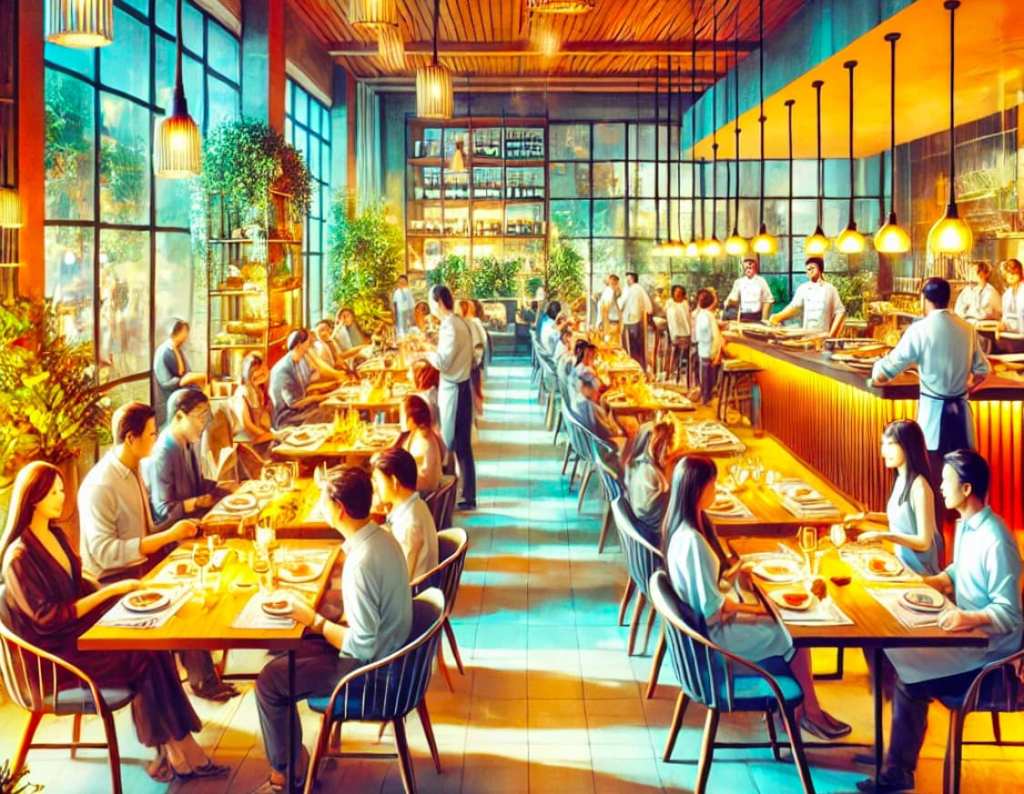
Anticipating guest needs elevates the experience even further. Staff should be trained to recognize when a guest needs a refill, requires assistance with the menu, or is waiting for a check. A proactive approach makes the difference between a good and an exceptional experience. Creating a warm and inviting atmosphere also plays a key role. Lighting, music, cleanliness, and décor should align with the restaurant brand and make customers feel comfortable and welcome.

Keeping the Menu Fresh and Relevant

A restaurant that refuses to evolve will quickly lose its appeal. Keeping the menu dynamic while maintaining core favorites is essential. This requires analyzing customer preferences by tracking best-selling dishes, seasonal trends, and feedback to determine what customers want more of and what can be phased out.

Introducing limited-time offers generates excitement and encourages return visits. Seasonal items, chef specials, and exclusive dishes create a sense of urgency. Customers enjoy discovering new flavors while still having access to familiar favorites. Quality and innovation are equally important. Modern diners seek fresh, high-quality ingredients, global flavors, and creative dishes. Even minor tweaks to existing menu items can generate renewed interest.

Dietary trends should also be taken into account. Offering plant-based, gluten-free, and healthier options ensures the menu appeals to a broad audience. A diverse menu caters to different tastes and dietary needs, making the restaurant more accessible to a wider customer base.

Promoting Value Without Compromising Perception

In an era of rising costs, customers are looking for value, but that does not necessarily mean the cheapest option. Value is about delivering a quality experience at a fair price. Value-driven promotions such as combo meals, loyalty programs, happy hour specials, and bundled deals encourage spending while giving customers a sense of getting more for their money.

Highlighting house specials is another way to enhance perceived value. Customers trust restaurant recommendations. Positioning high-margin, customer-favorite dishes as chef’s picks or must-tries makes them more appealing.

Leveraging upselling tactics can also contribute to profitability. Well-trained staff can recommend premium add-ons, drinks, or desserts in a way that enhances the dining experience rather than feeling forced. When done correctly, upselling benefits both the customer and the business.

Creating a Culture Where Staff Takes Ownership of Customer Care

A restaurant’s success depends on the motivation and attitude of its team. If staff members feel valued and engaged, they will naturally extend that energy to guests. Empowering employees is an effective way to improve service. Allowing staff the autonomy to make small customer service decisions, such as offering a complimentary dessert for a special occasion, helps build positive customer relationships.

Recognizing and rewarding excellence reinforces a culture of care. Acknowledging team members who go above and beyond in delivering great service creates a sense of pride and motivation. Training for hospitality, not just service, also plays a key role. Exceptional service goes beyond taking orders. It involves genuine engagement, making guests feel valued and appreciated.

Fostering team camaraderie leads to a more positive work environment, which in turn translates to better service. Encouraging team-building activities and creating a workplace culture where employees feel like they are part of something meaningful contributes to overall success.

Staying Ahead of Physical and Operational Issues

A restaurant’s physical environment should be as carefully managed as its customer service. Guests notice every detail, from the cleanliness of the dining area to the condition of the restrooms. Conducting regular maintenance checks ensures that small issues are addressed before they become bigger problems. Kitchen equipment, HVAC systems, and restrooms should always be in top shape.

Auditing the restaurant from a guest’s perspective can reveal problem areas. Walking through the restaurant as if you were a customer can help identify worn furniture, flickering lights, smudged windows, or other aesthetic concerns that need attention. Prioritizing cleanliness is essential. Guests equate cleanliness with quality, and ensuring that floors, tables, restrooms, and even exterior areas are spotless at all times is non-negotiable.

Managing traffic flow and seating efficiency can also improve the customer experience. Paying attention to how guests move through the space can reveal areas that need improvement. If guests are bumping into chairs or if the host stand is frequently congested, small adjustments can greatly improve comfort and efficiency.

Leveraging Technology to Stay a Step Ahead

Restaurants that embrace technology gain a competitive edge. AI and data analytics can be used to predict demand, optimize labor schedules, and personalize marketing efforts. Contactless ordering and payment options such as mobile apps, QR codes, and digital kiosks enhance convenience and speed.

Social media engagement is another critical component. Staying connected with customers by actively posting updates, responding to reviews, and leveraging influencer partnerships helps maintain visibility. Feedback systems should also be in place to make it easy for customers to leave reviews and for management to address concerns in real time.

The Bigger Picture: Expansion Becomes Possible

By mastering these principles and consistently staying ahead of customer needs, restaurant operators may find themselves in a position to expand. Strong operations, loyal customers, and financial stability can open doors to new opportunities.

Second generation restaurant spaces, locations where a previous restaurant has closed but still has a functional kitchen and dining area, offer an ideal path to expansion. These locations can often be acquired at a fraction of the cost of a new build. With minimal modifications, a thriving restaurant can duplicate its success and scale operations.

What was once thought to be beyond reach can become a reality. A well-run restaurant that stands out in service, food quality, and operational excellence creates opportunities beyond survival. It becomes a brand that customers trust and one that can grow successfully into multiple locations.

The Bottom Line: Attention to Detail Leads to Long-Term Success

As many restaurants are facing challenges, staying ahead demands vigilance, adaptability, and an unwavering commitment to excellence. Success comes from anticipating customer needs before they arise, continuously refining every aspect of the operation, and ensuring that every detail—from the food to the service to the overall dining environment—is executed to perfection.

Restaurants that embrace this proactive approach will not only navigate the industry’s challenges but will set themselves apart as market leaders. They will become go-to destinations that customers trust and return to repeatedly. By staying ahead, restaurant operators go beyond serving meals—they create exceptional experiences that build long-term loyalty and drive sustainable success.

While customer focus and marketing are essential, they must be complemented by operational precision. Exceeding expectations and maintaining a competitive edge requires meticulous attention to every detail, ensuring that customer needs are not only met but consistently surpassed.

Make today a great day. Make it happen. Make it count!

About the Author

With more than 40 years of experience in small business, restaurant, and franchise management, marketing, and development, Paul Segreto is a respected expert in the entrepreneurial world, dedicated to helping others achieve success. Whether you’re an aspiring or current entrepreneur in need of guidance, support, or simply a conversation, you can connect with Paul at paul@acceler8success.com.

About Acceler8Success Group

Acceler8Success Group empowers entrepreneurs and business leaders with personalized coaching, strategic guidance, and a results-driven approach. Whether launching, scaling, or optimizing a business, we provide the tools, mentorship, and resources to drive long-term success.

Elevating Restaurant Entrepreneurship: Key Takeaways from 2024

As we continue our exploration of the best articles from 2024, today’s spotlight remains on a vital element of entrepreneurship and community—restaurants. With the holiday season fading into memory, this is a pivotal moment for restaurateurs and aspiring culinary entrepreneurs alike to pause, reflect, and strategize for the future. It’s an opportunity to analyze what has worked, set new goals, and find inspiration for the challenges and triumphs ahead.

Restaurants are more than businesses; they’re cultural hubs where creativity, dedication, and a sense of service come together. Over the past year, we’ve shared a wealth of articles on Acceler8Success Cafe that highlight the evolving trends, enduring principles, and forward-thinking strategies reshaping the industry. These stories have not only informed but also ignited conversations among our community of passionate entrepreneurs. Today, we revisit a collection of those impactful articles to delve deeper into the insights they offer.

Whether you’re refining an established restaurant concept, planning your first venture, or simply seeking inspiration, these articles provide actionable advice and innovative ideas. From the intricacies of effective branding and marketing to lessons in leadership and customer engagement, each piece underscores what it takes to excel in this competitive industry. The restaurant world is as much about people and relationships as it is about food and operations, and these stories capture that dynamic.

As you engage with these highlights, think about your own entrepreneurial path and how these lessons can shape your plans for the future. Just as crafting a signature dish requires precision, passion, and perseverance, building a successful restaurant demands focus, adaptability, and a commitment to excellence. Let these reflections energize your vision as we prepare to make 2025 a year of growth, innovation, and success in the restaurant industry.

Elevating Your Restaurant: Proven Strategies for Success

I’ve been asked quite a bit of late about what it takes to run a successful restaurant. The questions have been mounting as more and more restaurants, both independents and chain establishments, are going out of business. Seemingly, there’s a push to get back to basics, to perfect the fundamentals, and to commit to making … More

Building Success Through Community Engagement: A Guide for QSR and Fast-Casual Operators

Quick-service restaurants (QSR) and fast-casual dining, operators often focus so much on the daily operations that they neglect one of the most powerful drivers of long-term success: community engagement. Whether part of a national brand or a small independent operation, stepping outside the four walls of the business is essential for building awareness, creating a … More

Survival of the Essential: How “Necessity” Restaurants Endure Economic Turbulence

The restaurant industry is experiencing a significant wave of bankruptcy filings, with both well-known brands and smaller establishments feeling the impact. This trend has been exacerbated by economic pressures and the looming threat of a recession, raising concerns about the sustainability of many dining businesses. As consumers tighten their belts, the question arises: are there … More

Delegation is the Lifeblood of Successful Restaurant Management

For restaurant owners, the ability to delegate is not just a luxury—it’s a necessity. The modern restaurant owner must juggle a myriad of responsibilities, from managing daily operations to strategizing for future growth. With only so many hours in a day, effective delegation can mean the difference between a thriving business and a floundering one. … More

Why Every Restaurant Owner is an Entrepreneur

A restaurant owner is an entrepreneur by every definition of the term, whether they own and operate a single establishment or a chain of restaurants. The essence of entrepreneurship lies in the ability to identify opportunities, take calculated risks, innovate, and manage a business towards growth and profitability. Restaurant owners embody these characteristics as they … More

Make today a great day. Make it happen. Make it count!

About the Author

With more than 40 years of experience in small business, restaurant, and franchise management, marketing, and development, Paul Segreto is a respected expert in the entrepreneurial world, dedicated to helping others achieve success. Whether you’re an aspiring or current entrepreneur in need of guidance, support, or simply a conversation, you can connect with Paul at paul@acceler8success.com.

Acceler8Success Cafe Small Business Weekly

Small Business Weekly is the weekly edition of Acceler8Success Cafe newsletter on LinkedIn. Moving forward, the newsletter will transition from a weekly to a daily publication. It will then be shared here on Acceler8Success Cafe blog for the benefit of our subscribers. We certainly do not want to leave our loyal followers behind. If you like what you see upon previewing this new content, please take a few minutes to subscribe so the blog will be in your email each morning. If you would, please also share with your friends & colleagues. It’d be greatly appreciated. Thank you.

Small Business Weekly

Number of Women in Franchising Has Grown Each Year Since 2016 (credit: 1851franchise.com)

There has never been a better time to be a woman business owner. 

For Women’s History Month, Franchise500’s Jeff Cheatham offered a look at the impressive strides females have made in the franchising industry, which indicates a promising future for women in the industry. 

First, Cheatham looked at how much the rate of women-owned businesses has grown in the last half-century. The U.S. Census Bureau started keeping records of female entrepreneurs in 1972, when just 400,000 companies were women-owned. Today’s statistics show over 13 million businesses owned by women, a staggering 3,150% increase. Women now account for about one-third of small business owners and franchisees, Guidant Financial reports.

When it comes to interest in franchise ownership, women are currently outnumbering men in exploring possible investments, Franchise Insights reports. And that trend shows no sign of slowing; the number of women becoming franchisees has risen steadily for the last five years.

About 33% of all female business owners and franchisees have been running their operations for more than a decade, the Guidant Financial data shows.

As gas prices rise, small business owners slam Biden’s ‘shortsighted’ energy policies: ‘Out of touch’ (credit:foxbusiness.com)

The pressure that the coronavirus pandemic put on small business, coupled with the historic inflation and spiking gas prices as the Russia-Ukraine war wages and relative inaction by the Biden administration, is creating a rapidly deteriorating situation for small business owners and operators.

Gas prices have reached historic levels amid soaring inflation in the wake of the pandemic and Russia’s war on Ukraine. In an effort to combat soaring gas prices, the Biden administration has already released tens of millions of barrels of oil from the Strategic Petroleum Reserve, but it has not been enough to have an impact. Meanwhile, the administration’s ban on Russian energy imports further tightened supply.

Some of the hardest hit have been small business across the U.S., who told Fox News Digital that they are struggling to keep their doors open and are demanding the Biden administration take immediate action to help them.

Read more HERE.

Funding Your Business Dreams at Benetrends

Get fast, economical, custom funding and realize your small business or startup dreams with help from Benetrends Financial. Our experts provide an innovative approach to help you achieve the ideal funding you need to get your ideas off the ground for long-term entrepreneurial success!

From unemployment to entrepreneurship (credit: yourstory.com)

Over a million Indians move to the US each year, but finding a job can be a tough task. Priyanka Botny found herself in such a situation. 

Unwilling to give up, she decided on becoming an immigrant entrepreneur and started Playonomics — an online experiential learning platform for employees to improve their emotional intelligence. 

Priyanka says often focusing on IT infrastructure takes away attention from employee wellbeing. “We help in bringing that intelligence to build emotional skills, along with digital transformation at organisations,” Priyanka explains. 

The startup focuses on decision-making and using human emotions to further digital transformation. 

Read more HERE.

Fast Food and Quick Service Restaurant Market Development, Trends, Demand and Forecast Till 2022-2027 (credit: marioniniversitysabre.com)

According to IMARC Group’s latest report, titled “Fast Food and Quick Service Restaurant Market: Global Industry Trends, Share, Size, Growth, Opportunity and Forecast 2022-2027”, the global market reached a value of US$ 232.3 Billion in 2021. Fast food and quick service restaurants (QSRs) serve fast foods that are cooked and packed in advance. They are commonly a part of a franchise or a food chain, wherein standardized ingredients are available for food preparation. These types of restaurants have minimal table service and generally offer takeaway options. Some of the widely available foods and beverages in these restaurants include pizza, pasta, soft drinks, coffee, tea, juices and burgers.

The global market is primarily driven by significant growth in the food and beverages industry. Along with this, the inflating disposable incomes, changing dietary patterns and the shifting lifestyle preferences of the masses are creating a positive outlook for the market. Additionally, the hectic schedules and busy lifestyles led by the working professionals have resulted in a rise in the consumption of on-the-go food items, thereby providing an impetus to the market growth. Some of the other factors contributing to the market growth include the increasing penetration of social media, easy food availability via online delivery options and innovative marketing strategies adopted by numerous players. Looking forward, IMARC Group expects the global fast food and quick service restaurant market to reach US$ 308 Billion by 2027, exhibiting at a CAGR of 4.9% during 2022-2027.

Read more HERE.

Have a great week. Make it happen. Make it count!

Learn about Acceler8Success Group services & resources for current and aspiring entrepreneurs by visiting our website at Acceler8Success.com.

Acceler8Success Cafe Daily Thursday 10.29.20

Every Company Needs an Entrepreneur in the C-Suite

Innovation thrives when it has power and status within an organization. To enable real innovative growth — and rapid response in the face of such crises such as Covid-19 — boards and company leaders must structure top organizational roles to give innovative efforts the resources and attention they need. In our work on business model innovation with over 100 large and medium-sized companies, we’ve found that companies looking for transformation have two good options: an entrepreneurial CEO or a powerful chief entrepreneur. Read more here.

7 Entrepreneurship Stages Will Propel You to Where You Need to Go

The road to becoming an entrepreneur is a journey, and it’s not a short trip. In my efforts to assist aspiring business owners like you, I find that too many see it as a short sprint to get over that one hurdle, like finding that innovative idea, or attracting an investor. In reality, I find that there are multiple stages to the process, each requiring a unique mindset and focused effort along the way. I was pleased to find a new book, The Entrepreneur’s Faces, by Johnathan Littman and Susanna Camp, which outlines the key stages and provides examples of real people making the transformation from one stage to the next. Read more here.

If you wouldn’t think about building a house without blueprints, why would you consider building a business without blueprints? Like plans for a home, business blueprints should include each component necessary for long-term benefit. Whether exploring franchise ownership or growing your brand via franchising, Franchise Foundry can help ensure you have the right blueprints specifically for you! Learn more here.

What Restaurant Sectors Thrived During The Pandemic?

Why did some restaurant chains sales thrive so quickly after the pandemic?

This week’s episode of the Restaurant Business podcast “A Deeper Dive” features Lorn Davis, who leads corporate and product strategy at the financial data firm Facteus. The company has been reporting sales using debit card information since the start of the pandemic, and its weekly reports have provided some key insights into the direction of retail and restaurant spending. Davis discusses some of the sectors performing particularly well, such as chicken wings, and those that have a longer runway for improvement, like coffee. He talks about the factors that have influenced the sectors’ success and failure, and he discusses how consumers have changed since the start of the pandemic—and how much of that change could be permanent. Listen to podcast here.

Jersey Mike’s Subs CEO Peter Cancro to join MFHA President Gerry Fernandez to talk about the path to Black restaurant franchise ownership

Peter Cancro, CEO of Jersey Mike’s Subs will be a keynote speaker at Restaurants Rise powered by MUFSO on its final day, Thursday, Oct. 29, at 3 p.m. EDT, in discussion on the path to Black franchise ownership, brought to you by PepsiCo Foodservice.

Cancro will be joined by Karim Webb, CEO of 4thMVMT and co-founder of PCF Restaurant Management — a franchisee of Buffalo Wild Wings — and Hugh Roth, senior vice president and chief customer and business development officer for PepsiCo’s Global Foodservice Division. The panel will be moderated by Gerry Fernandez, president and founder of the Multicultural Foodservice Hospitality Alliance (MFHA). TIME SENSITIVE: Read more here.

5 Best Business Ideas for 2021

The COVID-19 pandemic presented a flurry of challenges, from finding small business funding, short-term business closures, quarantines, and mask-wearing to sharp declines in storefront traffic and more.  So there is no doubt that many entrepreneurs threw in the towel this year. Despite all of this, the data shows that 2021 will be a great time to go into business for yourself. Let’s take a look at some trends shaping new businesses next year and five of the best entrepreneurial ideas for capitalizing on them. If you’re considering starting a small business in 2021, there are some trends to consider before making your plan. Read more here.

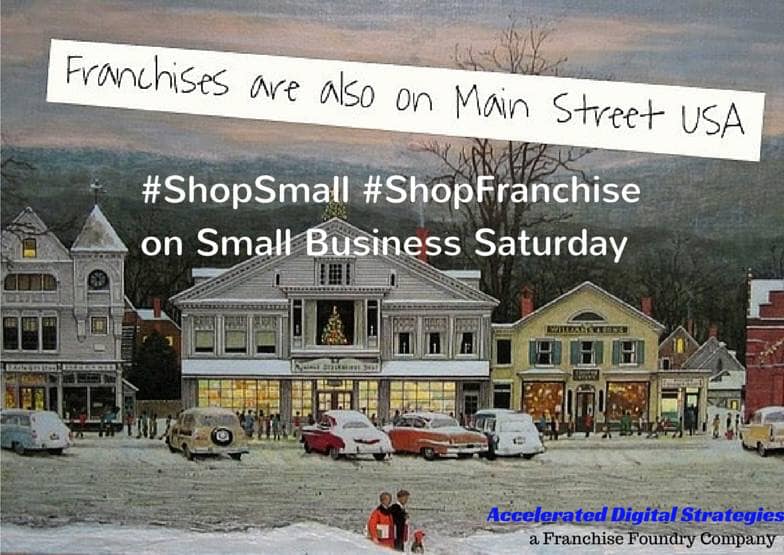
As Small Business Saturday is just around the corner please keep in mind that franchises are also small business. Franchise owners are very much the same as Mom & Pop businesses across America having invested their life savings to achieve the American Dream of owning a business. #ShopSmall and #ShopFranchise on #SmallBusinessSaturday.