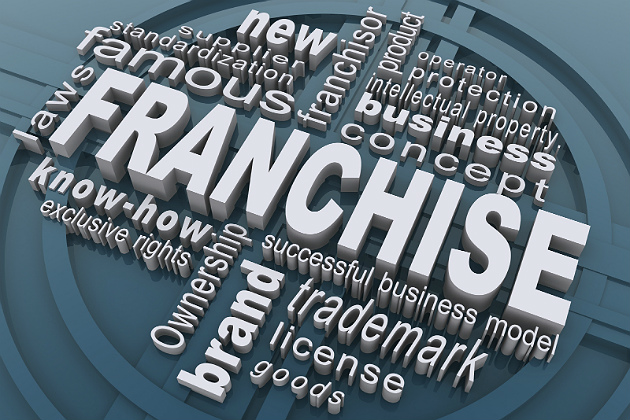
Transforming a standalone, successful business into a franchise can be one of the best business decisions an entrepreneur can make. However, this expansion is not without its complexities. Here’s a deep dive into the multifaceted process of creating a franchise brand:
Solid Financial Performance
History of Profitability: A potential franchisee will first look at the profitability of the original business. A track record of consistent revenue and profit growth signals a sustainable model.
Transparent Financial Records: Detailed financial statements, earnings reports, and tax returns are essential. They provide a transparent view of the business’s financial health, assuring potential franchisees of its viability.
Budget for Franchising: Launching a franchise system requires capital. This covers franchising legal fees, marketing efforts, legal documentation, and support structure.
Duplicable Methods and Processes
Operation Manuals: Document every aspect of the business, from day-to-day operations to employee training, in comprehensive operations manuals.
Training Programs: To ensure consistency, devise training programs for franchisees covering all aspects of the business. This might include hands-on training, online courses, and regular workshops.
Quality Assurance: Regular check-ins and audits can ensure that franchises maintain the standards set by the parent company.
Branding
Consistent Brand Image: Ensure that every franchise maintains a uniform look and feel, from interior design to staff uniforms.
Intellectual Property: Trademarks, copyrights, and patents related to the business must be legally protected to ensure exclusivity and prevent infringements.
Branding Materials: Provide franchisees with ready-made branding materials such as logos, marketing collateral, and signage.
New Age Marketing
Digital Presence: Ensure a robust online presence through an intuitive website, search engine optimization, and PPC campaigns.
Social Media Strategy: Utilize platforms like Instagram, Facebook, Twitter, and TikTok to reach diverse demographics. Curate content that resonates with each platform’s audience.
Localized Marketing: While maintaining global campaigns, empower franchises to run localized marketing efforts to attract their community.
Supply Chain Excellence
Reliable Suppliers: Establish partnerships with reliable suppliers and distributors to ensure timely delivery and consistent quality across all franchises.
Bulk Purchasing: Leverage the collective buying power of all franchises to negotiate better deals with suppliers.
Inventory Management: Offer solutions and best practices for inventory management to avoid overstocking or stockouts.
Support Team & Leadership
Franchise Support Team: Create a team specifically to support franchisees with their concerns, training needs, and operational questions.
Visionary Leadership: Executive leaders should possess the foresight to identify market trends, pivot strategies when necessary, and inspire franchisees to strive for excellence.
Legal and Financial Structure
Franchise Agreement: This legally binding document should be drafted with a legal expert, detailing the rights and obligations of both the franchisor and franchisee.
Franchise Disclosure Document (FDD): Required in the U.S., this provides potential franchisees with a detailed look into the business, ensuring transparency.
Regulatory Compliance: Ensure compliance with federal and state regulations related to franchising. This can vary significantly between regions.
Financial Expertise: Collaborate with financial experts to devise strategies for pricing, royalties, and fees. They can also assist in structuring deals that are beneficial to both parties.
Financial and Legal Team
In-house or Outsourced Expertise: Depending on the scale and ambitions of the franchisor, either maintain an in-house team or establish close ties with external legal and financial firms specializing in franchising.
Regular Updates: Franchise laws and financial regulations are dynamic. The team must stay updated to ensure continued compliance and optimized financial operations.
In conclusion, the transformation from a successful independent business to a franchise system requires meticulous planning, an emphasis on consistency, and robust support mechanisms. With the right resources and expertise, a business can expand its footprint, making its mark on a larger scale.
And that all said, we’re just scratching the surface…
Resources & Support
Franchising: A Strategic Path to Expand Your Restaurant Business
Franchising: A Strategic Path to Expand Your Restaurant Business (Part 2)
If you’re interested in exploring franchising for your organization, or whether being a franchisor is right for you personally, please feel free to reach out to me for a complimentary consultation. You may do so at your earliest convenience via email to paul@acceler8success.com, or by phone or text to (832) 797–9851. I look forward to hearing from you.
Make it a great day. Make it happen. Make it count!
Discover more from Acceler8Success Cafe
Subscribe to get the latest posts sent to your email.

You must be logged in to post a comment.