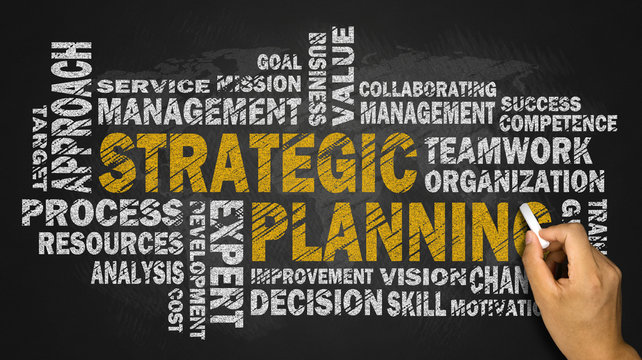
Strategic planning is the compass that guides entrepreneurs through the turbulent seas of business. It’s the blueprint for success, enabling them to chart a course towards their goals with clarity and purpose. For entrepreneurs, mastering the art of strategic planning is not just desirable; it’s essential for survival and growth in today’s competitive landscape. Here’s a comprehensive guide to effective strategic planning tailored specifically for entrepreneurs.
“Objectives can be compared to a compass bearing by which a ship navigates. A compass bearing is firm, but in actual navigation, a ship may veer off its course for many miles. Without a compass bearing, a ship would neither find its port nor be able to estimate the time required to get there.” – Peter Drucker
Preparation
Before embarking on the strategic planning journey, entrepreneurs must lay a solid foundation. This involves understanding their business inside out. Conducting a thorough analysis, including a SWOT analysis (Strengths, Weaknesses, Opportunities, Threats), helps identify key areas of focus.
Additionally, defining a clear mission and vision provides the guiding principles for all strategic decisions. Knowing the market landscape, including industry trends and competitive dynamics, is crucial for informed decision-making. Finally, assessing available resources, be it financial, human, or technological, helps entrepreneurs understand their capabilities and limitations.
Factors to Project
Effective strategic planning requires entrepreneurs to anticipate future trends and developments that may impact their business. This involves projecting various factors, such as market trends, economic conditions, competitive landscape, and technological advancements. By staying ahead of the curve, entrepreneurs can identify opportunities for growth and mitigate potential risks.
Goals and Objectives
Setting clear and achievable goals is the cornerstone of any strategic plan. Entrepreneurs should ensure that their goals are SMART: Specific, Measurable, Achievable, Relevant, and Time-bound. Aligning these goals with the overarching vision of the business ensures that every action contributes towards the long-term success of the enterprise. Prioritizing goals helps focus resources on activities that drive the most significant impact.
Timeline
A well-defined timeline is essential for effective execution of the strategic plan. Breaking down the plan into manageable phases with specific timelines for each activity ensures progress towards the desired objectives. Regular reviews and checkpoints help track progress and make adjustments as needed. Flexibility is key, as entrepreneurs must be prepared to adapt their timeline in response to changing market conditions or unforeseen challenges.
Realistic Evaluation and Benchmarking
To ensure that goals are realistic, entrepreneurs must conduct a fair evaluation of their capabilities and market potential. Benchmarking against industry standards provides valuable insights into performance and helps set achievable targets. Seeking feedback from customers, employees, and stakeholders helps validate assumptions and refine the strategic plan accordingly. Adjusting expectations based on feedback and market realities is essential for maintaining credibility and momentum.
Contingency Plans
Despite careful planning, unforeseen challenges may arise along the way. Therefore, entrepreneurs must develop contingency plans to mitigate risks and stay on course. Identifying potential risks and developing alternative strategies helps minimize disruptions and ensures resilience in the face of adversity. Crisis management protocols should be in place to address emergencies promptly and effectively.
“Strategy is simply resource allocation. When you strip away all the noise, that’s what it comes down to. Strategy means making clear cut choices about how to compete. You cannot be everything to everybody, no matter what the size of your business or how deep its pockets.” – Jack Welch
Conclusion
Effective strategic planning is the bedrock of success for entrepreneurs. By preparing diligently, projecting future trends, setting clear goals, defining a realistic timeline, and developing contingency plans, entrepreneurs can navigate the complexities of the business landscape with confidence and resilience. Remember, strategic planning is not a one-time event but an ongoing process that requires continuous adaptation and execution to achieve long-term success.
Mastering Decision-Making for Entrepreneurs (and Others)
Make today a great day. Make it happen. Make it count!
Ready to Chart Your Course to Success? Let Acceler8Success Group Be Your Strategic Compass.
At Acceler8Success Group, we don’t just help entrepreneurs plan—we help them thrive. Strategic planning is more than a document; it’s a dynamic, living process that fuels growth, sharpens vision, and prepares your business for anything that lies ahead. Whether you’re launching a new venture, scaling an existing business, or facing tough decisions in a competitive market, we’ll guide you step by step with a proven approach rooted in clarity, focus, and execution.
Let’s build your roadmap together—one that’s anchored in purpose, driven by goals, and flexible enough to weather any storm.
Schedule your strategic planning session today through our website.
It’s time to stop drifting—and start steering.
About the Author
Paul Segreto brings over four decades of hands-on experience in franchising, restaurants, and small business development. A passionate advocate for entrepreneurship, Paul has helped countless individuals turn their visions into thriving ventures. Ready to take your next step in business or looking for expert insight to overcome today’s challenges? Reach out directly to Paul at paul@acceler8success.com—your path to success may be one conversation away.
Discover more from Acceler8Success Cafe
Subscribe to get the latest posts sent to your email.

You must be logged in to post a comment.