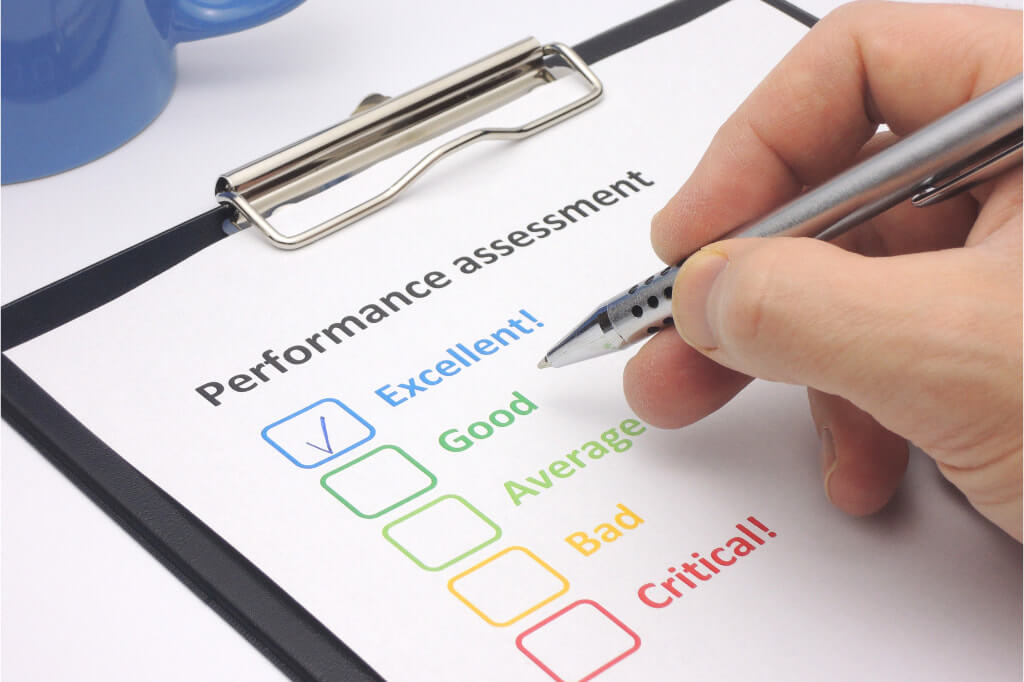
The end of the year is a natural time for reflection and evaluation. For entrepreneurial organizations, this season often brings the opportunity to assess performance, realign expectations, and set goals for the coming year. Traditional year-end performance reviews focus on employees, measuring their contributions, achievements, and areas for improvement. This is also the moment to celebrate successes, provide constructive feedback, and discuss development plans to align individual performance with organizational goals.
But what if the tables were turned? What if employees, and even leadership teams, had the opportunity to evaluate the entrepreneur? While it might seem unconventional or even uncomfortable, this practice could foster a culture of open dialogue, accountability, and shared vision.
The idea of entrepreneurs being reviewed by their employees is undeniably a double-edged sword. On one hand, it can create a sense of mutual respect, strengthen relationships, and ensure that leadership is aligned with the needs and concerns of the team. On the other hand, it can present challenges if not handled thoughtfully, potentially creating tension or exposing vulnerabilities in the organization.
The Case for Transparency
An open and reciprocal review process demonstrates that the organization values accountability at all levels. It underscores that leadership is not exempt from scrutiny, reinforcing the idea that everyone—regardless of role—has room for growth.
When employees are given a voice, they feel heard and empowered. This can increase trust, engagement, and loyalty, as team members recognize their role in shaping the company’s direction. Moreover, such feedback can be a valuable tool for entrepreneurs, who often operate with limited visibility into how their decisions are perceived at different levels of the organization.
Encouraging this level of transparency also contributes to cultivating a healthy organizational culture. Employees and leaders alike can align on expectations, resolve misunderstandings, and address challenges before they escalate. This collective effort promotes collaboration, innovation, and a sense of shared purpose.
Potential Pitfalls
Despite its advantages, an open review process is not without risks. If not conducted in a structured and respectful manner, it could lead to defensiveness or strained relationships. Entrepreneurs, in particular, might struggle with criticism if they perceive it as undermining their authority or vision.
Additionally, employees may hesitate to provide candid feedback out of fear of repercussions, especially in smaller entrepreneurial organizations where personal dynamics play a significant role. Without trust and psychological safety, the process could backfire, causing more harm than good.
Striking the Right Balance
For an upward review to succeed, it must be approached with clear guidelines and intentions. Entrepreneurs can set the tone by fostering a culture of openness and emphasizing that feedback is a tool for growth, not blame. Structured formats, such as anonymous surveys or facilitated discussions, can provide employees with a safe space to share their insights.
Moreover, it’s crucial to establish boundaries. Feedback should remain constructive and focused on professional matters rather than personal critiques. Entrepreneurs must also be prepared to process feedback with humility, reflect on it, and act on the insights that align with organizational goals.
Building a Stronger Organization
While the concept of upward reviews might initially feel like walking a tightrope, the potential benefits outweigh the risks when handled thoughtfully. This practice can lead to stronger relationships, better alignment, and a more engaged workforce.
Ultimately, the goal of any performance review—whether for employees or entrepreneurs—is the same: to improve performance, strengthen the organization, and drive collective success. By opening the door to feedback in all directions, entrepreneurial organizations can set themselves apart, creating an environment where everyone has a voice and a stake in achieving shared goals.
The end of the year, then, isn’t just a time to reflect on what employees have accomplished or where they can improve. It’s also an opportunity for entrepreneurs to ask themselves: Am I doing everything I can to lead this team effectively? In the spirit of transparency and growth, the answer could come not just from within but also from those they lead.
Make today a great day. Make it happen. Make it count!
About the Author
With more than 40 years of experience in small business, restaurant, and franchise management, marketing, and development, Paul Segreto is a respected expert in the entrepreneurial world, dedicated to helping others achieve success. Whether you’re an aspiring or current entrepreneur in need of guidance, support, or simply a conversation, you can connect with Paul at paul@acceler8success.com.
Discover more from Acceler8Success Cafe
Subscribe to get the latest posts sent to your email.

You must be logged in to post a comment.