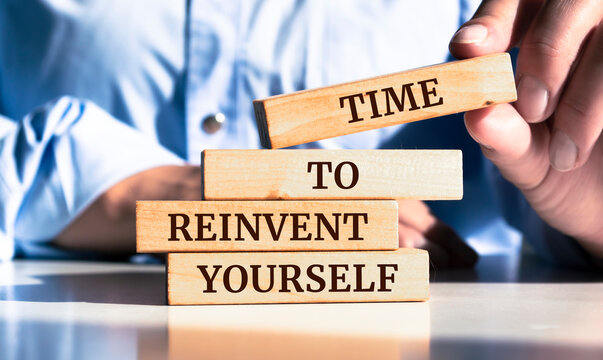
Reinvention is often associated with transformation, but for an entrepreneur, it is much deeper. It is the process of evolving in response to market changes, technological advancements, and shifts in consumer behavior. To reinvent oneself as an entrepreneur means making strategic adjustments to one’s skills, business model, and mindset in order to stay relevant and competitive. It requires the ability to adapt, the willingness to embrace change, and the courage to step away from old methods that no longer serve a business or personal growth.
Entrepreneurs who successfully reinvent themselves recognize that standing still in business is not an option. Whether operating as a solopreneur, running a small business, or managing a restaurant, the need to reassess and refine one’s approach is crucial. Reinvention affects every aspect of a business, from operations and branding to customer engagement and revenue streams. It can be the difference between long-term success and gradual decline.
The Impact of Reinvention on Different Types of Entrepreneurs
Reinvention for Solopreneurs
For solopreneurs, reinvention often means expanding their skill set, pivoting their business focus, and leveraging digital tools to increase efficiency and reach. Many solopreneurs transition from traditional service-based models to digital-first businesses, such as offering online courses, coaching, or subscription-based services. Personal branding plays a crucial role in this transformation, allowing solopreneurs to establish themselves as industry experts and attract a larger audience.
The adoption of artificial intelligence and automation also enables solopreneurs to optimize their workflows. AI-powered tools can assist with content creation, email marketing, and customer interactions, freeing up time for higher-level strategic work. Reinvention for solopreneurs is about increasing scalability while maintaining the flexibility that makes their business model unique.
Reinvention for Small Business Owners
Small business owners face constant challenges that require ongoing adaptation. Reinvention in this context may involve diversifying revenue streams, modernizing business processes, or transitioning from a physical storefront to an omnichannel presence. Many small businesses have successfully expanded by incorporating e-commerce, social media selling, and subscription-based services into their operations.
Another critical aspect of reinvention is improving efficiency through technology. Artificial intelligence-powered customer relationship management systems, automated inventory tracking, and digital payment solutions streamline operations and improve profitability. By rethinking traditional ways of doing business, small business owners can create sustainable models that remain relevant in an increasingly digital world.
Reinvention for Restaurant Operators
Restaurant operators must continuously evolve in response to shifting consumer preferences, economic fluctuations, and technological advancements. Reinvention for a restaurant may involve adjusting its menu to meet current dining trends, integrating new ordering systems, or rethinking its business model to include takeout, delivery, and ghost kitchens.
The adoption of artificial intelligence and machine learning is transforming the restaurant industry. Predictive analytics can help with demand forecasting, while AI-powered chatbots enhance customer service. Many successful restaurant operators have also leveraged social media marketing, loyalty programs, and mobile applications to increase engagement and retention. Reinvention in the restaurant sector is about balancing tradition with innovation, offering high-quality food while meeting evolving consumer expectations.
The Transition Process: Timing, Preparation, and Strategic Execution
Reinvention is not an instant process. While urgency is necessary, strategic planning ensures that changes are both effective and sustainable. Entrepreneurs who take a structured approach to reinvention set themselves up for long-term success.
Evaluating the Current Position
The first step in reinvention is assessing where the business currently stands. This involves conducting a comprehensive analysis of strengths, weaknesses, opportunities, and threats. Entrepreneurs should examine customer needs, market trends, and industry competition to identify gaps and areas for improvement.
Defining the New Direction
Once the assessment is complete, entrepreneurs must determine their new path. Whether it is adopting new technology, expanding into a different market, or refining a product offering, having a clear vision is essential. Setting realistic and measurable goals helps ensure that the transition is manageable.
Developing a Transition Strategy
A successful reinvention requires a detailed roadmap. This includes defining the necessary steps, allocating resources, and creating a timeline for implementation. Financial planning is crucial, as reinvention often requires investments in new technology, training, or marketing. Entrepreneurs should also consider the human aspect of change by preparing employees and stakeholders for the transition.
Experimentation and Adaptability
Reinvention is not a one-time event but an ongoing process. Entrepreneurs must be willing to test new strategies, gather feedback, and make adjustments as needed. This agility allows businesses to remain competitive in an unpredictable market.
Building a Support Network
Entrepreneurs do not have to navigate reinvention alone. Seeking mentorship, joining industry groups, and collaborating with like-minded professionals can provide valuable insights and support. A strong network can also lead to new opportunities and partnerships.
The Role of Artificial Intelligence, Online Presence, and Personal Branding
Embracing technology and digital platforms is a fundamental part of reinvention. Entrepreneurs who leverage artificial intelligence, establish a strong online presence, and build their personal brand position themselves for sustained success.
Artificial Intelligence as a Competitive Advantage
Artificial intelligence is transforming how businesses operate by automating tasks, analyzing data, and improving customer experiences. Entrepreneurs can use artificial intelligence-driven tools for marketing automation, chatbots, personalized recommendations, and demand forecasting. Restaurant operators, for example, can use artificial intelligence to predict peak hours and adjust staffing accordingly, while small business owners can optimize advertising campaigns with artificial intelligence-powered insights.
Strengthening Online Presence
A strong digital presence is essential for business growth. Entrepreneurs must utilize websites, social media, and e-commerce platforms to reach and engage with their audience. Creating valuable content, optimizing search engine presence, and using targeted digital advertising can significantly enhance visibility. Reinvention often involves updating branding and refining messaging to align with current industry trends.
Personal Branding as a Growth Strategy
Entrepreneurs who invest in personal branding establish credibility and attract new opportunities. Sharing industry insights, engaging in thought leadership, and maintaining an active presence on platforms like LinkedIn can position an entrepreneur as an expert in their field. A well-crafted personal brand not only benefits the individual but also strengthens the credibility of their business.
Planning for the Future: One Year, Three Years, and Five Years
Reinvention is an ongoing journey. Entrepreneurs should establish benchmarks for the short, medium, and long term to ensure continued growth and adaptability.
- One-Year Goals: Focus on immediate improvements, such as adopting new technology, refining branding, and optimizing workflows. This phase involves rapid implementation and testing.
- Three-Year Goals: Evaluate progress, refine strategies, and expand on initial changes. Entrepreneurs should focus on scaling successful initiatives and adjusting to market trends.
- Five-Year Goals: Plan for sustained innovation and long-term industry positioning. Entrepreneurs should anticipate technological advancements and explore expansion opportunities to stay ahead of the competition.
Taking Action Now: Entrepreneurship as the Driver of the Future
Entrepreneurship plays a crucial role in economic growth and innovation. As industries evolve, those who embrace reinvention will emerge as leaders. Now is the time for entrepreneurs to evaluate their current position, identify opportunities for transformation, and take bold steps toward the future.
Reinvention is not about survival; it is about thriving in an era of rapid change. Those who commit to continuous learning, embrace technology, and adapt to new business models will shape the future of their industries. The most successful entrepreneurs are those who see reinvention not as a challenge but as an opportunity to build something even greater.
Make today a great day. Make it happen. Make it count!
About the Author
With more than 40 years of experience in small business, restaurant, and franchise management, marketing, and development, Paul Segreto is a respected expert in the entrepreneurial world, dedicated to helping others achieve success. Whether you’re an aspiring or current entrepreneur in need of guidance, support, or simply a conversation, you can connect with Paul at paul@acceler8success.com.
About Acceler8Success Group
Acceler8Success Group empowers entrepreneurs and business leaders with personalized coaching, strategic guidance, and a results-driven approach. Whether launching, scaling, or optimizing a business, we provide the tools, mentorship, and resources to drive long-term success.
Discover more from Acceler8Success Cafe
Subscribe to get the latest posts sent to your email.

You must be logged in to post a comment.