Rebranding is far more than a fresh logo, a new slogan, or a modernized color palette. At its best, it is a strategic initiative designed to reposition a business for the future. The objective of rebranding is to reshape how a company is perceived both internally and externally, aligning its image with evolving goals, markets, and customer expectations.
Done well, rebranding provides clarity. Over time, even the strongest brands can become diluted, outdated, or misaligned with their mission. A thoughtful rebrand sharpens the message, refines the value proposition, and communicates a vision that resonates with current realities and future aspirations. It tells customers not only what the company does but also why it matters.
Rebranding also embraces change. Markets shift, competitors emerge, and consumer preferences evolve. Brands that thrive adapt alongside these forces. A successful rebrand signals innovation, growth, and relevance. It creates a bridge between a company’s past and its next chapter.
Another key objective is differentiation. In crowded industries, brands must stand out to be remembered. Rebranding provides the opportunity to highlight unique strengths, embrace bold design, and adopt a sharper voice. This differentiation not only builds visibility but also fosters deeper loyalty.
Most importantly, rebranding strengthens connection. A brand is more than how a business wants to be seen—it’s about how it makes people feel. A rebrand is a chance to align language, imagery, and experiences with values that matter to customers, employees, and stakeholders. When done right, it fosters trust, loyalty, and advocacy.
Ultimately, rebranding sets the stage for growth. Whether preparing for expansion, entering new markets, or attracting investment, a refreshed identity conveys ambition, confidence, and readiness for what’s ahead. It creates a platform for long-term success.
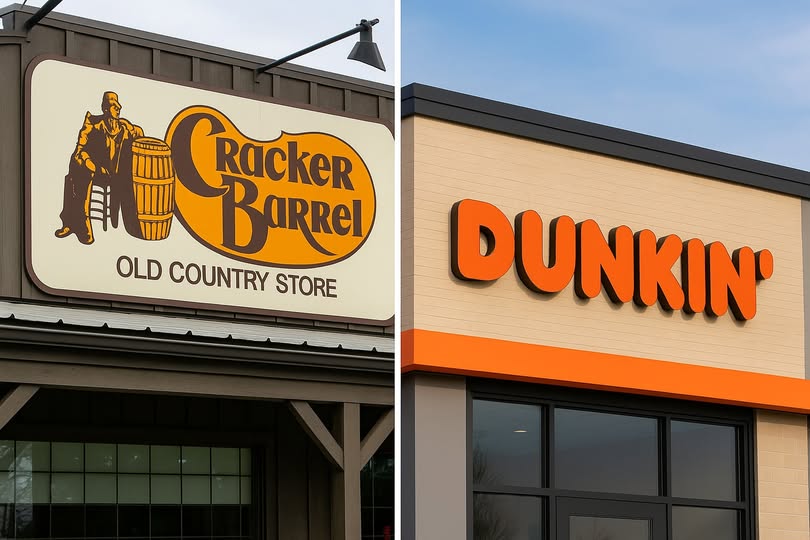
But while the objectives of rebranding are clear, not every effort achieves them. Two very different examples—Cracker Barrel and Dunkin’—show how rebranding can either undermine or accelerate a company’s trajectory.
Cracker Barrel: Rebranding for the Wrong Reasons
Cracker Barrel Old Country Store built its reputation on rustic charm, comfort food, and nostalgia. From its rocking chairs to its Southern-inspired décor, the brand was synonymous with tradition and consistency. Customers knew what to expect, and that reliability was its strength.
Yet in an effort to “modernize” and appeal to new audiences, Cracker Barrel pursued a rebrand that softened or altered much of what made it unique. The effort was not driven by strategic necessity but by a desire to chase relevance.
The missteps were significant:
- Abandoning core identity by downplaying its signature country-store aesthetic.
- Sending mixed signals about whether it was still rooted in tradition or trying to be something new.
- Alienating loyal customers who felt the brand was turning its back on its heritage.
- Focusing on cosmetics rather than deeper improvements in menu innovation, technology, or customer experience.
Instead of creating clarity, Cracker Barrel’s changes created confusion. Instead of strengthening connections, they risked alienating the very audience that had made the brand successful. The case demonstrates how rebranding without purpose or alignment to core values can do more harm than good.
Dunkin’: Rebranding Done Right
In contrast, Dunkin’ offers a compelling example of how rebranding can accelerate growth when done with clarity and intention. For decades, the company was known as Dunkin’ Donuts. Yet consumer behavior was changing—customers increasingly viewed Dunkin’ not just as a donut shop but as a beverage-led brand competing with Starbucks and other coffee giants.
Recognizing this shift, Dunkin’ rebranded by dropping “Donuts” from its name. The move was bold, but it was anchored in strategy:
- Clarity: The new name highlighted Dunkin’s true focus—coffee, beverages, and convenience—without denying its roots.
- Adaptation to change: The rebrand aligned the company with evolving consumer demand for beverages over indulgent baked goods.
- Differentiation: By positioning itself as faster, friendlier, and more accessible than premium competitors, Dunkin’ carved out its own lane.
- Connection: The company retained its playful pink-and-orange identity and loyal tone of voice, ensuring longtime customers felt included.
- Growth: The rebrand provided a foundation for expansion, digital innovation, and global relevance.
Unlike Cracker Barrel, Dunkin’ did not abandon its DNA. Instead, it distilled its essence into a sharper, more relevant identity. Customers could still “run on Dunkin’,” but now with a stronger focus on what mattered most to them—coffee and convenience.
Lessons for Business Leaders
The contrast between Cracker Barrel and Dunkin’ reveals critical lessons about the true objective of rebranding:
- Rebranding must be purposeful, not reactionary.
- Evolution should honor the past while positioning for the future.
- Cosmetic changes alone are not enough—strategic clarity is essential.
- Loyalty should be strengthened, not risked.
- A rebrand should set the stage for growth, not create confusion.
When guided by strategy and authenticity, rebranding is a catalyst for long-term success. When driven by trend-chasing or superficial updates, it risks undermining decades of equity.
Make today a great day. Make it happen. Make it count.
About the Author
Paul Segreto brings more than 40 years of hands-on experience in franchising, restaurants, small business development, and entrepreneurship.
Recognized as one of the Top 100 Global Franchise and Small Business Influencers, Paul is also the voice of Acceler8Success Cafe and Your Entrepreneurial Success, daily platforms where thousands of entrepreneurs turn for insight, strategies, and motivation. A lifelong advocate for ethical growth and brand integrity, he coaches founders, franchise and restaurant executives, and entrepreneurial families, guiding them to find clarity in complexity and achieve lasting success through intentional leadership.
Ready to elevate your business or navigate today’s challenges with confidence? Reach out to Paul directly at paul@acceler8success.com — your next step begins with a conversation.
About Acceler8Success Group
Acceler8Success Group is a comprehensive business advisory firm dedicated to empowering entrepreneurs, small business owners, franchise professionals, restaurant operators, and industry leaders. Through strategic consulting, personalized coaching, and impactful content, we provide the tools and guidance needed to drive growth and long-term success.
With a sharp focus on entrepreneurship, franchising, restaurants, and small business development, Acceler8Success Group delivers practical insights and proven strategies that translate vision into results.
By combining deep industry expertise with a robust content ecosystem, we help build sustainable businesses and cultivate responsible leadership. Our mission is clear: to support today’s innovators and tomorrow’s legacy builders as they pursue—and accelerate—the American Dream.
Discover more from Acceler8Success Cafe
Subscribe to get the latest posts sent to your email.

You must be logged in to post a comment.