 The following article, the first in a series of articles on the subject of Regional Franchise Development as a Growth Strategy, has been submitted by franchisEssentials Guest Author, Dan Durney, Partner and Co-Founder of PowerHouse Franchising. Dan has a wealth of business and franchise experience including:
•Expert in analyzing business opportunities and clearly explaining the details in a clear and concise manner.
•Thoroughly enjoys the “exploratory” phase of business qualification where the goals, expectations and capabilities of the individuals seeking to be in business for themselves, but not by themselves, are matched up with the individuals who are looking for partners to help launch their concept.
•Directing the development of the current Internet strategy for PowerHouse Franchising, including enhanced pipeline and lead-generation reporting.
•Currently owns multiple Regional Development Concepts in the U.S.
•Experienced (and entertaining) presenter for conferences, training seminars and business opportunity expos.
•Prior experience in sales and support to large Corporate Enterprise customers as well as small “mom and pop” operations allows for comprehensive understanding of today’s business climate.
•Has started and successfully run three separate businesses (Telecom, IT training, & Marketing).
franchisEssentials is pleased to have Dan as a Guest Author and we look forward to posting additional articles in the future from Dan and his excellent team at PowerHouse Franchising.
Regional Franchise Development as a Growth Strategy
It’s not for everyone to be sure. In fact, it’s for very few. Estimates range from 3-5% of all franchisors use this method of growth as a corporate strategy. Maybe, only about 15% even should consider it. However, when the right franchise concept, with a dynamic business model and strong unit economics embrace it… it can be MAGIC and make the brand a “Force” to be reckoned with.
 What is Regional Franchise Development? Do we know it by any other name? Oh yes we do – Regional Representative, Area Director, Area Representative and of course Master Franchising. Oh ok, now I’ve heard of those – so what’s the difference? Basically, not much but if the Franchisor shares the Franchise Fees, Royalties and sometimes Distribution income with these Strategic Market “Partners” (legal guys – please don’t sweat the use of “Partner” here – I use it mainly for illustration purposes and not strict legal definition – thanks!) then you have the makings of a Challenging, exciting and VERY rewarding business building opportunity – both for the Franchisor and for the Regional Developer (RD) (we’ll stick with this Acronym for these articles).
We’ll start off this series by discussing WHY a Franchisor would decide to develop their brand this way and what they can expect to see in terms of growth and infrastructure development. Then we’ll explore what benefits (branding, revenue opportunities, etc.) are in store for the company, the RD and the Franchisees too.
FOUR Reasons for a Franchisor to Consider Regional Development as a Growth Strategy
1) Faster Growth – more sales efforts in each Region.
2) Lower Corporate overhead costs – staff up to support approximately 60 Regional Developers.
3) Greater collective EXPERIENCE of Regional Developers brings more objective input with local experience. No ”Ivory Tower” syndrome.
4) Better ongoing franchisee support with costs pushed out to the Regional Developers.
The RD has an incentive to develop the Region as quickly as possible; therefore the franchise recruiting efforts can begin immediately within the local market. Using Business Brokers, Franchise Consultants, Local Networking, Online Portals, Classic Advertising, Social Media (I won’t even get started on THAT here), etc. are some ways to find the most interested, qualified and “ready to move” candidates. Of course, once the “Pilot Unit” is open, customers of many concepts have become franchisees themselves after experiencing the products / services of the franchise as a consumer.
Imagine the growth curve for the franchisor as the RDs begin to recruit in their local market – face to face – filtering out the unqualified and presenting the ones who are properly vetted to the franchisor for approval. What kind of candidate would an RD be looking for? One with whom they feel they can work well together, who will be a TEAM PLAYER in the market with the other franchisees, and will be receptive to coaching and mentoring that the RD will provide.
What would the Franchisor’s costs be to hire, train, house, and compensate franchise sales people to accomplish the same thing? The Franchisors who “do the math” clearly understand this concept. It can result in strong, controlled, and calculated growth. Who doesn’t want that?
One VERY SUCCESSFUL franchise concept that rolled out exclusively thru Regional Development has over 540 units open (800+ awarded) across the USA and is supported by a staff of only 40 at corporate HQ. Those staff members support the RDs and the RDs support the franchisees in their local markets. It’s a tiered distribution of support. Remember, the RDs are compensated for this with the sharing of the Royalties paid by the franchisees. (More about the revenue streams to the RDs later).
It still needs to be done correctly, having sufficient staff to support initial RD location openings, etc. This company did it right, for the most part, enduring some bumps and bruises along the way, but there are certainly others who haven’t. What caused their downfall? That’s for another installment…
 Bubbling up the “Best Practices” from the Regions thru the RDs provides the Franchisor with invaluable “field research” to improve the brand, its offerings and stay better apprised of the competition.
If you think about it, it is actually a “selling” feature of a franchise to have local support by someone who has a vested interest in the success of the franchisees in their market. Often the RD is only a short distance away and visits more frequently than head office staffers dispatched quarterly or less frequently.
Branding is better controlled as well since the RD is responsible for monitoring the local co-op advertising activities in their market.
So, we see the benefits for the Franchisor, RD and Franchisee can be substantial. What are we looking for in a Regional Developer? What characteristics should be avoided for an RD? Is it for you? Is this the right time in your life and personal circumstances?
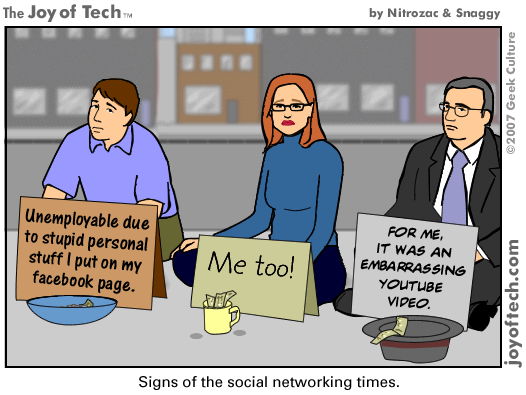 We’ve seen stories in the news and on television about workers being fired for comments and photos they’ve posted on Twitter, Facebook and MySpace. We’ve heard about companies conducting online searches of potential employees in the same social networking sites claiming they want to know how a potential employees acts outside the workplace.
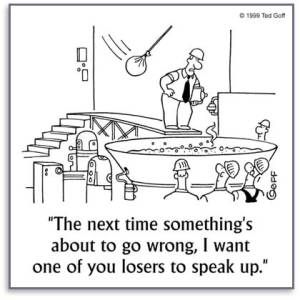 The typical employer describes their training program in the following manner: “Well, we have new employees come in to the HR Department to complete the hire package, then we go over their benefits, we show them a safety video and then we send them to their department for job-specific training.” What the employer is actually saying – new employees are put into a buddy situation, you are asking their co-workers to train them to do the job. Guess what —this is not training! That is passing the torch from Employee A to Employee B.
 The
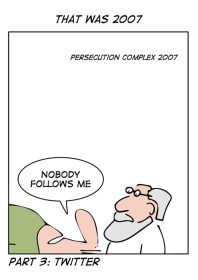
 Getting started on Twitter
 What a great way to learn about social media marketing than by following the best of the best. The top Chief Marketing Officers on Twitter today, are listed below.
 2,000+ Followers:
 #12: Sonny Ganguly
 Over time, personal interaction within a social networking environment creates trust. In turn, it develops relationships, shares information, provides two-way communications, and provides points of reference for follow up. It creates a multi-tiered platform of information that benefits both business development and customer generation efforts alike. Often, simultaneously.
 1. More than half of interactive marketers plan increases in their social technology spending. (These stats are from 114 marketers currently using social media, out of the 145 interactive marketers we surveyed.) Only 5% plan decreases. Go ahead, name another marketing investment that’s anywhere near this strong in recessionary times.

 “What is the effect on a business if you take down the brand name sign and put up an unknown brand?”, was a recent question for discussion in a couple of the LinkedIn franchise groups. The question turned into a good discussion as there were over fifteen responses but I was surprised there was minimal reference to legal obligations and potential ramifications under the franchise agreement. Below, please find a few of the comments submitted, including my own. As we have done in the past, the names of the responders will only be identified as their LinkedIn description and their names will not be included in this forum. Upon reading the comments please free to include your own at the end of this article.
 Media can make or break your franchise and it’s VERY important you treat every reporter you come in contact with as if they are your most important VIP, regardless of how you feel about their past or current reporting.

You must be logged in to post a comment.